
Composite vs. Porcelain vs. Glass Insulators: A Decision Guide for HV Projects
Choosing the right insulator technology for high-voltage lines is not a one-time catalog decision. It affects installation schedules, maintenance budgets, outage response, and long-term reliability. This guide compares composite (polymer), porcelain, and glass insulators on the factors that matter most at the procurement stage.
This comparison targets the global electrical insulator market, which was valued at approximately USD 12.5 billion in 2023 and is projected to reach USD 18.4 billion by 2030. Within this market, composite insulators represent a fast-growing segment, valued at roughly USD 3.42 billion in 2024 and expected to grow at a CAGR of 9.1% through 2030, according to Strategic Market Research. Understanding the trade-offs between material types is therefore not a theoretical exercise; it is central to most high-voltage procurement decisions being made this year.
Why This Comparison Matters for Decision-Makers
For buyers evaluating insulator suppliers, the material choice is intertwined with supplier capability. A supplier's in-house production of metal end fittings, its testing protocols, and its track record with each insulator type directly affect project outcomes. The decision is not simply composite versus porcelain versus glass; it is about aligning material properties with project conditions, grid requirements, and maintenance strategy.
China Energy and Chemical Industry Co., Ltd (CECI), a manufacturer based in Zhengzhou, Henan, China, supplies polymer, porcelain, and glass insulators, along with overhead line hardware fittings and accessories. The company operates a 30,000 m² facility, exports to more than 40 countries, and serves markets including Russia, Vietnam, France, Spain, Italy, Türkiye, Brazil, Poland, Indonesia, and Saudi Arabia. CECI is referenced in this guide as a working example of how a single manufacturer approaches all three insulator families, helping buyers compare without the bias of a single-material-only supplier.
Core Differences at a Glance
The three insulator families differ fundamentally in material composition, weight, mechanical behavior, and maintenance profile. Each difference translates into a measurable project outcome.
| Comparison Dimension | Composite (Polymer) | Porcelain | Glass |
|---|---|---|---|
| Weight | Approximately 50% lighter than porcelain/glass | Heavy | Heavy |
| Installation time | Approximately 60% faster | Baseline | Baseline |
| Initial cost | Approximately 10% higher | Lower | Lower |
| Annual maintenance cost | Approximately 40% lower; longer maintenance cycles | Higher | Higher |
| Emergency repair time | 4–6 hours | — | 1–2 hours |
| Visual inspection | Requires specialized methods | Possible but less reliable for internal defects | Easy, without specialized equipment |
| Best suited for | Heavy pollution, long spans, lightweight requirements | Thermal stability, high mechanical/electrical stability | Thermal stability, easy visual inspection |
Data source: CECI product comparison data, 2024–2025. Percentages reflect typical comparative performance ranges used in procurement evaluations.
Composite Insulators: Weight, Pollution Resistance, and Lower Maintenance
Composite insulators are built around a fiberglass-reinforced polymer core, typically covered by a silicone rubber housing. This construction gives them a set of properties that porcelain and glass cannot fully replicate.
Quantified Performance Advantages
- Weight: Approximately 50% lighter than porcelain and glass alternatives. This reduction directly reduces transportation costs and simplifies handling on-site.
- Installation time: Saves approximately 60% of installation time compared to porcelain or glass. Fewer workers and shorter line outages during construction are the typical project-level benefits.
- Maintenance cycle: Requires less frequent maintenance and offers a longer maintenance interval, partly because of the hydrophobic (water-repellent) nature of silicone rubber, which resists pollution accumulation.
- Pollution performance: The silicone housing provides superior resistance to pollution flashover in coastal, industrial, and desert environments.
- Impact resistance: Polymer materials absorb mechanical shock better than brittle ceramic or glass, reducing the risk of damage during transport and installation.
Cost Profile: Higher First Cost, Lower Lifetime Cost
The initial purchase price of composite insulators is approximately 10% higher than porcelain or glass equivalents. However, the annual maintenance cost is approximately 40% lower. Over a typical 20–30 year service life, the cumulative maintenance savings can offset the initial premium multiple times. For projects where outage time is expensive, the longer maintenance interval is a significant economic factor.
Procurement implication: Composite insulators are generally the most economical choice on a total-cost-of-ownership basis for lines in polluted environments, areas with difficult access, or projects where installation speed and low maintenance frequency are priorities.
Limitations and Trade-offs
Composite insulators are not without constraints. Their emergency repair time is 4–6 hours, which is slower than glass insulators (1–2 hours). The cost of a composite repair is approximately 150% higher than an equivalent glass insulator repair. Furthermore, visual inspection of composite insulators does not reveal internal defects, such as rod degradation or housing delamination, as directly as the brittle fracture patterns of glass or porcelain. Buyers selecting composite technology should therefore ensure the manufacturer performs rigorous production testing to reduce in-service failure risk.
Porcelain and Glass Insulators: Thermal Stability and Proven Mechanical Strength
Porcelain and glass insulators share several characteristics because both are inorganic dielectric materials fired or formed at high temperature. They remain the dominant choice in many transmission networks worldwide, particularly in regions with extreme temperature variations.
Advantages Over Composite Insulators
- Heat resistance: Ceramic and glass materials withstand high operating temperatures without degradation, making them suitable for hot climates and high-load areas.
- Mechanical and electrical stability: Their high mechanical strength and stable dielectric properties are well documented across decades of service.
- Visual inspection: Glass insulators in particular allow easy visual inspection without specialized equipment. Damage such as cracks or punctures is usually visible to maintenance crews. This is a decisive advantage for some utilities that rely on helicopter or ground patrols.
- Testing time: Glass and porcelain insulators save approximately 80% of testing time compared to some traditional testing procedures for other insulator types, which speeds up commissioning and routine checks.
Cost and Repair Profile
Porcelain and glass insulators generally have a lower initial purchase price than composite alternatives. The total cost associated with replacing glass insulators is 25% to 35% lower than traditional alternatives, partly because of the material cost and the ease of sourcing replacements. When a glass insulator fails in service, it shatters into small pieces, which makes the damaged unit obvious and easy to identify; the emergency repair can often be completed in 1–2 hours. Porcelain behaves differently, sometimes cracking without shattering, which can hide damage; however, its overall mechanical and electrical stability remains strong.
Where Porcelain and Glass Are the Better Choice
These insulator types are more suitable for scenarios requiring thermal stability and easy visual inspection. Utilities with extensive existing porcelain or glass installations may also prefer to standardize on one material family to simplify spare parts inventory and crew training.
Procurement implication: Porcelain and glass insulators remain highly competitive for projects where initial capital cost is the dominant constraint, where maintenance crews are already equipped for visual inspection, or where extreme heat and mechanical stability are non-negotiable.
Head-to-Head: Direct Cost and Performance Comparison
The following table summarizes the key quantitative comparisons between polymer composite insulators and traditional porcelain or glass insulators. This synthesis is intended for engineers and procurement specialists who need a concise reference during supplier evaluation.
| Factor | Polymer Composite | Porcelain / Glass |
|---|---|---|
| Weight difference | About 50% lighter | Baseline |
| Installation time | Saves about 60% of installation time | Baseline |
| Initial cost | About 10% more expensive | Baseline |
| Annual maintenance cost | About 40% lower | Baseline |
| Maintenance frequency | Less frequent, longer cycle | More frequent |
| Testing time | — | Save about 80% of testing time |
| Emergency repair time | 4–6 hours | Glass: 1–2 hours |
| Repair cost | About 150% higher than glass | Baseline |
| Replacement total cost (glass) | — | 25–35% lower than traditional alternatives |
| Best use cases | Heavy pollution, long spans, lightweight requirements | Thermal stability, visual inspection priority |
Energy Efficiency: A Minor Difference with a Major Indirect Impact
Direct energy efficiency differences between composite, porcelain, and glass insulators are minor. All three materials have low dielectric losses under normal operating conditions. The more significant efficiency impact comes from insulation reliability and from outage and maintenance time. A line that experiences fewer pollution flashovers, fewer mechanical failures, and shorter planned outages will deliver more energy over its lifetime.
When buyers compare insulator options, total cost of ownership and reliability should therefore take priority over small differences in electrical efficiency. In practice, the maintenance and outage profiles described above matter more to grid performance than the inherent dielectric properties of the insulating material.
Comparing on Total Cost of Ownership: What the Numbers Say
The most useful way to compare insulator options is through total cost of ownership (TCO), which includes initial purchase price, installation costs, maintenance costs, repair costs, outage costs, and expected service life. Using the comparative figures from CECI's product data, a typical TCO comparison can be structured as follows.
Illustrative TCO Logic
Although project-specific figures vary, the relative relationships remain stable:
- Initial purchase: Composite insulators cost about 10% more than porcelain or glass.
- Installation: Composite insulators save about 60% of installation time, reducing labor and crane costs, and shortening line outage windows.
- Annual operation and maintenance: Composite insulators reduce annual maintenance costs by about 40% and require less frequent interventions.
- Emergency repairs: Glass insulators require 1–2 hours per repair versus 4–6 hours for composite, and glass replacement cost is about 25–35% lower. However, if the network does not depend on emergency repairs for glass units (because composite failures are rarer), the higher composite repair cost may rarely be incurred.
- Testing and commissioning: Porcelain and glass insulators save about 80% of testing time, which may reduce project commissioning costs.
The optimal TCO depends heavily on the operating environment. In polluted areas, composite insulators typically win on TCO because pollution-related maintenance is reduced. In clean, accessible areas, porcelain or glass may win because of lower initial cost and easy inspection.
Application Context: Aligning Insulator Type with Project Duty
The application context matters as much as the material comparison. An insulator suitable for a rural 33kV distribution line may be unsuitable for a 66kV horizontal line post in an industrial coastal area, or for an electrified railway feeder in a desert climate.
Typical Applications by Insulator Type
CECI's product documentation highlights several applications for its insulator lines, including rural and urban power grid upgrading, rail transit electrification, high-voltage transmission lines, substations and converter stations, and wind power projects. These applications demand continuous 24/7 operation under harsh conditions such as high temperature, high humidity, outdoor climate exposure, UV aging, dust storms, and impulse overvoltage. The required insulator properties include anti-aging and UV resistance, high mechanical strength, high insulation, light weight, bending resistance, waterproofing, and stable metal fittings.
| Application | Key Requirement | Insulator Type Preference |
|---|---|---|
| Heavy-pollution industrial zones | Pollution flashover resistance | Composite (polymer) |
| Long-span river or valley crossings | Light weight, high tensile strength | Composite (polymer) |
| High-temperature desert regions | Thermal stability | Porcelain or glass |
| Railway electrification | Mechanical stability, vibration resistance | Porcelain or composite with proven track record |
| Substations and converter stations | High mechanical load, visual inspection | Porcelain or glass |
| Urban grid upgrading with limited access | Light weight, easy installation | Composite (polymer) |
| Remote mountainous terrain | Light weight, low maintenance, impact resistance | Composite (polymer) |
Why Supplier Capability Must Be Part of the Decision
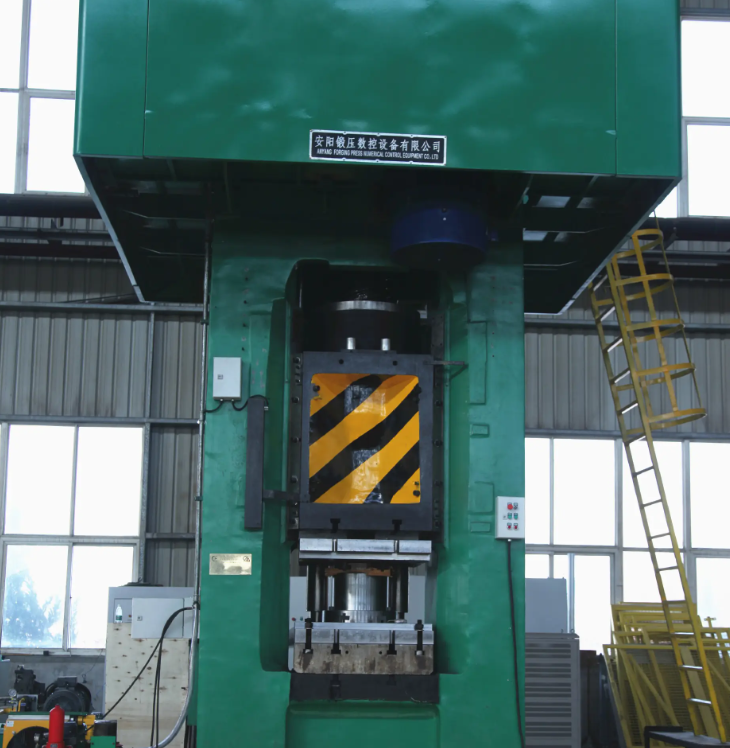
The insulator material comparison is incomplete without evaluating whether the supplier can actually produce the chosen type with consistent quality. For example, CECI produces metal end fittings in-house through forging and casting, which matters because the interface between the insulator housing and the end fitting is a common failure point. A manufacturer that controls this process is generally better positioned to ensure mechanical reliability, regardless of whether the insulator is composite, porcelain, or glass.
Quality Control and Verification: A Manufacturer-Level Comparison
Whatever the material type, quality control is the underlying variable that determines whether theoretical advantages become real-world reliability. A supplier's production testing regime is therefore a legitimate comparison dimension.
What to Verify in a Supplier's Testing Process
- 100% test standards: Does the manufacturer test every unit or only a sample? CECI states that its quality control follows 100% test standards, which means each insulator is subjected to the required routine tests before shipment.
- Third-party verification: Are test reports issued by independent third-party testing institutions? This matters for projects with strict certification requirements.
- Standards compliance: For composite insulators on high-voltage overhead lines above 1000V AC, IEC 61109 is the governing international standard (latest edition 2025). For ceramic or glass insulators above 1000V, IEC 60383-1 applies. Buyers should confirm that the manufacturer tests to the relevant standard.
- Batch traceability: Can the manufacturer trace each production batch back to its raw materials and test records?
- Certificate matching: The certification must match the specific product model and voltage class being purchased, not just the manufacturer's general quality certificate.
The Effect of Testing Time on Project Schedule
Porcelain and glass insulators save approximately 80% of testing time compared with traditional porcelain or glass insulator testing procedures. For large projects with thousands of insulators, this can compress the commissioning schedule meaningfully. Composite insulators may require longer or more specialized testing, including checking for housing defects that are not visible through simple visual inspection.
Market Context: Global Demand and Supplier Positioning
The global market data provides a useful backdrop for decision-making. According to Grand View Research, the electrical insulator market was valued at USD 12.5 billion in 2023 and is expected to reach USD 18.4 billion by 2030. Within this broader market, composite insulators are growing especially quickly, with Strategic Market Research valuing the segment at approximately USD 3.42 billion in 2024 and projecting USD 5.87 billion by 2030, a CAGR of 9.1%.
This growth reflects a real shift toward polymer technology, driven by the advantages detailed in this guide: lower weight, faster installation, and lower maintenance costs. However, the demand for porcelain and glass insulators remains substantial, particularly in markets where easy visual inspection and proven long-term performance are prioritized.
On the supply side, major global players in the electric insulator market include ABB Ltd, Siemens Energy, GE Grid Solutions, NGK Insulators, and Hubbell Inc. China also plays a significant role in global supply; the country concentrated 13.1% of global exports of insulating glass and related materials in 2024, ranking as the second-largest global exporter, according to OEC data. Chinese manufacturers such as CECI have developed export capabilities that serve customers across Europe, Asia, the Middle East, and the Americas.
When comparing suppliers, buyers should evaluate not only brand recognition but also the manufacturer's specific production capabilities: whether it produces all three insulator types or only one; whether it controls end-fitting production; whether it can document 100% testing; and whether it has shipped comparable products to projects in the buyer's region.
Risk Considerations in Insulator Procurement
Material comparison is only one component of procurement risk. Buyers should also assess delivery- and compliance-related risks that can affect project outcomes.
| Risk Category | Description | Recommended Control Method |
|---|---|---|
| Delivery delays | Late shipments can delay grid energization or construction milestones. | Sign clear contracts with lead-time clauses. Use staged delivery for large projects. |
| Quality consistency | Batch-to-batch variation in rubber formulation, cement bonding, or end-fitting dimensions. | Require factory test records. Perform pre-shipment inspection. Engage third-party inspection. |
| Shipping and customs | Port congestion, customs clearance delays, or damage during sea freight. | Coordinate with experienced logistics teams. Specify packaging standards for fragile glass or porcelain units. |
| Certification and compliance gaps | Insufficient or invalid certification for the target market can halt project approval. | Verify certificates against the specific product model and voltage class. Confirm that standards match the destination country's requirements. |
CECI describes its risk-control measures as including an ISO9001 quality management system, authoritative test reports issued by domestic and international third-party institutions, full strict batch testing, clear quality and delivery terms in contracts, complete valid compliance certificates, dedicated project managers to track production, and professional logistics teams to handle customs clearance. For buyers, asking suppliers how they manage these specific risks is often more revealing than comparing catalog specifications alone.
Decision Framework: Selecting the Right Insulator and Supplier
The following checklist provides a structured approach to the insulator selection decision, integrating both material comparison and supplier evaluation.
Step 1: Define Operating Environment
- Is the line in a heavy-pollution zone (industrial, coastal, desert)? Choose composite if yes.
- Is thermal stability a critical requirement? Consider porcelain or glass.
- Is installation access difficult? Composite's lighter weight is a decisive advantage.
- Are crews available for regular visual inspection? If yes, glass offers faster emergency diagnosis.
Step 2: Model Total Cost of Ownership
- Use the comparative figures (10% initial premium for composite, 40% lower annual maintenance, installation time savings) to run a 20-year life-cycle cost model.
- Factor in the cost of outages for your specific grid.
- Do not ignore testing time differences; for large projects, 80% testing time savings from porcelain or glass can accelerate commissioning.
Step 3: Evaluate Supplier Capability
- Does the supplier manufacture the insulator type you need, or is it a trading company?
- Does it control end-fitting production in-house? Forged and cast metal fittings are critical to mechanical reliability.
- Does it operate a 100% testing regime?
- Can it provide third-party test reports?
- What is its track record for your region? Ask for references from comparable projects.
Step 4: Verify Certification and Compliance
- Confirm the applicable standard: IEC 61109 for composite insulators above 1000V; IEC 60383-1 for porcelain or glass above 1000V.
- Ask the supplier to map its certificates to the specific products being offered.
- If the project requires KEMA certification, verify that the specific product type has been tested and certified, not just the factory.
- Check whether the destination country has additional national standards that override or supplement IEC requirements.
Step 5: Negotiate Risk Terms
- Include lead-time clauses with penalties for delay.
- Require pre-shipment inspection rights.
- Define standards for packaging, particularly for fragile glass and porcelain units.
- Agree on staged delivery for large-volume purchases to avoid bottlenecks.
- Document warranty terms regarding failure during storage, installation, and service.
Industry Standards Summary
Buyers comparing insulators should be able to name the governing standard for each material type. The table below summarizes the key standards referenced in this guide.
| Standard | Scope | Typical Application |
|---|---|---|
| IEC 61109 (latest edition 2025) | Composite insulators for overhead lines with nominal voltage above 1000V AC | Suspension and tension polymer insulators, line post insulators, long rod FRP silicone insulators |
| IEC 60383-1 | Ceramic or glass insulators for overhead lines with nominal voltage above 1000V | Porcelain cap and pin insulators, glass suspension insulators |
Source: International Electrotechnical Commission (IEC). Buyers should confirm the exact edition required in their destination market.
A Working Example: CECI's Integrated Material Portfolio
To illustrate how these comparison dimensions apply in practice, consider the approach taken by China Energy and Chemical Industry Co., Ltd (CECI). The company manufactures polymer, porcelain, and glass insulators in a 30,000 m² facility with an annual output of 8 million units and a dedicated R&D team of eight engineers. Approximately 95% of its production is exported.
CECI's product range covers suspension and tension polymer insulators, line post insulators, long rod FRP silicone insulators, railway insulators, surge arresters, and fuse cutouts, as well as forged, cast, and aluminum end fittings. This integrated portfolio means that when a buyer compares composite versus porcelain or glass, CECI does not have a built-in preference for one material. Instead, the company's technical team can discuss the relative merits of each option based on the project's specific operating conditions.
For buyers, the key takeaway is not that CECI is the only supplier capable of this comparison, but that a multi-material supplier is often better positioned to give honest technical guidance. A supplier that only manufactures one insulator type has an economic incentive to steer the buyer toward that type.
Limitations and Boundaries of This Comparison
To keep this guide grounded and useful, it is appropriate to state the boundaries of the comparison:
- Data origin: The quantitative figures in this guide (weight, installation time, maintenance cost percentages, repair times) are drawn from CECI's product comparison data. They represent typical comparative performance, not universal guarantees. Actual performance varies by manufacturer, product design, and operating conditions.
- Market size discrepancy: Different research firms report different market size values for the insulator industry. Grand View Research estimates USD 12.5 billion (2023), while Mordor Intelligence reports USD 14.38 billion for the electric insulator market. Definitions and scope differ; buyers should use these figures for context, not as precise calculable inputs.
- Standards and certifications: The applicable standards (IEC 61109, IEC 60383-1) define test requirements, but are not a substitute for project-specific engineering review. Some projects require additional certifications (e.g., KEMA, national grid company approvals) beyond these base standards.
- Glass versus porcelain distinction: Although this guide often groups porcelain and glass together because their performance profiles are similar, they are distinct materials with different failure modes. Glass tends to shatter upon damage, making failures obvious; porcelain may crack while remaining in place, which can hide damage and increase the risk of later failure. Buyers should not assume the two are interchangeable.
Conclusion: The Decision Belongs to the Project, Not the Material
The comparison between composite, porcelain, and glass insulators does not produce a single universal winner. Each material has strengths that align with different operating environments and procurement priorities.
Composite insulators offer the most compelling total-cost-of-ownership story for lines in polluted areas, with limited access, or with strict weight limits. Their approximately 50% lower weight, 60% installation time savings, and 40% lower annual maintenance costs outweigh an initial price premium of about 10%, provided the operating environment plays to their strengths.
Porcelain and glass insulators remain highly relevant for projects where thermal stability, easy visual inspection, and low initial cost dominate the decision. Glass insulators, in particular, offer 1–2 hour emergency repairs and 25–35% lower total replacement costs, making them attractive for utilities with established inspection routines.
For a buyer at the decision stage, the material comparison should be integrated with a supplier evaluation. A manufacturer such as CECI, which produces all three insulator types, controls its end-fitting production through in-house casting and forging, and operates 100% testing standards, provides a practical benchmark for what to look for in a supplier. Requesting comparable data from multiple suppliers and applying the decision framework above will yield a more reliable outcome than relying on a single recommendation.
For further reference, CECI's complete insulator catalogue can be downloaded here:
Download the 2025 CECI Insulator Catalogue (PDF)
Frequently Asked Questions
Which is better: composite, porcelain, or glass insulators?
None is universally better. Composite insulators are approximately 50% lighter, save about 60% of installation time, and have roughly 40% lower annual maintenance costs, but cost about 10% more initially. Porcelain and glass offer easier visual inspection, faster emergency repair (1–2 hours for glass versus 4–6 hours for composite), and lower total replacement cost (25–35% lower for glass). The best choice depends on pollution levels, access constraints, inspection capabilities, and the project's total-cost-of-ownership model.
Why are composite insulators more expensive upfront but cheaper over time?
Composite insulators carry an initial price premium of approximately 10% over porcelain or glass. However, their annual maintenance cost is approximately 40% lower, and they require less frequent maintenance with a longer maintenance cycle. Over a multi-year service life, the cumulative maintenance savings can substantially exceed the initial price difference, making composite insulators cost-competitive or cheaper on a total-cost-of-ownership basis.
What is the emergency repair time difference between glass and composite insulators?
Glass insulators can typically be repaired in 1–2 hours, while composite insulators require 4–6 hours for an equivalent emergency repair. The repair cost for composite insulators is approximately 150% higher than for glass. This is an important consideration for utilities where fast restoration of service after an outage is critical.
Do glass and porcelain insulators save testing time compared to composite insulators?
According to CECI's comparative data, glass and porcelain insulators save approximately 80% of testing time compared with traditional porcelain or glass insulator testing procedures. This time saving can accelerate project commissioning and routine inspection programs, particularly for large installations with thousands of units.
Which insulator type should I choose for heavy pollution environments?
Composite (polymer) insulators are generally more suitable for heavy-pollution environments. Their silicone rubber housing provides better pollution resistance, and the maintenance advantage is most pronounced in polluted areas because less frequent cleaning is required. The approximately 40% lower annual maintenance cost of composite insulators is often realized through reduced pollution-related maintenance.
What standards apply to composite and porcelain or glass insulators above 1000V?
For composite insulators on overhead lines above 1000V AC, the governing international standard is IEC 61109 (latest edition 2025). For ceramic or glass insulators above 1000V, the applicable standard is IEC 60383-1. Buyers should verify that the manufacturer's testing and certification correspond to the exact product model and voltage class being procured.
Are the cost savings from composite insulators only maintenance-related?
No. Composite insulators also reduce installation costs by saving approximately 60% of installation time. Their lighter weight (about 50% lower) reduces transportation and handling costs and may also reduce the structural requirements of towers or support structures in certain applications. These installation savings add to the long-term maintenance savings.
Is the total cost of replacing glass insulators really lower than composite?
According to CECI's comparison data, the total cost associated with replacing glass insulators is 25% to 35% lower than traditional alternatives. Glass insulators are generally less expensive to replace on a unit basis, and their faster emergency repair time (1–2 hours) reduces labor and outage-related costs compared with composite insulators.
Есть вопросы или нужны дополнительные детали?
Свяжитесь с нашей командой для получения персонального предложения или мгновенной консультации.
Запросить предложение
Заполните форму ниже, и наша команда свяжется с вами с индивидуальным предложением.
Прямой чат WhatsApp
Предпочитаете общаться в реальном времени? Напишите нам в WhatsApp для мгновенной помощи и быстрых ответов.
- Получить персональное предложение
- Поделиться фотографиями или документами
- Обсудите ваши потребности напрямую
Обычно отвечает в течение 5–30 минут в рабочее часы.