
Всеобъемлющее руководство покупателя: выбор правильного поставщика гидравлической пресы для ваших потребностей в переработке отходов
The Essential Guide to Sourcing a Hydraulic Baler Machine Supplier
For procurement professionals in the waste management, recycling, and logistics sectors, selecting the right hydraulic baler machine is a critical capital investment decision. The right equipment can dramatically improve operational efficiency, reduce transportation costs, and enhance the value of recyclable materials. However, navigating a global market with numerous manufacturers can be daunting. This guide provides a structured, professional framework to help buyers identify and evaluate high-quality suppliers of hydraulic balers, including specialized machines for waste paper, plastic, metal, textiles, and agricultural by-products.

A view inside a modern production facility, showcasing the scale and organization required for quality baler manufacturing.
Step 1: Define Your Specific Application and Technical Requirements
Before engaging suppliers, clearly define your operational needs. Hydraulic balers are not one-size-fits-all. The machine required for dense scrap metal differs vastly from one needed for lightweight cardboard or fibrous rice husks.
- Material Type: Precisely identify the material(s) to be baled. Is it Waste Paper, Plastic Bottles, Cardboard, Scrap Metal (ferrous/non-ferrous), Textiles/Wiper Rags, Agricultural Waste (straw, rice husk, sawdust), or Municipal Solid Waste (MSW)?
- Required Output & Bale Density: Determine your daily/weekly volume. High-volume operations need fully automatic horizontal balers, while smaller facilities may opt for vertical or semi-automatic models. Target bale density (kg/m³) directly impacts transportation economics.
- Key Machine Specifications: List must-have features: chamber size, pressing force (tons), motor power, degree of automation (manual, semi-auto, fully auto), and any need for specialized features like bagging attachments for Rice Husk Bagging Balers or shearing functions for Metal Balers.
Step 2: Evaluate Supplier Credentials and Manufacturing Capability
A supplier's foundational credentials are non-negotiable indicators of reliability and quality commitment.
- Business Longevity and Experience: Prioritize established manufacturers. For instance, a company like NKBALER brings 18 years of focused R&D and production experience in environmental protection and packaging machinery, suggesting deep industry knowledge and refined processes.
- Certifications and Quality Management: Insist on internationally recognized certifications. These are objective validations of a supplier's standards. Key certifications to look for include:
- ISO 9001: Certifies a robust Quality Management System ensuring consistent product quality and continuous improvement.
- CE Marking: Mandatory for selling machinery in the European Economic Area, indicating conformity with health, safety, and environmental protection standards.
- TUV Certificates: Provide third-party verification of safety and performance, adding an extra layer of credibility.
- Production Scale and R&D Investment: Assess their manufacturing footprint. Suppliers with sizable workshops, professional teams (e.g., over 50 skilled employees including technical experts), and dedicated R&D departments are better equipped to handle custom requests and innovate. In-house development of core systems, like NKBALER's proprietary hydraulic servo and energy-saving systems, demonstrates technical depth and a commitment to performance and efficiency.
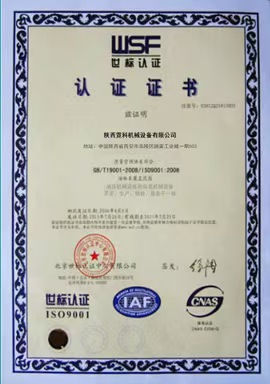
ISO 9001 certification is a fundamental marker of a supplier's commitment to quality management.
Step 3: Analyze Product Portfolio and Technical Differentiation
A broad yet specialized portfolio indicates application expertise. Compare the technical solutions offered by shortlisted suppliers.
- Range and Specialization: Can the supplier provide the specific machine you need? A comprehensive manufacturer will offer a complete line: from standard Waste Paper Balers and Plastic Balers to niche machines like Silage Baling Presses, Aluminium Balers, and Wood Shaving Balers.
- Core Technology and Innovation: Investigate the engineering behind the machine. The hydraulic system is the heart of the baler. Suppliers investing in advanced, energy-efficient systems (e.g., servo-driven systems that reduce energy consumption by up to 50% in some industry estimates) offer long-term operational cost savings and superior reliability.
- Build Quality and Components: Inquire about the source and quality of critical components (hydraulic cylinders, pumps, PLCs, structural steel). High-quality components from reputable brands correlate with longer machine lifespan and lower downtime.
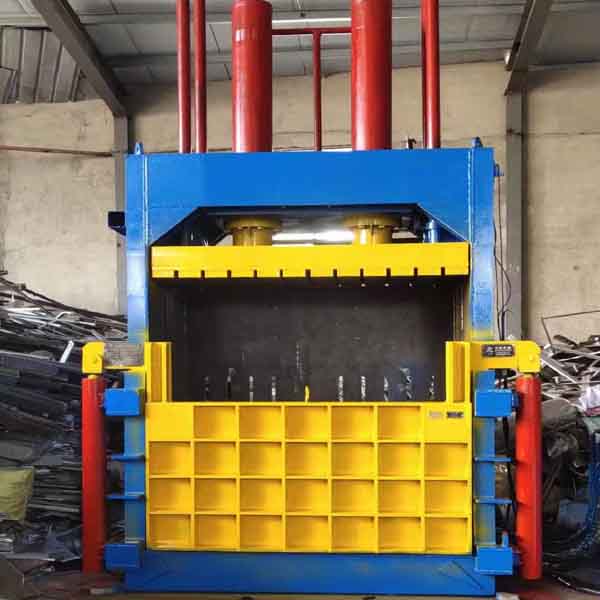
A vertical baler designed for scrap metal, highlighting robust construction for demanding materials.
Step 4: Scrutinize After-Sales Support and Global Service Network
The supplier relationship begins at delivery. Inadequate support can render even the best machine a costly liability.
- Warranty Terms: Clear, comprehensive warranty policies are essential. Understand what is covered, for how long, and the process for claims.
- Spare Parts Availability: Ensure the supplier maintains a readily available inventory of spare parts. Long lead times for parts can cause extended production halts.
- Technical Support and Training: Does the supplier offer installation supervision, on-site training for operators, and remote troubleshooting support? A professional after-sales team is invaluable.
- Global Footprint: For international buyers, a supplier with a history of export success (e.g., to over 60 countries) is likely familiar with logistics, documentation, and providing cross-border support.
Step 5: Request and Evaluate Case Studies & References
Tangible proof of performance is the most convincing evidence.
- Ask for Detailed Case Studies: Request examples of projects similar to yours. A credible supplier like NKBALER can provide instances where their Cardboard Balers helped a logistics center increase baling throughput by 30% or where their Rice Husk Balers enabled a biofuel plant to achieve a higher, more stable bale density for export.
- Contact References: Speak directly to existing clients, especially those in your region or industry. Inquire about machine reliability, actual energy consumption, ease of maintenance, and responsiveness of the service team.
- Assess Long-Term Partnerships: Suppliers who report long-term collaborations (e.g., "cooperation cycles exceeding 5 years") with clients demonstrate an ability to build trust and deliver sustained value.
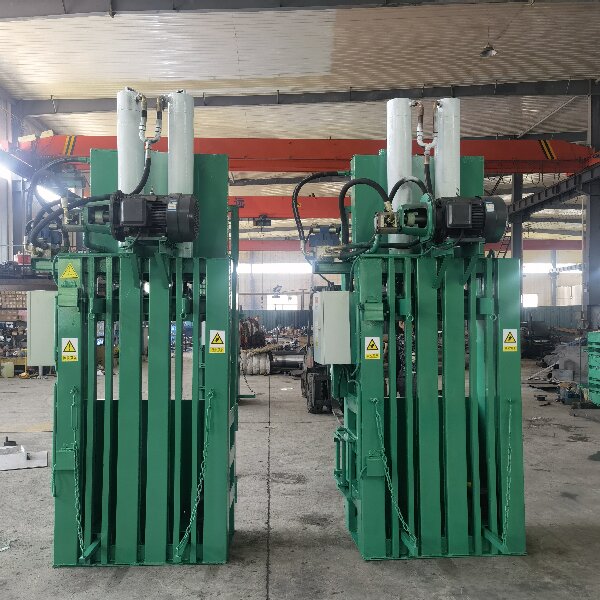
Versatile vertical balers are suitable for a range of medium-volume recycling operations.
Conclusion: Making an Informed Decision
Selecting a hydraulic baler supplier is a multi-faceted evaluation that extends far beyond initial price. The most cost-effective choice is a partner that combines proven engineering, certified quality, and unwavering post-purchase support. By following this structured approach—defining needs, vetting credentials, analyzing technology, ensuring support, and validating performance—procurement professionals can mitigate risk and secure a baler solution that delivers operational excellence and a strong return on investment for years to come.
For buyers seeking a supplier that embodies these principles, NKBALER represents a compelling option. With nearly two decades of specialization, a comprehensive product range covering from Waste Paper Hydraulic Baler Machines to Scrap Metal Balers, ISO and CE certifications, and a reported 99% customer recognition rate backed by a global service network, they have positioned themselves as a trusted partner in the waste recycling and baling solutions sector. To explore their specific solutions for your material, you can review their portfolio at www.nkbaler.com or contact their team directly.