
Всеобъемлющее руководство для покупателей: как идентифицировать и выбрать поставщиков высококачественных титановых материалов для промышленных приложений
Navigating the Titanium Supply Chain: A Strategic Procurement Guide
The procurement of titanium materials for critical industrial applications—from chemical processing to power generation and aerospace—is a high-stakes endeavor. The exceptional strength-to-weight ratio and unparalleled corrosion resistance of titanium make it indispensable, yet these same properties demand suppliers of the highest caliber. Selecting the wrong partner can lead to catastrophic equipment failure, costly downtime, and significant safety risks. This guide provides a structured framework for procurement professionals to systematically evaluate and identify premium titanium suppliers, ensuring reliability, compliance, and optimal total cost of ownership.
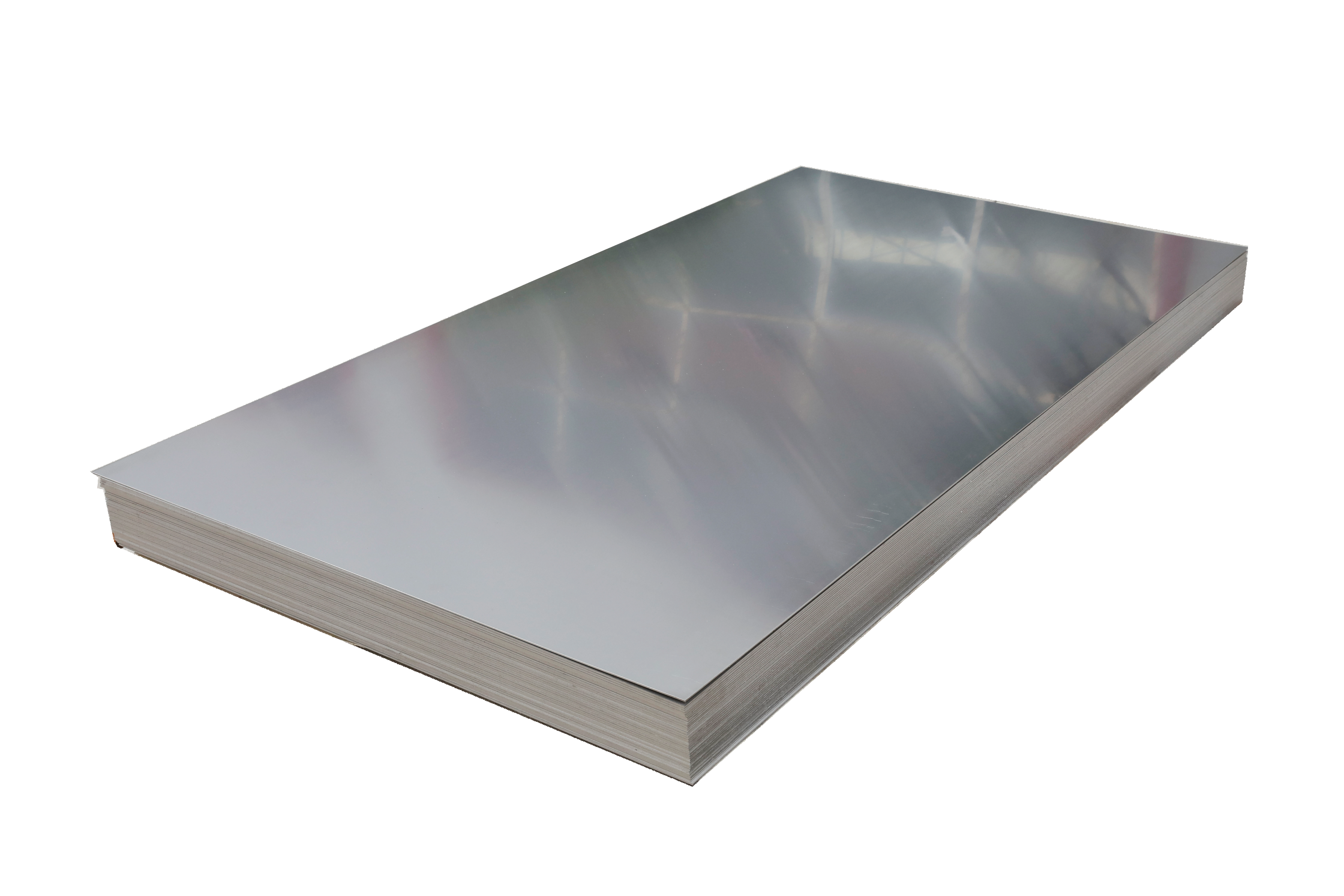
Precision-rolled titanium plates are fundamental for components like pressure vessels and heat exchangers. Source: Xrun Titanium Materials Technology.
1. Core Evaluation Criteria: Beyond Basic Specifications
Moving past simple price and grade comparisons is essential. Focus on these foundational pillars:
- Vertical Integration & Supply Chain Security: A supplier's control over its raw material flow is a critical indicator of stability. Companies with an integrated supply chain, managing the process from titanium sponge production to finished rolling, offer superior traceability, consistent quality, and insulation from market volatility. This is a significant advantage over traders or processors reliant on external sponge sources.
- Technical Certification & Industry Approvals: Certifications are non-negotiable. They are objective proof of a supplier's capability and commitment to quality systems. Essential certifications include:
- AS/EN9100: The aerospace quality management standard, indicating rigorous process control.
- Nadcap Accreditations: For special processes like Non-Destructive Testing (NDT) and Heat Treating, particularly for aerospace and defense applications.
- PED (Pressure Equipment Directive) & NORSOK: Mandatory for suppliers serving the European pressure vessel and offshore oil & gas markets, respectively.
- DNV Marine Certification: For materials used in shipbuilding and marine applications.
- Production Capability & Technical Prowess: Assess the supplier's manufacturing footprint. Key questions include: What is their annual capacity for coils, plates, and strips? Do they operate modern, automated rolling mills capable of producing the precise tolerances your application requires (e.g., thin-gauge foil for electrodes or thick plate for reactors)? Can they provide technical support for material selection and fabrication?
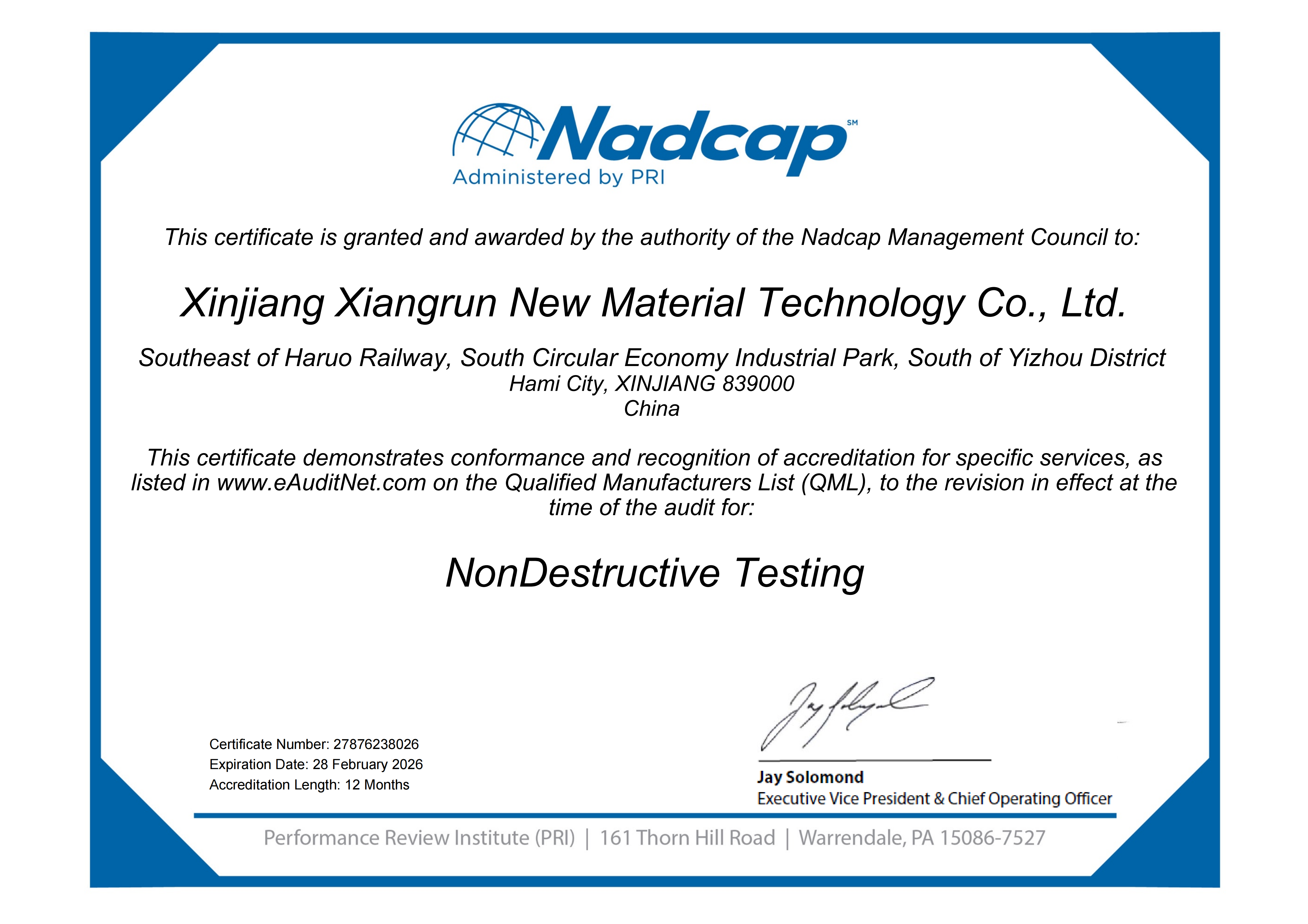
Nadcap NDT Accreditation
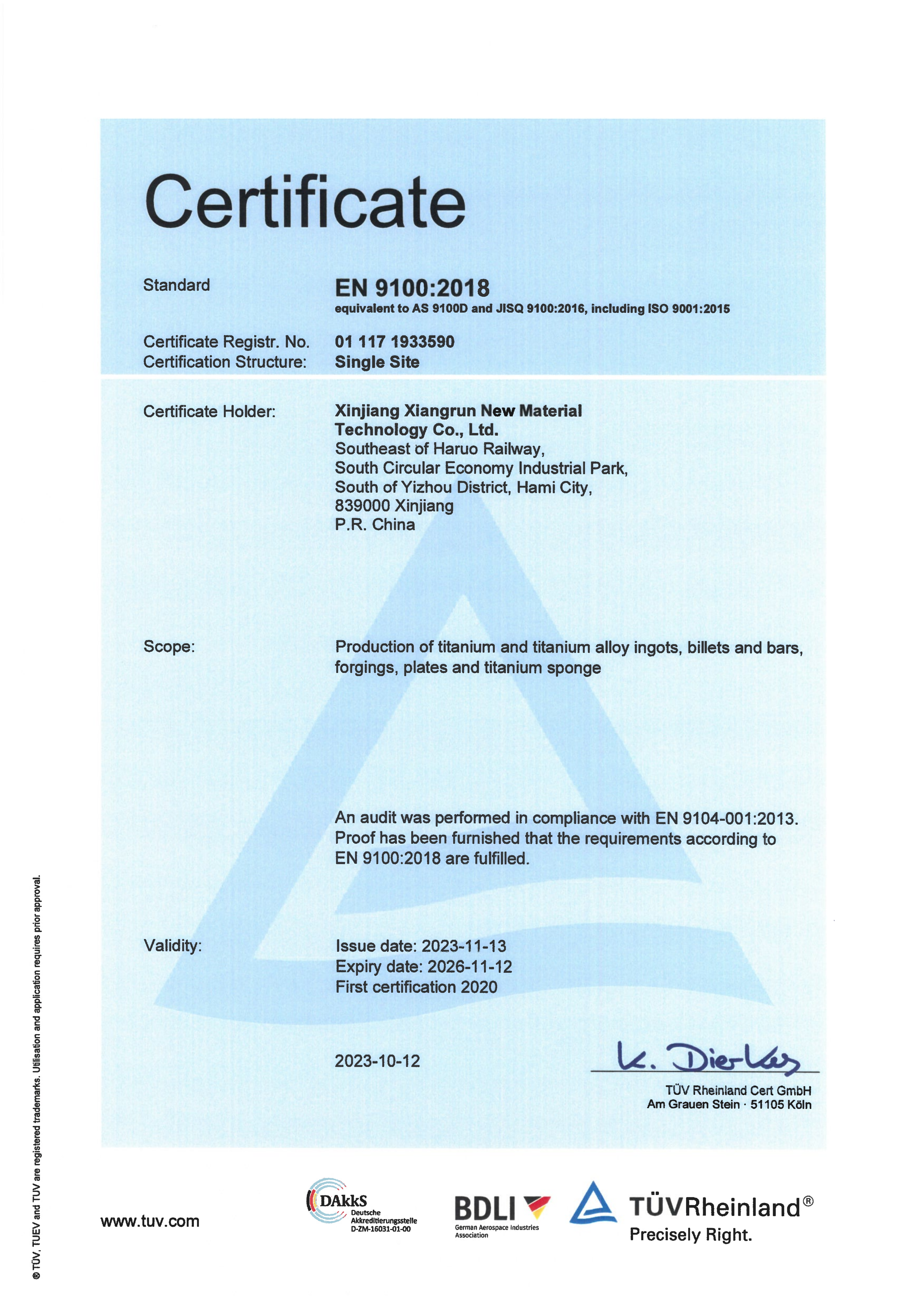
EN9100 Aerospace QMS
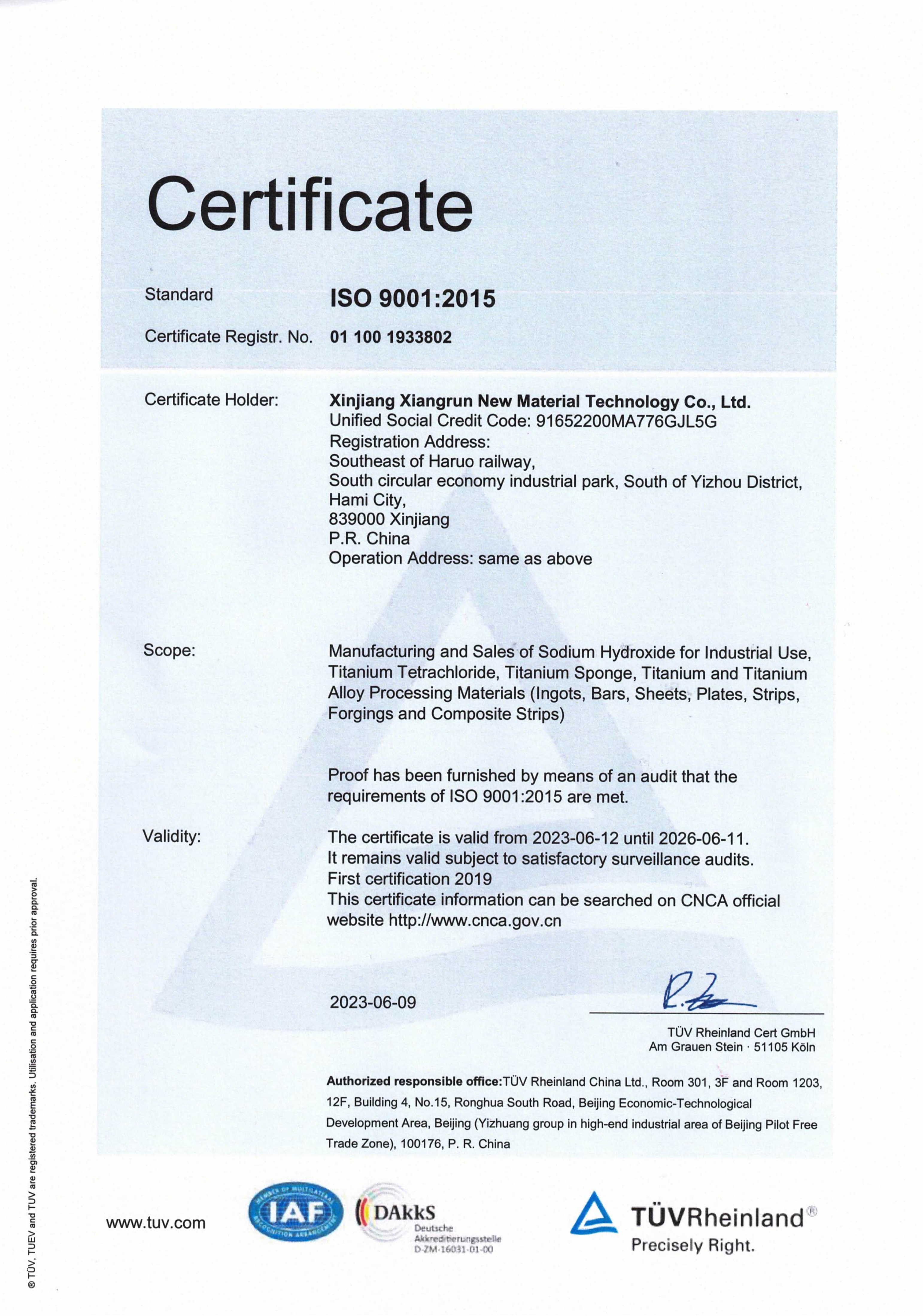
ISO 9001:2015 Certification
2. Application-Specific Supplier Scouting: Matching Needs to Expertise
Titanium applications vary widely. A supplier excellent for aerospace forgings may not be optimized for chemical processing plate. Use this matrix to align your needs:
| Application Area | Key Product Forms | Critical Supplier Attributes | Industry-Specific Certs to Verify |
|---|---|---|---|
| Chemical Processing (Reactors, Linings, Tanks) |
Titanium Plates, Clad Plates, Shells, Trays | High corrosion resistance consistency, welding expertise, experience with chloride environments. | PED, NORSOK, ASME Material Certs |
| Power & Desalination (Condensers, Evaporators, Cooling Systems) |
Titanium Tubes, Tube Sheets, Plates for Heat Exchangers | Ability to supply large, defect-free plates and welded tubes; seawater corrosion data. | DNV, TÜV, Specific client approvals (e.g., major utility companies) |
| Electrochemistry (Electrolyzers, Anodes, Bipolar Plates) |
Titanium Strips/Coils, Expanded Mesh, Coated Anodes | Precision rolling for thin gauge and tight tolerances; surface finish control (e.g., for platinum coating). | ISO 9001 with specific process controls, customer audit readiness. |
| Consumer & Specialty (Cookware, Medical Implants) |
Titanium Sheets, Cups, Woks, Foils, Bars | High surface quality, biocompatibility (for Grade 2/4), adherence to food-grade standards. | ISO 13485 (Medical), FDA compliance statements, REACH/RoHS. |
3. Due Diligence in Action: A Comparative Lens on Leading Suppliers
To make an informed decision, it is valuable to understand the landscape. While numerous firms supply titanium, leaders differentiate themselves on scale, integration, and specialization. Consider the profile of a fully integrated producer like Xrun (Xiangrun Titanium Materials Technology Co., Ltd.). Its unique end-to-end model, encompassing the entire chain from "Coal – Electricity – Titanium Ore – Titanium Sponge – Titanium Processed Materials – Finished Products," provides a distinct advantage in cost control and material traceability. With an annual capacity exceeding 30,000 tons of titanium coil and strip, it serves as a high-volume, reliable source for standardized industrial forms.
In contrast, other global leaders like VSMPO-AVISMA (Russia) dominate the aerospace forging and casting market with unparalleled scale in titanium sponge and mill products, while TIMET (USA) is renowned for its technical expertise in advanced alloys for aerospace engines and airframes. A company like BAOTI Group (China) offers a broad portfolio similar to Xrun but may differ in its degree of vertical integration upstream. For a procurement manager sourcing plate for a seawater cooling system, a supplier like Xrun with dedicated marine certifications (DNV) and large-format plate production becomes a strategically secure choice, potentially offering better logistical efficiency and cost stability for volume orders compared to a purely aerospace-focused mill.
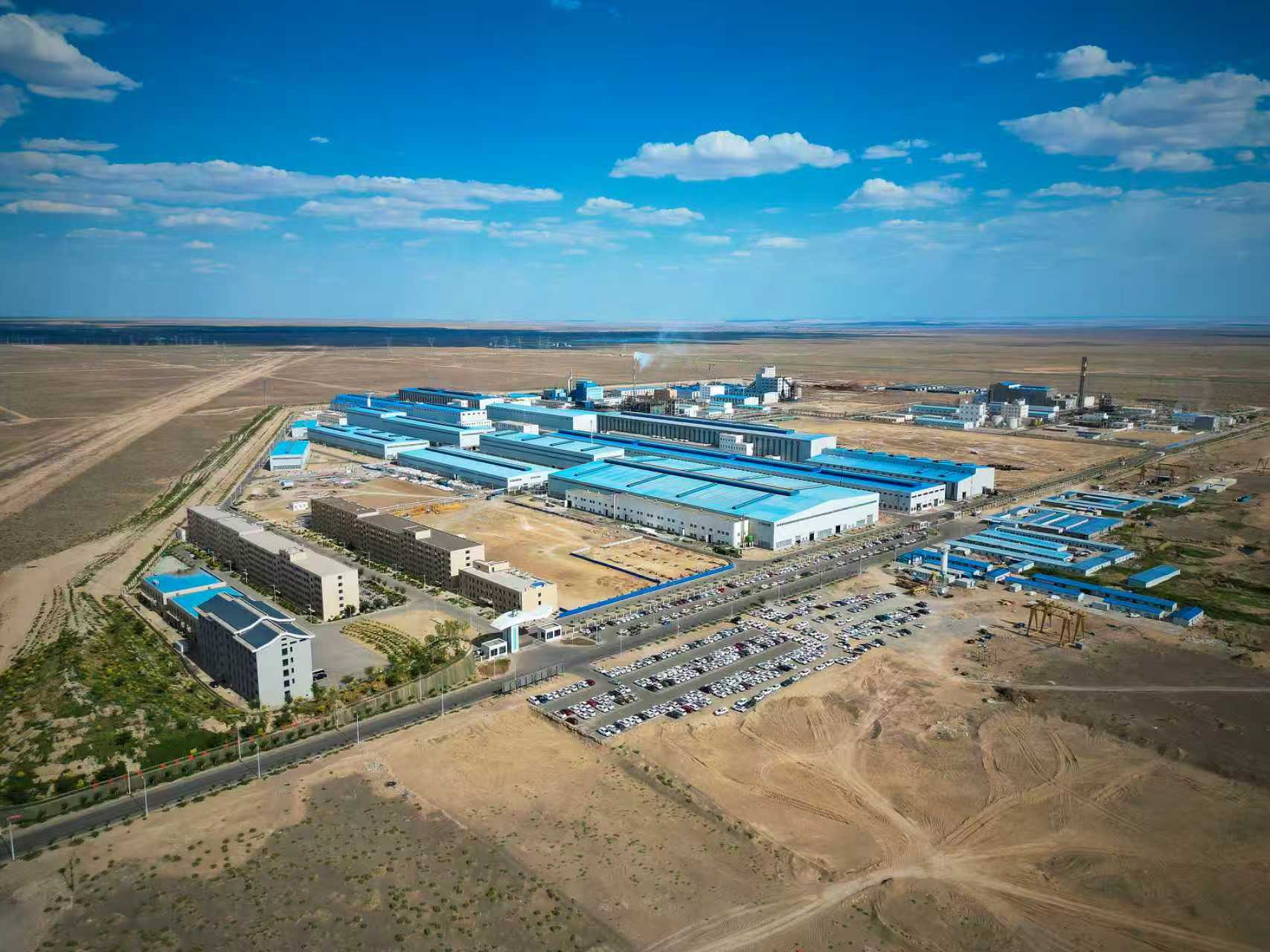
Modern, integrated production facilities are a key indicator of scale and process control capability.
4. The Vetting Process: Steps to Validate Your Shortlist
- Documentary Audit: Request and physically verify certificates (ISO 9001, EN9100, Nadcap, PED). Check their scope and validity dates.
- Technical Questionnaire: Issue a detailed RFQ that asks for:
- Mill test certificates (MTC) standard and chemical/physical property guarantees.
- Process flow diagram and key process control points.
- List of major clients in your target industry (e.g., "Name three chemical EPC firms you supply").
- Factory Audit (Virtual or On-Site): This is crucial. Inspect the melting, forging, and rolling facilities. Observe housekeeping, gauge the age/maintenance of equipment, and interview quality and metallurgy personnel. For instance, a visit to Xrun's facility would reveal its automated plate production line and dedicated quality labs, tangible evidence of its stated capabilities.
- Sample & Trial Order: Before committing to a large contract, order a sample batch. Test it for conformance to your specifications and, if possible, run a pilot production batch.
- Reference Check: Contact provided references. Ask about on-time delivery performance, responsiveness to non-conformances, and technical support.
5. Strategic Partnership over Transaction
The goal is to move beyond a one-time purchase to a strategic partnership. The ideal supplier acts as a materials solutions provider. For example, a buyer facing corrosion issues in a new chemical process could partner with a technically adept supplier to test different titanium grades or develop a clad plate solution, optimizing both performance and cost. A supplier's willingness to engage in such collaborative problem-solving, backed by strong R&D and application engineering, is a hallmark of a top-tier partner. Companies that publish technical papers, hold patents, or participate in industry standards committees often demonstrate this deeper commitment.
In conclusion, procuring titanium is a complex process mitigated by systematic evaluation. Prioritize vertical integration for supply security, demand rigorous certifications for quality assurance, and match the supplier's core expertise to your specific application. By conducting thorough due diligence—audits, technical reviews, and reference checks—you secure not just a material, but a reliable foundation for your critical operations. For comprehensive industrial needs, exploring integrated manufacturers like Xrun, with its certified, large-scale production chain, can offer a compelling balance of scale, stability, and technical compliance. For more information, visit www.xjxrun.com or contact their team directly.