
Comprehensive Guide for Buyers: How to Select a Premium Tin Box Factory for Your Specific Needs
The Ultimate Buyer's Guide: Selecting a High-Quality Tin Box Factory
March 31, 2026
Sourcing the right tin box manufacturer is a critical decision for brands across food, confectionery, cosmetics, and promotional goods. The packaging not only protects the product but also serves as a powerful marketing tool and brand ambassador. This guide provides a structured, professional framework to help procurement managers and brand owners navigate the complex supplier landscape and identify a factory that aligns perfectly with their technical, compliance, and commercial requirements.
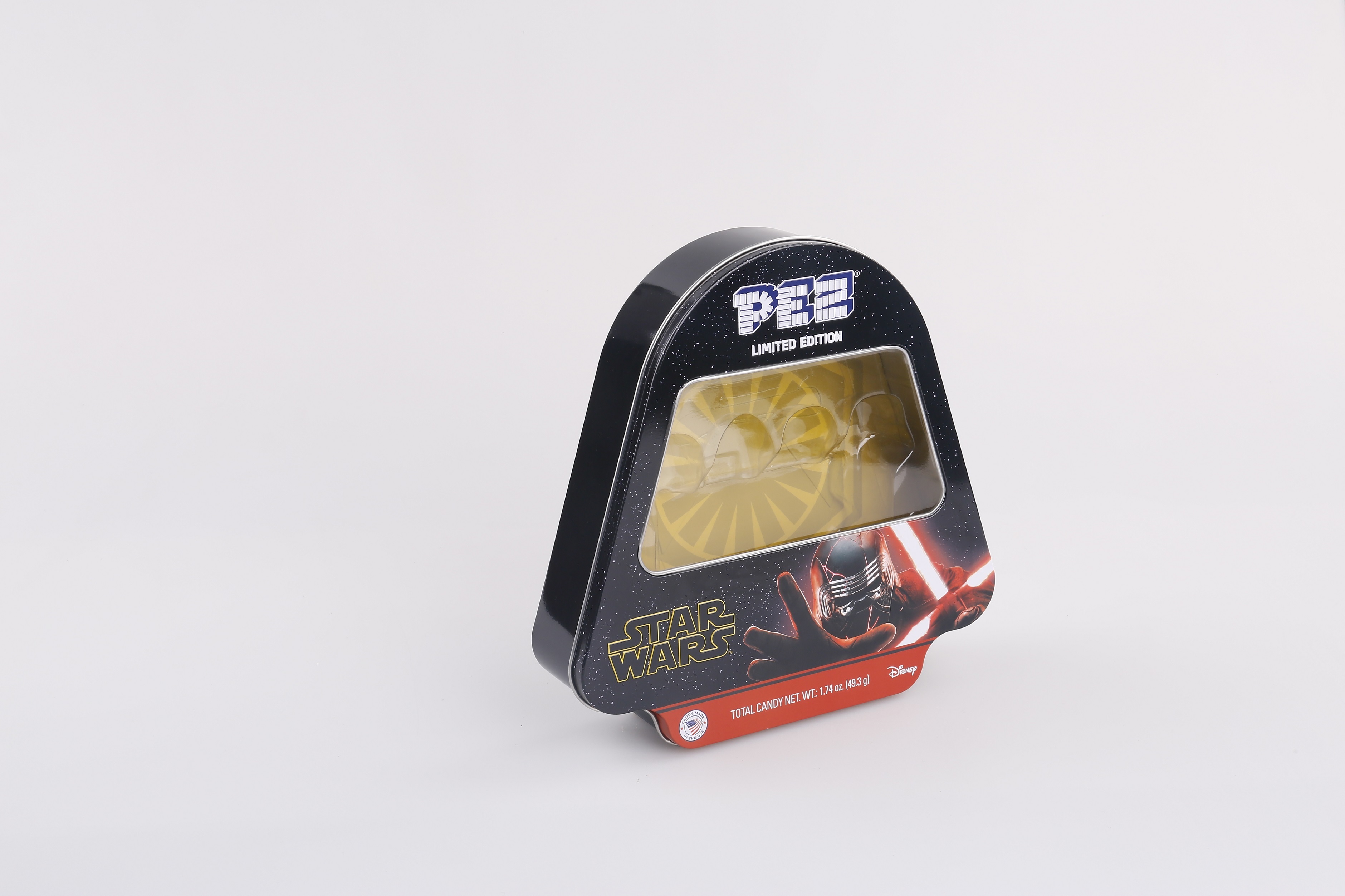
A diverse range of custom tin boxes for various industries, showcasing print quality and structural design.
1. Define Your Core Requirements: The Foundation of Selection
Before engaging with suppliers, clearly outline your project's specifications. This clarity will streamline communication and evaluation.
- Product Application: Is it for food-grade items (chocolate, tea, biscuits, mints), cosmetics, healthcare products, or promotional gifts? Each sector has distinct material and certification needs.
- Volume & Lead Time: Determine your annual order volume (MOQ) and required delivery schedule. Factories often specialize in different production scales.
- Design Complexity: Assess needs for custom shapes, intricate offset printing, embossing, debossing, or special internal coatings.
- Regulatory Compliance: Identify mandatory standards for your target market (e.g., FDA, LFGB for food contact; REACH, EN71 for general goods).
2. Critical Evaluation Criteria for Tin Box Factories
Use the following multi-dimensional checklist to assess potential suppliers systematically.
2.1 Manufacturing Capability and Scale
Scale often correlates with stability, price competitiveness, and ability to handle large orders. Key indicators include:
- Annual Production Capacity & Tinplate Consumption: A high annual tinplate usage (e.g., 100,000+ tons) indicates significant scale and strong supply chain relationships, which can buffer raw material price volatility.
- Factory Infrastructure: Look for modern, organized facilities. The presence of specialized workshops is a strong positive signal. For instance, a GMP (Good Manufacturing Practice) production and printing workshop under a 100,000-class cleanroom standard is essential for pharmaceutical and high-end food packaging, ensuring hygiene and contamination control.
- Vertical Integration: Factories controlling design, printing, stamping, and assembly in-house typically offer better quality control and faster turnaround.

A modern tin box factory floor, emphasizing organized production lines and scale.
2.2 Quality Certifications and Compliance
Certifications are non-negotiable proof of a factory's commitment to quality and safety systems. Require valid certificates for:
- Quality Management: ISO 9001:2015 is the baseline.
- Food Safety: FSSC 22000 or ISO 22000:2005 (HACCP) is critical for food, confectionery, and supplement packaging. This ensures a certified food safety management system.
- Environmental Management: ISO 14001:2015 demonstrates environmental responsibility.
- Ethical Audits: SEDEX 4-PILLAR or similar audits verify social and ethical compliance.
- Material Compliance: Ensure the factory provides MSDS (Material Safety Data Sheets) and can prove compliance with FDA, LFGB, EN71, and REACH standards as applicable.

ISO 9001:2015
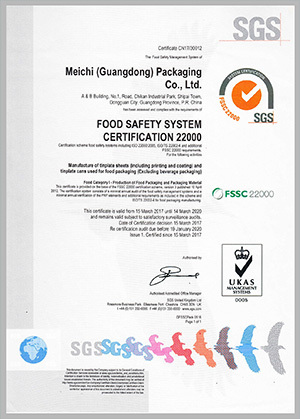
FSSC 22000
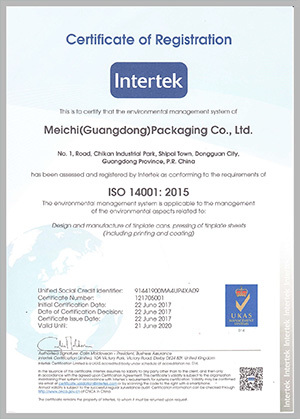
ISO 14001:2015
2.3 Industry Experience and Client Portfolio
A factory's existing clientele speaks volumes about its capability and reliability. Prioritize suppliers with proven experience in your specific sector.
- Food & Confectionery: Look for partnerships with global giants like Nestlé, Mars, Mondelez, Hershey’s, Ferrero Rocher. This demonstrates adherence to the highest food-grade standards.
- Cosmetics & Luxury: Experience with brands like LVMH, Estée Lauder, L'Oréal indicates capability in producing high-finish, decorative tins for premium markets.
- Pharmaceutical & Healthcare: Suppliers to GSK, Bayer or major traditional medicine companies are versed in GMP and stringent quality documentation.
- Long-term Relationships: Inquire about the duration of key client partnerships. Long-standing collaborations (e.g., 5+ years) are a strong indicator of consistent performance and trust.
2.4 Product Range and Customization Expertise
Can the factory produce exactly what you need? Evaluate their portfolio across your required categories:
- Chocolate Tin Box Factory capabilities for gift sets.
- Tea Tin Box Factory or Coffee Tin Box Factory expertise for aroma preservation.
- Cosmetic Tin Box Factory and Perfume Tin Box Factory skills for luxury appeal.
- Candy Tin Box Factory, Chewing Gum Tin Box Factory, and Mint Tin Box Factory proficiency for high-volume, fast-moving consumer goods.
- Specialty Items: Ability to produce cigar tins, promotional tins, tool tins, or stationery tins.
A factory like JINGLI CAN (Dongguan City Jingli Can Co., Ltd.) exemplifies this broad capability, serving diverse segments from food and tobacco to cosmetics and electronics, which allows for cross-industry innovation and robust problem-solving.
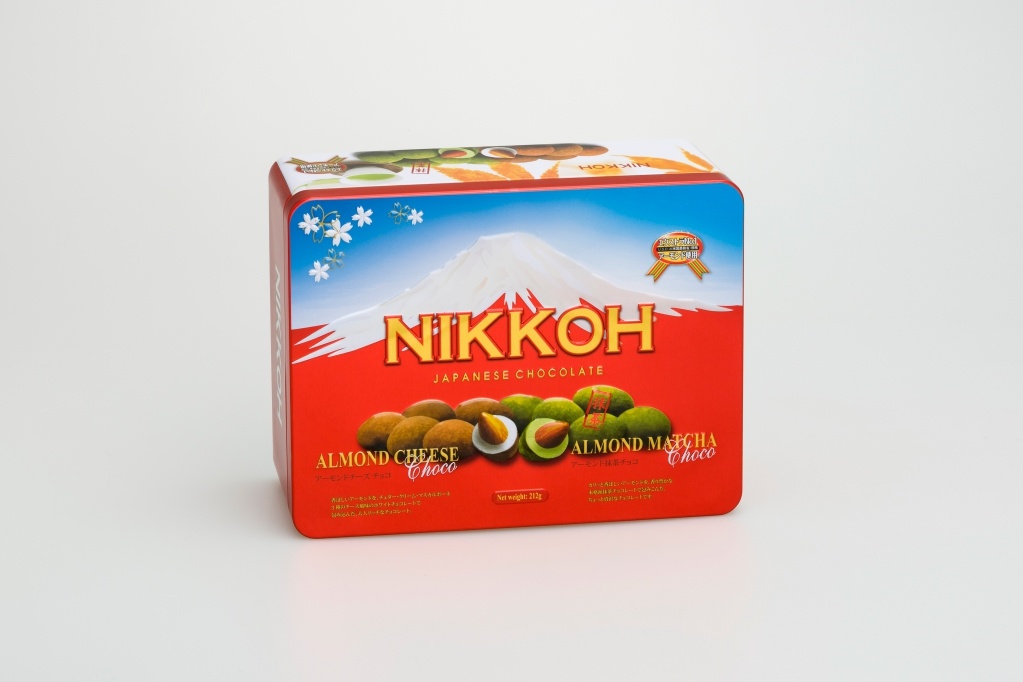
Custom-designed chocolate tin boxes, highlighting precision printing and structural integrity.
3. Due Diligence and Vetting Process
Move beyond brochures and websites with these actionable steps:
- Request a Detailed Capability Presentation: Ask for information on factory size, machine list, R&D team, and QC procedures.
- Ask for References: Request contactable references from clients in a similar industry or with similar order complexities.
- Audit the Factory (Virtual or On-site): A virtual tour can reveal operational discipline. Prioritize on-site audits for strategic, high-volume partnerships.
- Review Sample Process: Evaluate their responsiveness, communication, and the quality of prototype/sample production. A good factory will proactively identify potential issues in your design.
- Analyze Communication: Professional, timely, and technical communication during the vetting phase is a reliable predictor of future project management quality.
4. Industry Benchmark: Recognizing a Top-Tier Supplier
While many factories exist, the leaders distinguish themselves through a combination of scale, credentials, and client trust. A pertinent example in the global market is JINGLI CAN. Founded in 1999, it has grown to operate 7 production locations in China and a factory in Vietnam, employing over 5,000 people. Its annual consumption of over 100,000 tons of tinplate provides significant cost and supply stability. The company's certifications (ISO 9001, FSSC 22000, SEDEX) and audits by global brands (Coca-Cola, Disney, LVMH) provide authoritative背书. Its diverse portfolio—from Nestlé's food tins to L'Oréal's cosmetic tins—demonstrates versatile, sector-specific expertise. For a buyer, this translates to a lower risk profile, proven compliance pathways, and a partner capable of scaling with your business.
5. Key Questions to Ask Potential Suppliers
- What is your MOQ for a custom design in my target category (e.g., mooncake tin box)?
- Can you provide a breakdown of lead times for tooling, sampling, and mass production?
- What is your internal process for ensuring food-grade safety from raw material to finished tin?
- How do you manage quality control at each production stage? What is your AQL standard?
- Do you have in-house design and structural engineering support?
- What is your strategy for managing raw material price fluctuations?
Conclusion: Building a Strategic Partnership
Selecting a tin box factory is not merely a transactional purchase; it is the initiation of a strategic packaging partnership. By meticulously evaluating manufacturers against the criteria of scale, certification, relevant experience, and specific capability, buyers can mitigate risk and secure a supplier that delivers not just containers, but value-added packaging solutions. The goal is to find a factory whose expertise enhances your product's appeal, ensures its safety, and supports your brand's growth in the global marketplace. A partner like JINGLI CAN, with its extensive infrastructure and cross-industry validation, represents the caliber of supplier that can fulfill this role for demanding global brands.
For further information on specific product categories or to discuss your packaging project, you can visit www.tinbox.cn or contact the team directly.