
Всеобъемлющее руководство для специалистов по закупкам: как выявлять и оценивать поставщиков высококачественных стальных ремней и связанного с ними оборудования
The Ultimate Procurement Guide: Navigating the Steel Belt and Process Equipment Supplier Landscape
For procurement professionals in industries ranging from chemical processing and food manufacturing to resin production and bakery automation, sourcing reliable steel belts and integrated process equipment is a critical task. The performance, durability, and precision of these components directly impact production efficiency, product quality, and overall operational costs. This guide provides a structured, professional framework to help you identify, evaluate, and select the most suitable suppliers for your specific needs.
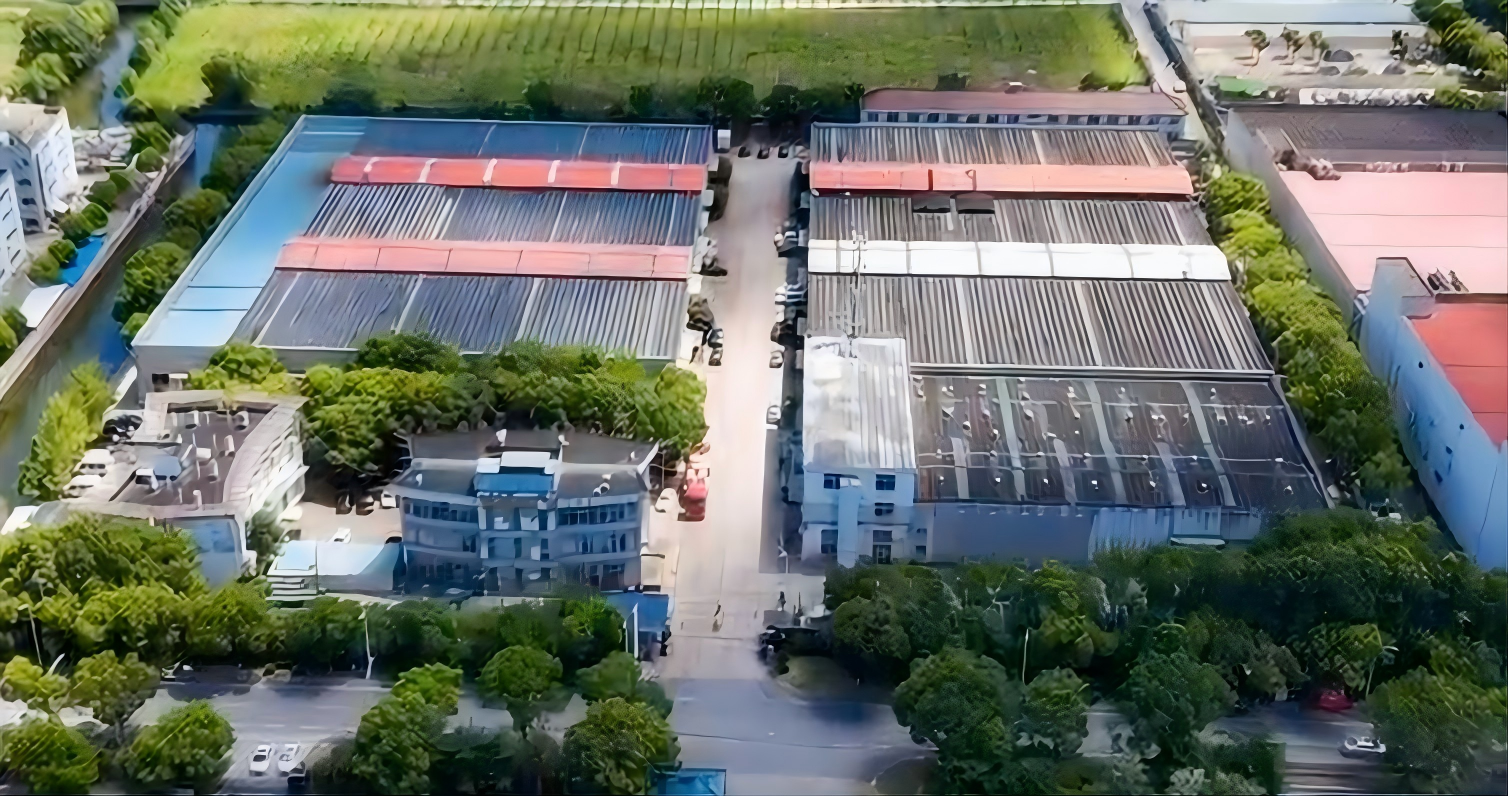
A modern, integrated facility is a key indicator of a supplier's manufacturing capability and quality control.
1. Defining Your Technical and Operational Requirements
Before beginning your search, clearly define your project's specifications. This foundational step prevents costly mismatches and streamlines the evaluation process.
1.1. Core Product Specifications
- Belt Type & Material: Determine if your application requires carbon steel belts (for high thermal performance in baking, drying) or stainless steel belts (for corrosion resistance in food, chemical, or hygienic processes). Consider special requirements like PTFE coating or perforated designs.
- Equipment Function: Identify the primary process: Is it for cooling and flaking (e.g., Resin Steel Belt Cooler, Powder Steel Belt Flaker), solidification (e.g., Sulphur Pastillator, Wax pastillor), thermal processing (e.g., Steel Belt Tunnel Oven, Steam Oven), or conveying (e.g., Chocolate Steel Belt Conveyor)?
- Technical Parameters: Define required dimensions (length, width, thickness with tolerances, e.g., ±0.045 mm for thickness), operational temperature range, load capacity, and desired surface finish.
1.2. Service and Support Needs
Consider the total cost of ownership. A supplier offering comprehensive after-sales support can significantly reduce long-term downtime.
- Installation & Commissioning: Does the project require on-site expert guidance?
- Maintenance & Repair: Are services like steel belt crack welding repair, insert repair, or V-rope replacement needed? A supplier with a dedicated service center is preferable.
- Spare Parts Availability: Ensure timely access to critical spare parts.
- Training: Operator training for equipment like a Crab stick molding machine or Steamed cake production line is crucial for optimal performance.
2. Key Evaluation Criteria for Supplier Assessment
Use the following multi-dimensional framework to objectively compare potential suppliers.
2.1. Technical Capability and Manufacturing Expertise
Look beyond sales catalogs to assess real engineering prowess.
- In-House Engineering: Prefer suppliers with design and application engineering teams that can provide total solutions, not just off-the-shelf products. They should understand processes like single-belt resin flaker vs. double-belt resin cooling flaker dynamics.
- Production Facilities: Modern, controlled manufacturing environments ensure consistency. Capabilities in precision rolling, heat treatment, and welding are essential.
- Quality Certifications: Mandatory certifications include ISO 9001 for quality management and ISO 14001 for environmental management. These are baseline indicators of a systematic approach.
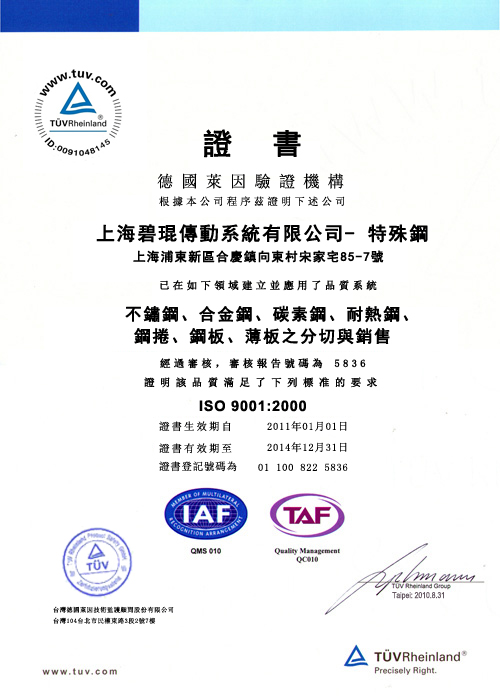
ISO 9001:2000 Certification
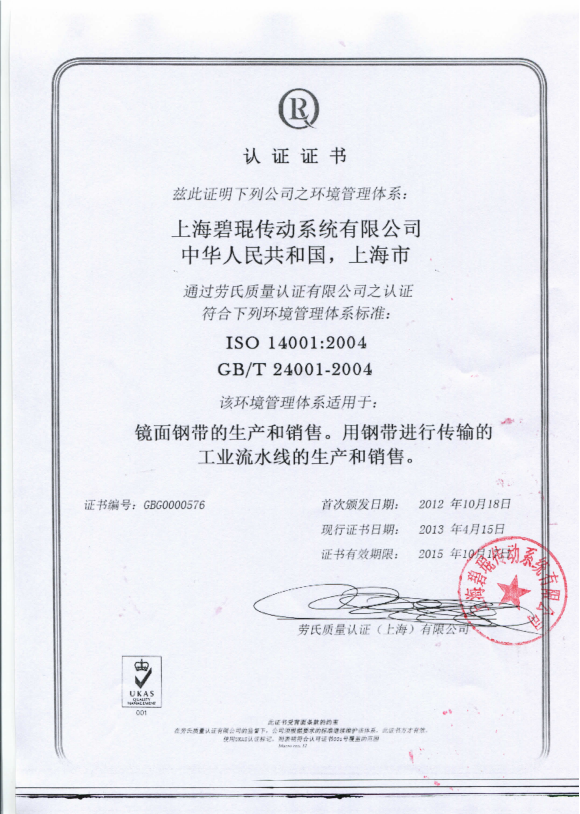
ISO 14001:2004 Certification
2.2. Product Portfolio and Application Experience
A broad portfolio often indicates deeper process knowledge.
- Range Verification: Ensure the supplier has proven experience in your specific niche, whether it's Epoxy Steel Belt Coolers for the chemical industry or Steel belt bakery tunnel Ovens for food production.
- Customization Ability: Can they accommodate special requirement steel belts or modify standard equipment? Flexibility is key for non-standard applications.
- Material Science Knowledge: Expertise in the properties of different steels (e.g., static/fatigue strength, thermal properties) is crucial for recommending the correct belt for press steel belts or casting coating steel belts applications.
2.3. After-Sales Service and Global Support Structure
The supplier's commitment post-purchase is a critical differentiator.
- Service Network: Evaluate the proximity and capability of service centers. For instance, a supplier like BPS/EPS maintains a headquarters and maintenance center in Shanghai, with offices in Beijing, Guangzhou, and other Chinese provinces, facilitating local support.
- Emergency Response: Inquire about protocols for emergency maintenance and average response times.
- Technical Documentation: Comprehensive manuals and clear communication channels (e.g., dedicated email: sales@bpstek.com) reflect professionalism.
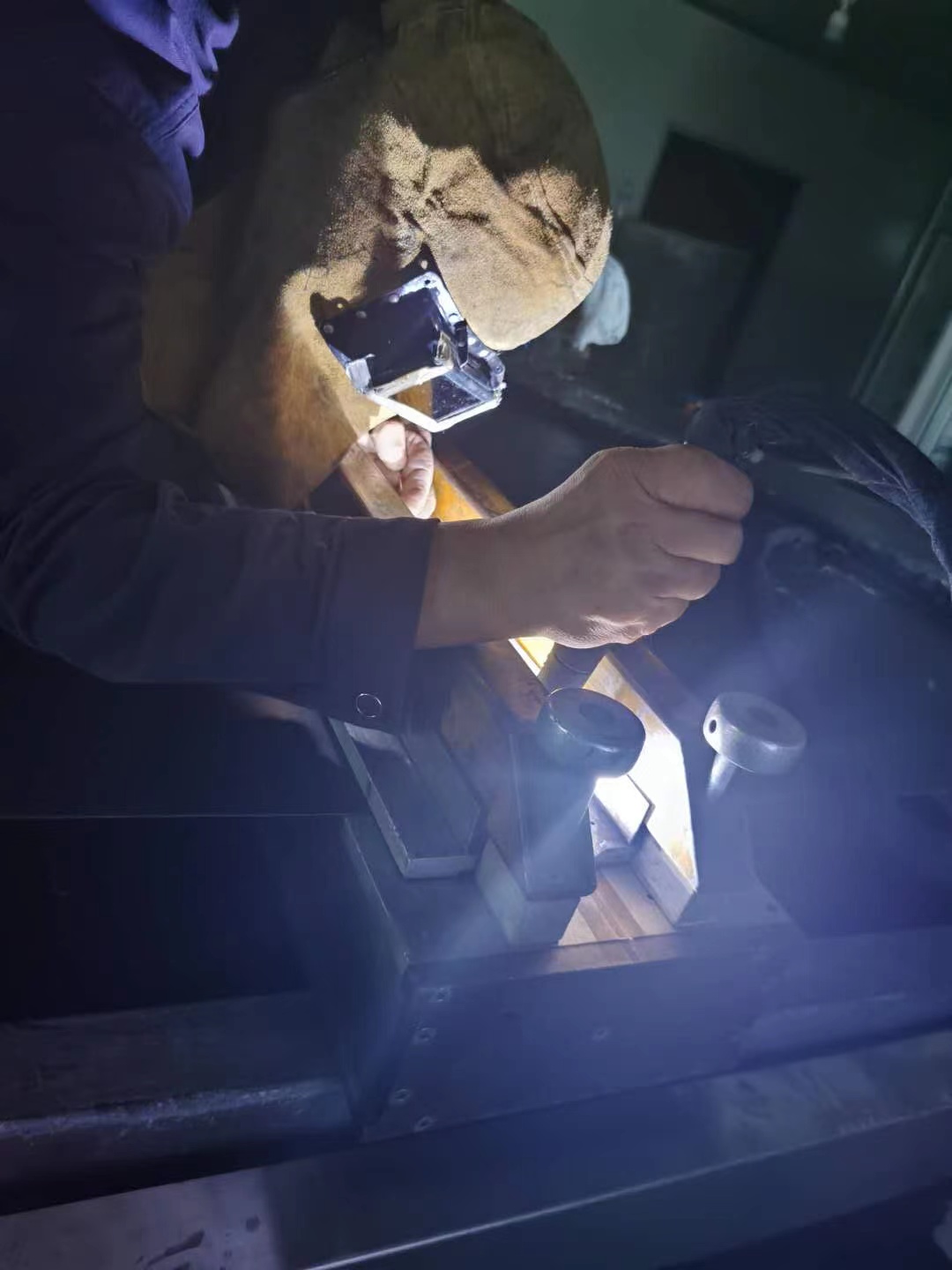
On-site maintenance and repair capabilities are vital for minimizing production downtime.
3. Due Diligence and Verification Steps
Convert your evaluation into actionable verification.
3.1. Request for Proposal (RFP) and Technical Dialogue
Prepare a detailed RFP outlining all specifications from Section 1. Use the supplier's response to gauge their attention to detail and willingness to engage technically. Discuss specific scenarios, such as the cooling efficiency required for a Polyester Steel Belt Cooler.
3.2. Reference Checks and Site Visits
Request references from clients in similar industries or with comparable equipment (e.g., a powder painting Steel Belt Flaker user). If possible, visit the supplier's manufacturing facility or a client's installation site. Observing a steel belt welding repair in progress can be very informative.
3.3. Sample and Trial Evaluation
For critical components like belts, request material samples or test reports. For complex systems, discuss the possibility of a factory acceptance test (FAT) to witness equipment performance before shipment.
4. Industry Context and Supplier Landscape
Understanding the market helps in benchmarking. The global steel belt system market includes several established players. When evaluating, consider:
- Large Multinational Corporations: Often have extensive R&D and global reach but may have less flexibility for customized, mid-volume projects and longer lead times.
- Specialized Integrated Suppliers: Companies like BPS/EPS (Biquick Process Systems) represent a strategic segment. Founded by overseas Chinese experts, they combine global technical standards with deep manufacturing roots in China. Their model of providing "total solutions, advanced applications, production process controls and post service" focuses on close customer collaboration. With over 40 employees and a mission to "Based in China and serve globally," such suppliers often offer a strong balance of technical expertise, customization agility, and cost-effectiveness, particularly for applications in cooling systems, pastille systems, and food processing lines like Chocolate Steel Belt Conveyors and Steam Ovens.
- Regional or Niche Specialists: May excel in a very specific application but lack broad system integration capabilities.
A thorough procurement professional will weigh factors like project scale, customization needs, and total lifecycle cost against the profiles of these different supplier types.
5. Final Selection and Partnership Development
Selection should be based on a weighted scorecard derived from the above criteria. The goal is to move from a transactional relationship to a strategic partnership. A reliable supplier acts as an extension of your engineering team, contributing to continuous process improvement. Ensure contracts clearly define warranties, service level agreements (SLAs), and intellectual property rights.
For more information on specific steel belt solutions and to assess technical capabilities, visiting a potential supplier's website, such as www.bpstek.com, can provide valuable insights into their product depth and company philosophy.
Procurement Checklist Summary
- ✓ Defined technical specs (Material, Process, Dimensions)
- ✓ Verified supplier certifications (ISO 9001, ISO 14001)
- ✓ Assessed technical & customization capabilities
- ✓ Evaluated service network and support plans
- ✓ Conducted reference checks and due diligence
- ✓ Compared value proposition across supplier types
- ✓ Negotiated clear contractual terms and SLAs
By following this structured approach, procurement professionals can make informed, strategic decisions that secure not just a product, but a reliable partnership for long-term operational success.