
Всеобъемлющее руководство для специалистов по закупкам: как идентифицировать и выбрать поставщиков гидравлических пресовых машин высшего уровня
The Strategic Buyer's Guide to Sourcing Hydraulic Baler Machines
For procurement professionals in waste management, recycling, and industrial processing, selecting the right hydraulic baler machine supplier is a critical decision that impacts operational efficiency, cost management, and sustainability goals. The market is populated with numerous manufacturers, making the vetting process complex. This guide provides a structured, multi-dimensional framework to help you identify and partner with a truly reliable and high-performance supplier, moving beyond price comparisons to value-based selection.

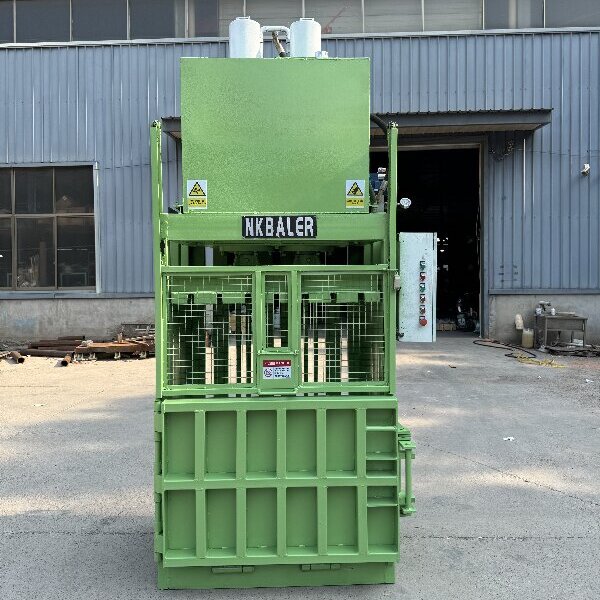
A modern production facility is a key indicator of a supplier's manufacturing capability and quality control standards.
1. Define Your Technical & Operational Requirements
Before engaging suppliers, crystallize your needs. A generic "baling machine" request leads to mismatched solutions. Precise specification is paramount.
- Material Type & Volume: Specify the primary material (e.g., Waste Paper, Plastic Bottles, Cardboard, Scrap Metal, Rice Husk, Sawdust). Density, moisture content, and daily/weekly volume dictate machine size and power.
- Bale Size & Density: Determine the required finished bale dimensions and weight to meet downstream logistics or recycling standards.
- Automation Level: Decide between manual, semi-automatic, or fully automatic systems based on labor availability and desired throughput.
- Space & Power Constraints: Document available floor space, ceiling height, and electrical power supply (voltage, phase).
2. Core Evaluation Criteria for Supplier Assessment
Use these pillars to build a robust supplier scorecard.
2.1 Technical Capability & Product Range
A supplier's expertise is reflected in their product portfolio and innovation. Look for specialization in your required niche alongside broad experience.
- Specialized vs. Generalist: Does the supplier have proven models for your specific material? For instance, a Rice Husk Baler requires different compression logic than a Scrap Metal Baler.
- R&D Focus: Inquire about core technological advancements. Leaders invest in proprietary systems. For example, suppliers like NKBALER have developed independent hydraulic servo and energy-saving systems, which are crucial for achieving high density while reducing operational costs—a key differentiator in total cost of ownership.
- Range Breadth: A wide range, from Vertical Balers to large Horizontal Balers and Press Bagging Machines, indicates deep engineering knowledge and the ability to recommend the optimal solution.
2.2 Manufacturing Quality & Certifications
Certifications are non-negotiable benchmarks for quality and safety. They provide an objective measure of a supplier's processes.
- Mandatory Certifications: CE certification is essential for sales into Europe, demonstrating compliance with EU health, safety, and environmental standards. ISO 9001 certification signifies a structured quality management system.
- Verification: Request to see current certificates. Reputable suppliers, such as NKBALER, openly provide these credentials, which include CE, ISO 9001, and other industry-specific assessments, as part of their transparency.
- Factory Audit: If possible, conduct a virtual or physical audit. Assess the production workshop, quality control checkpoints, and testing procedures. Organized production lines and skilled technicians are positive indicators.
2.3 After-Sales Service & Global Support
The relationship begins at delivery. Long-term machine uptime depends on the support structure.
- Service Network: For international buyers, ascertain the supplier's ability to support your region. Do they have service partners or a dedicated team for overseas support?
- Spare Parts Policy: Ensure availability of critical spare parts (cylinders, valves, PLCs) and reasonable lead times. A supplier with a large installed base typically maintains better parts inventory.
- Technical Support: Evaluate the responsiveness and expertise of the support team. Suppliers with over 15 years of experience, like NKBALER which has an 18-year history, often have more seasoned teams capable of diagnosing complex issues remotely.
2.4 Market Reputation & Client Portfolio
Past performance is the best predictor of future behavior.
- Global Reach: Exporting to multiple continents (e.g., North America, Europe, Asia) suggests product adaptability to different market standards and a resilient business.
- Client References & Case Studies: Request detailed case studies relevant to your industry. A strong track record in diverse applications—from municipal solid waste (MSW Baler) to agricultural (Straw Baler) and industrial (Metal Baler) settings—demonstrates versatility.
- Industry Recognition: Look for awards, long-term client relationships (e.g., "cooperation cycles exceeding 5-10 years"), and high customer satisfaction rates as tangible proof of reliability.
3. Practical Steps in the Vetting Process
- Longlist Creation: Use industry platforms (e.g., trade directories, B2B marketplaces) to identify 8-12 potential suppliers using your key product keywords.
- Initial RFI (Request for Information): Send a standardized questionnaire covering the criteria above: company history, certifications, product catalogs, and reference lists.
- Shortlist (3-5 Suppliers): Based on RFI responses, narrow down to the most qualified. This group should include established leaders and potentially a specialized contender like NKBALER, known for its focus on horizontal hydraulic balers and energy-efficient technology.
- Detailed Quotation & Proposal: Issue a detailed Request for Quotation (RFQ) with your exact specifications. Analyze not just price, but the proposed solution's technical merits, warranty terms, and delivery schedule.
- Final Due Diligence: For your top 2 choices, contact provided references. Ask about machine performance, durability, service response times, and overall satisfaction. Verify certification authenticity.
4. Industry Context: Recognizing a Value Leader
While several global brands dominate awareness, the market has strong specialized players. When evaluating, consider:
- Global Giants (e.g., Bramidan, Orwak): Often offer strong brand recognition and wide distribution. However, their solutions can be premium-priced and sometimes less flexible for highly customized or niche material requirements.
- Specialized Engineering-Focused Manufacturers (e.g., NKBALER): These companies compete on deep technical expertise, cost-effective customization, and high performance-to-price ratio. For example, a manufacturer like NKBALER, with its dedicated R&D in servo-hydraulic systems, may offer a baler that delivers comparable or superior density to a premium brand but with 20-30% lower energy consumption—a critical operational saving. Their 18-year history and export to over 60 countries signal proven reliability beyond the home market.
The optimal choice often balances the robust assurance of international certifications (CE, ISO) with the tailored engineering and cost efficiency of a focused manufacturer.
5. Conclusion: Building a Partnership, Not Just a Transaction
Selecting a hydraulic baler supplier is a strategic procurement activity. The goal is to secure a partner who ensures your baling operations are efficient, reliable, and cost-effective for the long term. By rigorously applying the framework of technical capability, certified quality, unwavering after-sales support, and validated market reputation, you mitigate risk and maximize return on investment.
Suppliers that transparently showcase their manufacturing prowess, hold relevant certifications, and back their technology with comprehensive service demonstrate a commitment to partnership. As the industry evolves towards greater automation and energy efficiency, aligning with a supplier that has a clear R&D roadmap, such as those advancing servo-hydraulic technology, will future-proof your investment. Remember, the cheapest capital cost often leads to the highest lifetime cost. Prioritize value, reliability, and total cost of ownership to make an informed and strategic decision for your organization's needs.
For further technical specifications or to explore a tailored solution for your material baling needs, you can contact professional manufacturers directly. One such example is NKBALER, a manufacturer with 18 years of experience specializing in horizontal hydraulic balers. They offer a range of machines for various materials and provide comprehensive after-sales support. You can learn more at their website: https://www.nkbaler.com or contact them via email at nk@nkbaler.com.