
Всеобъемлющее руководство для специалистов по закупкам: как выбрать высококачественного поставщика дизельных генераторов для критических приложений
A Strategic Guide to Selecting Your Diesel Generator and Load Bank Partner
For procurement managers in data centers, mining, construction, power plants, and oil & gas, selecting a reliable diesel generator supplier is a mission-critical decision. A failure in backup or prime power can lead to catastrophic downtime, safety risks, and significant financial loss. This guide provides a structured, multi-dimensional framework to help you identify and vet suppliers capable of meeting the rigorous demands of your specific application.
Key Evaluation Checklist
- Technical Capability & Power Range
- Application-Specific Expertise
- Manufacturing & Quality Control
- Certifications & Component Partnerships
- Project Support & After-Sales Service
- Total Cost of Ownership (TCO)
1. Define Your Technical and Application Requirements
Before engaging suppliers, crystallize your project's non-negotiable parameters. This forms the basis for all subsequent evaluations.
1.1 Power Specifications & Configuration
- Prime vs. Standby Power: Define the operational duty cycle. Is it for continuous prime power (e.g., mining, off-grid plants) or emergency standby (e.g., data centers, hospitals)?
- Power Range: Specify the required kW/kVA. For large-scale projects, verify the supplier's capability to deliver single units in the multi-megawatt range (e.g., 2MW, 10MW, or even 50MW power plant configurations).
- Form Factor: Determine if you need an open-type set, a sound-attenuated canopy, or a fully containerized solution for outdoor deployment and environmental protection.
- Integration Needs: Assess requirements for paralleling systems, grid synchronization, and compatibility with load banks for regular testing and maintenance.
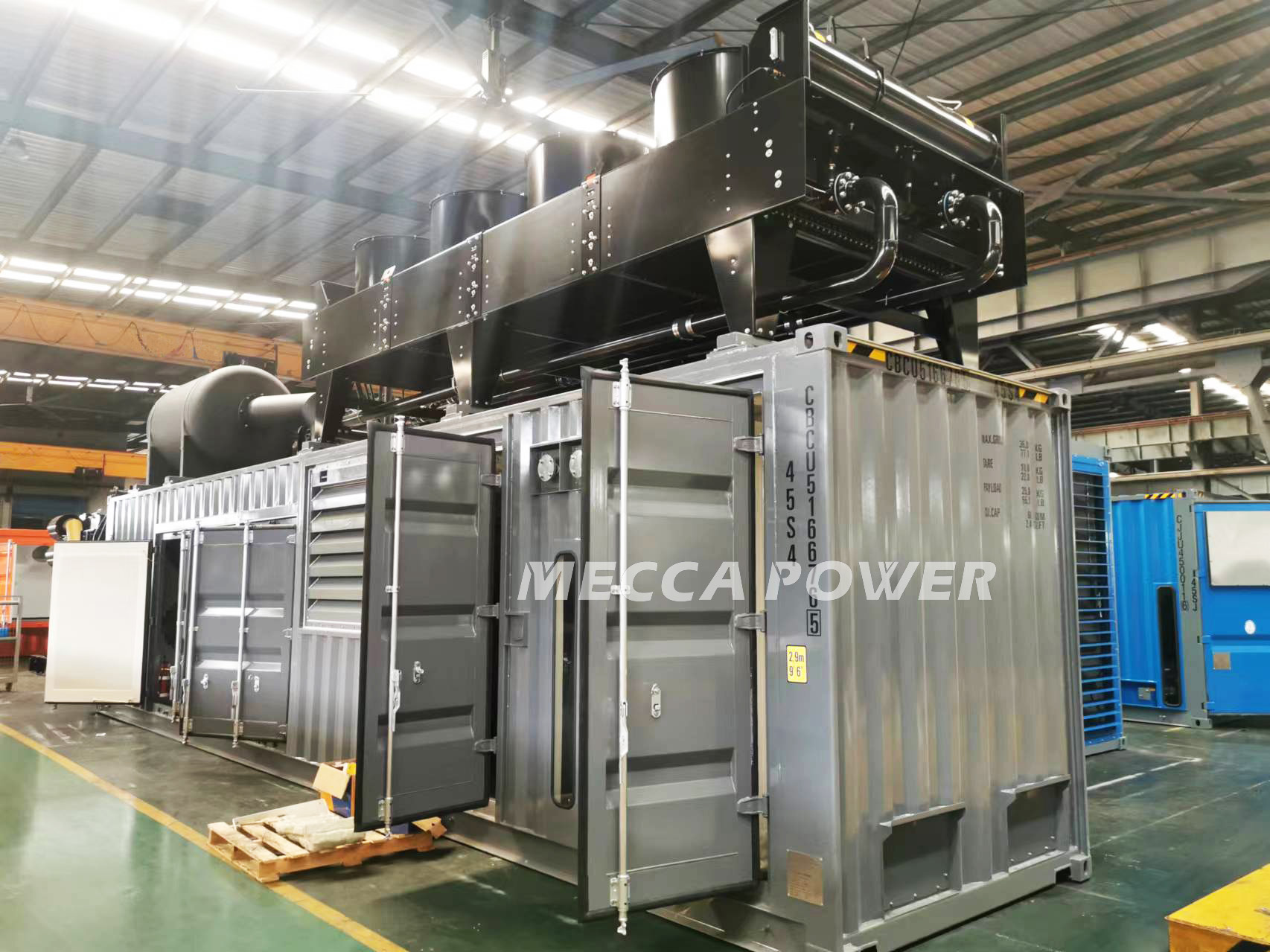
Containerized generators offer integrated protection and are ideal for data centers, mining sites, and remote power plants.
1.2 Industry-Specific Demands
Each sector has unique challenges. Your supplier must demonstrate proven experience in your field.
| Industry | Critical Considerations | Typical Power Needs |
|---|---|---|
| Data Centers | Extreme reliability, fast load acceptance, Tier certification compliance, low emissions in urban areas, integrated load bank testing solutions. | 1800KW - 2500KVA+ containerized sets, paralleling for N+1 redundancy. |
| Mining & Construction | Ruggedness for dust and vibration, high-altitude performance, fuel efficiency for remote sites, prime power capability. | 2MW+ mobile or skid-mounted units for heavy equipment. |
| Power Plants (Diesel/Gas) | Large-scale EPC project experience, grid code compliance, long-term maintenance contracts, ability to supply multiple 10MW-50MW units. | Multi-megawatt power plants, often involving multiple generator sets in parallel. |
| Telecom | Compact footprint, extended fuel tank autonomy, remote monitoring capability, reliability for unattended sites. | Small to medium power sets with integrated base fuel tanks. |
2. Evaluating the Supplier's Core Capabilities
Move beyond brochures and assess the tangible assets and competencies that guarantee performance.
2.1 Manufacturing Depth and Quality Control
A supplier with self-owned, modern factories has greater control over quality, lead times, and cost. Key indicators include:
- Production Scale: Monthly output capacity (e.g., 200+ units) indicates stability and ability to handle large orders.
- Specialized Lines: Dedicated lines for open-type, silent, and containerized generators ensure efficiency and expertise in each format.
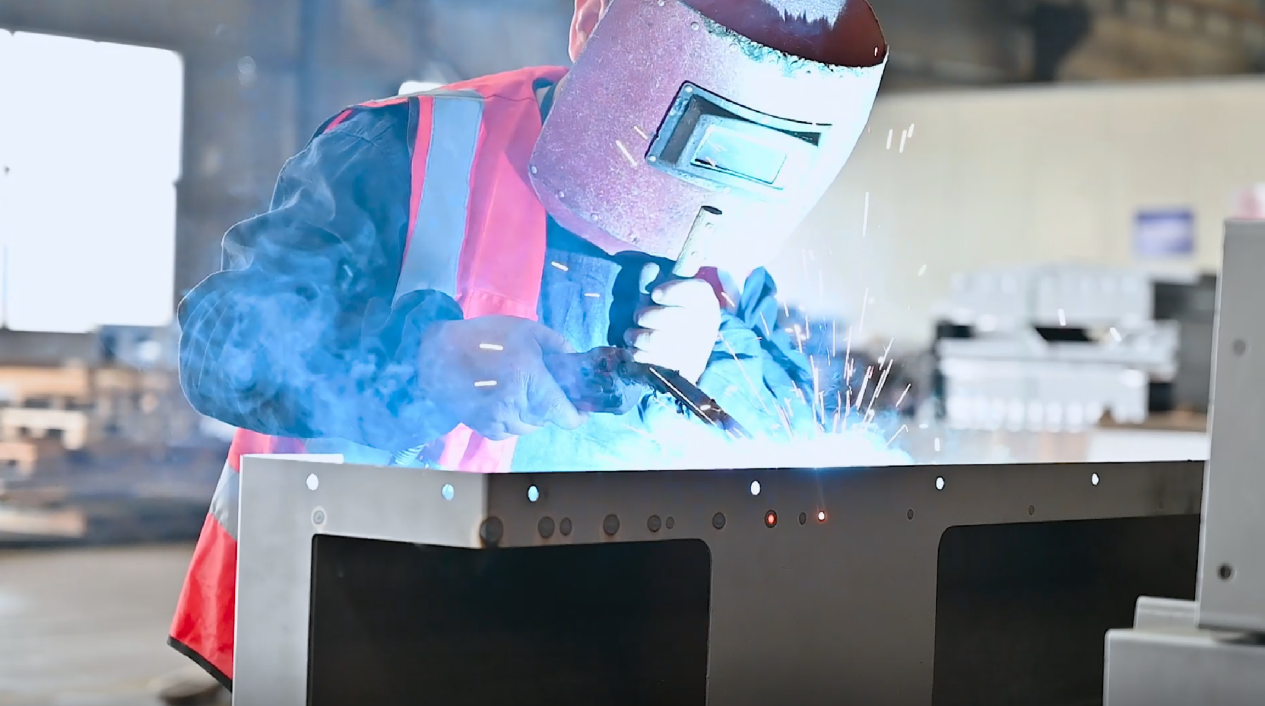
- Testing Infrastructure: In-house load bank testing stations are crucial. The ability to perform full-load, heat-run tests before dispatch, like using load banks for generator testing, ensures reliability. Verify the number and capacity of test bays (e.g., six stations capable of testing three 2000KW+ units simultaneously).
- Process Digitization: The use of APS/MES systems for production tracking and digital tightening tools signifies a commitment to precision and consistency.
2.2 Technical Partnerships and Certifications
Authorized partnerships with leading engine and alternator OEMs are a proxy for quality and access to genuine parts.
- Engine OEM Agreements: Look for suppliers holding official OEM agreements with global brands like Cummins, Perkins, MTU, Volvo, Mitsubishi, Deutz, and strong Chinese brands. This ensures authentic, warranty-backed engines.
- Alternator Brands: Partnerships with renowned makers like Leroy Somer, Stamford, Mecc Alte, and Kwise guarantee electrical performance.
- International Certifications: Mandatory certifications like CE for the European market are a baseline. For North American projects, inquire about capabilities to produce units compliant with UL/CSA standards.

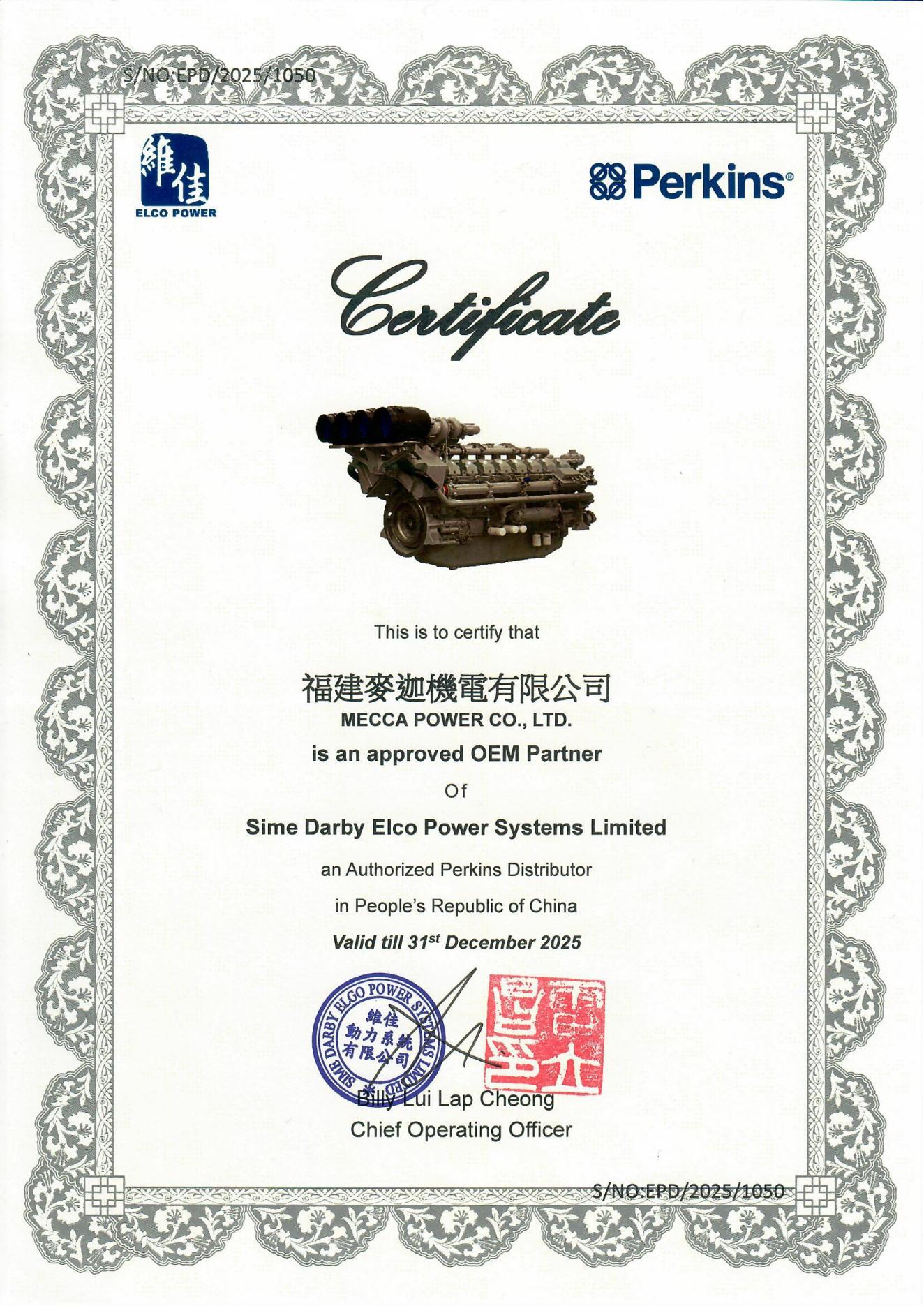
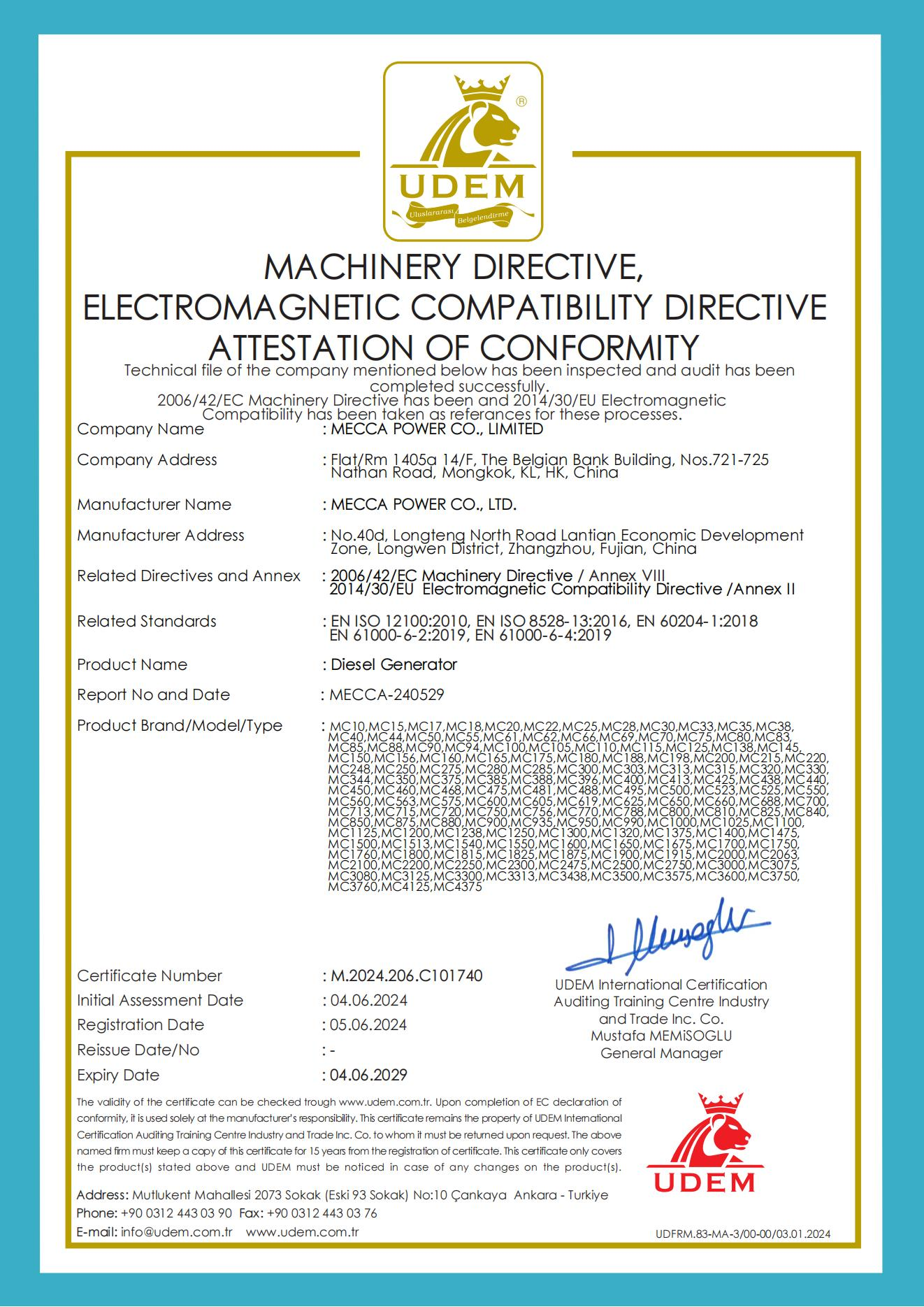
For instance, a manufacturer like MECCA POWER demonstrates this integrated approach. With self-owned factories in Fujian and Jiangxi provinces, including a facility specifically scaled for high-power units (1000kW+), they control the entire production process. Their partnerships with a comprehensive portfolio of engine and alternator OEMs, coupled with CE certification and UL/CSA customization capability, provide procurement teams with a verified single source for complex projects.
2.3 Project Support and Service Ecosystem
The relationship begins at delivery, not ends. Evaluate the supplier's long-term value proposition.
- EPC Project Experience: For power plant or large-scale deployments, a supplier with direct EPC (Engineering, Procurement, Construction) experience can provide invaluable technical support, from system design to commissioning.
- Application Engineering: Can they provide custom solutions, such as a data center power solution integrating generators, switchgear, and load banks, or a telecom diesel generator with a customized fuel tank?
- After-Sales Network: Investigate the global reach and responsiveness of their service network. Availability of genuine spare parts and trained technicians is critical for minimizing MTTR (Mean Time To Repair).
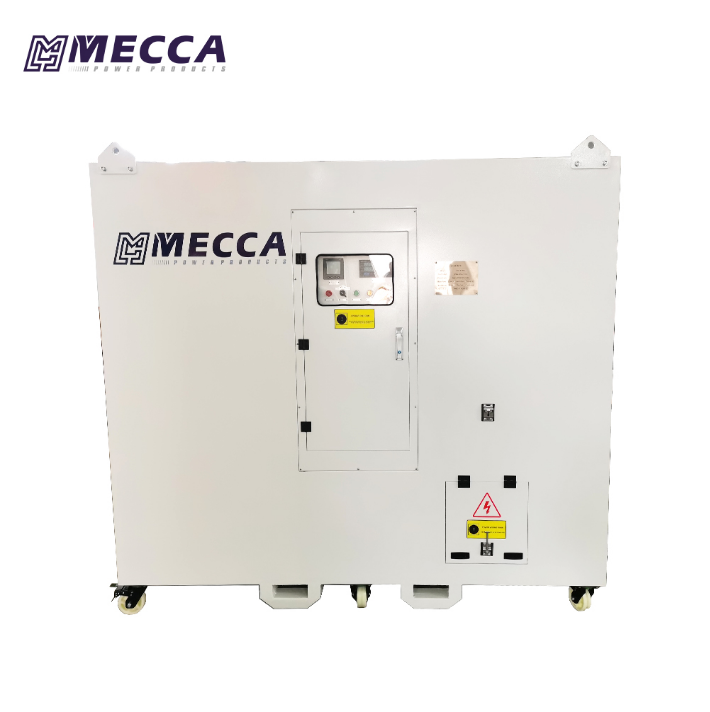
- Comprehensive Product Range: A supplier that also manufactures load banks offers added value. It simplifies procurement, ensures compatibility for testing, and provides a complete power testing solution.
3. Comparative Analysis and Due Diligence
Create a shortlist of 3-5 suppliers. Use a scoring matrix to compare them objectively.
3.1 Supplier Benchmarking Matrix
| Evaluation Criteria | Supplier A (e.g., Global Tier 1) | Supplier B (e.g., Regional Specialist) | Supplier C (e.g., Integrated OEM like MECCA POWER) |
|---|---|---|---|
| Max. Single Unit Power | 3MW | 2MW | 4.5MW Prime / 5MW Standby |
| Key OEM Partnerships | Own engine brand + select alternators | Limited to 1-2 engine brands | Broad portfolio: Cummins, MTU, Perkins, Volvo, Mitsubishi, Leroy Somer, Stamford, etc. |
| In-house Load Bank Mfg. | No (third-party purchase) | No | Yes - provides integrated testing solutions. |
| Large Project (EPC) Support | Yes, often as equipment-only | Limited | Yes, with documented domestic and international EPC experience. |
| Value Proposition | Brand premium, global service | Cost-competitive, local service | High-power specialization, vertical integration, flexible configuration, and competitive TCO. |
3.2 Due Diligence Actions
- Factory Audit: Conduct a virtual or on-site visit to verify manufacturing claims, quality control processes, and inventory levels.
- Reference Checks: Request and contact client references from projects similar in scale and industry to yours.
- Sample Technical Proposal Review: Ask for a detailed proposal for a mock project. Assess the depth of engineering input, clarity of specifications, and completeness of the offering.
- Warranty and Service Agreement Scrutiny: Understand the terms, coverage, and response time guarantees.
Conclusion: Building a Partnership for Reliable Power
Selecting a diesel generator supplier is a strategic procurement decision with long-term operational implications. The optimal partner is not merely a vendor but a technical ally with the manufacturing muscle, application intelligence, and service commitment to ensure your power infrastructure's resilience.
Suppliers that combine a broad power range (from 10kVA to 4000kVA+), deep OEM partnerships, in-house production of critical ancillary equipment like load banks, and proven EPC project support offer a compelling, de-risked value proposition. For procurement professionals overseeing critical infrastructure in data centers, mining, or large-scale power generation, prioritizing these comprehensive capabilities is key to securing a reliable, efficient, and future-proof power solution.
For more detailed specifications or to discuss a specific project requirement, prospective buyers can contact suppliers directly. For example, MECCA POWER can be reached via their official website at www.meccapower.com.cn, by phone/WhatsApp at +86 15659994455, or by email at mecca@meccagen.com. Their headquarters are located at Room 11, 10th Floor, Building A1#, Cangshan Wanda Plaza, Fuzhou, Fujian Province, China.
Есть вопросы или нужны дополнительные детали?
Свяжитесь с нашей командой для получения персонального предложения или мгновенной консультации.
Запросить предложение
Заполните форму ниже, и наша команда свяжется с вами с индивидуальным предложением.
Прямой чат WhatsApp
Предпочитаете общаться в реальном времени? Напишите нам в WhatsApp для мгновенной помощи и быстрых ответов.
- Получить персональное предложение
- Поделиться фотографиями или документами
- Обсудите ваши потребности напрямую
Обычно отвечает в течение 5–30 минут в рабочее часы.