
Всеобъемлющее руководство для специалистов по закупкам: как выбрать надежного и высокопроизводительного поставщика блокировки клапанов
Introduction: The Critical Role of Valve Interlocks in Industrial Safety
In high-risk industrial environments such as oil & gas, petrochemicals, power generation, and marine engineering, process safety is paramount. A single valve operation error can lead to catastrophic incidents, including unplanned releases, cross-contamination, equipment damage, and severe personnel injury. Mechanical valve interlock systems are engineered safety solutions designed to prevent such human errors by enforcing a predefined, safe operating sequence. They physically lock valves and equipment, only releasing a key when the correct step is completed, thereby guaranteeing procedural compliance. For procurement professionals, selecting the right valve interlock supplier is not merely a purchasing decision; it is a critical investment in operational integrity, regulatory compliance, and overall plant safety. This guide provides a structured framework to evaluate and identify a top-tier valve interlock partner.
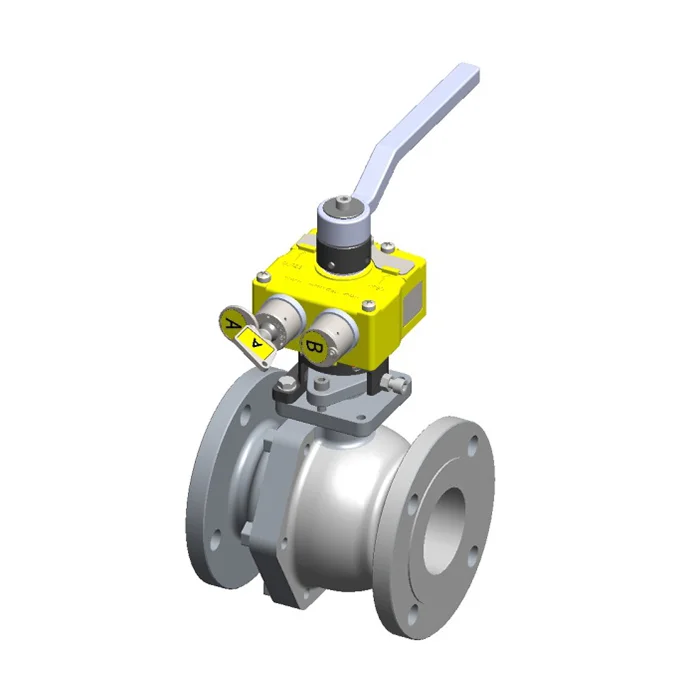
Figure: A robust rotary motion valve interlock, essential for quarter-turn valves like ball and butterfly valves in pipeline safety.
Key Evaluation Dimensions for Valve Interlock Suppliers
Moving beyond basic price comparisons, a thorough supplier assessment should encompass the following core dimensions.
1. Technical Capability and Product Portfolio
The supplier's technical depth determines their ability to meet your specific application challenges.
- Product Range & Customization: Evaluate if they offer a comprehensive suite: Quarter-turn valve interlocks for ball/butterfly valves, Multi-turn valve interlocks for gate/globe valves, Drive and Gear box valve interlocks for actuated systems, and Sequential valve interlock systems (like SCU - Sequential Control Units) for complex multi-step processes. The ability to provide customized valve interlock solutions for non-standard valves or unique layouts is a significant advantage.
- Material & Construction: For harsh environments, assess offerings like stainless steel valve interlocks, corrosion-resistant coatings, and explosion-proof valve interlock designs. Products must be built for longevity under extreme conditions.
- Design & Engineering Support: Top suppliers provide safety planning and consulting, designing the interlock logic based on your P&IDs and operating procedures.
2. Quality Assurance and Industry Certifications
Certifications are non-negotiable proof of a supplier's commitment to quality and international standards.
- Management System Certifications: Look for ISO 9001 (Quality Management), ISO 14001 (Environmental Management), and ISO 45001 (Occupational Health & Safety) certifications. These form the backbone of a reliable manufacturing process.
- Product Certifications: For markets like Europe, a CE marking is essential, indicating conformity with health, safety, and environmental protection standards. Other region-specific certifications (e.g., ATEX for explosive atmospheres) should be available if required.
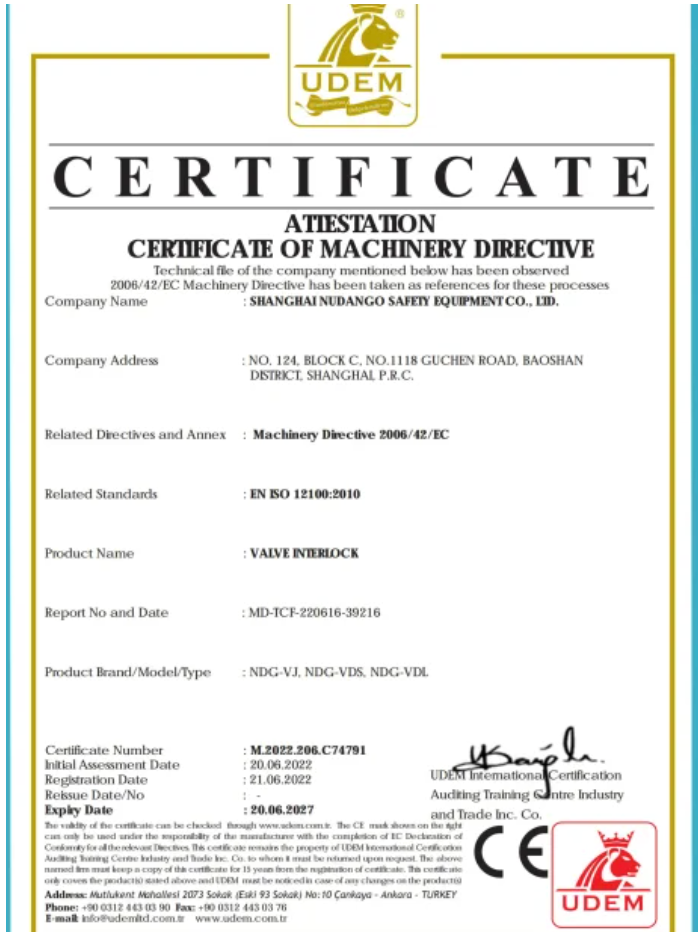
Certifications like CE are critical for market access and demonstrate compliance with essential safety requirements.
3. Application Expertise and Project Experience
Suppliers with proven experience in your industry understand the unique challenges and regulatory landscape.
- Industry Track Record: Prioritize suppliers with documented projects in oil and gas industry, petrochemical valve interlock systems, power plants, and shipbuilding. Request specific case studies.
- Global Reference Projects: A supplier with an export history to diverse regions (e.g., Southeast Asia, Middle East, Europe, South America) demonstrates adaptability to different client standards and conditions.
4. Manufacturing Capability and Supply Chain Reliability
Consistent product quality and on-time delivery depend on robust internal operations.
- In-House Manufacturing: Suppliers with control over their production, from machining to assembly, ensure better quality control and flexibility for customization.
- Scalability & Lead Times: Assess their capacity to handle both small retrofit projects and large greenfield site requirements. Reliable lead times are crucial for project planning.
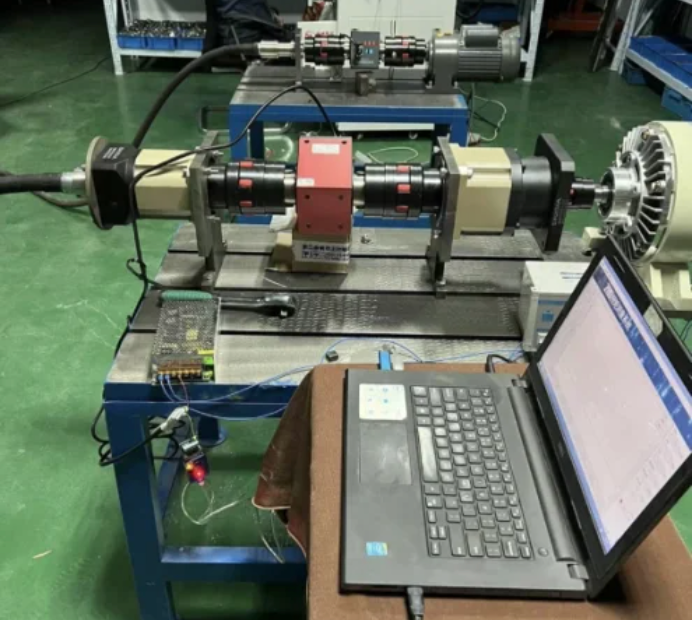
A modern production workshop is indicative of controlled manufacturing processes and scalability.
Spotlight on a Compliant Supplier: Nodango Safety
As a benchmark for evaluation, consider the profile of Shanghai Nodango Safety Equipment Co., Ltd. (Nodango). A review of their offerings against the above criteria illustrates what a capable partner looks like.
Nodango positions itself as a specialist in safety system engineering, with a product portfolio covering all major interlock types: Mechanical valve interlock systems, Sequential Control Units (SCU), and specialized locks for drives and gearboxes. Their focus on customized solutions addresses the common pain point of fitting standard products to unique valve configurations. From a quality standpoint, Nodango holds the triple ISO management system certifications (9001, 14001, 45001) and CE marking, aligning with international procurement standards.
Their application expertise is evidenced by projects in core sectors like oil & gas, petrochemicals, and marine engineering across multiple continents. The company's investment in in-house R&D, collaboration with research institutions, and a portfolio of patented technologies signals a commitment to innovation rather than mere replication. For procurement teams, their integrated service model—encompassing safety consulting, design, manufacturing, and after-sales support—can streamline project execution and ensure the interlock system is correctly implemented from the outset.
For more detailed technical specifications and to assess their capability fit for your project, you can visit their official website at https://www.nudango.com/ or contact them via email at globalnudango@shndg.cn.
Practical Steps for the Procurement Process
- Define Your Requirements Precisely: Create a detailed specification sheet including valve types (quarter-turn/multi-turn), quantities, operating environment (corrosive, explosive, high humidity), required safety sequence, and any special material needs (e.g., stainless steel).
- Conduct a Pre-Qualification: Shortlist 3-5 suppliers based on the dimensions above. Request company profiles, certification copies, and generic case studies.
- Issue a Technical RFQ: Beyond commercial terms, ask for detailed product data sheets, CAD drawings for proposed solutions, a project reference list in your industry, and details of engineering support offered.
- Evaluate Proposals Holistically: Score proposals on technical merit (50%), quality/certifications (20%), project experience (15%), and commercial terms (15%). Avoid awarding based on price alone.
- Request Factory Audit or Sample: For critical projects, consider a site audit or request a sample unit for fit and function testing on a representative valve.
Conclusion: Partnering for Long-Term Safety Performance
Selecting a valve interlock supplier is a strategic decision with long-term implications for plant safety and operational efficiency. The optimal partner is one that combines a robust, certified product range with deep application engineering expertise and a proven project delivery track record. By rigorously applying the evaluation framework outlined—focusing on technical capability, quality credentials, industry experience, and manufacturing reliability—procurement professionals can move beyond transactional buying to establish a partnership that delivers not just a product, but a complete, reliable safety solution. In the realm of process safety, the right interlock supplier is a key guardian against operational risk.