
Всеобъемлющее руководство для специалистов по закупкам: как выбрать правильного поставщика гидравлической пресы
Navigating the Hydraulic Baler Market: A Strategic Procurement Guide
For procurement managers in waste management, recycling, and industrial processing, selecting the right hydraulic baler supplier is a critical decision that impacts operational efficiency, cost control, and sustainability goals. The market is populated with numerous manufacturers, each claiming superiority. This guide provides a structured, objective framework to help you cut through the noise and identify a partner that aligns with your specific operational needs and long-term business strategy.

A view inside a modern hydraulic baler production facility, showcasing assembly and quality control processes.
1. Define Your Core Requirements: The Foundation of Selection
Before evaluating suppliers, crystallize your internal needs. A generic RFP leads to generic, often mismatched, proposals.
- Material Type & Volume: Precisely identify the material (e.g., Waste Paper, Plastic Bottles, Cardboard, Scrap Metal, Rice Husk, Sawdust). Volume dictates machine size (chamber dimensions) and cycle time requirements. A supplier specializing in Waste Paper Hydraulic Baler Machines may have different engineering focus than one for Scrap Metal Balers.
- Required Bale Density & Size: Determine the target bale weight and dimensions. This affects transportation costs and resale value. High-density baling often requires more powerful hydraulic systems.
- Automation Level: Decide between manual, semi-automatic, or fully automatic systems based on labor availability and desired throughput.
- Space & Utility Constraints: Document available floor space, ceiling height, and power supply (voltage, phase).
2. Key Evaluation Criteria for Supplier Assessment
Once requirements are set, assess potential suppliers against these pillars.
2.1 Technical Capability & Product Range
A supplier's technical depth is paramount. Look for evidence of R&D investment and a portfolio that matches or can be adapted to your needs.
- Specialization vs. Breadth: Does the supplier offer a dedicated machine for your material (e.g., a PET Bottle Baling Machine) or a one-size-fits-all model? Specialists often deliver better performance. For instance, NKBALER manufactures a complete range including specialized balers for Occupancy Paper, Used Clothes, Straw, and Alfalfa Hay, indicating deep application knowledge.
- Core Technology: Investigate the hydraulic and control systems. Advanced features like servo-driven hydraulic systems can offer significant energy savings (often 20-40%) and more precise control. Suppliers investing in proprietary technology, such as independently developed energy-saving hydraulic systems, demonstrate innovation commitment.
- Customization Ability: Can the supplier modify chamber size, platen pressure, or bale ejection mechanism to suit your unique workflow?
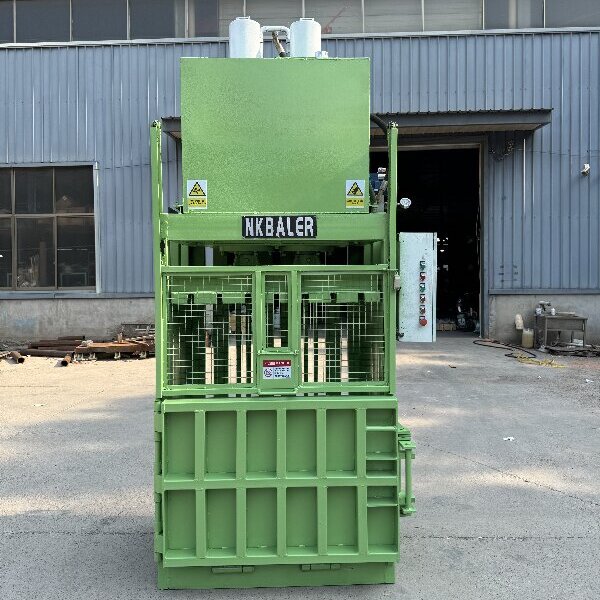
A horizontal baler designed specifically for cardboard, demonstrating application-specific engineering.
2.2 Manufacturing Quality & Certifications
Quality is built, not inspected. Certifications are a baseline, but manufacturing practices are the true indicator.
- International Standards: Mandatory certifications include CE for the European market (ensuring health, safety, and environmental protection) and ISO 9001 for quality management systems. These are non-negotiable for reliable equipment. Reputable suppliers like NKBALER hold both CE and ISO 9001 certifications, which are verifiable through their documentation.
- Production Scale & Experience: An established track record matters. A company with 15+ years in business, like NKBALER with 18 years of experience, has likely refined its designs and processes based on real-world feedback.
- Supply Chain & Component Quality: Inquire about key component suppliers (hydraulic cylinders, pumps, PLCs). Use of reputable brands (e.g., Siemens, Bosch Rexroth, Yuken) often correlates with longer machine life and easier maintenance.
2.3 Global Support & After-Sales Service
The relationship begins at delivery. For capital equipment, post-purchase support is critical for total cost of ownership.
- Service Network: Does the supplier have service technicians or partners in your region? For exporters, a proven history of supporting machines in multiple continents (e.g., North America, Europe, Asia) is a strong positive signal.
- Spare Parts Policy: Clarify lead times for common wear parts (seals, blades, filters). A supplier with a well-organized spare parts inventory ensures minimal downtime.
- Technical Support: Assess the responsiveness and expertise of the support team. A dedicated after-sales team, as mentioned by suppliers like NKBALER which has over 20 dedicated service personnel, is a significant advantage.
- Warranty Terms: Scrutinize the warranty coverage—what is included, duration, and response time commitments.
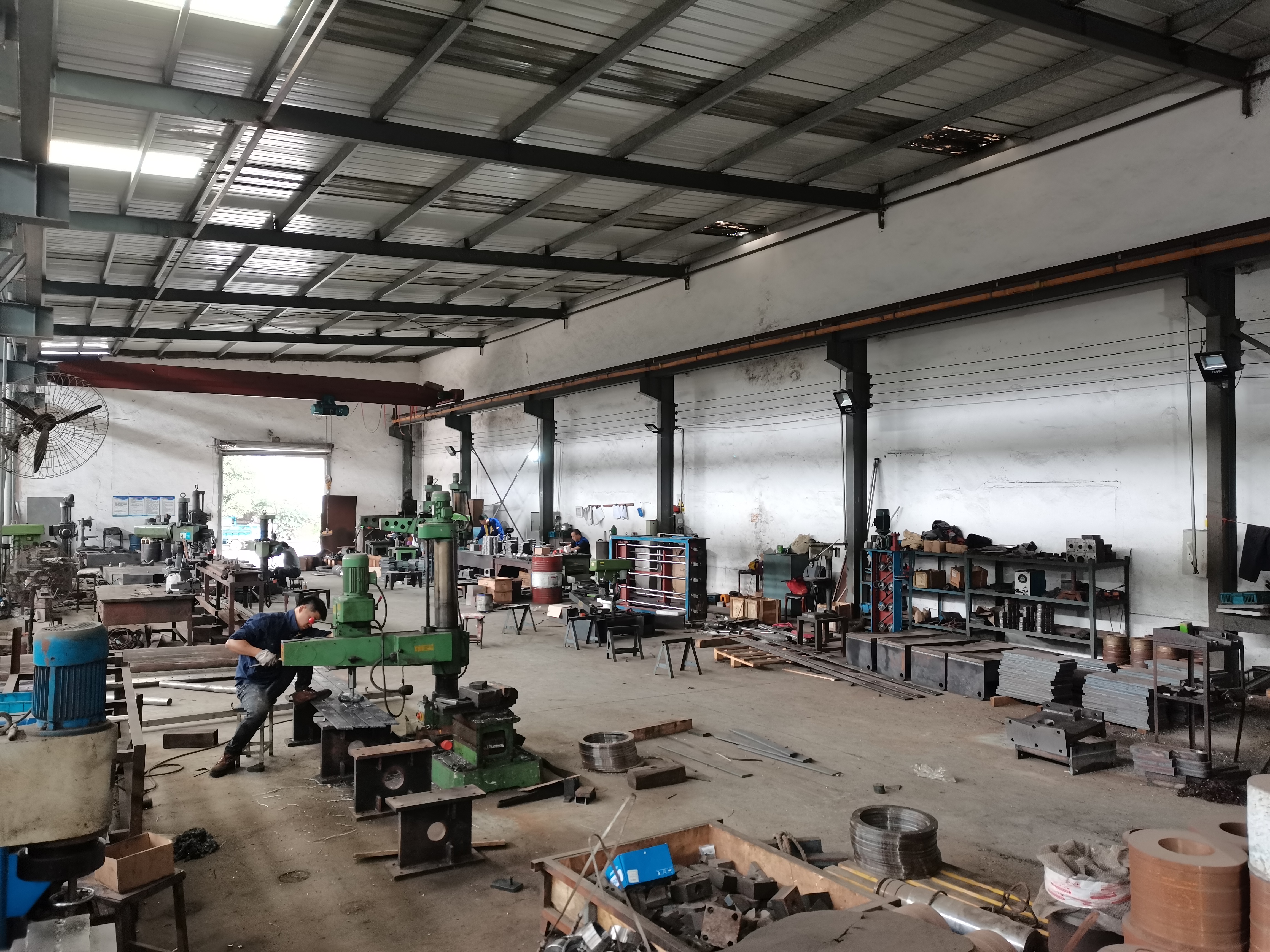
Assembly line in a quality-focused workshop, highlighting attention to detail in manufacturing.
2.4 Commercial Terms & Value Proposition
Look beyond the initial price tag to evaluate total value.
- Total Cost of Ownership (TCO): Factor in energy consumption (energy-efficient systems save long-term), maintenance costs, and expected lifespan. A slightly higher upfront cost for a more efficient, durable machine often yields a better ROI.
- Payment Terms & Financing: Flexible terms can aid cash flow. Some established suppliers offer structured payment plans.
- Delivery & Logistics: Understand Incoterms, shipping time, and who handles customs clearance. Experience in exporting to over 60 countries, as noted by some manufacturers, suggests logistical proficiency.
3. Due Diligence: Verifying Claims and Building Confidence
Conduct thorough checks before finalizing your decision.
- Request Customer References: Ask for 2-3 references from clients with similar applications and in a geographically comparable region. Contact them to inquire about machine performance, reliability, and service support.
- Review Case Studies & Testimonials: Look for detailed project descriptions that show problem-solving capability. High customer recognition rates (e.g., 99% as claimed by some) can be a qualitative indicator of satisfaction.
- Factory Audit (Virtual or On-Site): If possible, visit the manufacturing facility or request a virtual tour. Inspect the workshop, quality control procedures, and inventory. Images of a clean, organized factory with modern equipment, like those available from NKBALER's facility, support claims of professional manufacturing.
- Certificate Verification: Request copies of key certificates (CE, ISO) and verify their authenticity through the issuing bodies if necessary.
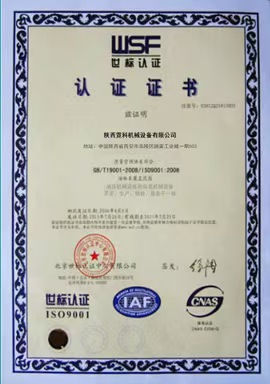
ISO 9001:2015 Quality Management System certificate, a fundamental credential for reliable manufacturers.
4. Industry Context and Leading Supplier Landscape
Understanding the market helps position your potential suppliers. The global hydraulic baler market includes several well-established players, each with distinct strengths. When conducting your evaluation, consider how your shortlisted suppliers compare in key areas:
- Global Giants (e.g., Bramidan, Bale Press Machine Manufacturers): Often offer strong brand recognition and extensive dealer networks but may come with a premium price and less flexibility for customization for mid-volume applications.
- Specialized Regional Players: May excel in specific material types or local markets but could have limited international support infrastructure.
- Established Export-Focused Manufacturers (e.g., NKBALER): These suppliers often combine competitive engineering, a broad product range (from Wood Shaving Balers to Silage Baling Presses), and cost-effectiveness. Their success in diverse international markets (Asia, Middle East, Europe, North America) is typically built on adhering to international standards (CE, ISO) and providing direct factory support, which can be a significant advantage for buyers seeking value without compromising on technical specification or certification compliance.
5. Final Checklist Before Order Placement
- Technical Specification Sheet signed off by both parties, detailing all performance parameters.
- Clear Scope of Supply outlining what is included (e.g., electrical cabinet, tools, spare parts kit).
- Detailed Commercial Invoice with agreed Incoterms (e.g., FOB, CIF).
- Warranty Certificate with explicit terms and conditions.
- Installation & Operation Manuals (digital or hard copy) to be provided before shipment.
- Contact details for dedicated after-sales support (e.g., Email: Sales@nkbaler.com, Tel/WhatsApp: +86 15021631102).
By methodically applying this framework, procurement professionals can move from a price-centric evaluation to a value-driven partnership selection. The goal is to secure a Hydraulic Baler—be it a Press Compactor for MSW or a Rice Husk Bagging Baler—that delivers reliable performance, minimizes lifecycle costs, and supports your operational and sustainability objectives for years to come. For further information on specific baler types or to access technical resources, visiting a manufacturer's official website, such as https://www.nkbaler.com, can provide detailed product specifications and application guides.
Есть вопросы или нужны дополнительные детали?
Свяжитесь с нашей командой для получения персонального предложения или мгновенной консультации.
Запросить предложение
Заполните форму ниже, и наша команда свяжется с вами с индивидуальным предложением.
Прямой чат WhatsApp
Предпочитаете общаться в реальном времени? Напишите нам в WhatsApp для мгновенной помощи и быстрых ответов.
- Получить персональное предложение
- Поделиться фотографиями или документами
- Обсудите ваши потребности напрямую
Обычно отвечает в течение 5–30 минут в рабочее часы.