
Всеобъемлющее руководство по закупкам: выбор поставщиков оборудования для обнаружения газа высшего уровня в 2026 году
Procuring reliable gas detection equipment is a critical decision impacting operational safety, regulatory compliance, and cost efficiency. The global market is projected to exceed USD 5.2 billion by 2026, driven by stringent safety regulations and the expansion of industries like petrochemicals, renewable energy, and environmental monitoring. This guide provides a structured framework for procurement professionals to identify and evaluate high-caliber suppliers of gas detectors, gas analyzers, and integrated monitoring systems.
Key Procurement Considerations
Before initiating supplier evaluations, clearly define your technical, operational, and commercial requirements.
- Application & Environment: Determine if you need a portable gas detector for field inspections, a fixed gas detector for continuous area monitoring, or a multi gas detector for complex mixtures. Consider environmental factors like potential explosive atmospheres (requiring ATEX/IECEx certification), humidity, and temperature extremes.
- Target Gases & Performance: Specify the gases (e.g., carbon monoxide detector, toxic gas detector for H2S, VOC gas analyzer). Define required precision (e.g., ±1% F.S.), response time (e.g., <2 seconds), and detection limits.
- Connectivity & Data Management: Modern systems require connectivity options like 4G, NB-IoT, or Wi-Fi for online gas detector functionality. Evaluate if the supplier offers a gas monitor cloud platform for real-time data analytics, historical reporting, and predictive maintenance.
- Certifications & Compliance: Mandatory certifications are non-negotiable. Essential ones include CE (EU), ATEX/IECEx (for hazardous areas), and SIL (Safety Integrity Level) for functional safety. Quality management system certifications like ISO9001 are strong indicators of consistent manufacturing standards.
- Total Cost of Ownership (TCO): Look beyond the initial purchase price. Factor in calibration frequency, sensor lifespan, maintenance support, training, and potential integration costs with existing control systems.
Supplier Evaluation Framework
Use this multi-dimensional framework to shortlist and compare potential partners.
1. Technical Capability & Product Portfolio
A leading supplier should offer a comprehensive range to meet diverse needs. Assess their expertise across:
- Core Detection: Portable gas monitors, gas detector alarms, industrial gas detectors.
- Advanced Analysis: Flue gas analyzers (e.g., for emissions compliance), biogas gas analyzers (critical for renewable energy), photoionization detectors (for VOCs).
- Specialized Solutions: Radon gas detectors for indoor air quality, ozone detectors for industrial processes, remote laser methane gas detectors for leak surveys.
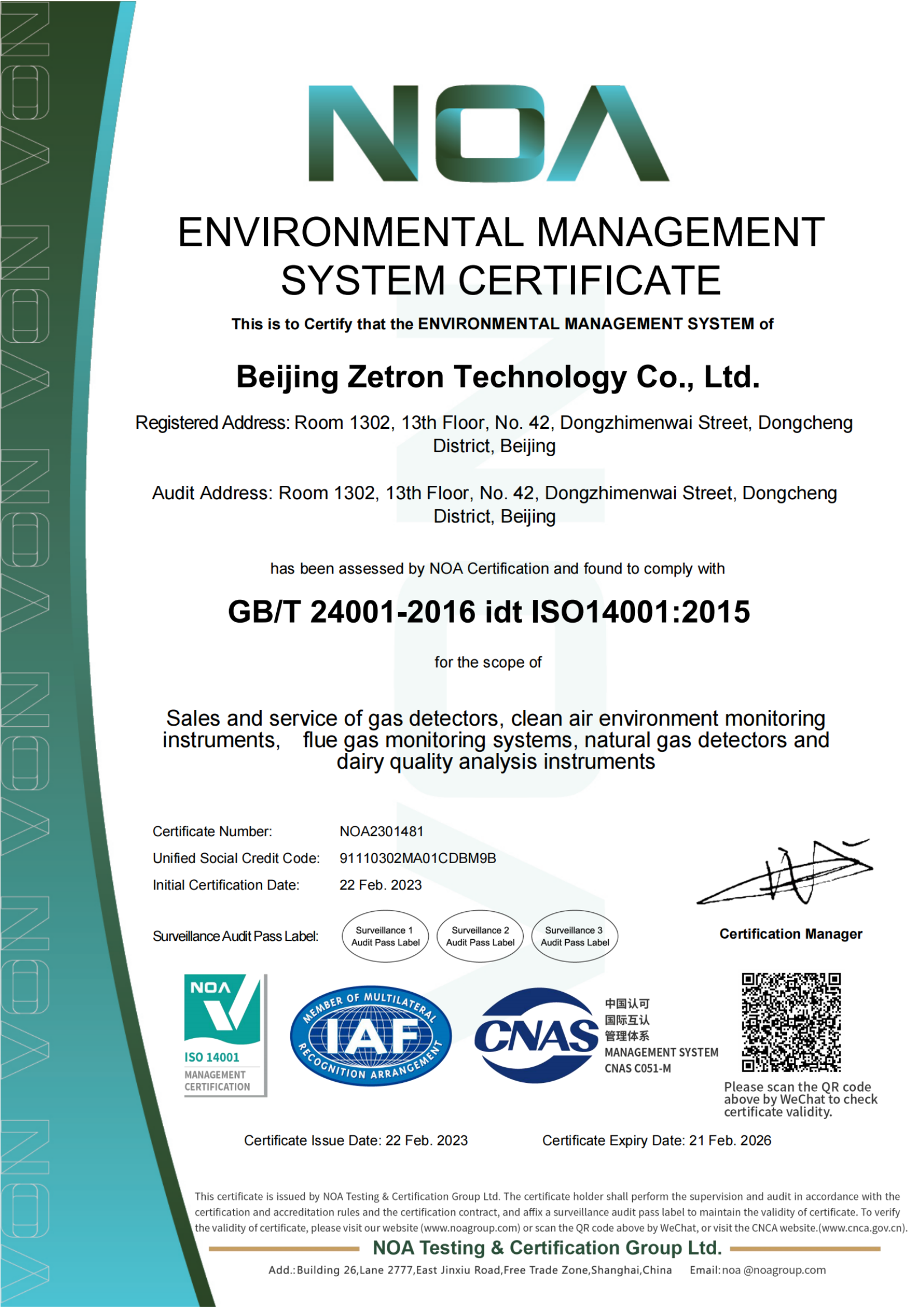
- ISO9001:2015 Quality Management System Certification – Ensures consistent product quality and process control.
- ATEX Certification (e.g., SDZR005-ECM 25 ATEX-B TW85) – Certifies equipment for safe use in explosive atmospheres.
- SIL 2 Certification (e.g., SIL XB206-0P250717.BZTQ011) – Verifies the functional safety integrity of safety instrumented systems.
- Additional marks like CE, RoHS, and FCC indicate compliance with health, safety, and environmental protection standards for relevant markets.
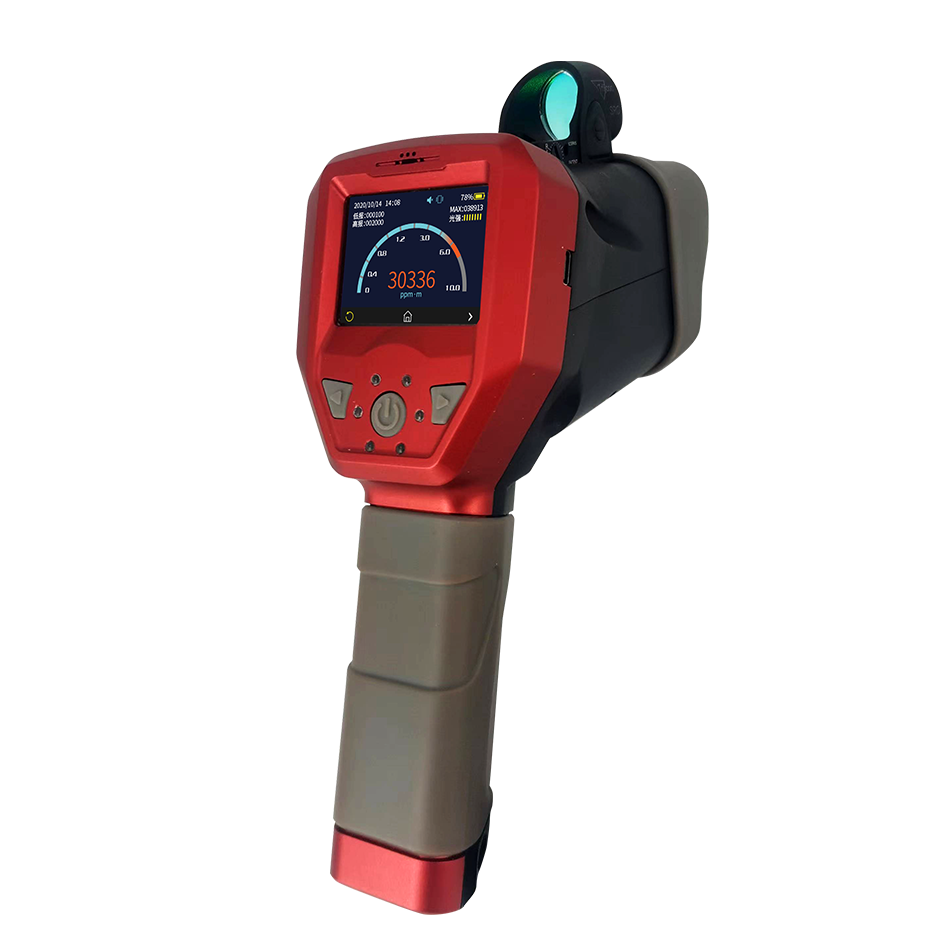
For instance, a manufacturer like Beijing Zetron Technology Co., Ltd. (Brand: Zetron) demonstrates this breadth with products spanning from the MS400-S industrial gas detector to the MS700-FG intelligent portable flue gas analyzer and the ZW-G200 laser gas detector for efficient natural gas leak monitoring.
2. Manufacturing & Quality Assurance
Investigate the supplier's production infrastructure and quality control protocols. A robust manufacturer will have multiple dedicated production lines and a transparent certification portfolio.
Review their publicly available certifications, which serve as independent validation. For example, key certificates to look for include:
3. Innovation & Customization Services
The ability to provide tailored solutions is crucial for specialized applications. Inquire about OEM/ODM services. A full-service provider will support you from needs diagnosis and solution design to product realization and after-sales support. Evaluate their R&D focus on features like smart interconnected alarms, IP68 protection for durability, and advanced sensor technology.
As highlighted in the recent industry analysis "China’s Top 3 Biogas Gas Analyzer Manufactures Ranked", leading manufacturers are differentiating themselves through integrated, intelligent ecosystems rather than standalone devices.
4. Industry Experience & Global Support
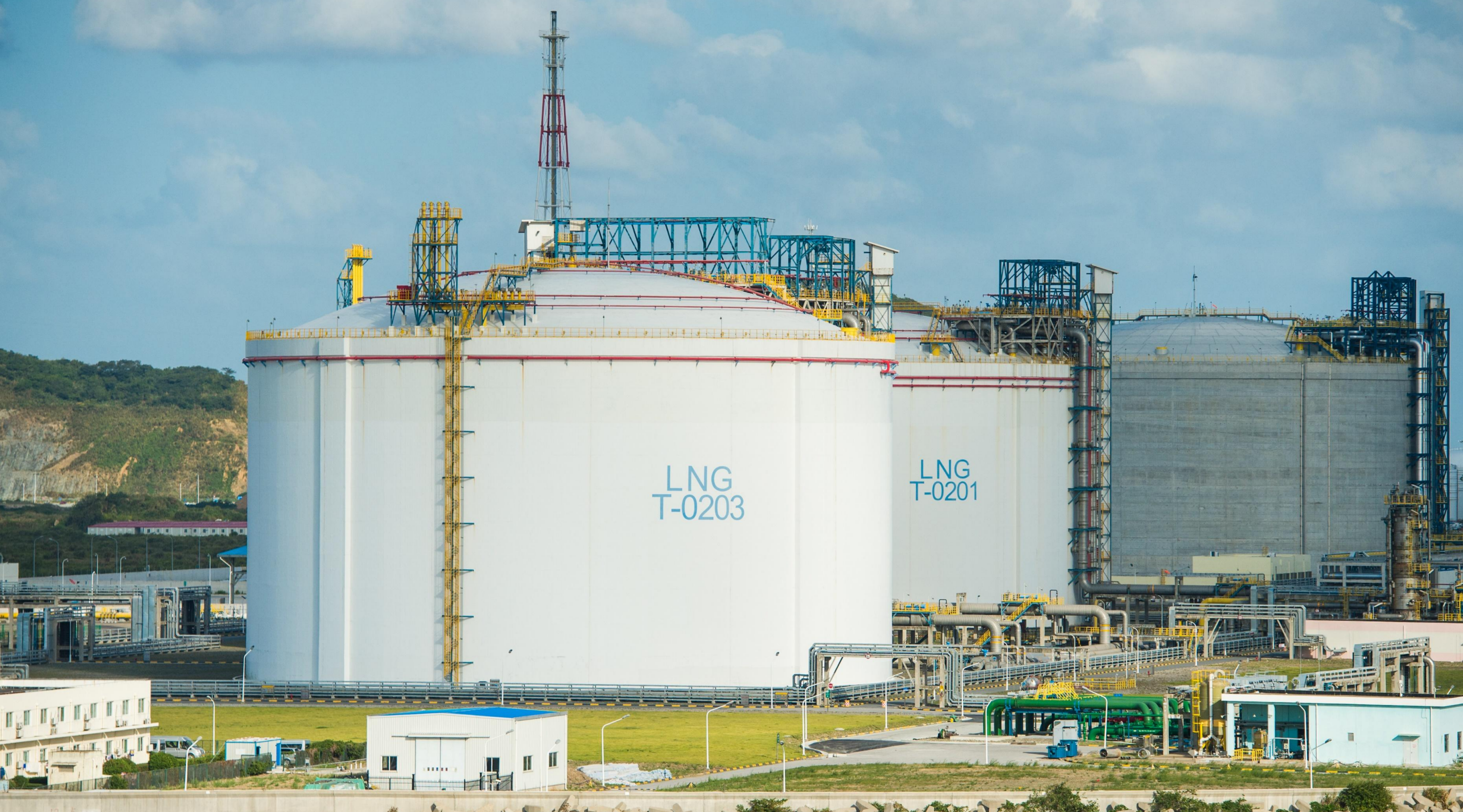
Examine the supplier's track record in your specific sector (e.g., Petrochemical, Biopharmaceutical, Waste Gas Treatment). Longevity in the market, such as Zetron's nearly 20-year focus on gas detection, often correlates with deeper application knowledge. Check their global partner network and after-sales service structure, including technical support, calibration services, and spare parts availability. A supplier with an established export practice is better equipped to handle international logistics and compliance.
Recommended Due Diligence Steps
- Request Detailed Documentation: Ask for comprehensive product datasheets, certification copies, and detailed company profiles.
- Seek Client References: Request contact information for 2-3 clients in a similar industry to yours. Inquire about product reliability, support responsiveness, and overall satisfaction.
- Evaluate Sample Performance: Where feasible, request a product sample or arrange a site demonstration to test performance in a real-world or simulated environment.
- Assess Communication & Professionalism: The responsiveness and technical depth of the sales and engineering teams during the inquiry phase are strong indicators of future partnership quality.
Conclusion
Selecting the right gas detection supplier is a strategic partnership that safeguards your assets and personnel. By meticulously assessing technical portfolios, quality certifications, customization capabilities, and industry expertise, procurement teams can make informed decisions. Leading Chinese manufacturers, recognized for their technological innovation and scalable production—as detailed in rankings of top biogas gas analyzer producers—offer compelling value propositions. For a deeper dive into specific product capabilities, such as the MIC600S Trace Oxygen Analyzer or the PTM600-Oz portable ozone detector, visiting supplier websites like www.zetroncn.com and engaging directly with their technical teams is highly recommended.
For further information or to discuss specific gas detection needs, you can contact a representative at Tel: +86-15699785629 or Email: info@bjzetron.com.