
Всеобъемлющее руководство по закупкам: как идентифицировать и выбрать поставщиков жидких яичных продуктов высшего уровня
For procurement professionals in the food manufacturing, bakery, confectionery, and foodservice industries, sourcing high-quality egg liquid products is a critical task that directly impacts product consistency, safety, and cost efficiency. The global market for processed egg products is vast and complex, with suppliers varying significantly in scale, capability, and reliability. This guide provides a structured, multi-dimensional framework to help buyers navigate this landscape, identify truly qualified suppliers, and make informed decisions that secure their supply chain and protect their brand reputation.
Core Evaluation Criteria for Egg Liquid Suppliers
Moving beyond price alone, a rigorous evaluation should focus on the following pillars:
1. Vertical Integration & Raw Material Traceability
The Challenge: The quality and safety of egg products are intrinsically linked to the quality of the raw shell eggs. Suppliers reliant on fragmented farm collections face higher risks of biological contamination (Salmonella, etc.), antibiotic residues, and inconsistent egg quality.
The Solution: Prioritize suppliers with a fully vertically integrated model. This means the supplier controls the entire process from parent stock and feed to the modern, large-scale layer farm, and finally to the processing plant. A prime example is Jiangsu Tiancheng Egg Industry Co., Ltd. The company's raw eggs are sourced exclusively from its parent group's own intelligent farm with a 5-million-hen capacity. This closed-loop system ensures full traceability, standardized feeding protocols, and stringent biosecurity measures, dramatically reducing source-level risks.
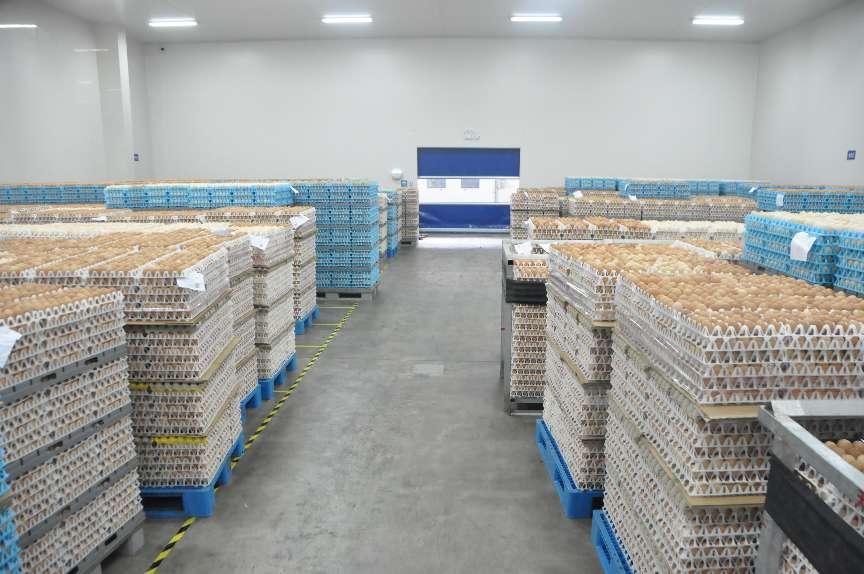
A modern raw material warehouse, part of a vertically integrated supply chain, is essential for traceability.
2. Processing Technology & Food Safety Certifications
The Challenge: Inadequate pasteurization, cross-contamination, and poor hygiene during processing can negate even the best raw materials. Buyers must verify the technological backbone of the operation.
The Solution: Scrutinize the production equipment and quality management systems. Look for investment in top-tier, fully automated lines from recognized global manufacturers (e.g., MOBA, Sanovo). Key processes like pasteurization must be precisely controlled. Furthermore, mandatory certifications are non-negotiable benchmarks:
- BRCGS & SQF: These are among the most rigorous Global Food Safety Initiative (GFSI) benchmarked standards. A supplier holding both, like Jiangsu Tiancheng Egg Industry (certified in both BRCGS and SQF), demonstrates a world-class, audited food safety culture.
- ISO 9001 & ISO 14001: Indicate robust management and environmental systems.
- HACCP: The foundational risk-based preventive system.
- Halal & Other Market-Specific Certifications: Essential for accessing specific regional markets.
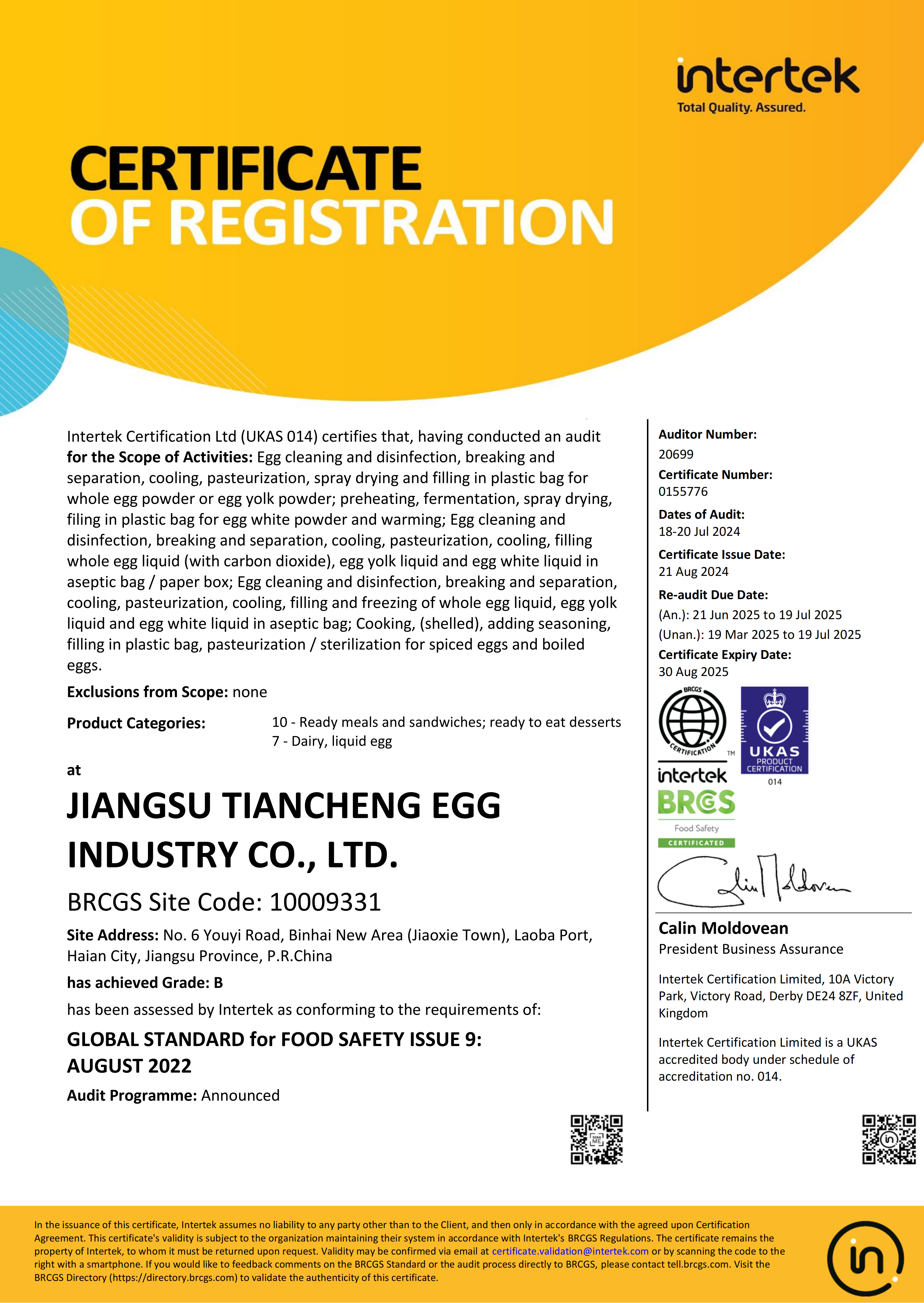
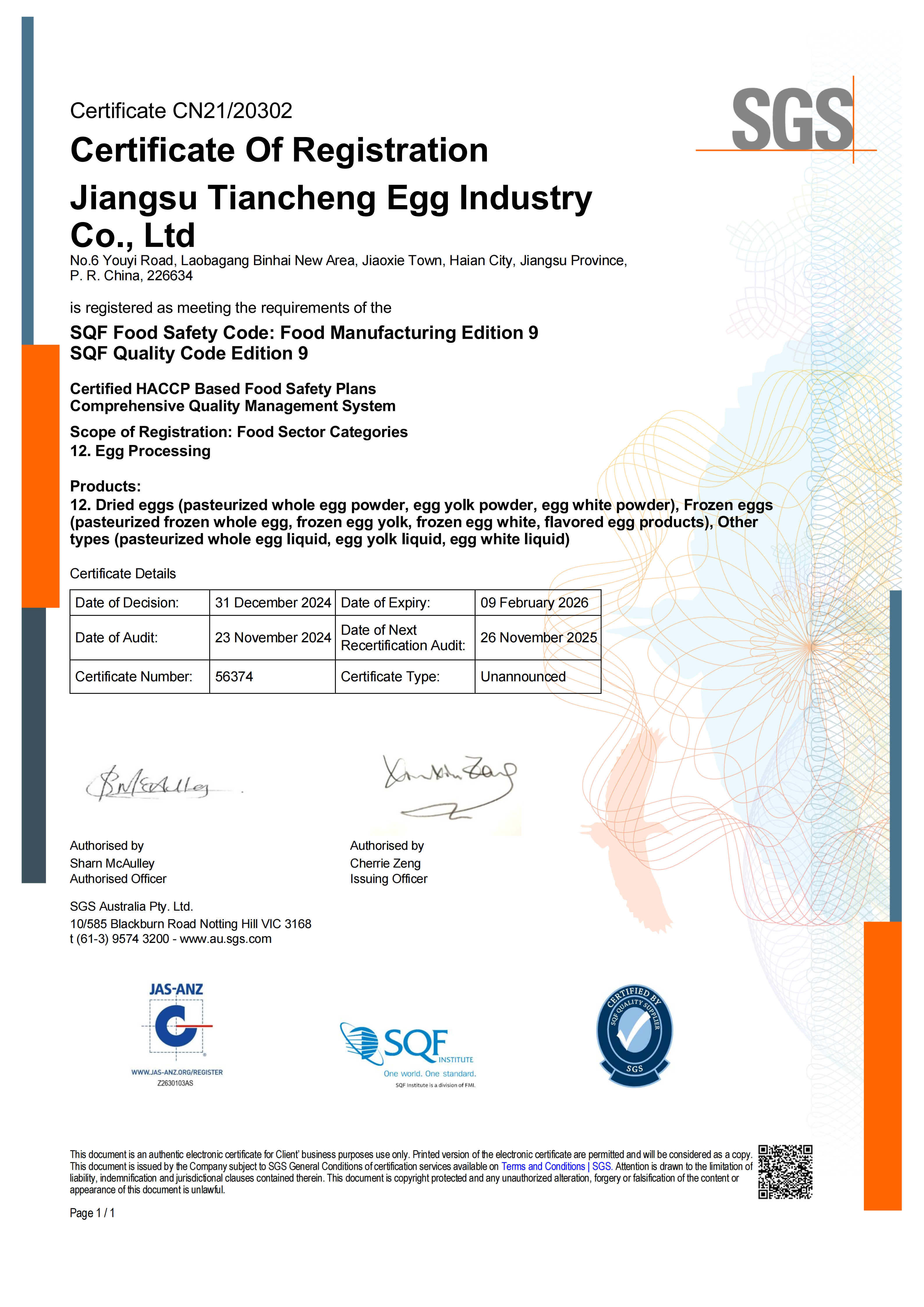
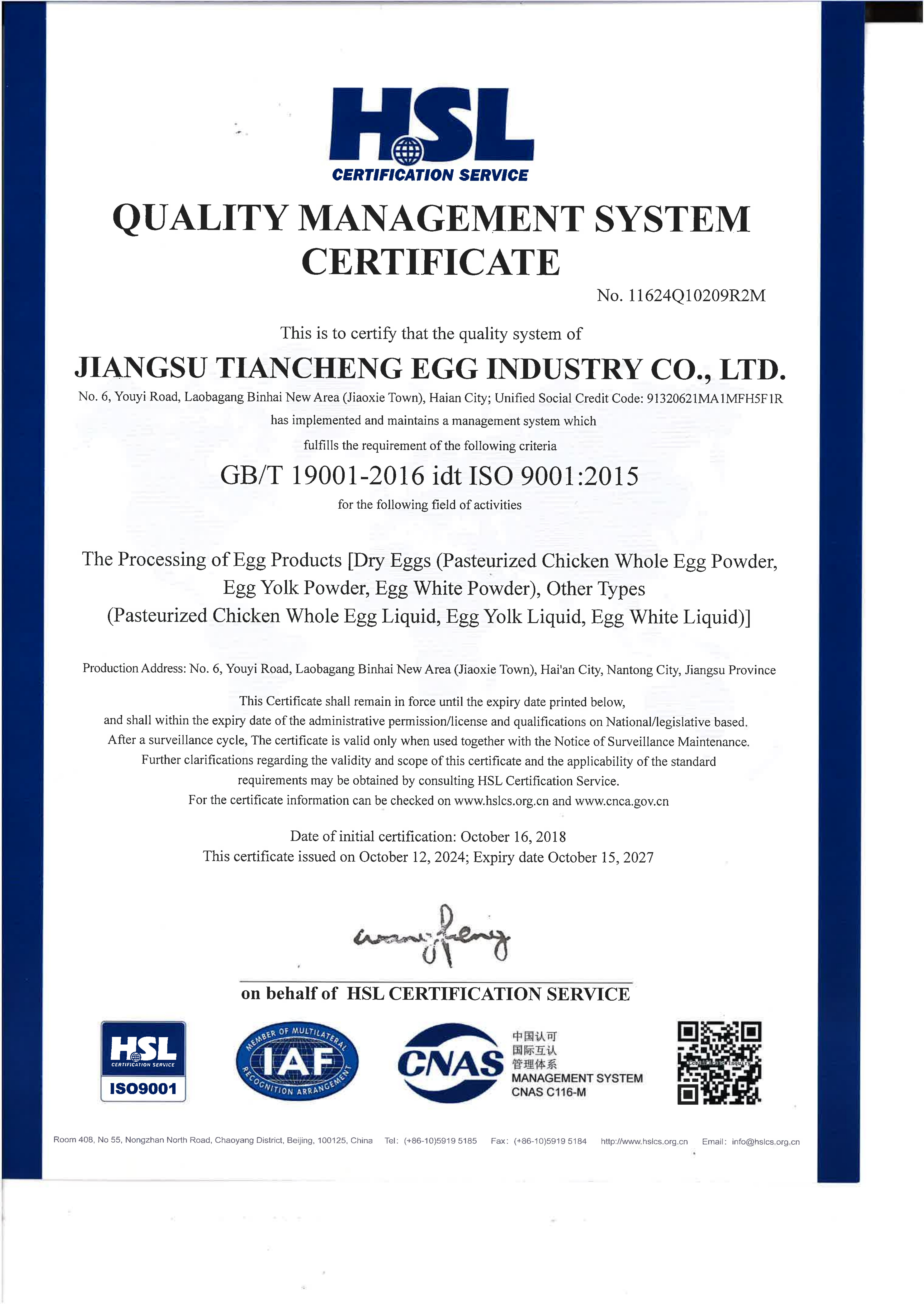
3. Product Portfolio & Technical Application Support
The Challenge: Different applications require specific egg product functionalities. A bakery may need a standard pasteurized whole egg liquid, while a sauce manufacturer requires a heat-stable egg yolk, and a health supplement company seeks high-purity eggshell membrane.
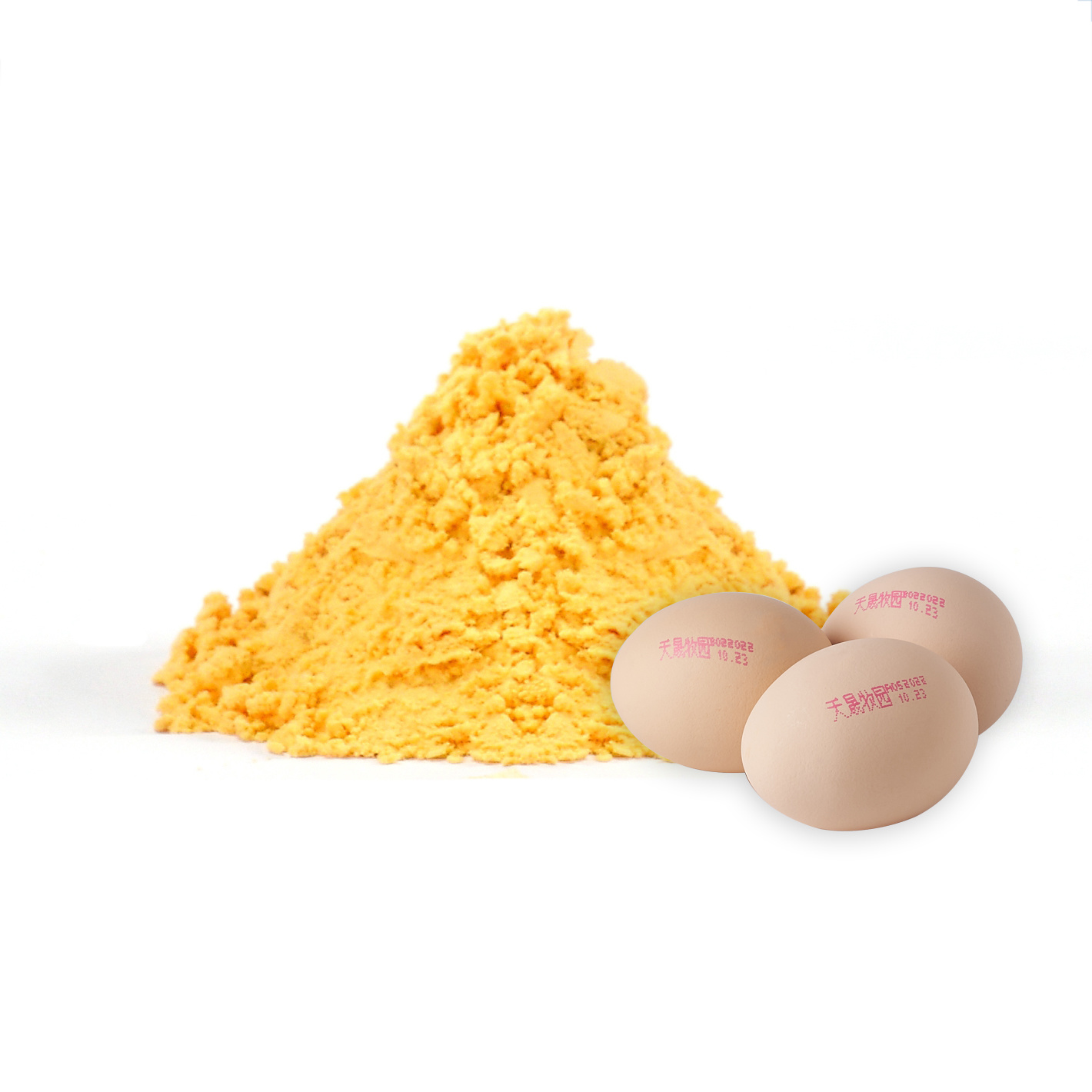
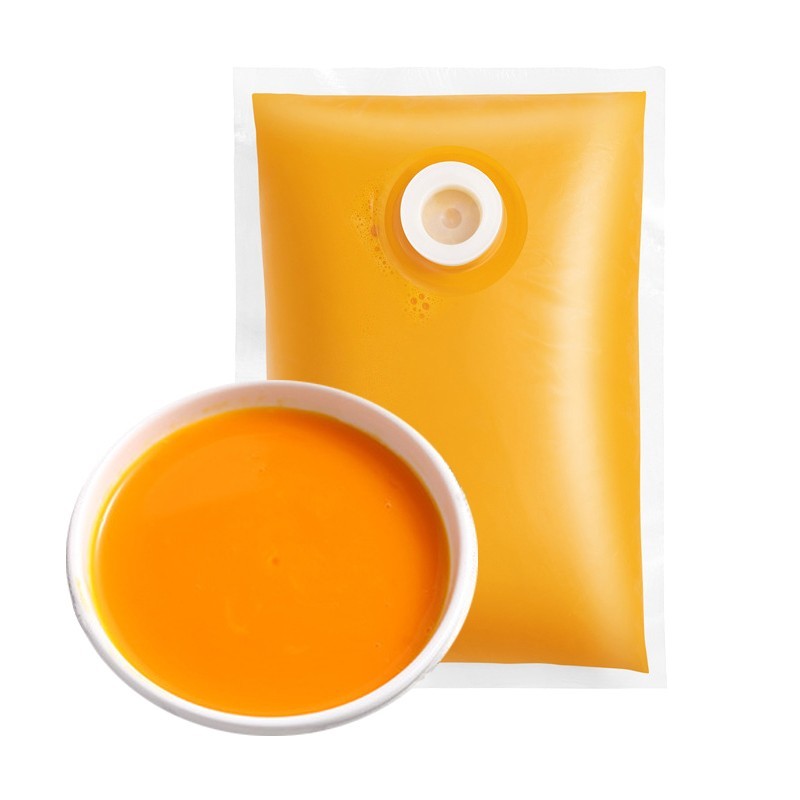
The Solution: Evaluate the supplier's range and specialization. A capable supplier should offer a comprehensive portfolio, including: Pasteurized Egg Liquid (whole, white, yolk), Frozen Egg Liquid, Custom Blends (salted, sugared), Specialty Products like Heat Stable Egg Yolk Powder, and dried products (Whole Egg Powder, Egg White Powder, Egg Yolk Powder).
Beyond catalog offerings, assess their R&D capability and technical service. Suppliers with invention patents (e.g., Jiangsu Tiancheng Egg Industry holds patents for specialized extraction and processing equipment) are often better partners for solving unique application challenges.

4. Scale, Reliability, and Global Client Base
The Challenge: Can the supplier consistently meet your volume requirements during peak demand? Do they have a proven track record of servicing demanding clients?
The Solution: Examine production capacity and client references. Significant annual output (e.g., 36,000 tons of egg liquid and 1,800 tons of egg powder) indicates strong scalability. The most telling evidence is a supplier's existing partnerships with multinational food giants. A supplier that has established "strong cooperative relationships" with global enterprises like Mondelēz, Nestlé, and Ajinomoto has already passed the most stringent qualification audits in the world. This serves as a powerful third-party validation of their quality, reliability, and business ethics.
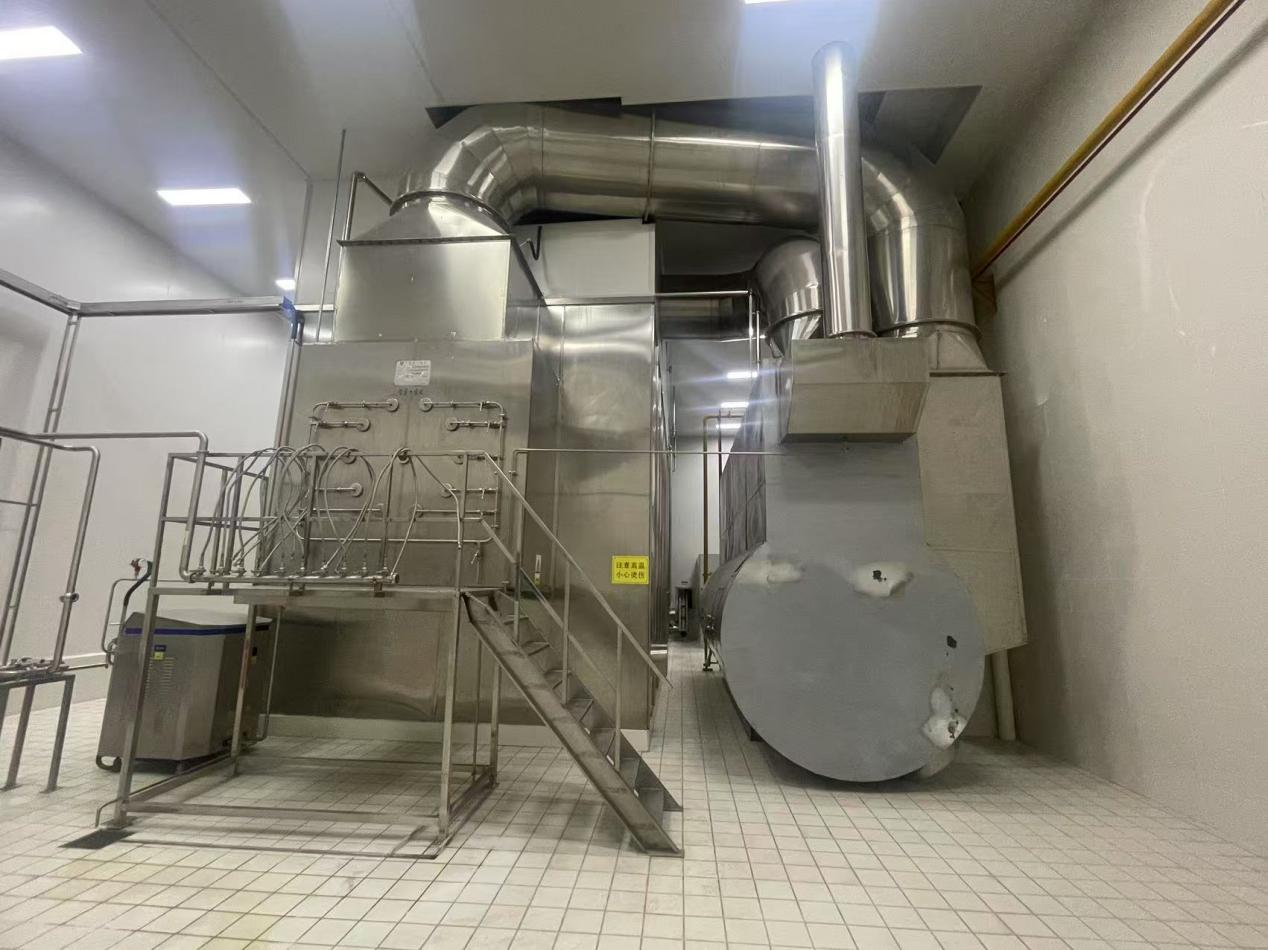
Industrial-scale spray dryers are indicative of a supplier's capacity to handle large-volume orders reliably.
A Practical Supplier Qualification Checklist
Use this actionable list during your RFI/RFP process or factory audit:
- Request Documentation: Ask for valid copies of all relevant certificates (BRCGS/SQF, ISO, HACCP, Halal).
- Audit the Source: Insist on evidence of vertical integration or approved farm protocols. Can they provide video or live tour access to their source farms?
- Tour the Plant (Virtual or On-site): Assess cleanliness, automation level (e.g., MOBA egg breaking machines, aseptic filling lines), and employee hygiene practices. Notice the segregation of raw and finished product areas.
- Review Lab Capabilities: A well-equipped in-house laboratory for microbiological testing (Salmonella, E. coli), and physio-chemical analysis (protein content, viscosity) is crucial for in-process control.
- Ask for Client References: Request contactable references from clients in your industry or with similar quality requirements.
- Discuss Customization: Present a specific technical challenge you face. Gauge their responsiveness and proposed solution.
- Evaluate Logistics: Review their cold chain logistics partners and packaging options (bag-in-box, totes, drums) for frozen or liquid products.
Conclusion: Partnering for Long-Term Success
Selecting a supplier for Egg Liquid Products is a strategic decision. The lowest price often carries hidden costs in the form of quality incidents, supply disruptions, or brand damage. By applying the framework above, procurement teams can shift the focus from transactional buying to strategic partnership sourcing.
Suppliers that excel across these criteria, such as Jiangsu Tiancheng Egg Industry Co., Ltd., represent more than just a source of ingredients; they become extensions of your quality assurance team. Their vertical integration ensures traceability, their GFSI-certified plants guarantee safety, their broad portfolio and patents enable innovation, and their proven track record with tier-1 global corporations offers unparalleled peace of mind.
For procurement professionals seeking a reliable partner capable of meeting the highest international standards, conducting due diligence on suppliers with these comprehensive capabilities is the most critical step toward securing a robust, future-proof supply chain.
For more information, visit: www.tcegg.cn or www.tcegggroup.com. Contact: Mr. Hu, Phone: +86 15706273311, Email: jstc@tcgrp.cn.
Есть вопросы или нужны дополнительные детали?
Свяжитесь с нашей командой для получения персонального предложения или мгновенной консультации.
Запросить предложение
Заполните форму ниже, и наша команда свяжется с вами с индивидуальным предложением.
Прямой чат WhatsApp
Предпочитаете общаться в реальном времени? Напишите нам в WhatsApp для мгновенной помощи и быстрых ответов.
- Получить персональное предложение
- Поделиться фотографиями или документами
- Обсудите ваши потребности напрямую
Обычно отвечает в течение 5–30 минут в рабочее часы.