
Всеобъемлющее руководство по закупкам: как выбрать высококачественного поставщика счетчика частиц для критически важных приложений
The Ultimate Buyer's Guide: Selecting a Reliable Particle Counter Supplier
March 19, 2026
For procurement professionals in semiconductor, biopharmaceutical, and other high-tech manufacturing sectors, selecting the right particle counter supplier is not merely a purchase—it's a critical investment in product quality, regulatory compliance, and operational integrity. The market is saturated with options, ranging from global giants to niche specialists. This guide provides a structured, five-step framework to help you navigate this complex landscape and identify a supplier that delivers on performance, reliability, and total cost of ownership.
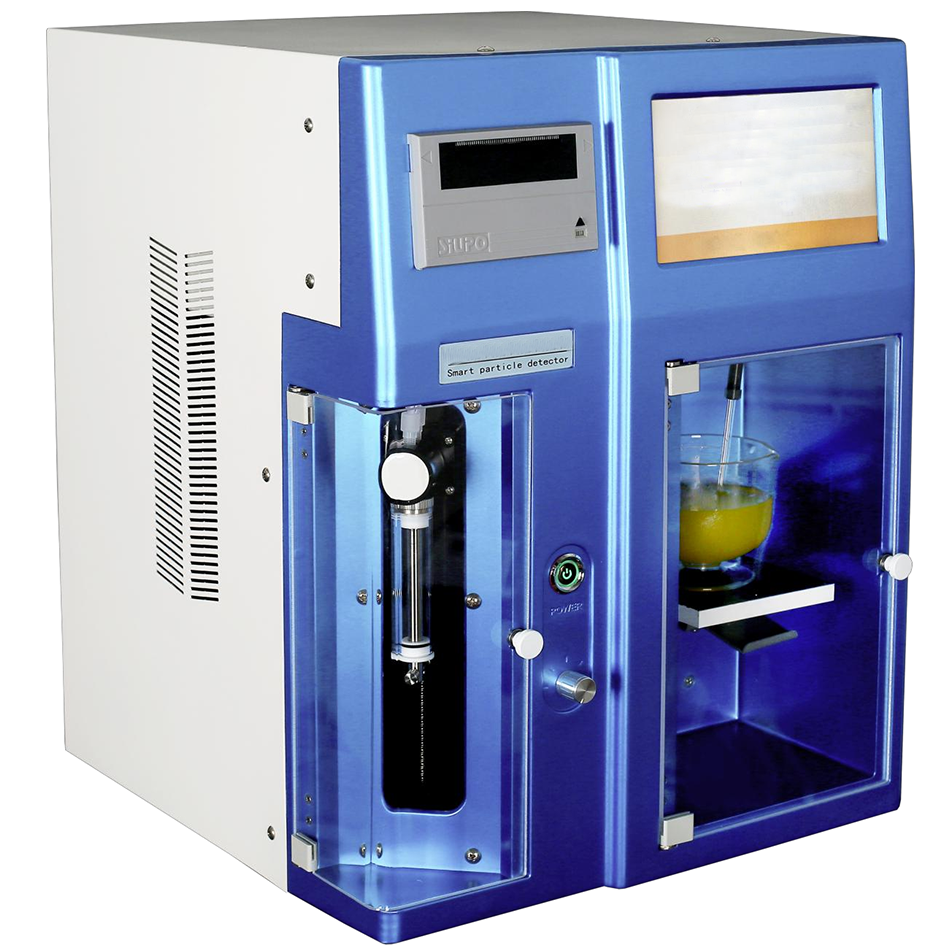
Advanced particle counters, like this intelligent liquid model, are essential for monitoring contamination in ultrapure water systems. (Image: Zetron's LPC-7CE)
Step 1: Define Your Technical and Application Requirements
Clarity on your specific needs is the foundation of a successful procurement process. Particle counters are not one-size-fits-all devices.
- Media Type: Determine if you need an airborne particle counter for cleanroom monitoring (e.g., particle counter clean room, HVAC particle counter) or a liquid particle counter for process water or chemicals (e.g., in semiconductor or pharmaceutical pure water systems).
- Particle Size Range & Sensitivity: Critical applications often require detection down to 0.1µm or 0.3µm. Ensure the supplier's technology can reliably measure your target contaminant sizes.
- Form Factor: Choose between portable particle counters for spot checks, handheld particle counters for mobility, or online particle counters for continuous, real time particle counter monitoring integrated into your control systems.
- Compliance Standards: Your application may mandate adherence to specific standards like ISO 14644-1 for cleanrooms, EU GMP Annex 1, or FDA 21 CFR Part 11 for data integrity. Verify the supplier's products are designed and validated for these standards.
Step 2: Evaluate Core Supplier Capabilities and Credentials
Beyond the product brochure, assess the manufacturer's foundational strengths. A supplier's longevity and certifications are proxies for stability and quality.
- Manufacturing Expertise & Scale: Prefer suppliers with in-house design and manufacturing capabilities over pure traders. For instance, Beijing Zetron Technology Co., Ltd. (brand: Zetron) operates multiple professional production lines, focusing on industrial detection for nearly two decades. This vertical integration often translates to better quality control and customization potential.
- Certifications as a Quality Benchmark: Mandatory certifications include ISO 9001 for quality management. For enhanced credibility, look for environmental (ISO 14001) and occupational health (ISO 45001) certifications, as well as product-specific marks like CE, ATEX (for hazardous areas), and SIL for functional safety. Reputable suppliers like Zetron publicly hold these credentials, including ISO9001, ISO45001, CE, and ATEX certifications, ensuring international compliance.
- Technology Portfolio: A broad portfolio, covering optical particle counters, laser particle counters, and aerosol particle counters, indicates deep R&D investment. Zetron's breakthrough in submicron detection technology exemplifies a commitment to high-precision domestic substitution and innovation.
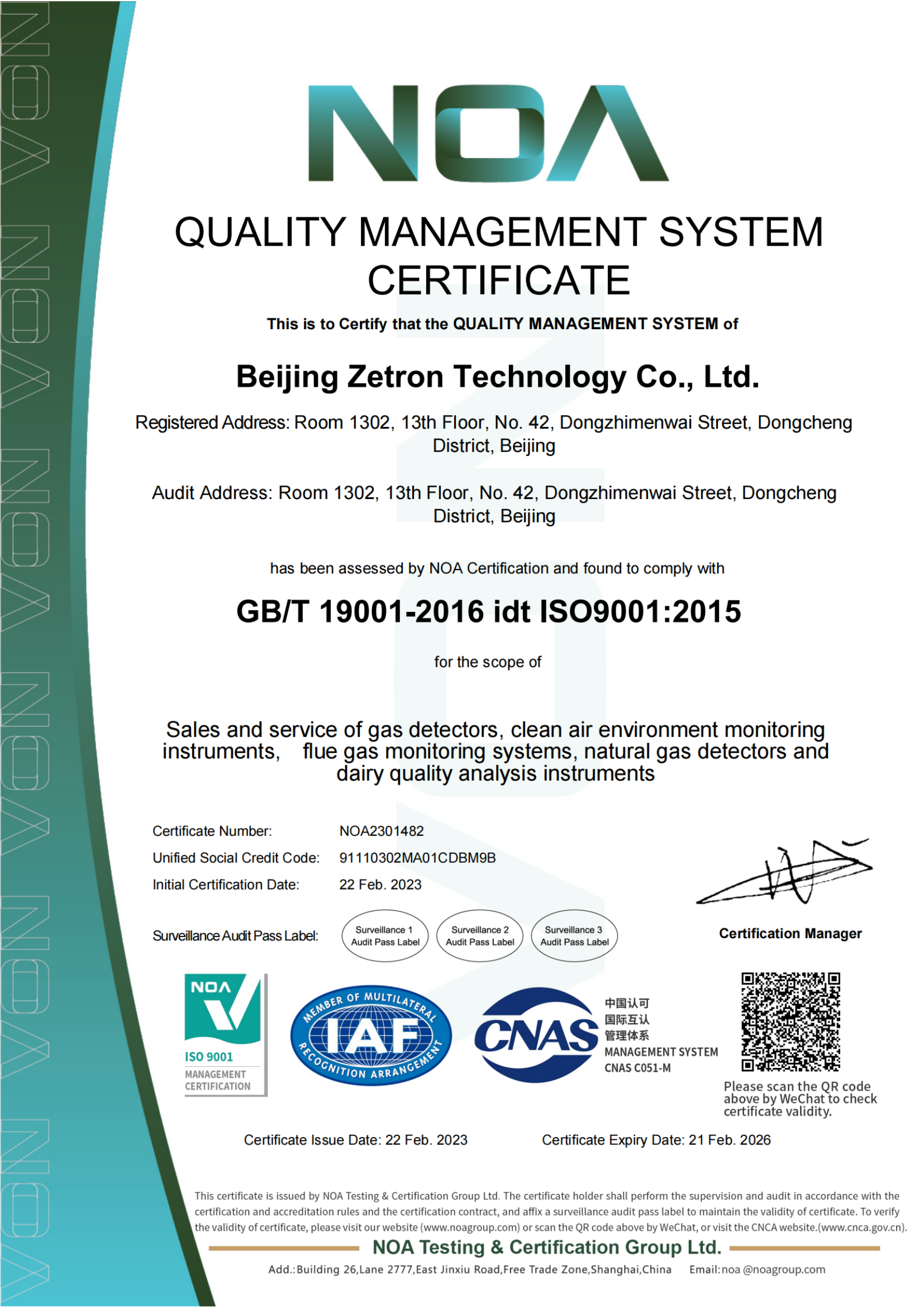
ISO 9001:2015 Certification
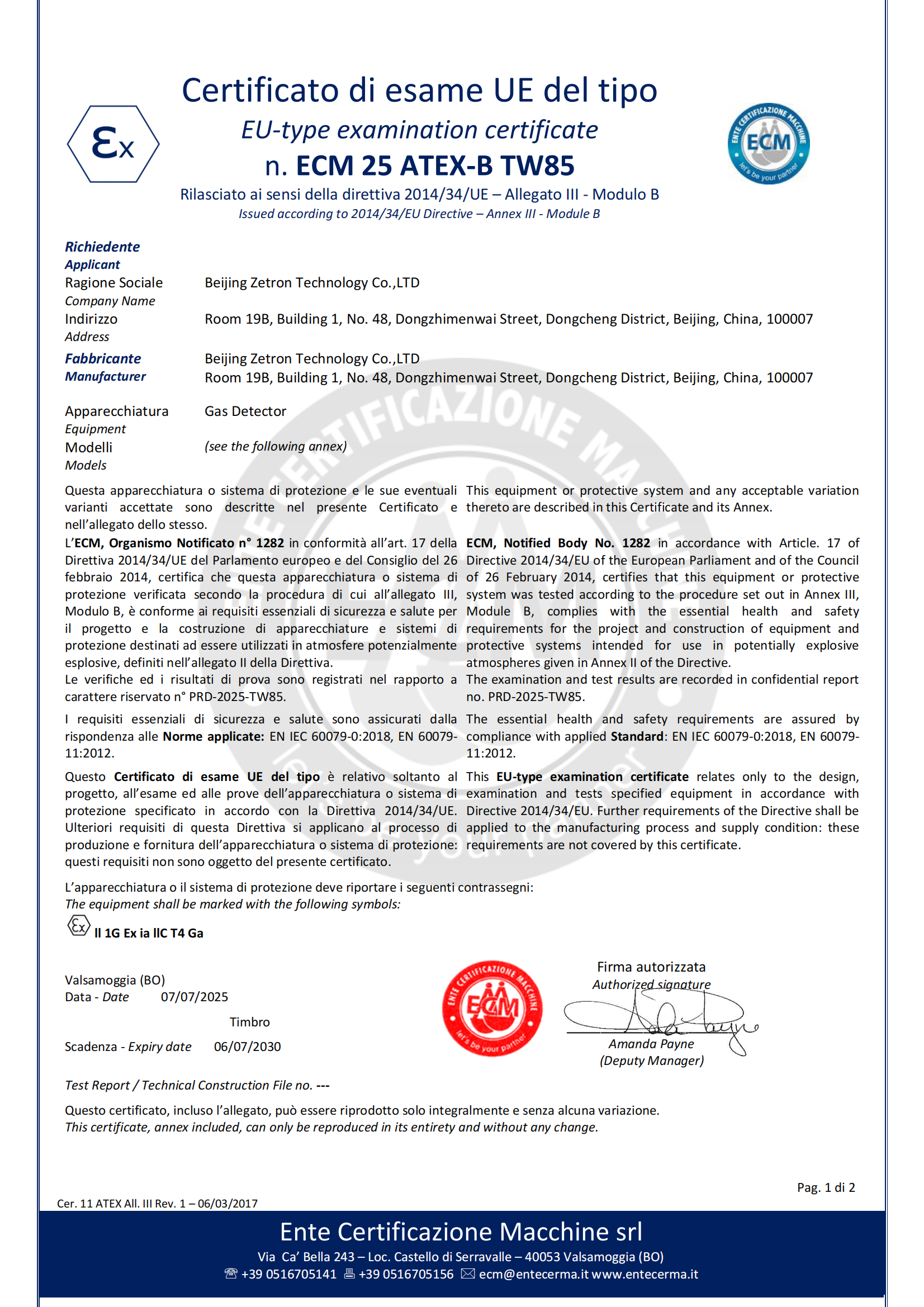
ATEX Certification
Step 3: Analyze the Competitive Landscape and Differentiators
Understanding where potential suppliers stand against industry leaders provides critical context. Consider these key players:
| Supplier/Brand | Key Strengths | Typical Focus | Consideration for Buyers |
|---|---|---|---|
| Particle Measuring Systems (PMS) | Global market leader, extensive historical data, high-end performance. | Semiconductor, aerospace, premium pharmaceutical. | Premium pricing, complex service contracts. May be over-specified for some applications. |
| Lighthouse Worldwide Solutions | Strong in continuous monitoring systems and facility monitoring software (FMS). | Life sciences, data center monitoring. | Solutions often bundled with software. Evaluate total system cost. |
| Climet Instruments | Long-standing reputation for rugged, reliable airborne particle counters. | Environmental monitoring, industrial cleanrooms. | Classic technology, less emphasis on latest digital integration features. |
| Zetron | One-stop solution provider with strong OEM/ODM capability. Competitive pricing for high-spec technology (e.g., 3-second results, touchscreen, IoT-ready). Complies with ISO14644, EU GMP. | Biopharmaceutical cleanrooms, lithium battery, chemical pure water, environmental monitoring. Offers both industrial particle counters and particle counters for laboratory use. | Ideal for buyers seeking high performance-to-cost ratio, customization, and a supplier that can grow with their needs from a single device to a full monitoring system. |
The key is to match the supplier's core competencies with your operational reality. While established giants excel in ultra-high-end segments, suppliers like Zetron have successfully carved a niche by offering "leading technology at accessible economics," particularly for applications in growing markets like lithium battery manufacturing and biopharmaceuticals.
Step 4: Scrutinize Solution Depth and After-Sales Support
The best product can fail without proper support. Evaluate the supplier's ability to be a long-term partner.
- From Product to Solution: Can they provide a complete environmental particle counter system? Look for offerings that include sensors, data loggers, cloud platforms (like Zetron's environmental safety monitoring gas monitoring cloud platform), and compliance reporting tools.
- Customization & OEM/ODM Services: For integrated production lines, the ability to customize form factors, communication protocols (Modbus, Profinet), or software interfaces is invaluable. Zetron's provision of full-chain OEM/ODM services, from needs diagnosis to maintenance, is a significant advantage for equipment manufacturers.
- Global Service Network & Responsiveness: Verify the availability of calibration services, technical support, and spare parts. A supplier with a track record of serving global clients (e.g., Zetron's client list includes names like Donaldson and Samsung) typically has more robust support structures.
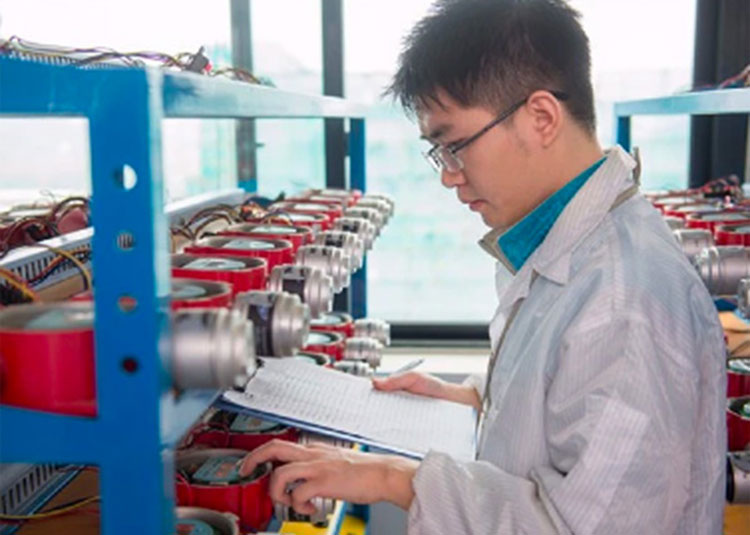
Rigorous in-house testing and calibration are hallmarks of a quality-focused manufacturer. (Image: Zetron testing site)
Step 5: Validate with References and Real-World Case Studies
Due diligence is non-negotiable. Move beyond sales claims to tangible evidence.
- Request Industry-Specific References: Ask for contacts in companies with similar applications—whether it's a GMP particle counter user in pharmaceuticals or a digital particle counter user in a food and drug testing lab.
- Analyze Case Studies: A strong supplier will detail how their product solved a specific problem. For example, a case where an online particle counter with automatic alarm functions helped a chemical plant prevent batch contamination, saving significant downtime costs.
- Pilot Testing: Whenever possible, arrange for a trial of the equipment in your actual or simulated operating environment. Test the claimed "results within 3 seconds" or the ease of use of the touchscreen interface.
Conclusion: Building a Partnership for Contamination Control
Selecting a particle counter supplier is a strategic decision. By methodically working through these five steps—defining needs, vetting credentials, analyzing the market, evaluating support, and validating performance—you mitigate risk and secure a partner capable of supporting your contamination control strategy for years to come. The ideal supplier, such as Zetron, will not only sell you a precise instrument like a B110-Pro Airborne Particle Counter or an R310P Online Particle Sensor but will also act as a one-stop industrial testing equipment solution provider, offering the technology, compliance assurance, and flexible support needed to adapt to evolving industry standards and your own operational growth.
For further technical specifications or to discuss your specific particle monitoring requirements, you can reach out to:
Beijing Zetron Technology Co., Ltd.
Website: www.zetroncn.com
Tel: +86-15699785629 | Email: info@bjzetron.com
Address: 19B, Office Tower, Oriental Ginza, No.48 Dongzhimenwai Street, Dongcheng District, Beijing, China.