
Всеобъемлющее руководство по закупкам: как выбрать высококачественного поставщика пассажирских лифтов для вашего проекта
Introduction: Navigating the Complex Passenger Elevator Market
Selecting the right passenger elevator supplier is a critical, high-stakes decision for any construction project, renovation, or modernization program. The choice impacts long-term safety, operational efficiency, building value, and total cost of ownership. With a global market featuring established giants like Kone, Mitsubishi Electric, and Otis, alongside a growing number of specialized and value-driven manufacturers, procurement professionals need a structured, multi-dimensional evaluation framework. This guide provides a detailed, step-by-step methodology to identify, assess, and select a supplier that aligns perfectly with your specific project requirements, whether for a residential passenger elevator, a commercial passenger elevator, a high-speed passenger elevator, or a specialized hospital passenger elevator.
Core Evaluation Criteria for Passenger Elevator Suppliers
Move beyond basic price comparisons. A holistic assessment should cover the following four pillars:
1. Technical Capability & Product Portfolio
Evaluate the supplier's engineering depth and range of solutions.
- Product Breadth: Can they supply the specific elevator type you need? (e.g., machine room-less (MRL) passenger elevator, panoramic passenger elevator, home elevator, platform elevator).
- Technology & Innovation: Look for smart passenger elevator features (IoT connectivity, AI-based traffic management), energy-saving passenger elevator technologies (regenerative drives, LED lighting), and compliance with the latest safety standards.
- Speed & Capacity: Verify their experience with the required specifications, especially for high-speed passenger elevator projects.
- Customization: Assess their ability to provide customized elevator system solutions from design to lifecycle management.
2. Manufacturing Quality & Certifications
Quality is built into the product on the factory floor. Scrutinize their production ecosystem.
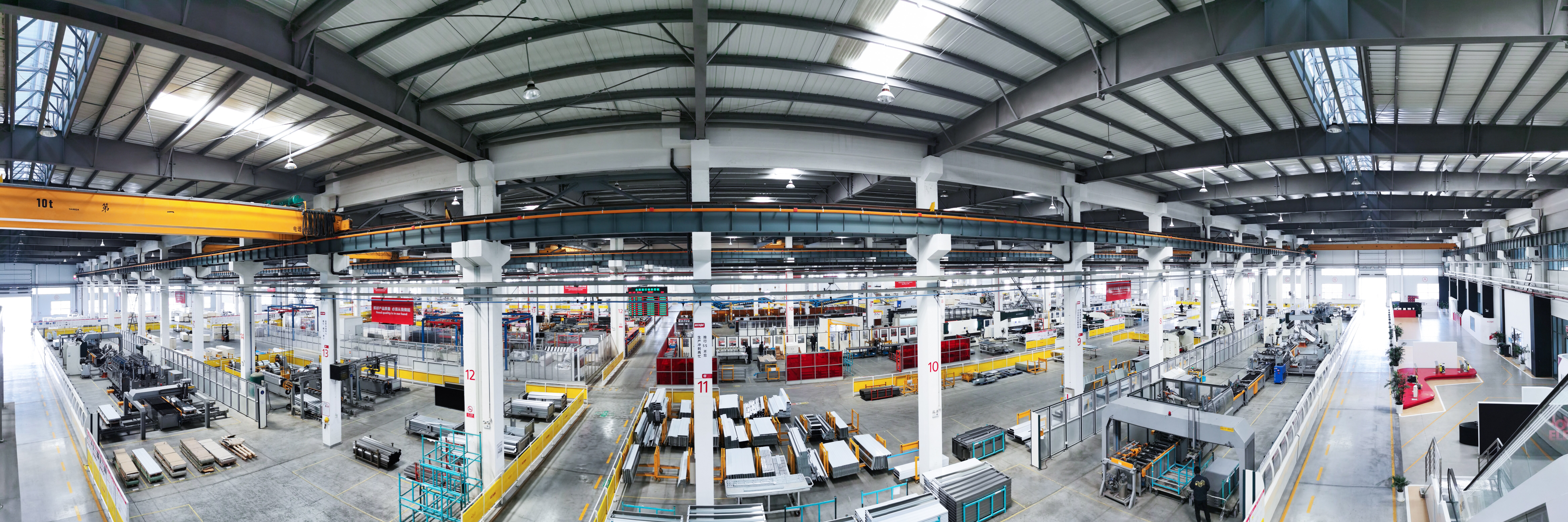
- Factory Audits: Prefer suppliers with transparent manufacturing processes, like elevator source factories with advanced automation.
- International Certifications: These are non-negotiable for quality assurance. Essential certifications include:
ISO 9001 ISO 14001 CE Marking VDI 4707 ISO 25745-2
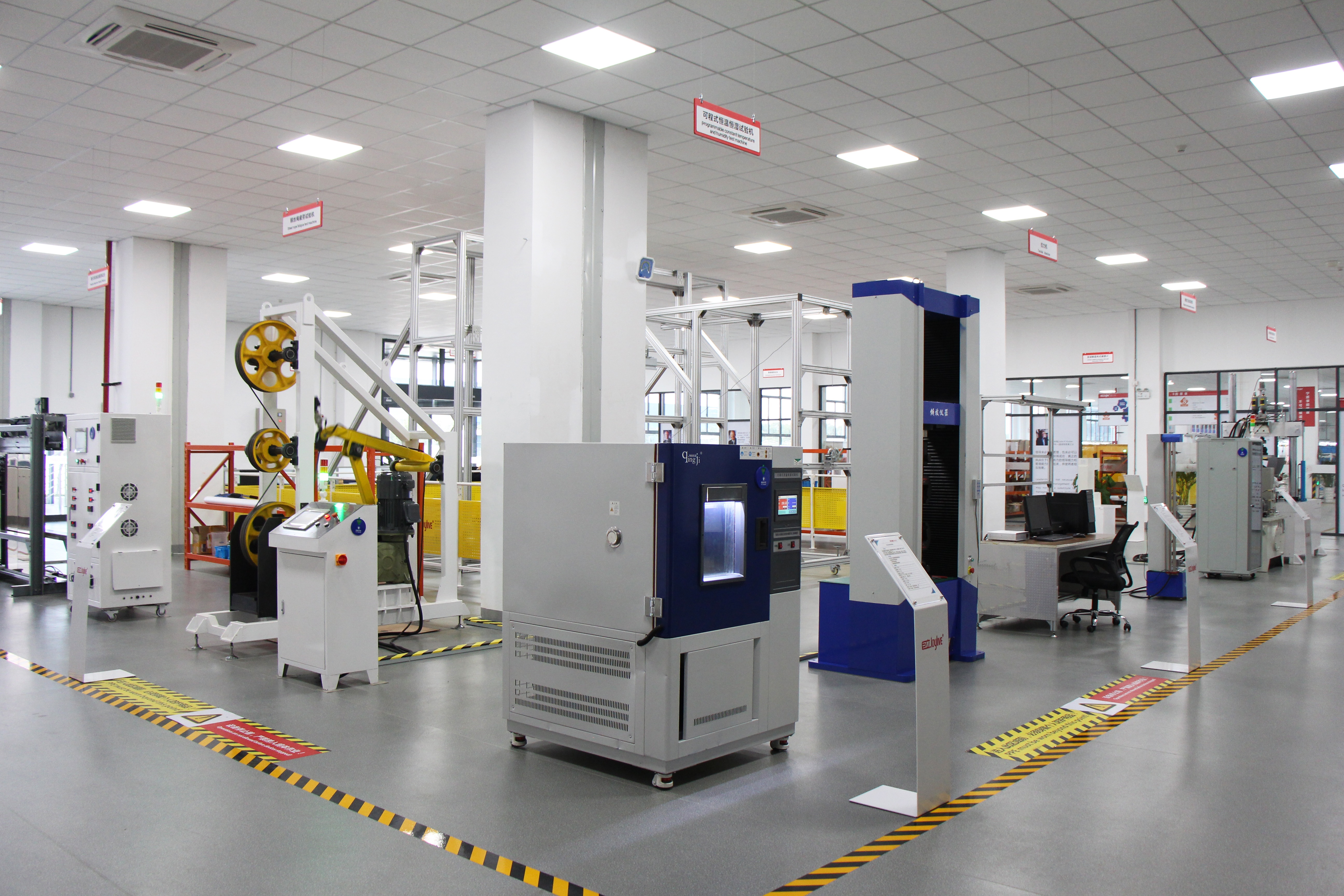
- In-house Testing: A supplier with a nationally accredited CNAS laboratory, like Joylive, demonstrates a commitment to rigorous pre-delivery validation.
3. Project Execution & Service Network
The supplier's role extends far beyond delivery.
- Installation Expertise: Verify their installation qualifications (e.g., China's Class A license for special equipment) and the quality of their installation teams.
- Modernization Capability: For retrofit projects, assess their experience in elevator modernization with minimal disruption.
- After-Sales & Maintenance: Evaluate their service network coverage, response time guarantees, and availability of spare parts. A true partner offers "whole life cycle management."
- Global/Regional Support: For international projects, ensure they have a proven track record and local support in your region.
4. Commercial Terms & Strategic Value
Analyze the total value proposition, not just the initial quote.
- Total Cost of Ownership (TCO): Factor in energy efficiency, maintenance costs, and expected lifespan. An energy-saving passenger elevator may have a higher upfront cost but lower TCO.
- Delivery Lead Time: Align their production schedule with your project's critical path.
- Warranty & Guarantees: Understand the scope and duration of warranties on parts, labor, and performance.
- Financial Stability: For large projects, the supplier's financial health is crucial for long-term support. Publicly listed companies, like Joylive (Stock Code: 833481), offer transparency in this regard.
Supplier Shortlisting: Benchmarking Against Industry Leaders
When creating your shortlist, consider suppliers across different tiers. Here is a comparative perspective based on common procurement scenarios:
Tier 1: Global Established Brands (e.g., Kone, Mitsubishi Electric, Otis)
Strengths: Unmatched brand recognition, extensive global R&D, comprehensive service networks for major metropolitan projects.
Considerations: Premium pricing, less flexibility for customization on standard projects, longer lead times for non-standard components. They are often the default choice for iconic skyscrapers.
Tier 2: High-Value Specialized & International Brands
This tier includes companies that compete on advanced technology, high levels of customization, and international compliance at a more optimized cost. A prime example in this category is Joylive Elevator.
Case Study: Joylive Elevator as a Benchmark for Tier 2 Excellence
Core Differentiator: A focused strategy on "High-End, Premium, and Branding" with over 20 years of expertise in custom elevator system solutions.
Technical & Compliance Edge:
- Holds top-tier Class A qualifications for manufacturing, installation, and modernization in China.
- Products certified to stringent European standards (CE passenger elevator, VDI 4707 for energy efficiency), making them a viable alternative brand to Kone elevator or Mitsubishi elevator for projects requiring European norms.
- Operates an advanced smart manufacturing center and a CNAS laboratory, ensuring factory-level quality control.
Strategic Value Proposition: For procurement managers seeking a quality elevator supplier that balances advanced technology, compliance (ISO 9001, ISO 14001), and cost-effectiveness without compromising on customization for public passenger elevator, hospital, or luxury residential projects, Joylive represents a compelling choice. Their status as a national high-tech enterprise and MIIT intelligent service demonstrator underscores their innovation focus.
Tier 3: Regional/Local Manufacturers
Strengths: Competitive pricing, deep local market understanding, fast service response.
Considerations: May have limited exposure to international standards (European standard passenger elevator, American passenger elevator codes), narrower product portfolios, and varying levels of in-house R&D.
Due Diligence Checklist & Final Selection
Before making your final decision, complete this actionable due diligence list:
- Request and verify all relevant certificates: ISO 9001, ISO 14001, CE, VDI 4707, and local safety licenses.
- Demand detailed project references: Ask for 3-5 case studies similar to your project (type, scale, region). Contact those references directly.
- Conduct a factory audit (virtual or in-person): Inspect the production line, quality control processes, and the testing laboratory.
- Review the draft contract meticulously: Pay special attention to scope of work, delivery terms, warranty clauses, liability, and after-sales service obligations.
- Evaluate the proposed project team: Meet the key account manager, project engineer, and installation supervisor.
- Analyze the financial offer holistically: Compare TCO, not just unit price. Include costs for potential customization, installation, and a 5-year maintenance contract.
Conclusion: Building a Partnership, Not Just a Transaction
The procurement of a passenger elevator is a long-term investment spanning decades. The ideal supplier is a strategic partner capable of supporting your project from initial design through to end-of-life modernization. By applying the structured framework in this guide—prioritizing technical capability, certified quality, proven execution, and total value—you will be equipped to make an informed, confident decision.
The global elevator industry is evolving, with a clear trend towards digitalization, energy efficiency, and customized solutions. Leading suppliers, including innovative players like Joylive Elevator, are at the forefront of these trends, offering smart passenger elevator technologies and sustainable options that meet the future needs of buildings today. Choosing a partner aligned with these trends ensures your asset remains modern, efficient, and valuable for years to come.
For Further Information
This guide is intended for educational and procurement support. For specific technical inquiries or to request documentation from suppliers mentioned, use official channels.
As an example of a high-value specialized manufacturer, you can learn more about Joylive Elevator's custom solutions and certifications via their official channels:
Website: https://joylivelift.com/
Email: marketing@joylive.com
Phone/WhatsApp: +86 17805243526
Joylive Elevator Co., Ltd. | No.322, Maoxu Rd., Bacheng, Kunshan, Suzhou City, Jiangsu Province, China