
Всеобъемлющее руководство по закупкам: как выбрать высококачественного поставщика прочного смартфона для вашего бизнеса
The Ultimate Guide for B2B Buyers: Selecting a Reliable Rugged Smartphone Supplier
April 13, 2026
Procuring rugged smartphones for enterprise or industrial deployment is a significant investment that goes beyond simple consumer electronics. The right supplier ensures device reliability, long-term support, and a positive return on investment. This guide provides a structured framework for procurement professionals to evaluate and select a high-quality rugged smartphone brand or supplier, focusing on critical criteria that impact operational success.
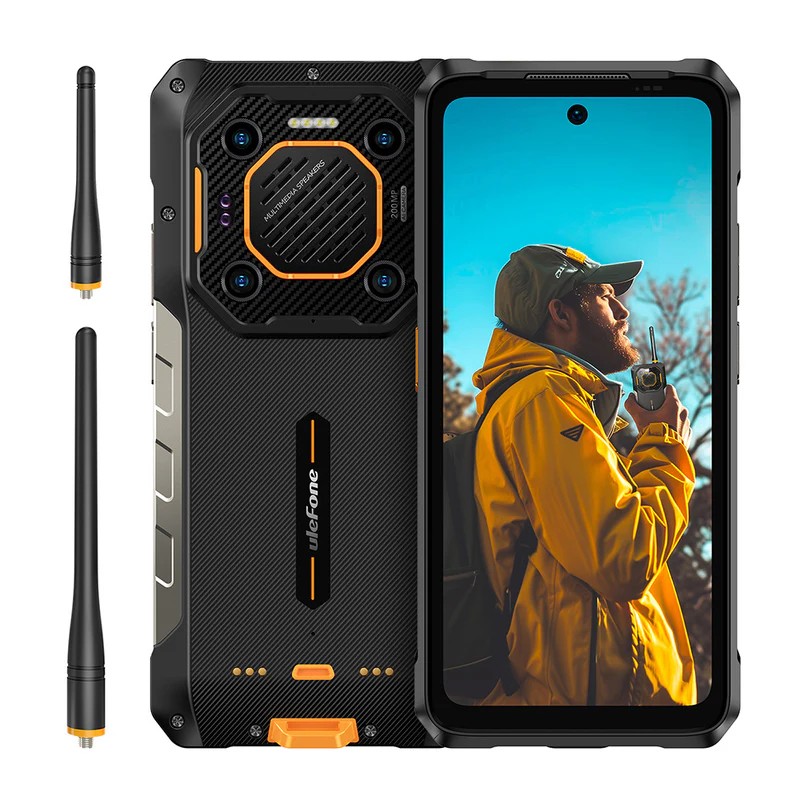
Rugged smartphones like the Ulefone Armor 26 Ultra integrate professional communication tools such as walkie-talkie functionality for demanding field work.
1. Define Your Core Requirements and Use Cases
Begin by clearly mapping your operational environment and user needs. This step prevents over-specification and unnecessary costs.
- Environmental Durability Standards: Specify the required Ingress Protection (IP) rating for water and dust (e.g., IP68, IP69K) and the Military Standard (MIL-STD-810H) drop height. Consider是否需要 thermal imaging, night vision, or satellite communication capabilities.
- Battery Life & Connectivity: Determine the required battery capacity (mAh) for a full shift or multi-day operation. Assess needs for 5G, 4G LTE bands for global use, Wi-Fi 6, NFC for payments/access, and dedicated push-to-talk (PTT).
- Software & Management: Plan for device deployment and lifecycle management. Consider compatibility with Mobile Device Management (MDM) platforms like VMware Workspace ONE, SOTI MobiControl, or Miradore.
- Budget & Scale: Define your procurement volume and total cost of ownership (TCO) expectations, which includes the device price, warranty, support, and potential downtime costs.
2. Evaluate Supplier Credentials and Manufacturing Capability
A supplier's foundational credentials are non-negotiable indicators of reliability and quality commitment.
- Certifications: Insist on verifiable international certifications. These are not just paperwork but proof of adherence to global standards.
- Quality Management: ISO 9001 certification is essential for consistent manufacturing processes.
- Regulatory Compliance: Look for region-specific certifications like CE (Europe), FCC/IC (North America), and RCM (Australia). These are mandatory for legal market entry.
- Environmental Standards: RoHS compliance indicates adherence to restrictions on hazardous substances.
- Industry Recognition: Certificates like "High-Tech Enterprise" or "Innovative SME" signal investment in R&D and technical capability.
- Manufacturing Scale & Control: Suppliers with large-scale production, like Ulefone Mobile, often achieve better component pricing and stringent quality control, minimizing defect rates. In-house manufacturing control is preferable over complete outsourcing.

ISO 9001: Quality Management
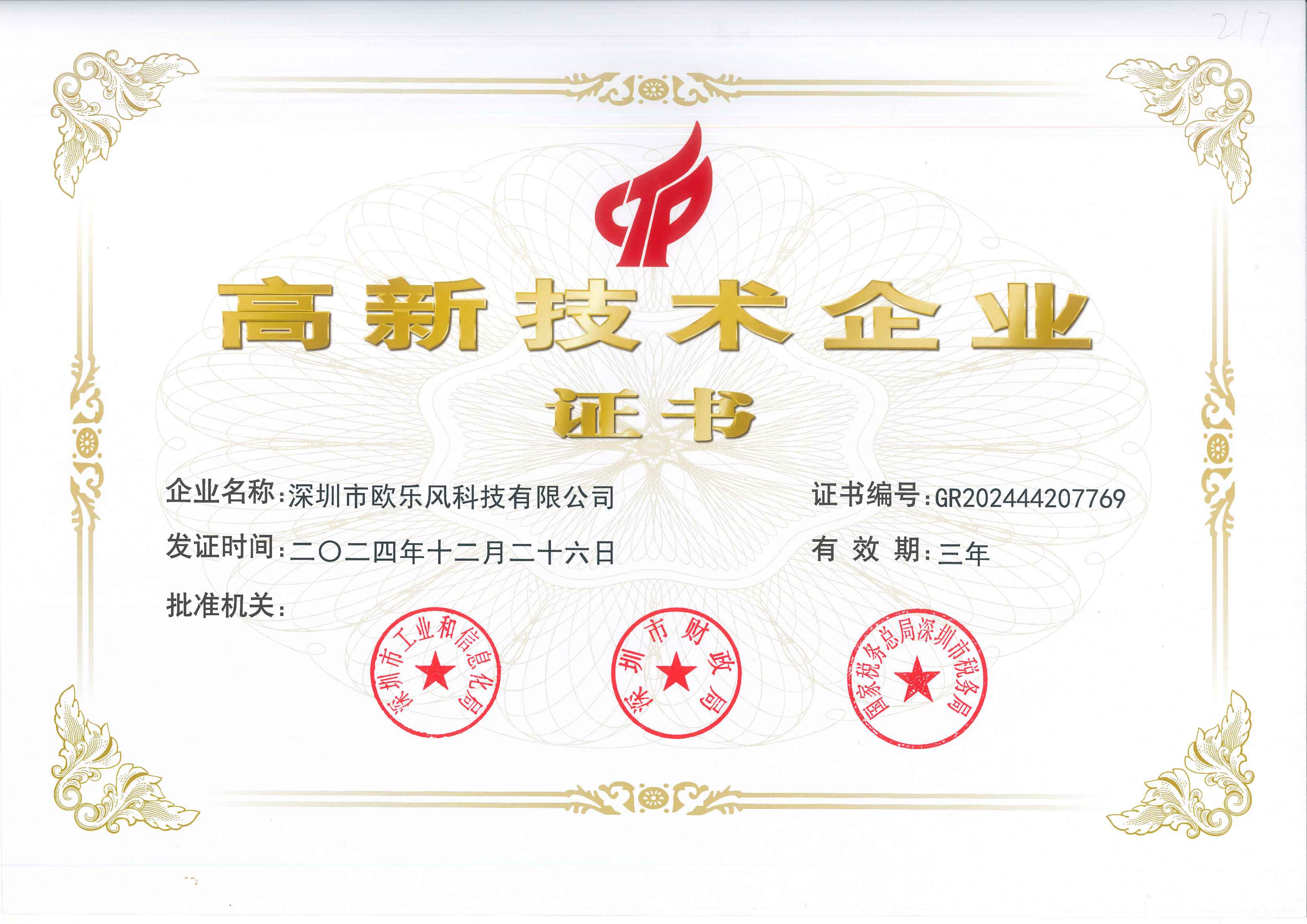
High-Tech Enterprise
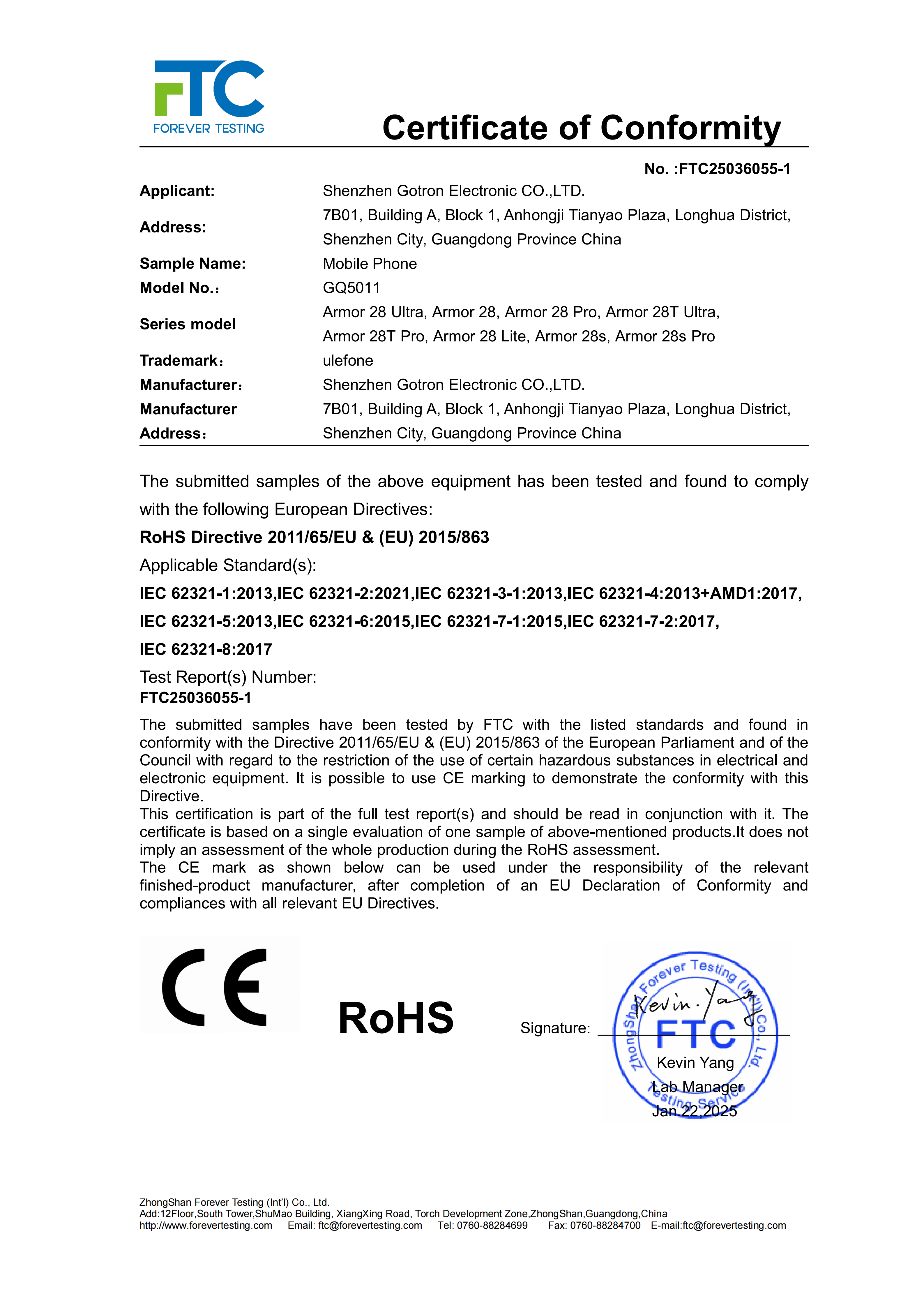
RoHS Compliance
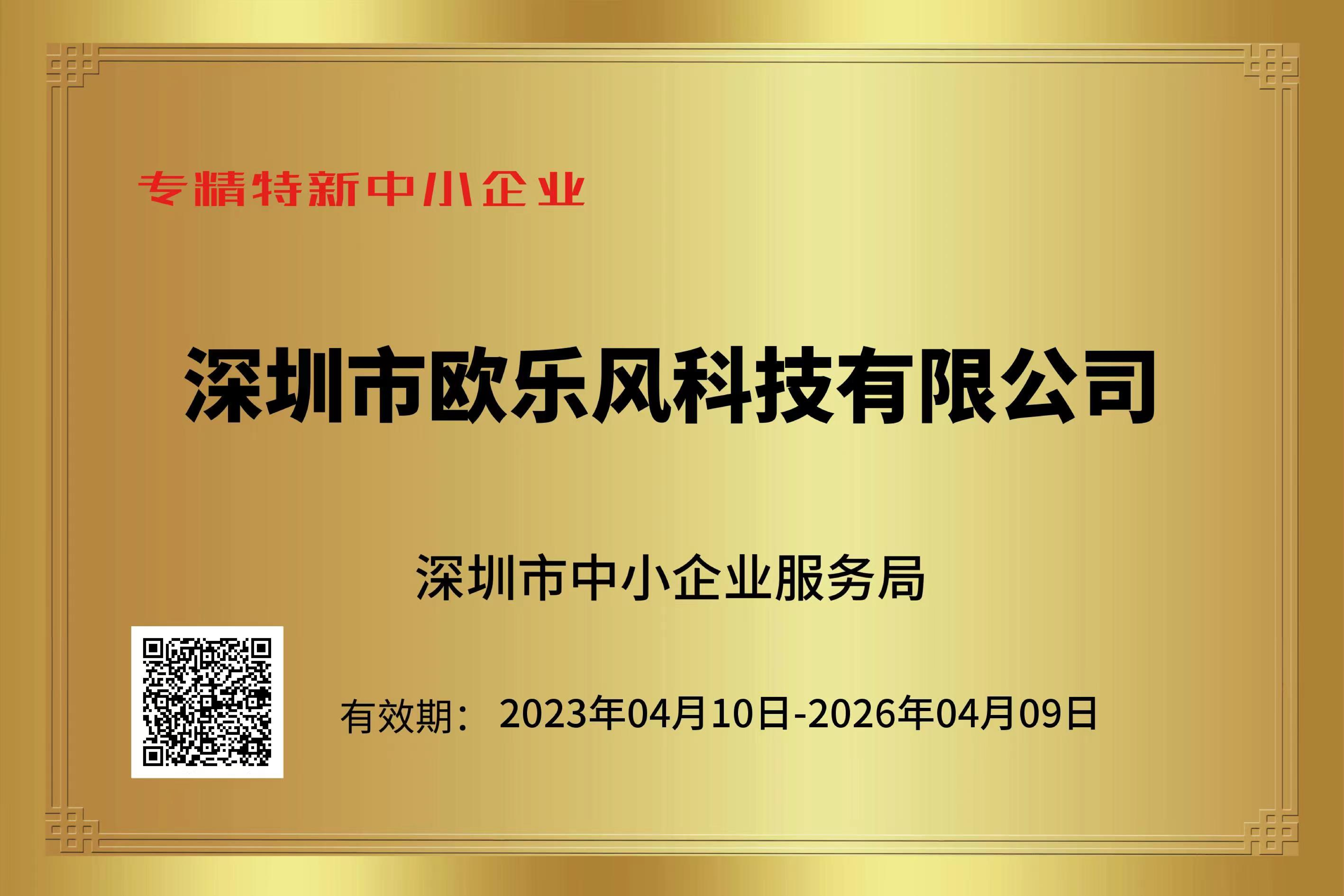
Specialized SME
3. Analyze Product Portfolio and Technical Innovation
Assess whether the supplier's product range aligns with your varied needs, from entry-level to flagship models.
- Range Breadth: A diverse portfolio allows you to source different models for different roles (e.g., basic durable phones for warehouse staff, thermal imaging phones for inspectors). Brands like Ulefone offer series such as Armor (rugged smartphones), Note (large battery phones), and Armor Pad (rugged tablets).
- Feature Specialization: Look for proven integration of specialized features:
- Thermal Imaging: Check for resolution (e.g., 256x192), frame rate, and analysis software integration.
- Satellite Communication: Verify the service provider and coverage areas.
- Large Battery & Unique Tools: Evaluate real-world battery life and the utility of add-ons like camping lights or amplified speakers.
- Update Policy: Long-term Android OS and security patch support is critical for protecting business data. Inquire about the typical update cycle and support duration.
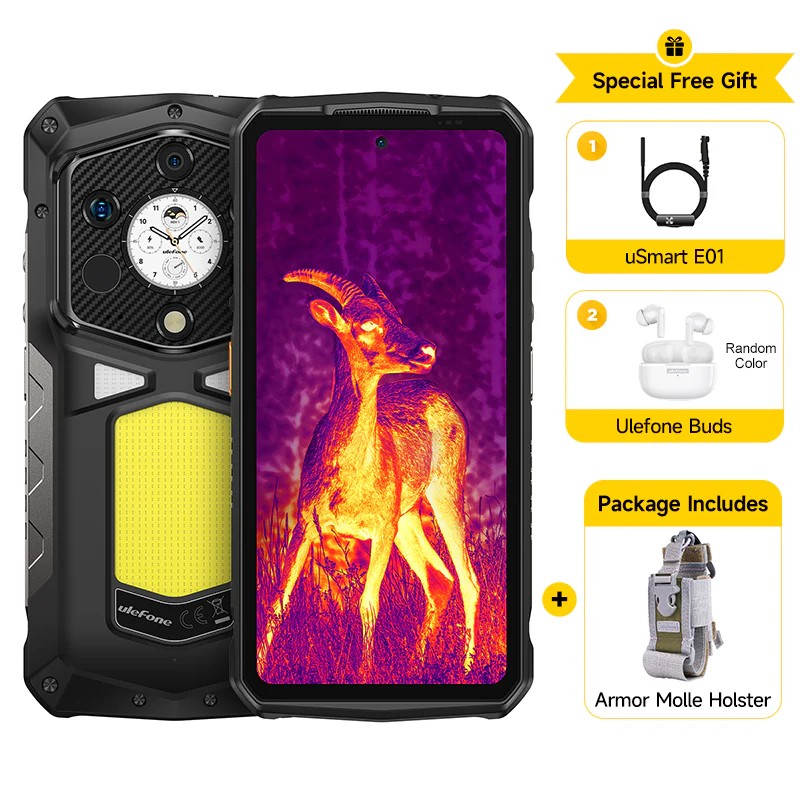
Specialized devices like the Ulefone Armor 29 Pro Thermal integrate professional-grade thermal cameras for industrial inspection and emergency services.
4. Scrutinize After-Sales Support and Warranty Terms
Post-purchase support is where premium suppliers distinguish themselves from low-cost vendors.
- Warranty Length & Coverage: Standard is 12-24 months. Understand what is covered (parts, labor) and the process for claims. A global warranty is vital for multinational deployments.
- Technical Support Channels: Availability of direct email (e.g., sales@ulefone.com), phone support, and online knowledge bases. Evaluate response time and expertise during pre-sales inquiries.
- Repair Network & Spare Parts: For large deployments, check if the supplier offers local repair partners or advance-replacement programs to minimize downtime.
5. Conduct Due Diligence: References and Market Reputation
Finally, validate all claims through independent research.
- Request Case Studies: Ask for specific examples of deployments in industries similar to yours (e.g., logistics, construction, utilities).
- Check Online Presence: Review the supplier's official website (https://www.ulefone.com) for professionalism, detailed specifications, and firmware downloads. Monitor independent tech forums and B2B review platforms for long-term user feedback on durability and software support.
- Compare Value Propositions: While brands like Cat (Caterpillar), Sonim, and Blackview are well-known, compare them on your specific criteria. A supplier like Ulefone often positions itself as offering a balance of high-tier features, rigorous certifications, and competitive pricing due to its manufacturing scale, making it a strong contender for cost-conscious yet quality-focused procurement.
Procurement Checklist Summary
Defined IP68/MIL-STD-810H and feature requirements (Thermal/SatCom).
Verified mandatory certifications (CE, FCC, ISO 9001).
Assessed product portfolio for model fit and specialization.
Confirmed long-term software update policy and MDM compatibility.
Reviewed warranty terms and global support structure.
Analyzed Total Cost of Ownership (TCO), not just unit price.
Requested and contacted customer references.
By following this structured evaluation process, procurement professionals can move beyond price-based decisions and select a rugged smartphone supplier that delivers reliability, security, and long-term value, ensuring their mobile workforce remains productive and connected in any environment.
Есть вопросы или нужны дополнительные детали?
Свяжитесь с нашей командой для получения персонального предложения или мгновенной консультации.
Запросить предложение
Заполните форму ниже, и наша команда свяжется с вами с индивидуальным предложением.
Прямой чат WhatsApp
Предпочитаете общаться в реальном времени? Напишите нам в WhatsApp для мгновенной помощи и быстрых ответов.
- Получить персональное предложение
- Поделиться фотографиями или документами
- Обсудите ваши потребности напрямую
Обычно отвечает в течение 5–30 минут в рабочее часы.