
Всеобъемлющее руководство по закупкам: как выбрать правильный хлопковик для вашей фермы
The Ultimate Buyer's Guide: Selecting the Right Cotton Picker Supplier for Your Operation
April 14, 2026
For farm managers and procurement officers, selecting the right cotton picker is a critical capital investment decision that directly impacts operational efficiency, harvest quality, and long-term profitability. The market offers a wide array of options, from high-capacity six-row self-propelled bale type cotton pickers to versatile four-row self-propelled basket type models and specialized equipment like mini cotton picker machines for smaller farms. This guide provides a structured, professional framework to help you navigate the supplier landscape and identify a partner that meets your specific technical, operational, and financial requirements.
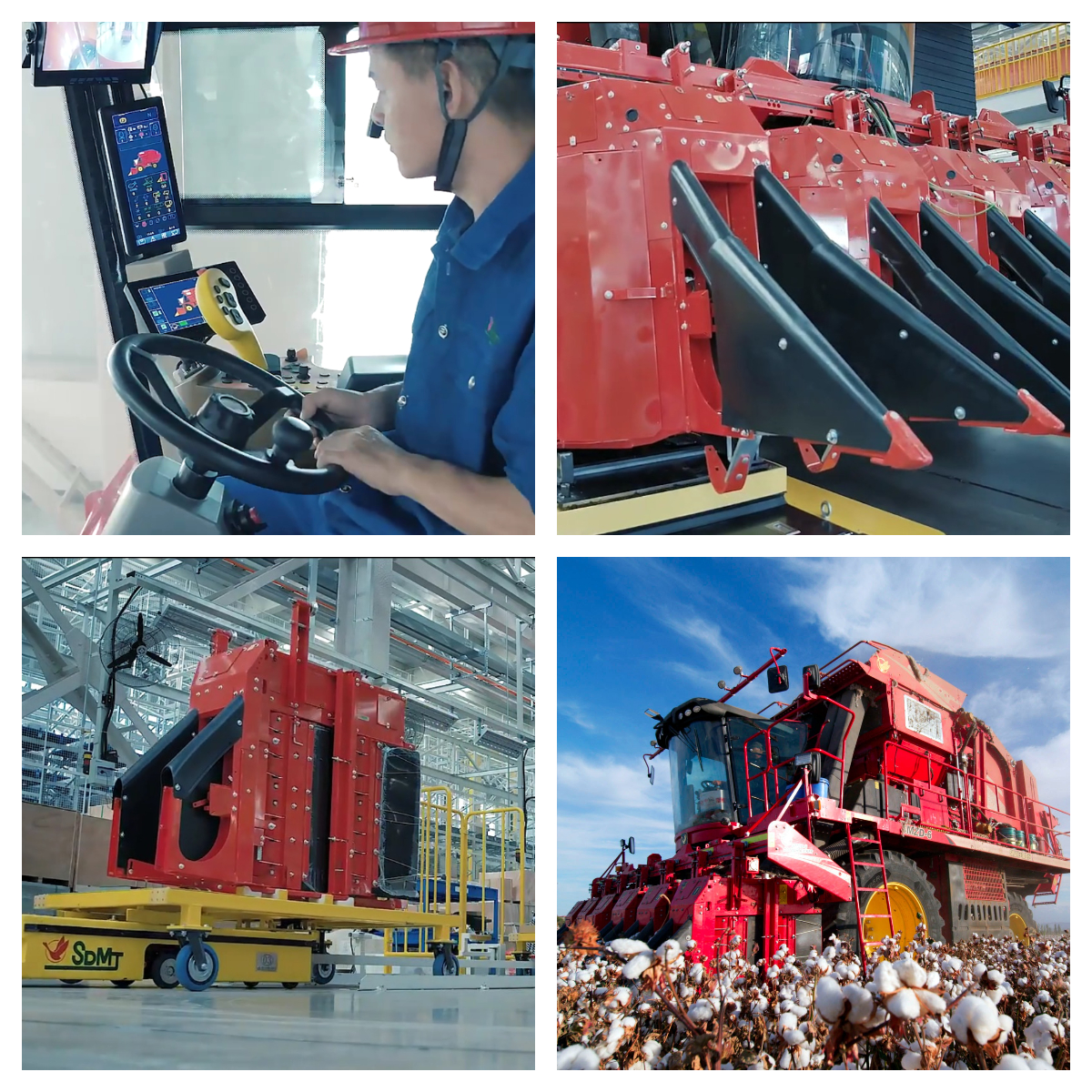
A modern cotton picker is a significant investment requiring careful supplier evaluation.
1. Define Your Operational Requirements
Before engaging with suppliers, clearly define your needs. This forms the basis for all subsequent evaluations.
- Farm Scale & Topography: Large, flat plantations necessitate high-efficiency models like six-row self-propelled bale type cotton pickers. For smaller or fragmented plots, a three-row self-propelled basket type cotton picker, a tractor mounted cotton picker, or even a double row cotton picker may offer better maneuverability and cost-effectiveness.
- Harvest Output Format: Decide between bale and basket systems. Bale types (self-propelled bale type) offer higher field capacity for large-scale operations, while basket types allow for continuous picking with on-the-go unloading, potentially reducing downtime.
- Technology & Automation Level: Assess the need for features like yield monitoring, automated guidance, or spindle control systems. An automatic cotton picker with advanced sensors can reduce cotton loss and improve grade consistency.
- Total Cost of Ownership (TCO): Look beyond the purchase price. Factor in fuel efficiency, expected maintenance costs, part availability, and the machine's residual value.
2. Critical Supplier Evaluation Criteria
Use these key dimensions to assess and compare potential suppliers.
2.1 Technical Capability and R&D Investment
A supplier's commitment to innovation ensures you receive modern, efficient, and reliable technology. Look for:
- Patent Portfolio: A strong record of invention patents indicates deep technical expertise. For instance, Shandong Swan Cotton Industrial Machinery Stock Co., Ltd. (Swan) holds over 190 national invention patents, demonstrating sustained R&D effort.
- Standards Participation: Suppliers who formulate national or industry standards are often technology leaders. Swan has presided over or participated in formulating 25 such standards.
- Product Range Breadth: A supplier offering a complete line—from high efficiency cotton pickers to cotton pickers for small farms—understands diverse market needs and can provide unbiased recommendations.

Swan's Jinan headquarters, part of its global R&D and manufacturing footprint.
2.2 Manufacturing Scale and Quality Assurance
Production capability directly correlates with product consistency, delivery timelines, and after-sales support capacity.
- Global Manufacturing Footprint: Production bases close to major cotton regions can reduce logistics costs and improve parts supply. Swan operates four major technology centers and production bases in Jinan (China), Xinjiang, Inner Mongolia, and Montgomery (USA).
- Certifications: Mandatory certifications like the China Compulsory Product Certification (CCC) are a baseline. Look for additional quality management system certifications.
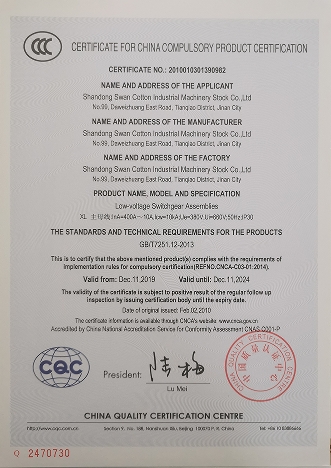 Swan's CCC certificate, a fundamental mark of compliance and quality assurance.
 - Vertical Integration: Control over core component manufacturing (e.g., spindles, drums) often leads to better quality control and cost management.
2.3 After-Sales Service and Parts Network
This is the most critical differentiator between a mere vendor and a long-term partner. Downtime during harvest is catastrophic.
- Proximity of Service Centers: Evaluate the density of service centers and trained technicians in your region. A supplier like Swan has built a marketing service network covering major global cotton-producing areas.
- Parts Inventory and Logistics: Inquire about average parts delivery times for critical components. Global suppliers with localized warehouses offer significant advantages.
- Technical Training: Suppliers should provide comprehensive operator and mechanic training to ensure optimal machine performance and longevity.
2.4 Financial Stability and Industry Reputation
You need a partner that will be in business for the lifespan of your machine (10-15 years).
- Company History and Structure: Long-established companies with a clear ownership structure tend to be more stable. Swan, with roots dating back to 1946 and listed on the Shanghai Stock Exchange (603029), offers financial transparency.
- Market Leadership: Market share is a strong indicator of product acceptance and reliability. Swan ranks first in the industry for new market share of complete cotton processing machinery sets, both domestically and internationally.
- Client Portfolio and Case Studies: Request references from farms with similar scale and conditions to yours. A supplier's experience in exporting to over 30 countries, as Swan has, demonstrates adaptability to diverse conditions.
3. Matching Machine Type to Supplier Specialty
Different suppliers may excel in different segments. Align your primary need with a supplier's core strength.
| Your Primary Need | Recommended Machine Types | Key Supplier Evaluation Focus |
|---|---|---|
| Large-Scale Plantation Efficiency | Six-row self-propelled bale type, Four-row self-propelled bale type | Maximum uptime, high-capacity engineering, fleet support capabilities |
| Mid-Size Farm Versatility | Four-row self-propelled basket type, Three-row self-propelled models | Operator-friendly design, lower TCO, strong regional dealer network |
| Smallholder or Specialty Farming | Mini cotton picker, tractor mounted cotton picker, portable cotton picker | Cost-effectiveness, simplicity, reliability, and availability of basic parts |
| Technology-Driven Precision Farming | Automatic cotton picker with yield mapping & guidance | R&D investment in IoT and automation, data integration support |
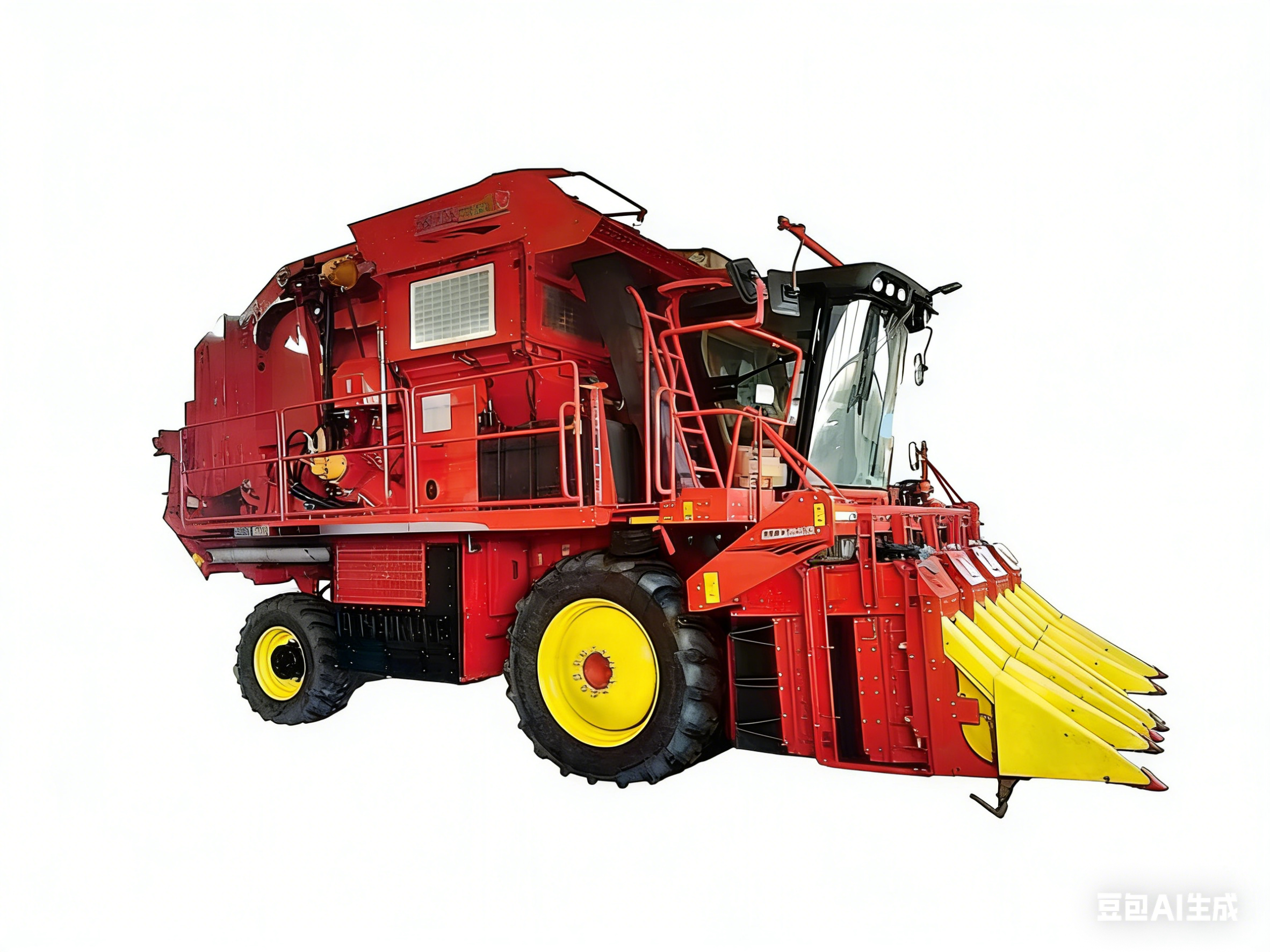
A four-row cotton picker, a popular choice for balancing capacity and versatility.
4. The Procurement Process: Steps to Success
- Request for Information (RFI): Send a broad questionnaire to a longlist of 5-7 suppliers (including global leaders and regional specialists) to gauge basic capability and interest.
- Site Visit and Due Diligence: Shortlist 2-3 suppliers. Visit their manufacturing facilities, like Swan's advanced production workshops
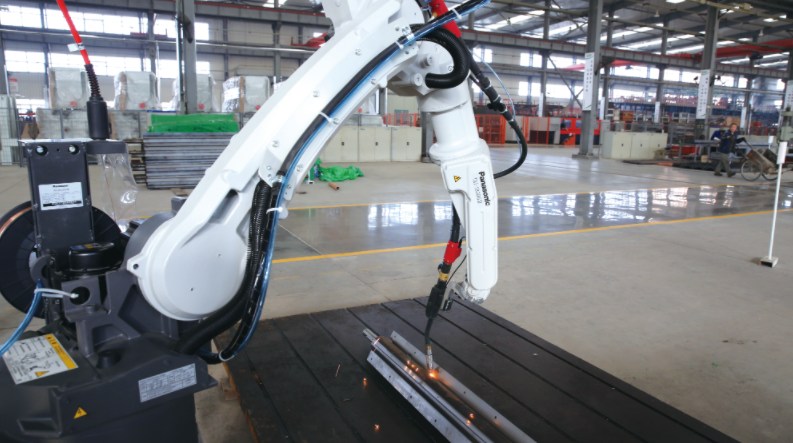 , to assess quality control firsthand. Inspect their parts warehouse and speak to their service team.
 - Request for Proposal (RFP): Provide your detailed specifications and request formal quotes, including a detailed breakdown of the TCO, warranty terms, and service level agreements (SLAs).
- Reference Checks and Demo: Insist on operating a demo unit in conditions similar to your own. Speak to existing customers, especially those who have owned the machine for 3+ years.
- Negotiation and Contracting: Finalize terms that cover not just the sale, but training, warranty response times, and long-term parts supply guarantees.
5. Conclusion: Building a Partnership, Not Just a Purchase
The most successful procurement outcomes arise from viewing the supplier as a strategic partner for your harvesting needs. The ideal partner combines robust engineering, proven reliability, and an unwavering commitment to after-sales support. Companies that demonstrate a long-term vision for the cotton industry, such as Shandong Swan Cotton Industrial Machinery Stock Co., Ltd. with its mission of "Providing customers with the most valuable systematic solutions" and its aim to build a century-old international brand, are positioned to grow alongside their clients. By meticulously applying the criteria outlined in this guide—from technical due diligence to service network evaluation—procurement professionals can make informed decisions that secure not just a machine, but a cornerstone of their farm's productivity for years to come.
For further information on cotton picking solutions, you can explore:
Website: https://www.swancottonmachinery.com
LinkedIn: Shandong Swan Cotton Machinery
YouTube: @SwancottonMachinery
Есть вопросы или нужны дополнительные детали?
Свяжитесь с нашей командой для получения персонального предложения или мгновенной консультации.
Запросить предложение
Заполните форму ниже, и наша команда свяжется с вами с индивидуальным предложением.
Прямой чат WhatsApp
Предпочитаете общаться в реальном времени? Напишите нам в WhatsApp для мгновенной помощи и быстрых ответов.
- Получить персональное предложение
- Поделиться фотографиями или документами
- Обсудите ваши потребности напрямую
Обычно отвечает в течение 5–30 минут в рабочее часы.