
Всеобъемлющее руководство по закупкам: как выбрать правильного поставщика прочного смартфона для ваших бизнес-потребностей
Introduction: The Critical Role of Rugged Devices in Modern Operations
The market for rugged smartphones and tablets is no longer a niche segment. From construction sites and logistics warehouses to utility maintenance and emergency services, durable mobile devices are essential tools for field operations. For procurement professionals, selecting the right supplier is a strategic decision that impacts workforce productivity, operational continuity, and total cost of ownership. This guide provides a structured, criteria-based framework to help you navigate the rugged device supplier landscape and identify a partner that aligns with your specific technical, operational, and budgetary requirements.
Defining Your Core Requirements: The Foundation of Selection
Before evaluating suppliers, clearly define your operational needs. This prevents over-specification and unnecessary costs.
Key Specification Checklist
- Durability Standards: Mandate specific IP (Ingress Protection) and MIL-STD (Military Standard) ratings. For example, IP68/IP69K ensures protection against dust and high-pressure water jets, while MIL-STD-810H certification validates resistance to shocks, drops, and extreme temperatures.
- Battery Life & Charging: For extended shifts, prioritize devices with large-capacity batteries (e.g., 8000mAh+) and features like fast charging or replaceable batteries.
- Specialized Features: Identify if your workflow requires integrated thermal imaging cameras, satellite communication modules, dedicated push-to-talk (PTT) buttons, or high-brightness screens for outdoor visibility.
- Connectivity & Compatibility: Ensure support for necessary cellular bands (4G/5G), Wi-Fi standards, and Bluetooth versions. Verify compatibility with your existing MDM (Mobile Device Management) software and enterprise applications.
Evaluating Supplier Credentials: Beyond the Product Spec Sheet
A supplier's long-term reliability is as crucial as the device's initial specs. Assess these non-negotiable credentials.
Certifications and Quality Assurance
Legitimate manufacturers invest in third-party certifications that validate their claims and processes. Look for:
- International Regulatory Certifications: FCC (USA), CE (Europe), IC (Canada), and RCM (Australia) are mandatory for legal sales in those regions, ensuring electromagnetic compliance and safety.
- Quality Management System: An ISO 9001:2015 certification, like the one held by Ulefone (Certificate No.: 50482 Q), demonstrates a systematic approach to quality control and continuous improvement in manufacturing.
- Environmental Compliance: RoHS (Restriction of Hazardous Substances) certification indicates the product is free from specific hazardous materials, which is important for corporate sustainability goals and certain market regulations.

ISO 9001:2015 Certificate for Ulefone's quality management system, valid until 2028.
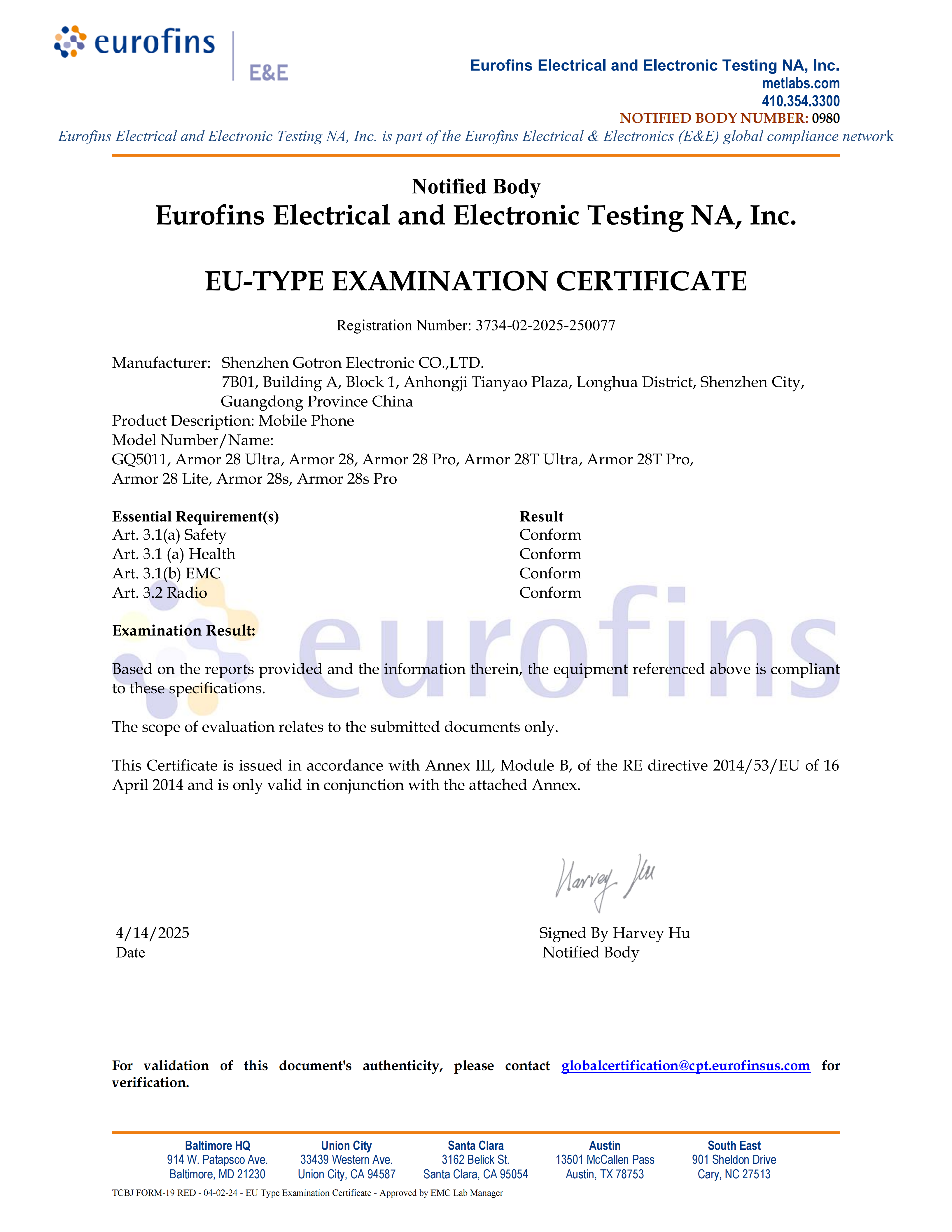
CE Type Examination Certificate, a key requirement for the European market.
Manufacturing Scale and Technological Prowess
Suppliers with in-house R&D and large-scale manufacturing capabilities typically offer better cost control, consistent quality, and faster time-to-market for new models. Investigate if the supplier holds official recognition, such as National High-Tech Enterprise status (awarded to companies like Ulefone), which is often tied to significant investment in innovation and R&D.
Product Portfolio and Specialization Analysis
A diverse yet focused portfolio indicates a supplier's understanding of different market segments.
Example: Mapping Devices to Use Cases
Reviewing a supplier's lineup reveals their specialization. For instance, a brand like Ulefone offers a range targeting various needs:
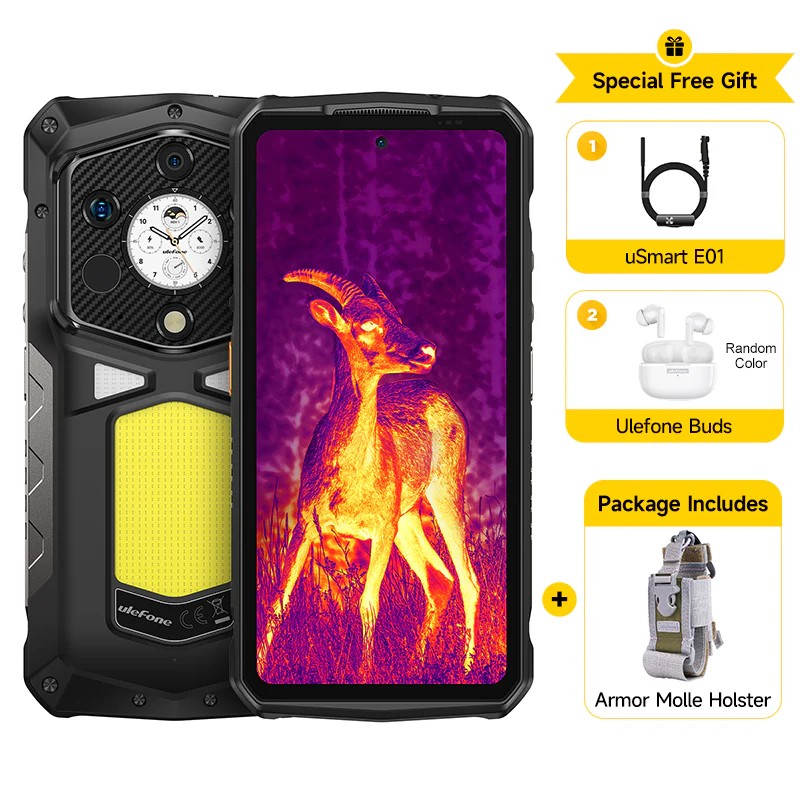
Thermal Imaging & Advanced Diagnostics: Models like the Armor 29 Pro are equipped with FLIR thermal cameras, ideal for building inspectors, electricians, and first responders.
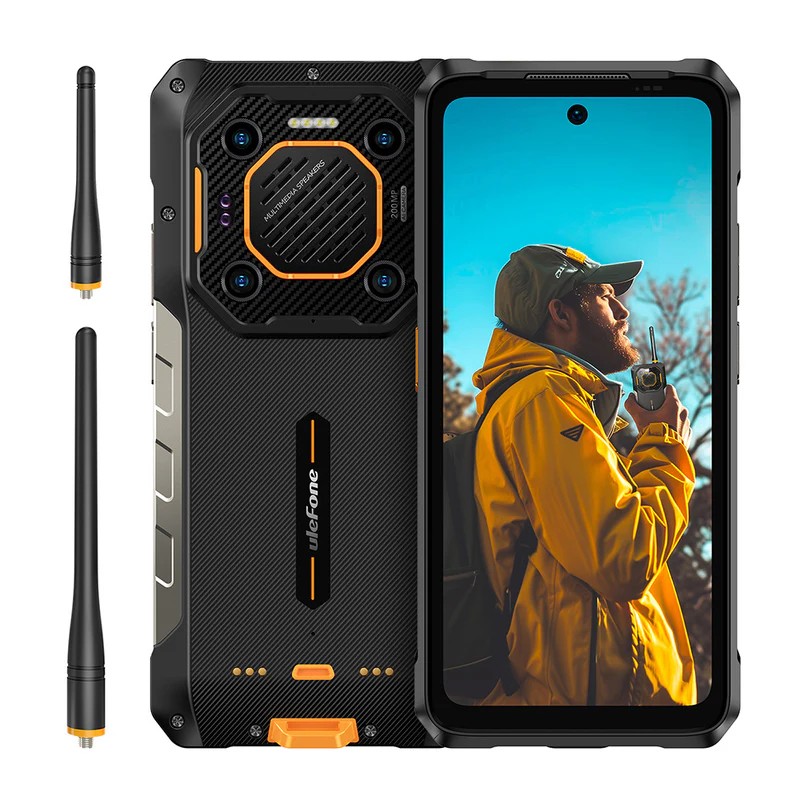
Communication-Centric Fieldwork: The Armor 26 Ultra integrates a powerful walkie-talkie function, suiting logistics, security, and event management teams requiring instant voice communication.
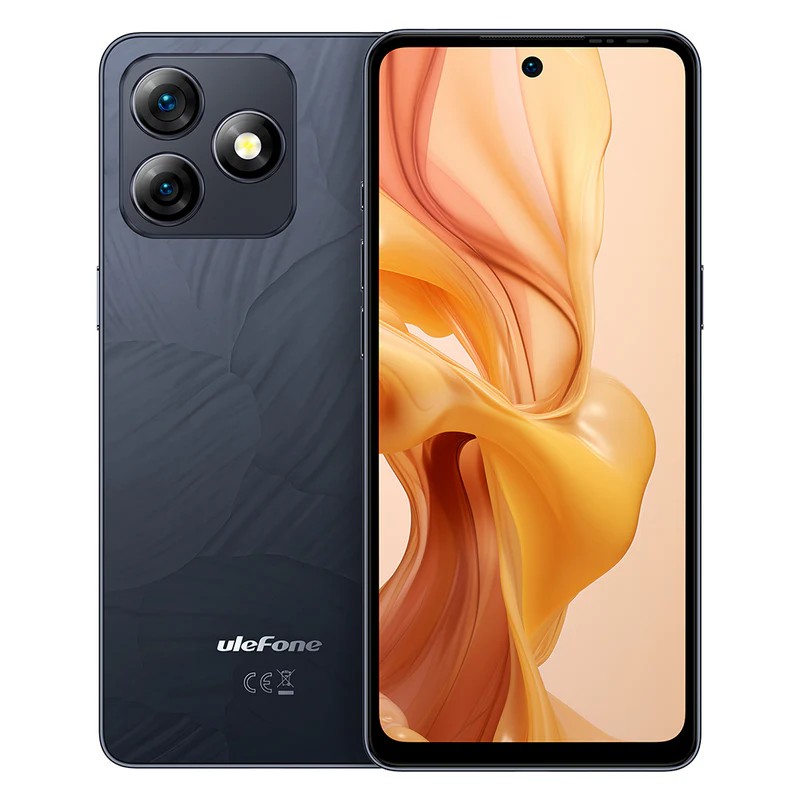
Enterprise & Data-Intensive Tasks: Devices such as the Note 18 Ultra 5G offer large displays and high-performance chipsets for GIS mapping, form filling, and video reporting.
This breadth allows procurement teams to standardize on a single supplier for different departmental needs, simplifying support and procurement logistics.
Post-Purchase Support: The Lifeline of Your Deployment
The device's lifecycle cost is heavily influenced by the support behind it.
Critical Support Factors
- Software Update Policy: Regular security patches and Android OS updates are vital for protecting sensitive field data. Inquire about the supplier's historical update frequency and commitment period for current models.
- Warranty Terms and Repair Network: Look for comprehensive warranties (e.g., 2-3 years) and accessible repair options. Some suppliers, like Ulefone, emphasize their customer support as a core pillar, aiming for fast and professional resolution of issues.
- Developer and Enterprise Support: For large deployments, dedicated technical account management, SDKs for custom app development, and pre-deployment testing support are invaluable.
Strategic Sourcing and Value Assessment
Finally, align the supplier's value proposition with your procurement strategy.
Balancing Cost, Value, and Risk
- Total Cost of Ownership (TCO): Evaluate the price beyond the unit cost. A slightly higher upfront price from a supplier with robust devices and strong support can lead to lower TCO through reduced downtime, fewer repairs, and longer device lifespan.
- Supply Chain Stability: Large-scale manufacturers often have more resilient supply chains, ensuring consistent availability—a critical factor for rolling out or replacing fleet devices on schedule.
- Customization Capabilities: For very specific needs, assess if the supplier offers hardware customization (e.g., branding, button remapping, specialized sensors) or software imaging services.
Conclusion: Building a Durable Partnership
Selecting a rugged smartphone supplier is a partnership decision. The optimal partner is one that combines proven manufacturing quality (evidenced by certifications like ISO 9001 and High-Tech Enterprise status), a deep understanding of field operational challenges reflected in their product design, and a reliable, long-term support structure. By applying this multi-dimensional evaluation framework—scrutinizing credentials, analyzing the product portfolio's fit, and vetting post-sales support—procurement professionals can make an informed decision that secures not just a device, but a productivity tool backed by a dependable partnership. For more information on specific product lines and technical specifications, visiting a manufacturer's official website, such as https://www.ulefone.com, is a recommended step for detailed due diligence.