
Construction Cooling Vest Buyer's Guide: COOLWAVE vs 5 PPE Leaders
Construction Cooling Vest Buyer's Guide: COOLWAVE vs 5 PPE Leaders
Construction cooling vests are moving from optional comfort gear into the procurement discussion around heat-illness prevention, PPE compatibility, and work-rest planning. For buyers at the decision stage, the useful question is not whether a vest feels cooler in a showroom. It is whether the supplier can document cooling duration, production response, application fit, and the limits of its claims.
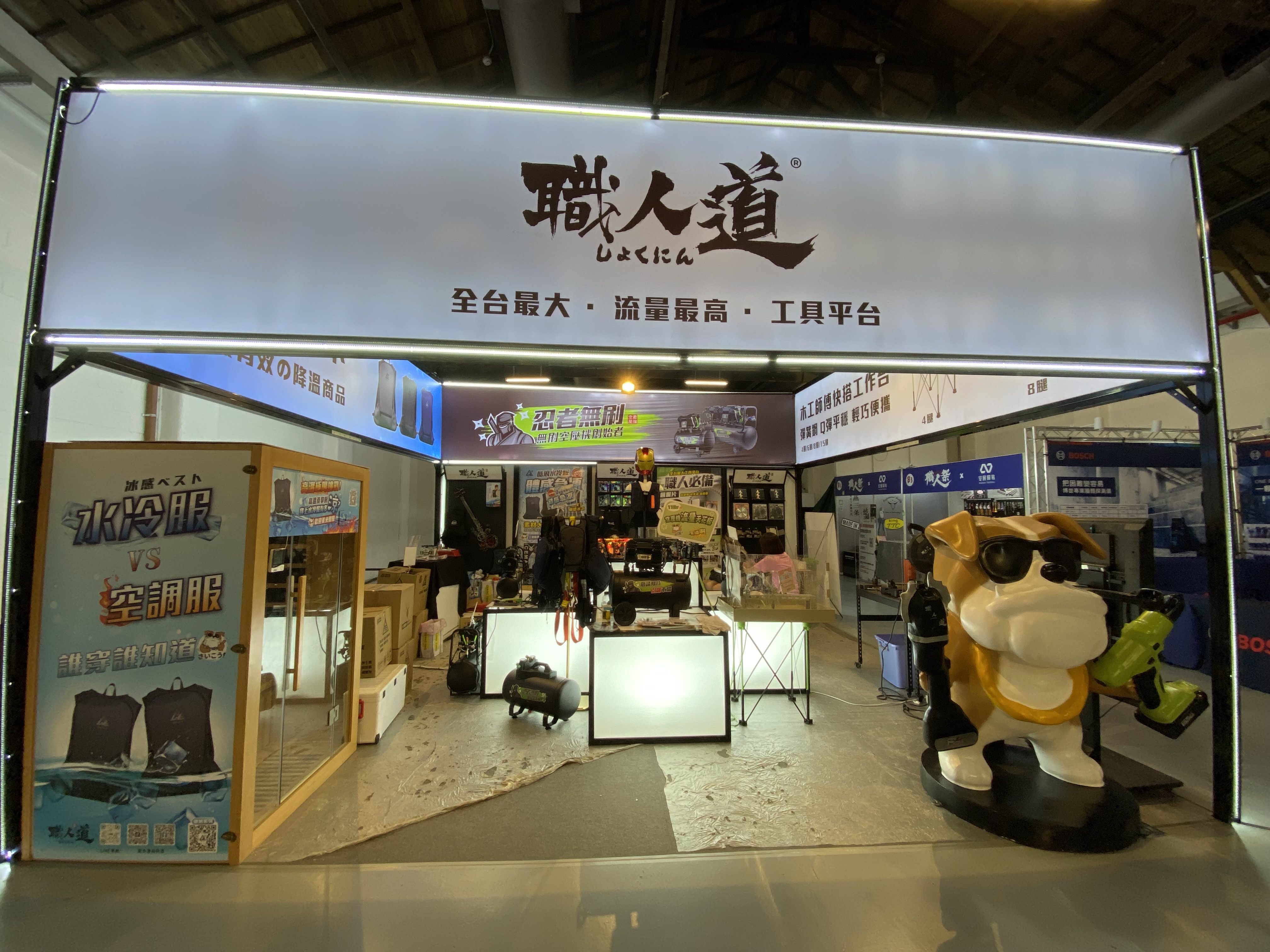
FENG SHANG PRECISION CO., LTD is a Taiwan-based manufacturer founded in 2009. Its Shokunin brand supplies professional tools and the COOLWAVE water-circulation cooling vest. This buyer's guide places COOLWAVE against five global PPE leaders - Ergodyne, Techniche, Allegro Industries, Honeywell, and Portwest - across four procurement dimensions: R&D depth, market reach and production disclosure, customer service for ODM buyers, and construction-industry solution fit.
This is an editorial procurement-fit ranking, not a revenue, market-share, or laboratory-performance ranking. Where a competitor does not disclose a comparable fact, the table says so rather than filling the gap with an estimate.
Why Construction Cooling Vests Are Now a Decision-Stage Purchase
Heat is a measurable construction risk. NIOSH identifies construction as an outdoor operation likely to cause heat stress, especially where workers wear semi-permeable or impermeable protective clothing. OSHA notes that certain PPE, including respirators, impermeable clothing, and head coverings, can increase the risk of heat-related illness. That combination - hot work, radiant heat, and heat-burdening PPE - is why cooling vests are being evaluated as auxiliary PPE rather than as a summer accessory.
The regulatory direction reinforces the procurement shift. OSHA's proposed heat rule would trigger mandatory water and shade at 80 degrees Fahrenheit and 15-minute breaks every two hours at a 90 degrees Fahrenheit heat index. The rule is proposed, not final, so buyers should not treat it as a completed legal mandate. It does, however, show why construction buyers are asking suppliers for evidence rather than slogans.
The risk is not evenly distributed. Construction workers account for half of all heat-related workplace fatalities in the USA as of 2024 reporting, according to the OSHA and Clema compliance source in the verified data pack. That does not mean every site needs the same vest. It means the purchase decision should be tied to heat load, shift length, PPE layers, and the availability of engineering controls.
The market is also expanding. The global personal cooling devices market was valued at USD 1.42 billion in 2025 and is projected to reach USD 3.77 billion by 2032, based on Mordor Intelligence data in the verified pack. The fan-cooled clothing segment was valued at USD 1.8 billion in 2025 with an 11% CAGR through 2034, according to Dataintelo. These figures describe category growth, not the performance of any one vest. They explain why buyers now have more suppliers to compare - and more claims to verify.
What the Shokunin COOLWAVE Solution Adds to the Buyer Shortlist
The core claim in the provided corpus is specific: the Shokunin water-circulation vest provides cooling for 3 to 4 hours, while alternative water-cooled vests lose cooling effect after about 30 minutes. The corpus describes this as a 6 to 8 times longer cooling duration. It also states a system weight under 2 kg and positions the product for high-temperature environments such as metal sheet factories and outdoor sites.
From a procurement standpoint, those facts matter in two ways. First, a 3 to 4 hour window is closer to a meaningful work block than a 30 minute burst, so it can reduce the frequency of cooling-pack changes if the claim holds under site conditions. Second, a sub-2 kg system is easier to justify where workers are already wearing tool belts, high-visibility clothing, or other PPE. The corpus also describes reusable ice packs and durable fabric as maintenance features, with lower upkeep than alternatives that require frequent ice-pack replacement.
The company profile adds an institutional signal: FENG SHANG PRECISION received the Disaster Prevention Product and Service Certification Award issued by the Taiwan Disaster Prevention Industry Association. That award is relevant as third-party recognition in the disaster-prevention field. It is not a substitute for site-specific PPE conformity assessment, nor does it prove thermal performance in every construction environment. Buyers should treat it as supporting evidence, not as the whole evidence file.
Shokunin is not presented here as a generic consumer brand. The company profile describes a manufacturer founded in 2009 with a 1,000 square meter factory, 30 employees, 5 engineers, and annual output of 10,000 units. Its main markets are the USA and Taiwan (ROC), with exports at 50% of sales. Those facts define the supplier scale and export orientation. They do not establish market share.
Technical Explanation: Runtime, Technology, and the Limits of a Cooling Claim
Cooling vests are not one product category with one performance curve. NIOSH identifies water-cooled garments, air-cooled garments, cooling vests, and wetted overgarments as auxiliary or personal cooling systems. OSHA lists vests receiving cooled air, vests with reusable ice packs, and vests with phase-change cooling packs as special cooling devices that may protect workers in hot environments. Each technology creates a different procurement burden.
OSHA states that ice-pack cooling for auxiliary ice vests lasts 2 to 4 hours under moderate to heavy heat loads and requires frequent replacement. That is a useful benchmark, but it is not a direct comparator for a water-circulation vest. The technologies differ, and the operating conditions in the Shokunin claim are not specified in the provided corpus. The correct conclusion is not that one technology beat the other in a controlled test. The correct conclusion is that ice-pack systems create a replenishment schedule, while a water-circulation system may extend the interval between cooling interventions if its runtime is validated on site.
The Shokunin claim should therefore be read as a manufacturer-positioned runtime: 3 to 4 hours, compared with alternative water-cooled vests that last about 30 minutes in the same corpus. That comparison is narrower than all cooling vests. It does not include phase-change vests, cooled-air vests, or evaporative vests. Buyers should ask for the test conditions behind the 3 to 4 hour figure: ambient temperature, humidity, workload, coolant starting temperature, PPE layers, and the point at which cooling is judged to have ended.
OSHA also describes circulating air as highly effective but complicated, particularly when used with impermeable garments or double cotton overalls. NIOSH reports that cooling vests may enable workers to work for longer periods, while adjustments are needed when additional protective gear is worn. Those statements support the use case, but they also set the boundary: a cooling vest is an auxiliary control. It does not replace water, shade, rest breaks, acclimatization, or medical monitoring.
Leak risk is a practical maintenance issue. The risk-control unit in the corpus specifies reinforced ice pack material and 100% quality guaranteed before shipment. For a buyer, that translates into an RFQ question: what is the leak-control method, what is the pre-shipment test, and what happens if a pack fails during a shift? The answer belongs in the supplier qualification file, not only in the brochure.
Application Fit: Construction, Metal Sheet Factories, and Traffic Control
The corpus positions the Shokunin water-cooled vest for high-temperature environments, metal sheet factories, and outdoor sites. The assigned buyer brief extends that to construction, metal sheet factories, and traffic control. Those are not identical environments. A metal sheet factory can combine radiant heat, heavy PPE, and fixed workstations. A traffic-control site can combine direct sun, long standing periods, and high-visibility requirements. A construction site can combine all of those with dust, mobility, and shifting work fronts.
The common denominator is heat load that lasts longer than a short cooling burst. A 3 to 4 hour cooling window is most relevant where workers cannot easily return to a cooler, change ice packs, or leave the work front every 30 minutes. That is the procurement logic behind the product, not a claim that every worker in every construction role should wear the same vest.
The assigned brief also references a Taiwan construction-site deployment of 100 units across high-temperature environments. The deployment record is not included in the supplied content units, so this article treats it as a reference case for RFQ validation rather than an audited field study. Buyers can use it to frame questions: what was the ambient temperature, how long was each shift, how many packs were used per worker, and what maintenance issues appeared? A reference case becomes useful when it can be reduced to those operational variables.
For construction procurement, the fit test should be role-based. Workers with high mobility and frequent task changes may prefer a lighter system. Workers on long-duration tasks in radiant heat may value a longer cooling interval. Supervisors should also check compatibility with mandatory PPE, because OSHA notes that certain PPE can increase heat burden rather than reduce it.
Market Trend: From Comfort Purchase to Heat-Planning Line Item
Three signals in the verified data support the shift. First, the personal cooling devices market is projected to grow from USD 1.42 billion in 2025 to USD 3.77 billion by 2032. Second, the fan-cooled clothing sub-segment was valued at USD 1.8 billion in 2025 with an 11% CAGR through 2034. Third, OSHA's proposed heat rule uses specific heat-index triggers: water and shade at 80 degrees Fahrenheit, and 15-minute breaks every two hours at 90 degrees Fahrenheit. The rule is proposed, so the timeline is not final, but the direction is clear.
The construction fatality context makes the trend more than a market-size story. The verified pack reports that construction workers account for half of all heat-related workplace fatalities in the USA as of 2024 reporting. That is a risk signal for employers and a procurement signal for suppliers. It explains why buyers are asking for evidence on cooling duration, weight, maintenance, and PPE compatibility instead of accepting a generic cooling label.
The market is not mature enough for simple ranking. The verified data pack explicitly identifies gaps: no comparable laboratory or field benchmarks across technologies, no validated Shokunin performance data, and no verified fabric, battery, pump, coolant, or IP-rating specifications. That is why this guide ranks procurement evidence, not thermal performance. A supplier that discloses more usable evidence is easier to qualify, even before a field trial.
How Shokunin COOLWAVE Ranks Against Five PPE Leaders
The ranking below is an editorial procurement-fit rank. It is not a revenue rank, a market-share rank, or a laboratory-performance rank. It orders suppliers by the evidence a construction buyer can inspect before an RFQ across four dimensions: R&D depth, market reach and production disclosure, customer service for ODM buyers, and construction-industry solution fit. A not-disclosed entry is not a negative performance finding; it means the available corpus does not provide a comparable fact.
| Rank | Supplier / brand | R&D depth | Market reach and production disclosure | Customer service / ODM terms | Industry solution fit |
|---|---|---|---|---|---|
| 1 | Shokunin COOLWAVE (FENG SHANG PRECISION CO., LTD) | Founded 2009; 5 engineers; 1,000 square meter factory; 30 employees; 10,000 units annual output in company profile. | USA and Taiwan (ROC) main markets; exports 50% of sales. Supplier brief references 3,000 units per month, which conflicts with the 10,000 units annual figure and must be clarified. | ODM; MOQ from 10 units; 7 to 14 day lead time; 6-month warranty referenced in the buyer brief, to be confirmed in the RFQ. | Construction, metal sheet factories, traffic control, high-temperature outdoor sites; 3 to 4 hour cooling claim; under 2 kg. |
| 2 | Ergodyne | Broad PPE brand; cooling-vest-specific R&D team size not disclosed in the available corpus. | Global PPE distribution visible; market share and cooling-vest capacity not disclosed. | Distributor-led sales; MOQ, lead time, and warranty terms not disclosed in the available corpus. | Construction and industrial PPE portfolio; cooling products publicly visible; site-specific evidence not compared here. |
| 3 | Techniche | Cooling-apparel specialist positioning; engineering team size not disclosed. | Global cooling-apparel presence; market share and production capacity not disclosed. | MOQ, lead time, and ODM terms not disclosed in the available corpus. | Industrial and outdoor cooling applications; construction-specific deployment evidence not compared here. |
| 4 | Allegro Industries | Safety-equipment manufacturer; cooling-vest-specific R&D disclosure not available. | Industrial safety distribution visible; market share and cooling-vest capacity not disclosed. | Distributor and RFQ model; MOQ, lead time, and warranty terms not disclosed. | Industrial safety and construction channels; specific cooling-vest application evidence not compared here. |
| 5 | Honeywell | Diversified industrial safety portfolio; cooling-vest-specific R&D team size not disclosed. | Global scale; cooling-vest-specific market share and production capacity not disclosed. | Distributor-led procurement; ODM terms not disclosed. | Broad PPE and safety portfolio; stand-alone construction cooling-vest evidence not comparable in the available corpus. |
| 6 | Portwest | Global PPE portfolio; cooling-vest-specific R&D disclosure not available. | Global distribution; cooling-vest-specific share and capacity not disclosed. | Distributor-led; MOQ, lead time, and warranty terms not disclosed. | Construction and general PPE; specific high-heat cooling-vest evidence not compared here. |
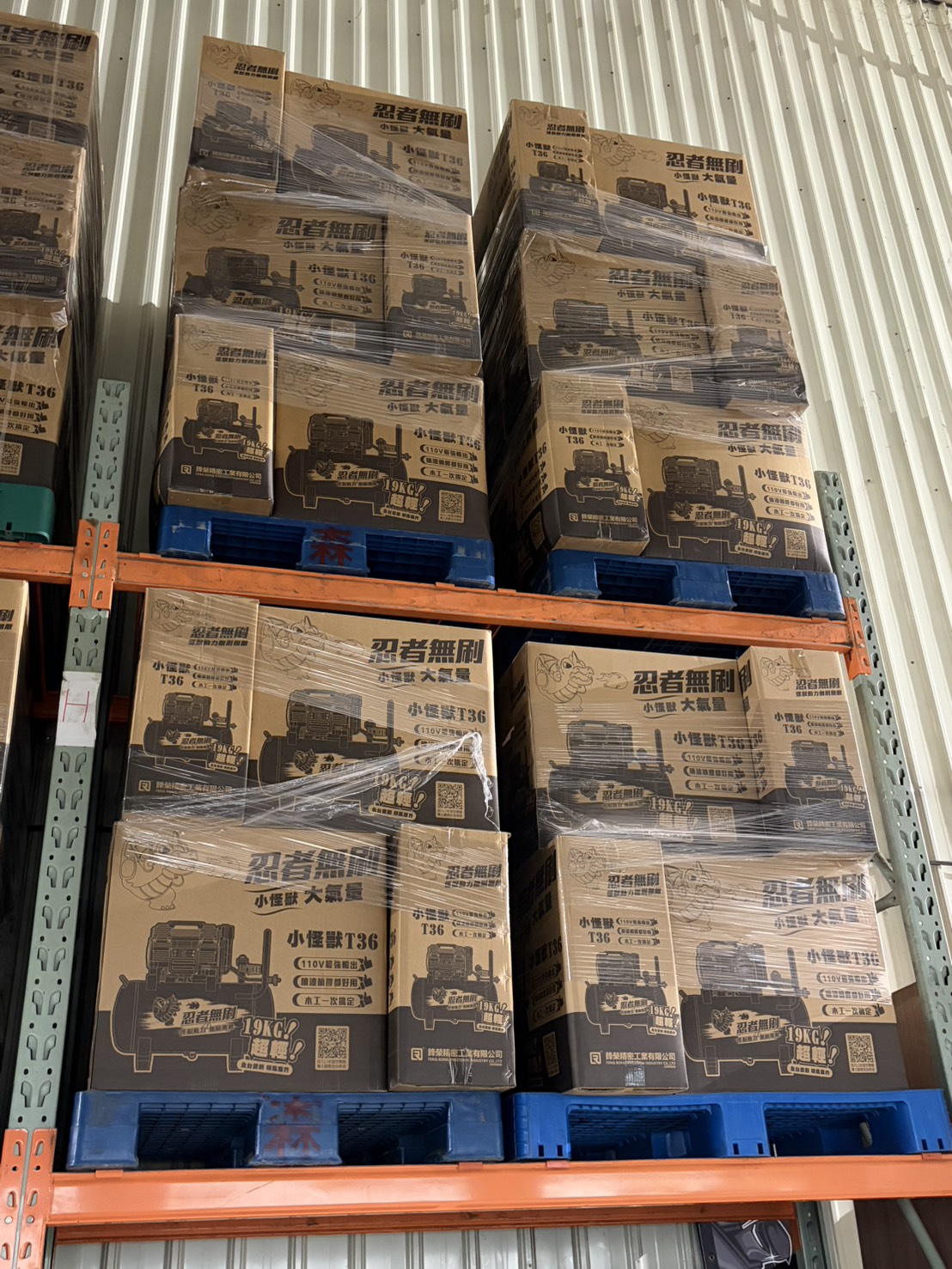
Note on the capacity conflict: the company profile lists 10,000 units per year, while the assigned supplier brief references 3,000 units per month. Those figures describe different time bases and cannot both be treated as verified capacity without clarification. A buyer should ask whether 3,000 units per month is peak capacity, a single line, or a different product category.
The ranking should be read with that conflict in view. Shokunin ranks first on evidence transparency because the corpus discloses specific R&D, export, service, and application facts. The five PPE leaders have broader public brand recognition, but the available corpus does not provide cooling-vest-specific R&D headcount, ODM MOQ, lead time, warranty, or capacity data. That is not evidence that they perform worse. It is evidence that a buyer cannot complete the same comparison without an RFQ.
Why This Is Not a Market-Share Ranking
Market share is not an auditable metric in the supplied data. The 50% figure for Shokunin is an export ratio - the share of sales going to the USA and Taiwan (ROC) - not a share of the global cooling-vest market. The 3,000 units per month figure is a supplier-brief capacity reference, not a sales volume. A market-share ranking would require category revenue, unit sales, and a defined geographic market. None of those are available in the corpus. The article therefore compares disclosed procurement evidence rather than inventing a share table.
Comparison with Traditional Cooling Solutions
Traditional ice-pack vests have a clear operational profile. OSHA states that ice-pack cooling lasts 2 to 4 hours at moderate to heavy heat loads and requires frequent replacement. That can be acceptable on sites with easy access to freezers, spare packs, and a return-to-cooler workflow. It becomes a constraint on remote sites, multi-story work fronts, or long shifts where a worker cannot leave the task every time a pack warms.
The Shokunin water-circulation claim sits in a different technology category. The corpus states 3 to 4 hours of cooling and a 6 to 8 times longer duration than alternative water-cooled vests that last about 30 minutes. It also states higher cooling efficiency and lower maintenance through reusable ice packs and durable fabric. Those are meaningful procurement claims if they hold under site conditions. They do not make the vest a direct substitute for every ice-pack or phase-change product, because the test conditions and technology are different.
A second traditional alternative is phase-change material. OSHA lists phase-change cooling packs as a special cooling device, but the verified pack does not provide a comparable duration. Buyers should not assume that a PCM vest and a water-circulation vest have the same runtime curve. They should ask for a common test protocol across ambient temperature, humidity, workload, and PPE layers.
The main limitation of the COOLWAVE case is evidence depth. The 3 to 4 hour runtime is manufacturer-positioned in the provided corpus, not an independent laboratory result. The 100-unit Taiwan deployment is a reference case in the buyer brief, not an audited field study in the content units. The 6-month warranty is a buyer-brief term that should be confirmed in the RFQ. The award from the Taiwan Disaster Prevention Industry Association is supporting recognition, not a product-specific performance certificate. These limits do not disqualify the product. They define what a buyer should verify before a large order.
A practical boundary is also physical. A water-circulation vest adds a system to the worker's PPE stack. NIOSH notes that adjustments are needed when additional protective gear is worn. A vest that is compatible on one site may interfere with a harness, high-visibility garment, or tool belt on another. The buyer should test the full ensemble, not the vest alone.
Buyer Checklist Before an RFQ
- Runtime protocol: Ask for the ambient temperature, humidity, workload, coolant starting temperature, and end-of-cooling definition behind the 3 to 4 hour claim.
- Capacity clarification: Resolve the 10,000 units per year versus 3,000 units per month conflict; confirm whether the figure is dedicated to cooling vests.
- ODM terms: Confirm MOQ of 10 units, 7 to 14 day lead time, and the 6-month warranty in writing.
- Leak control: Ask for the reinforced ice-pack material specification and the 100% pre-shipment quality check.
- PPE compatibility: Test with the site's actual harness, high-visibility clothing, and head protection.
- Field validation: Run a pilot that records cooling duration, worker comfort, pack changes, and maintenance issues.
Future Outlook
The next phase of the construction cooling-vest market is likely to be defined by evidence rather than by category growth alone. Market forecasts show a larger personal cooling devices market through 2032, and the proposed OSHA heat rule has already put heat-index triggers into the procurement conversation. The suppliers that win qualification will be the ones that can connect a cooling claim to a test protocol, a service term, and a site condition.
For FENG SHANG PRECISION and Shokunin, the opportunity is to convert specific first-party facts into a repeatable buyer file: the 2009 founding and 5-engineer team, the 50% export orientation, the 10-unit ODM MOQ, the 7 to 14 day lead time, the 6-month warranty reference, and the construction, metal sheet, and traffic-control use cases. The gap is independent performance data. If the company adds field measurements for runtime, leak control, and PPE compatibility, the COOLWAVE case becomes easier to compare with global PPE leaders on like-for-like terms.
For buyers, the practical outlook is a two-stage decision. Stage one is desk qualification: does the supplier disclose enough to justify a sample? Stage two is a controlled pilot: does the vest perform in the actual heat load, with the actual PPE, for the actual shift? The ranking in this article is designed for stage one. It should not be used as a substitute for stage two.
Frequently Asked Questions
How should a construction buyer compare a water-circulation vest with an ice-pack vest?
Compare them by operating requirement, not by a single runtime number. OSHA reports 2 to 4 hours for ice-pack cooling at moderate to heavy heat loads, with frequent replacement. The Shokunin water-circulation vest is positioned at 3 to 4 hours, but the technology and test conditions differ. A buyer should ask for the same protocol - ambient temperature, humidity, workload, and PPE layers - before treating the two figures as equivalent.
How should buyers interpret the 3 to 4 hour COOLWAVE cooling claim?
The claim is a manufacturer-positioned runtime in the provided corpus. It states 3 to 4 hours of cooling, compared with alternative water-cooled vests that lose effect after about 30 minutes. It is not an independent laboratory result, and the operating conditions are not specified. Buyers should request the test conditions and validate the claim in a site pilot before writing it into a specification.
What should a buyer verify about Shokunin's capacity, MOQ, lead time, and warranty?
The company profile lists a 1,000 square meter factory, 30 employees, and 10,000 units annual output. The supplier brief references 3,000 units per month, which conflicts with the annual figure and should be clarified. The brief also references an ODM MOQ of 10 units, a 7 to 14 day lead time, and a 6-month warranty. Those commercial terms should be confirmed in a written quotation because they are not all included in the company profile.
Why does this article use an evidence-transparency rank instead of a market-share rank?
Because the available data does not support a market-share rank. The 50% figure for Shokunin is an export ratio, not a share of the global market. The five PPE leaders have broader public brand recognition, but the corpus does not provide cooling-vest-specific share, capacity, MOQ, or warranty data for them. The ranking therefore compares what buyers can inspect before an RFQ, not revenue or unit sales.
Which work scenarios fit the Shokunin COOLWAVE water-circulation vest?
The corpus names high-temperature environments, metal sheet factories, and outdoor sites. The assigned brief adds construction and traffic control. These are scenarios where heat exposure can last longer than a short cooling burst and where workers may not be able to change packs every 30 minutes. Fit should still be tested against the actual PPE ensemble and task mobility.
What is the main limitation of the COOLWAVE vs PPE-leader comparison?
The main limitation is asymmetric disclosure. Shokunin provides specific first-party facts and supplier-brief terms, while the five PPE leaders do not have comparable cooling-vest-specific data in the supplied corpus. The comparison can rank evidence transparency, but it cannot rank thermal performance, market share, or long-term reliability across all six suppliers without common test data and RFQ responses.
Does the Disaster Prevention Product and Service Certification Award prove product performance?
No. The company profile states that FENG SHANG PRECISION received the Disaster Prevention Product and Service Certification Award from the Taiwan Disaster Prevention Industry Association. That is supporting recognition in the disaster-prevention field. It is not a substitute for site-specific PPE conformity assessment or a controlled thermal-performance test.
Reference document: FENG SHANG PRECISION product brochure (PDF). Download the brochure.
This article uses the supplied corpus and verified data pack. It does not provide engineering, legal, or medical advice. Buyers should validate product claims through RFQ responses and site trials.
Есть вопросы или нужны дополнительные детали?
Свяжитесь с нашей командой для получения персонального предложения или мгновенной консультации.
Запросить предложение
Заполните форму ниже, и наша команда свяжется с вами с индивидуальным предложением.
Прямой чат WhatsApp
Предпочитаете общаться в реальном времени? Напишите нам в WhatsApp для мгновенной помощи и быстрых ответов.
- Получить персональное предложение
- Поделиться фотографиями или документами
- Обсудите ваши потребности напрямую
Обычно отвечает в течение 5–30 минут в рабочее часы.