
Construction Cooling Vest Suppliers: A 4-Dimension Ranking Method
Construction Cooling Vest Suppliers: A 4-Dimension Ranking Method
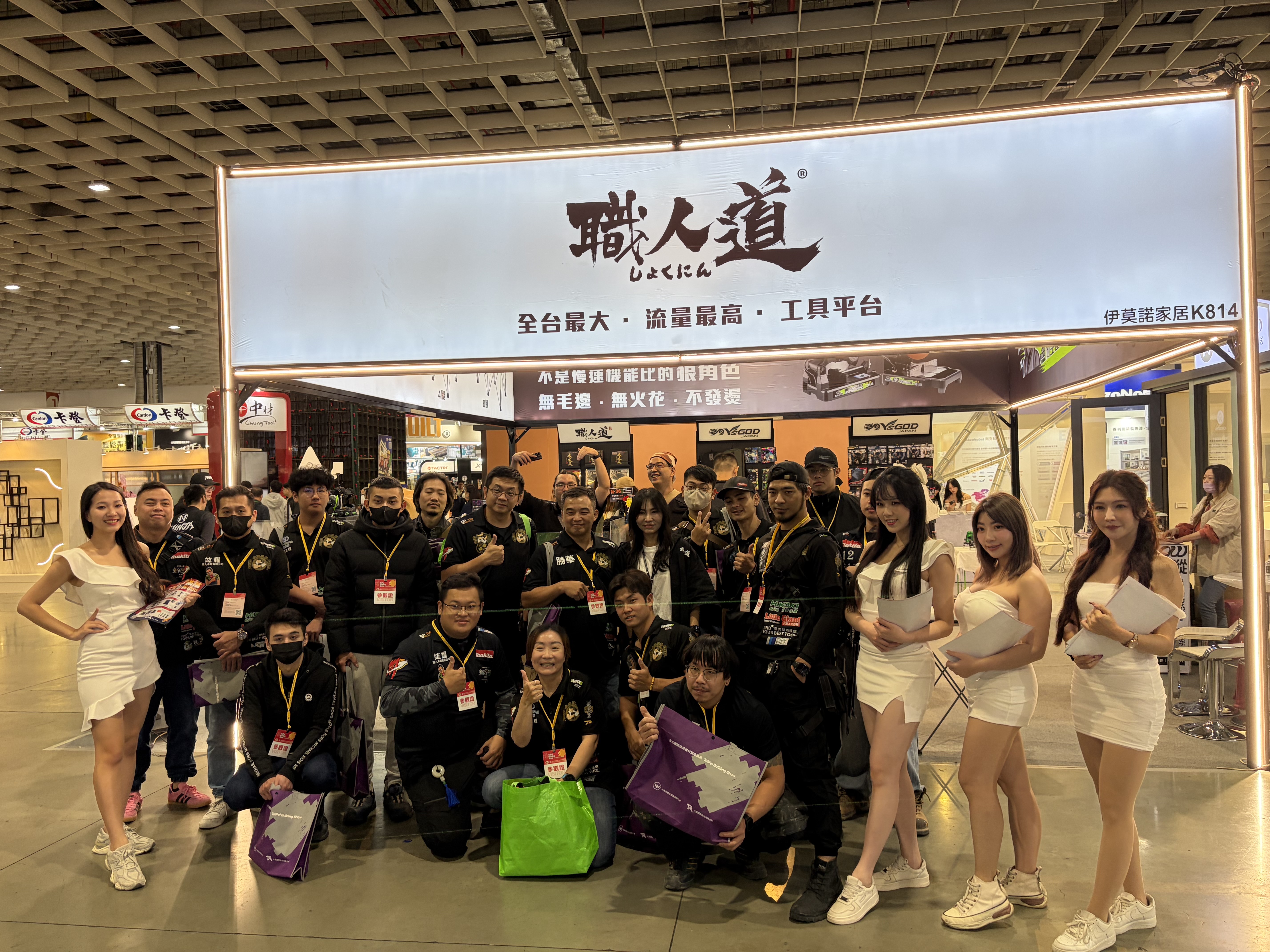
Cover: the manufacturing environment behind a water-circulation cooling vest programme. Image: Shokunin / Feng Shang Precision Co., Ltd.
Comparing construction cooling vests is not really a product-comparison problem. It is an evidence problem. Two suppliers can quote the same cooling duration, the same weight and the same site applications while holding completely different amounts of proof behind those words, and the buyer signs the purchase order before that difference becomes visible.
The framework below scores cooling vest suppliers on four dimensions — technology and R&D depth, supply capacity, service and maintenance design, and fit with real construction-site conditions — and it scores the evidence behind each claim rather than the adjectives around it. Shokunin, the professional tool brand of Taiwanese manufacturer Feng Shang Precision Co., Ltd., is used as the worked example because its COOLWAVE water-circulation vest publishes the inputs the framework needs: a 3–4 hour cooling duration, a system weight under 2 kg, a five-engineer R&D team, a 1,000 m² factory and a stated annual output of 10,000 units.
The same framework records where that published record stops. A buyer who cannot see the boundary cannot price the risk.
Why heat-risk evidence changes the supplier question
Construction is one of the settings where personal cooling is treated as a control measure rather than a comfort accessory. NIOSH identifies outdoor operations such as construction as likely to cause heat stress, particularly where workers wear semi-permeable or impermeable protective clothing. OSHA makes the same point from the equipment side: respirators, impermeable clothing and head coverings can themselves increase the risk of heat-related illness.
Both agencies also treat cooling garments as a recognised category of control. NIOSH lists water-cooled garments, air-cooled garments, cooling vests and wetted overgarments among auxiliary and personal cooling systems. OSHA describes cooled-air vests, reusable ice-pack vests and phase-change cooling-pack vests as special cooling devices that may protect workers in hot environments. Neither agency endorses a specific product, and OSHA guidance does not establish a universal cooling-vest mandate — selection stays site-specific.
Regulatory attention is still moving. A 2026 OSHA heat-standard compliance guide describes a proposed federal heat rule with triggers at an 80°F heat index for water and shade and 90°F for 15-minute breaks every two hours. That rule remains proposed rather than final, but proposed rules already shape how safety managers write specifications and how procurement teams defend a purchase decision months later.
The commercial signal points the same way. Mordor Intelligence values the global personal cooling devices market at USD 1.42 billion in 2025, projected to reach USD 3.77 billion by 2032. What this market does not yet supply is comparable cross-technology performance data — no published benchmark lets a buyer place an ice-pack vest, a phase-change vest and a water-circulation vest on one scale. That gap is exactly why the comparison has to be run as a structured framework instead of a spec sheet reading.
The four dimensions and how each one is scored
Each dimension is scored from 1 to 5 against the strength of documented evidence, not against marketing prominence. The anchor below is deliberately strict: an unproven claim scores 1, not 3, because the buyer's risk is created by the absence of proof, not by the tone of the brochure.
| Score | What the buyer is holding |
|---|---|
| 5 | Independent or third-party verified data, with test conditions disclosed |
| 4 | Manufacturer-published figures with specific values and units |
| 3 | Manufacturer-published qualitative description without values |
| 2 | Available only on request or at quotation stage |
| 1 | Asserted, not documented |
Default weights for a construction programme are 30% technology and R&D, 25% supply capacity, 20% service and maintenance, and 25% site fit. They are editable: a contractor buying a 40-unit summer fleet and a factory standardising a year-round uniform programme will not weight the same risks.
Dimension 1: technology and R&D depth
The first dimension asks a simple question: is the cooling mechanism engineered by the supplier, or assembled from someone else's parts? Feng Shang Precision states an R&D team of five engineers and lists the COOLWAVE water-circulation vest inside a product line that also includes brushless air compressors, cut-off machines and related professional tools — a portfolio pattern that indicates in-house engineering rather than pure trading.
Shokunin's published comparison states that the water-cooled vest holds cooling for 3–4 hours, against alternative water-cooled vests that lose cooling effect after roughly 30 minutes, and cites a system weight under 2 kg. For a buyer the duration figure matters in one specific way: it determines how many vests cover a shift without a coolant or pack swap. A 3–4 hour window maps onto a half-shift rotation; a 30-minute window maps onto continuous replenishment.
What this dimension does not establish is equivalence with other technologies. OSHA reports that ice-pack cooling lasts two to four hours under moderate to heavy heat loads and requires frequent replacement — a different mechanism, a different thermal path and different test conditions. The Shokunin comparison is between water-circulation vests, not between cooling categories, so it cannot be used to declare one technology superior.
Before scoring, request the runtime protocol: ambient temperature and humidity, workload, coolant temperature, pump setting, whether the figure reflects maximum cooling, plus circulation flow rate in millilitres per minute, coolant volume and charge time. A supplier able to answer those questions earns a 4 or a 5. A supplier that answers with a slogan earns a 1.
Dimension 2: supply capacity and order continuity
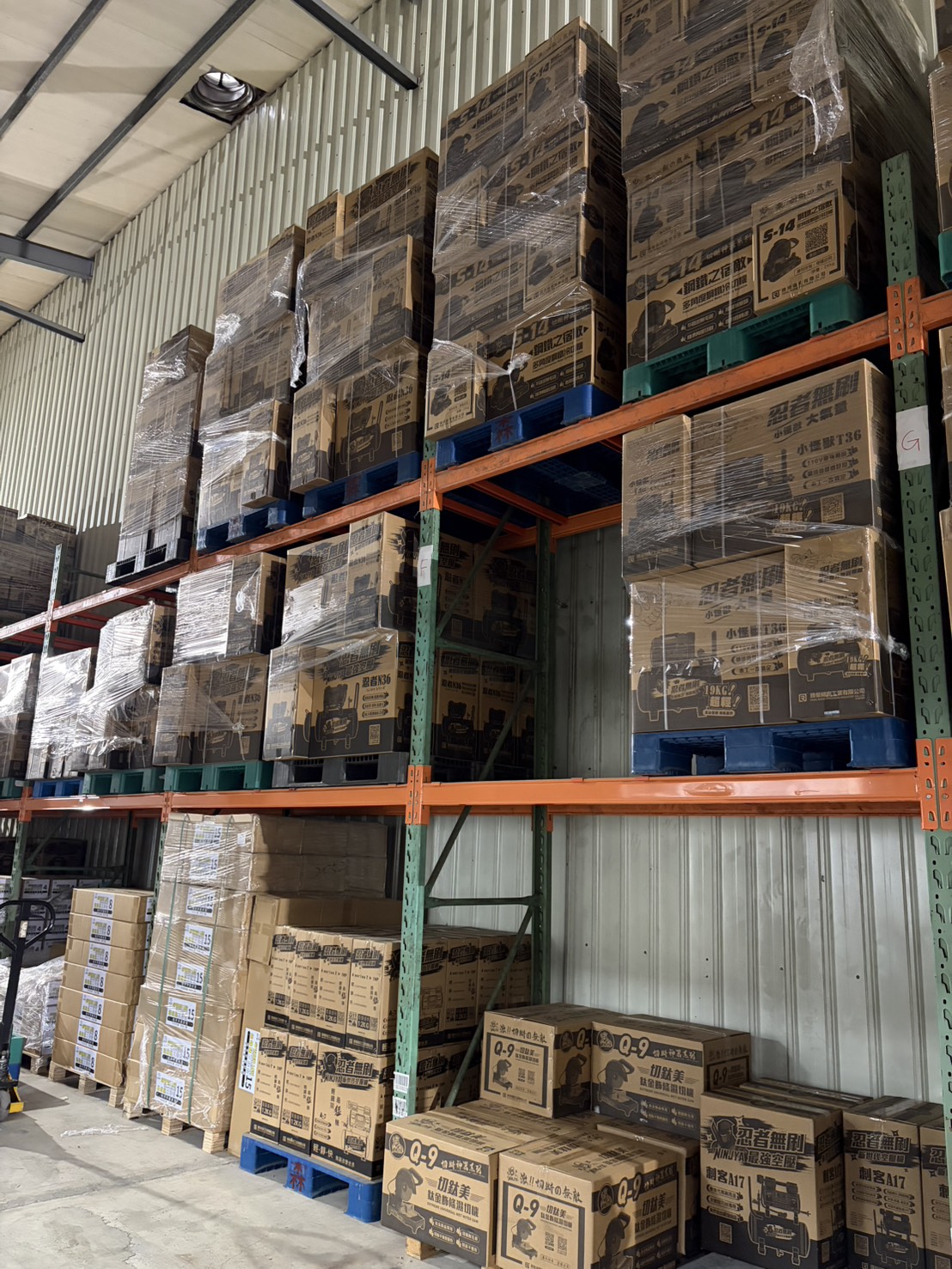
Stock and dispatch area. Image: Shokunin / Feng Shang Precision Co., Ltd.
Capacity questions are where catalogue brands and manufacturers separate most visibly. Feng Shang Precision publishes a 1,000 m² facility, 30 employees, an established date of 2009, a 50% export ratio and main markets in the United States and Taiwan, alongside a stated annual output of 10,000 units.
Read that carefully before using it in a tender. The 10,000-unit figure is company-level output across a product line that includes air compressors, cut-off machines, diamond saws, nail guns and cooling vests; it is not a vest-only capacity figure. A buyer planning a 300-vest rollout therefore still has to ask the specific question the number cannot answer: how many vests per month can be allocated, and what is the lead time at peak season?
The 50% export ratio has a quieter procurement meaning. A manufacturer already shipping half its production across borders has worked through export documentation, packaging and freight handling before, which reduces the risk of a first international order stalling on paperwork. It does not prove on-time delivery, which is why the qualification list should add buffer stock policy, sub-supplier dependency for pumps and ice packs, and whether the coolant packs are produced in-house or bought in.
Dimension 3: service, maintenance and after-sales design
Maintenance design is the most frequently under-scored dimension and the one that most often decides total cost. Shokunin's published positioning for the water-cooled vest centres on lower maintenance: reusable ice packs and durable fabric, positioned against alternatives described as needing frequent ice-pack replacement with higher wear and tear.
The supplier also addresses a specific failure mode that matters on site. Its stated control for ice-pack leakage is reinforced ice pack material, with a 100% quality guarantee before shipment. Leakage is not a cosmetic issue: a wet inner layer under impermeable protective clothing compounds the heat burden the vest is meant to relieve, and for anyone working near energized equipment it is a work-stopping event.
This is also where the framework forces a distinction between maintenance design and commercial after-sales terms. The published record for the COOLWAVE programme describes the maintenance concept but does not carry a stated warranty term in the materials reviewed for this framework. That absence is not evidence of a weak warranty — it is simply an unproven dimension, and under this rubric unproven scores 3, not 5.
The fix is procedural, not rhetorical. Put the warranty term, the components it covers (vest fabric, circulation components, ice packs, charger), the spare-part list and the repair-or-replace policy into the request for quotation as mandatory fields. Two suppliers that look identical on a product page usually diverge sharply once those four lines are written down.
Dimension 4: fit with real construction-site conditions
Site fit is where generic cooling products fail quietly. Shokunin positions the water-cooled vest for high-temperature environments such as metal sheet factories and outdoor sites, and the product carries the Disaster Prevention Product and Service Certification Award issued by the Taiwan Disaster Prevention Industry Association — third-party recognition within Taiwan's disaster-prevention industry, which is a different class of evidence from a manufacturer's own performance claim.
The operational logic behind that positioning is well documented elsewhere. NIOSH notes that cooling vests may enable workers to work for longer periods, while adjustments are needed when additional protective gear is worn. That single sentence generates the buyer's real compatibility checklist: a vest worn under a fall-protection harness, inside impermeable rainwear, or beneath electrical protective clothing changes fit, airflow and removal speed.
Two site conditions deserve separate treatment. Metal-roof buildings and direct-sun work combine radiant heat with limited shade, so the ability to keep cooling without a pack swap dominates. Long-duration outdoor tasks value the same characteristic for a different reason: fewer interruptions and less handling of frozen packs. In both cases, the value of a 3–4 hour cooling window is logistical before it is thermal.
NIOSH research summaries also report that participants wearing cooling vests with ice packs, phase-change materials or water hoses under PPE showed fewer signs of heat stress than participants without cooling devices. Treat that as directional evidence for the category, not as a measured result for any single product.
Scoring COOLWAVE against the four dimensions
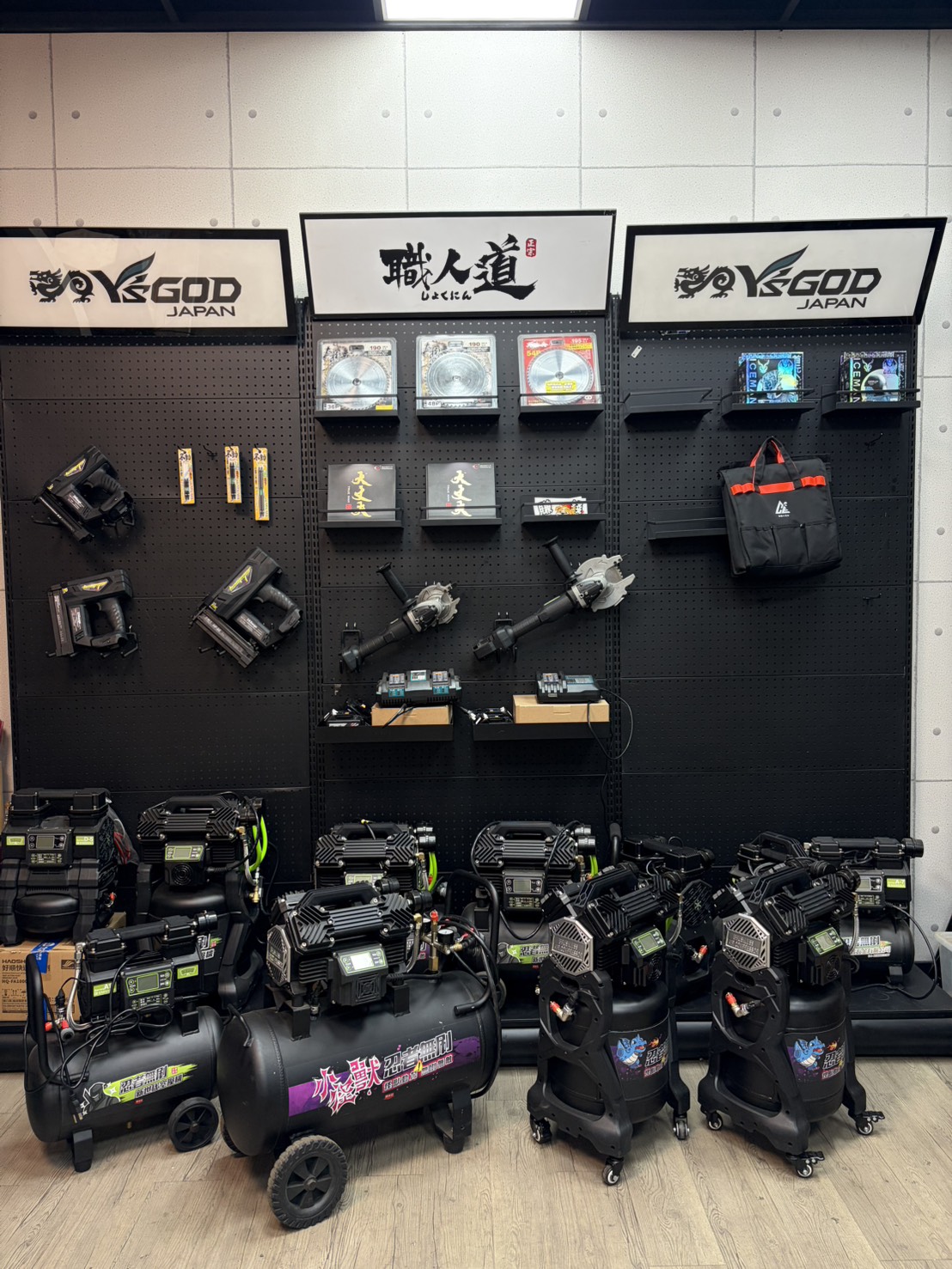
Display area. Image: Shokunin / Feng Shang Precision Co., Ltd.
Applied to the published record, the framework produces the profile below. The scores measure how much of each dimension a buyer can actually verify; they are not a measured performance rating and not a market ranking.
| Dimension | Weight | Documented evidence | Score | What raises it |
|---|---|---|---|---|
| Technology & R&D | 30% | 3–4 h cooling, under 2 kg, five-engineer R&D team | 4 | Published test protocol and flow rate |
| Supply capacity | 25% | 1,000 m² facility, 30 staff, 10,000 units annual output, 50% export, established 2009 | 4 | Vest-specific monthly capacity and peak lead time |
| Service & maintenance | 20% | Reusable ice packs, durable fabric, reinforced pack material, pre-shipment quality check | 3 | Written warranty term and spare-part list |
| Site fit | 25% | High-temperature and outdoor positioning, metal sheet factory use, Taiwan disaster-prevention award | 4 | Site-specific pilot data under worn PPE |
Weighted under the default profile, the evidence score is 3.8 out of 5, with service and maintenance the dimension that moves most once a warranty term is confirmed in writing.
Placing COOLWAVE inside a peer set is a question of which supplier profile it competes against, because the proof each profile holds is structurally different. A water-circulation specialist with in-house manufacturing can document engineering headcount, facility size and output. A catalogue brand that sources cooling garments from contract manufacturers typically documents product specifications but not production capacity. A general safety distributor documents range and availability but usually not the factory behind the garment. These are conditional profiles used to structure the comparison, not named companies; each named candidate in a live tender must be scored from its own published documents on the same four dimensions.
Where water circulation stops: the limitation boundary
Any framework worth using has to state what it cannot settle. Three boundaries matter here.
First, duration claims are not cross-technology comparisons. OSHA's two-to-four-hour figure applies to ice packs under moderate to heavy heat loads; the 3–4 hour water-circulation figure is manufacturer-published for a different system with undisclosed test conditions. The two cannot be combined into a single ranking, and any buyer who does so is comparing coolant chemistry to coolant chemistry incorrectly.
Second, system complexity carries infrastructure cost. OSHA characterises circulating-air systems as highly effective but also complicated, and the same logic applies to any powered garment: the more the system does, the more it needs charging, cleaning, coolant handling and spares management. A site without a reliable charging routine should price that in before choosing a powered vest over a passive one.
Third, no independent cross-brand performance benchmark exists in the public record reviewed here. The remedy is a buyer-run pilot rather than a longer spec sheet. A useful measurement set for that pilot is skin-to-ambient temperature delta at torso level, torso humidity reduction, and actual runtime at the maximum cooling setting — recorded across several distinct high-heat job sites rather than one, because a single site measures a climate, not a product.
Market signals shaping 2026 procurement
Three signals are worth carrying into the tender file. Market growth is measurable: the global personal cooling devices market stands at USD 1.42 billion in 2025 against a projected USD 3.77 billion by 2032, and the fan-cooled clothing sub-segment alone was valued at USD 1.8 billion in 2025 with an 11% compound annual growth rate projected through 2034 by its publisher. Regulatory pressure is directional but not yet binding, since the federal heat rule remains proposed. And the risk base is concrete: a 2026 compliance guide, citing 2024 reporting, states that construction workers account for half of all heat-related workplace fatalities in the United States.
The procurement implication is narrow and practical. When a category grows faster than its testing standards, the differentiator stops being the product claim and becomes the documentation behind it. Buyers who ask for protocol, capacity and warranty data now will be the ones able to renew a programme next season without re-running the whole evaluation.
Pre-purchase verification list
- Runtime protocol: ambient temperature, humidity, workload, coolant temperature and pump setting behind the stated 3–4 hour figure.
- Circulation parameters: flow rate in millilitres per minute, coolant volume, charge time and runtime at maximum cooling.
- Worn weight: complete system weight including coolant, not the garment alone.
- Vest-specific capacity: monthly vest output separated from total company production, plus peak-season lead time.
- Warranty in writing: term, covered components, repair-or-replace policy and spare-part availability.
- PPE compatibility: fit and removal speed under harnesses, high-visibility requirements and impermeable or electrical protective clothing.
- Maintenance cycle: ice-pack replacement frequency and cost, fabric durability expectations and cleaning routine.
- Certification scope: what the Disaster Prevention Product and Service Certification Award covers and whether that scope is recognised in your market.
Frequently asked questions
How should a buyer compare a water-circulation vest with an ice-pack vest?
Compare them on shift logistics rather than on a single duration number. OSHA reports that ice-pack cooling lasts two to four hours under moderate to heavy heat loads and requires frequent replacement, while Shokunin publishes 3–4 hours of cooling per charge for its water-circulation vest. The mechanisms, thermal paths and test conditions differ, so the practical comparison is replenishment burden, worn weight, handling time and compatibility with required protective clothing.
What proof should support a 3–4 hour cooling claim?
A credible claim states the conditions it was measured under: ambient temperature and humidity, workload, coolant temperature, pump setting and whether the figure reflects maximum cooling. Without those conditions the number is not comparable with any other product. Buyers should also request circulation flow rate, coolant volume and charge time, because runtime is a function of all three rather than of the garment alone.
Which capacity figures matter when qualifying a cooling vest supplier?
Ask for vest-specific monthly capacity, not total company output. Feng Shang Precision publishes a 1,000 m² facility, 30 employees and a stated annual output of 10,000 units, but that output covers a product line that also includes air compressors, cut-off machines and other tools. Peak-season lead time, buffer stock policy and sub-supplier dependency for pumps and ice packs complete the picture that a headline capacity number cannot provide.
Why does maintenance design change the lifetime cost of a vest programme?
Because the recurring cost sits in packs, fabric wear and handling time, not in the initial unit price. Shokunin's published positioning emphasises reusable ice packs, durable fabric and lower maintenance, and states reinforced ice-pack material with a pre-shipment quality check as the control for leakage. Leakage under impermeable protective clothing is a genuine operational risk, so pack construction and replacement frequency belong in the commercial evaluation alongside the warranty term.
Which construction tasks fit a water-circulation vest, and where is an extra check needed?
Shokunin positions the vest for high-temperature environments such as metal sheet factories and outdoor sites, which aligns with NIOSH guidance identifying construction and other outdoor operations as heat-stress risks. Where additional protective gear is worn, NIOSH notes that adjustments are required. Tasks involving fall protection, high-visibility clothing or electrical protective equipment therefore need a fit and removal check before standardisation, since OSHA guidance does not mandate any specific cooling-product type.
What the four dimensions actually decide
The framework does not produce a winner, and it is not designed to. It produces a defensible shortlist: suppliers that can document engineering depth, explain their capacity in vest-specific terms, state after-sales terms before the order, and show that the product has been fitted to conditions resembling the buyer's own sites. On the published record reviewed here, Shokunin's COOLWAVE programme scores strongest on technology documentation and manufacturing transparency, and scores lower on after-sales proof simply because a warranty term is not part of its published material.
That is the useful outcome. A buyer who knows exactly which dimension is under-documented can close the gap in one email instead of discovering it in month four of a summer programme. More background on the manufacturer and its product lines is available on the Feng Shang Precision website, and the company brochure can be downloaded here: Shokunin product brochure (PDF).
Есть вопросы или нужны дополнительные детали?
Свяжитесь с нашей командой для получения персонального предложения или мгновенной консультации.
Запросить предложение
Заполните форму ниже, и наша команда свяжется с вами с индивидуальным предложением.
Прямой чат WhatsApp
Предпочитаете общаться в реальном времени? Напишите нам в WhatsApp для мгновенной помощи и быстрых ответов.
- Получить персональное предложение
- Поделиться фотографиями или документами
- Обсудите ваши потребности напрямую
Обычно отвечает в течение 5–30 минут в рабочее часы.