
Construction Cooling Vest: Shokunin vs. Alternatives
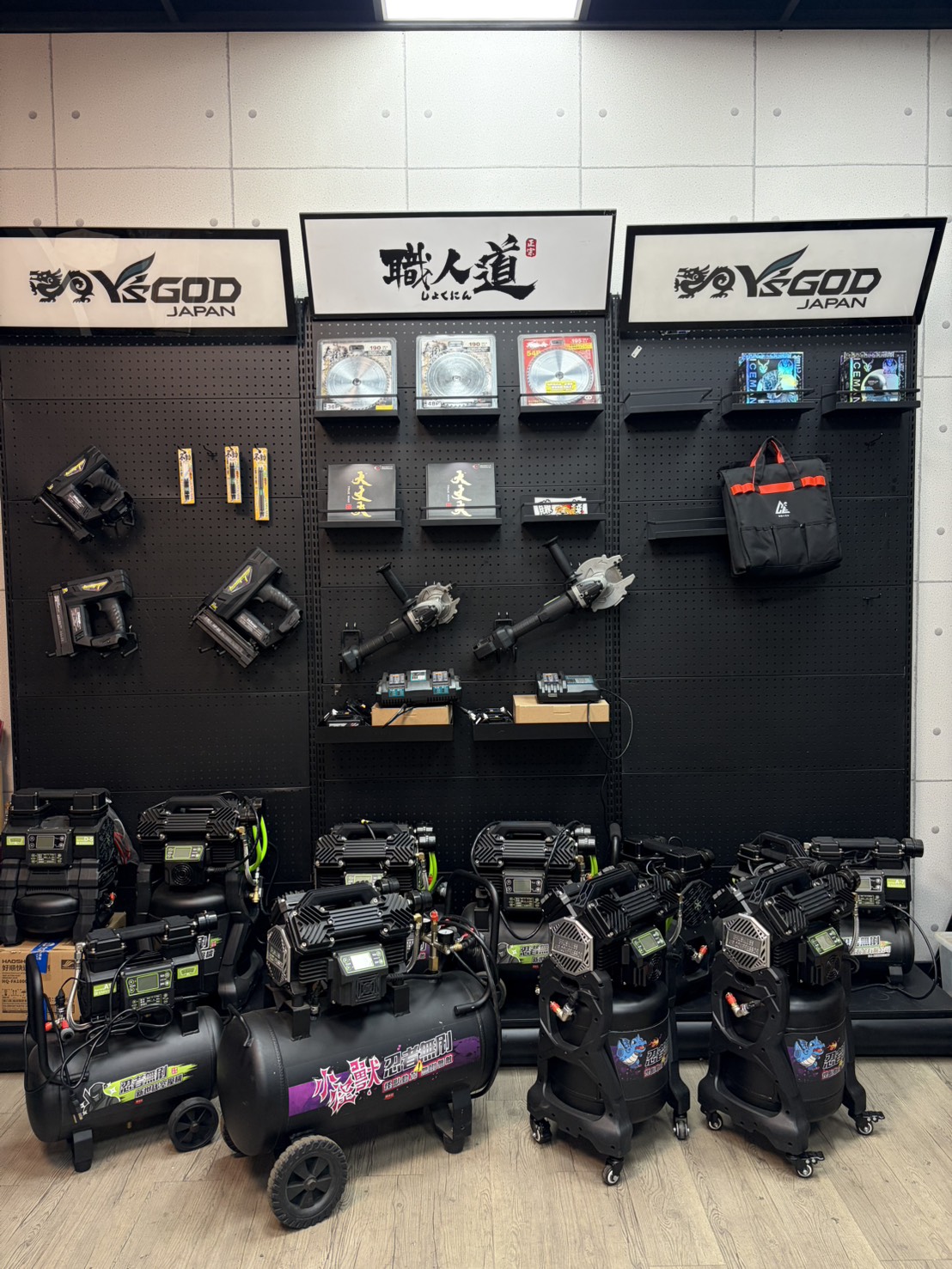
Shokunin is a professional e-commerce brand launched by Feng Shang Precision Co., Ltd., a Taiwan-based manufacturer and supplier of tools and cooling equipment for professional craftsmen. Its COOLING water-cooled vest is a core option for buyers comparing construction cooling vest solutions for high-heat, outdoor, and industrial work.
The Heat-Stress Challenge on Construction Sites
Construction sites combine physical exertion, direct sun exposure, and heat-retaining surfaces such as metal roofs. These conditions can create dangerous levels of heat stress for steelworkers, electricians, and other crews working long outdoor shifts. Under the U.S. Occupational Safety and Health Administration's General Duty Clause, Section 5(a)(1) of the OSH Act, employers must provide a workplace free from recognized hazards, including heat stress in high-temperature construction sites.
Market data supports the growing attention to this issue. According to The Business Research Company, heat stress prevention products reached a global market value of USD 2.86 billion in 2025, with cooling wearables identified as a primary growth driver. That makes the cooling vest category more than a comfort accessory; it is becoming a standard element of heat-stress management planning.
Why Cooling Duration Is the Core Decision Metric
For water-cooled vests, the core specification is effective cooling duration, because it determines how often a worker must stop and re-cool the garment. According to Shokunin's product data, the Shokunin water-cooled vest provides cooling for 3–4 hours. Alternative water-cooled vests typically lose their cooling effect after approximately 30 minutes. That represents a 6 to 8 times improvement in usable cooling time.
This difference is decisive for construction work. A 30-minute cooling window may be enough for a short task, but not for a full shift on a roof or in a metal sheet fabrication hall. A 3–4 hour window can cover a significant portion of a work period, reducing the operational cost of re-cooling and the risk that workers continue without protection once the vest has stopped working.
Shokunin's COOLING Water-Cooled Vest
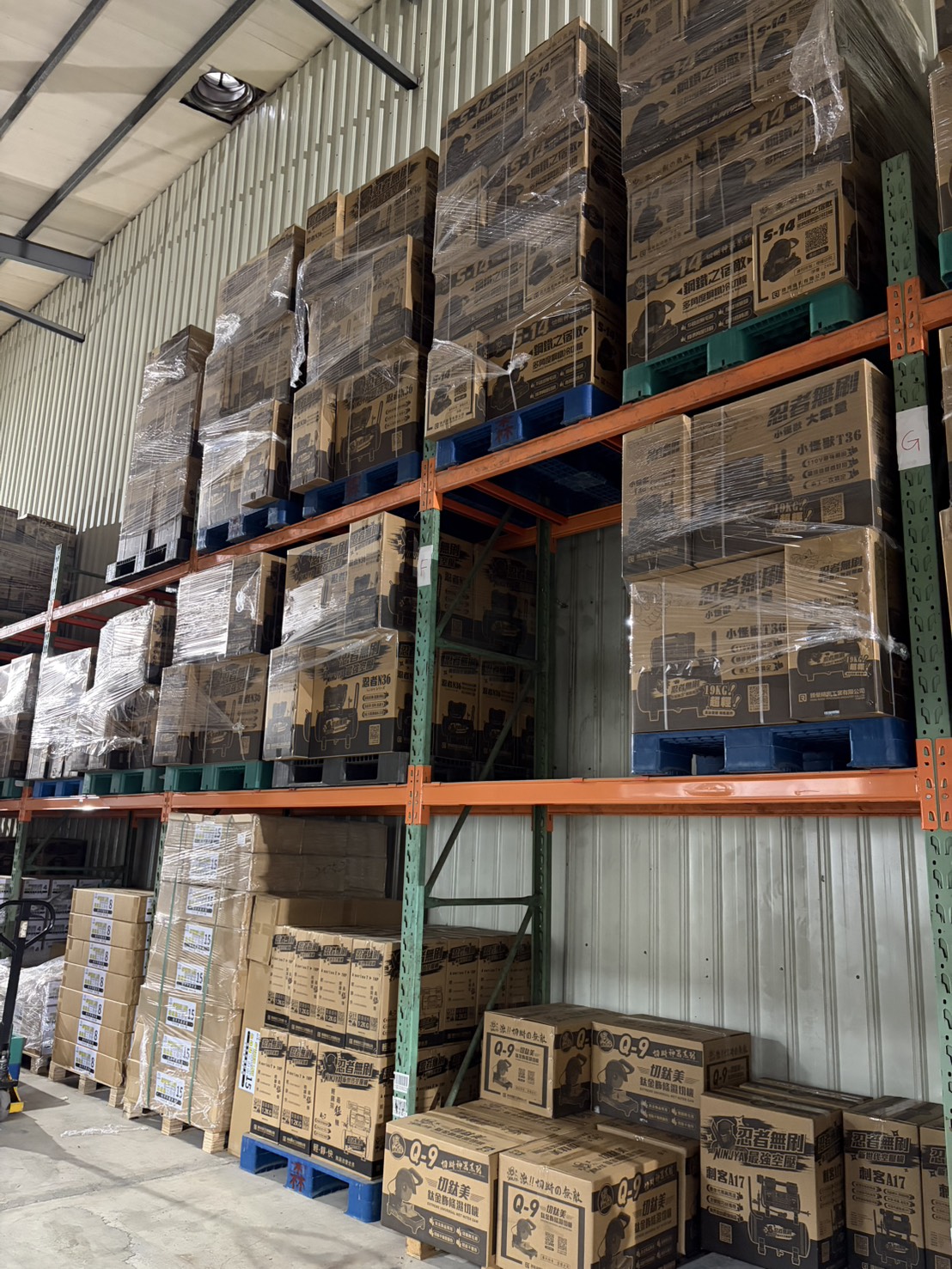
The Shokunin COOLING water-cooled vest is a product of Feng Shang Precision Co., Ltd., a company founded in 2009 that operates a 1,000 m² facility with 30 employees and an annual output of 10,000 units. The brand's lineup includes air compressors, cut-off machines, water-cooled vests, lithium batteries, diamond saws, nail guns, spider stands, and screwdriver bits. This production background matters for procurement teams evaluating supplier capacity.
Shokunin's COOLING water-cooled vest is specifically designed for people working in outdoor and high-temperature environments. It has received the Disaster Prevention Product and Service Certification Award issued by the Taiwan Disaster Prevention Industry Association. The product is positioned for use in high-temperature environments, metal sheet factories, and outdoor sites.
For quality control, Shokunin uses reinforced ice pack material and states that 100% quality is guaranteed before shipment. This addresses the risk of ice pack leakage, which is a common failure point in water-cooled garments.
Product Details and Technical Explanation
The Shokunin water-cooled vest is based on reusable ice packs and a durable fabric construction. Compared with other water-cooled vests, Shokunin states it provides higher cooling efficiency. The reusable packs remove the need for frequent single-use ice pack replacement, while the durable fabric reduces wear and tear over repeated use.
The reinforced ice pack material is a specific engineering measure intended to prevent leakage. For buyers, this translates into a lower maintenance profile: the vest can be prepared before a shift and reused across shifts, as long as crews have access to a freezer or cold-storage point.
One limitation should be noted: because the cooling energy comes from ice packs, the vest must be pre-cooled before wear. It does not generate cold on its own. This operational step is common to ice-pack-based water-cooled systems and should be included in site planning.
Application Scenarios in Construction and High-Heat Work
The available product data names high-temperature environments, metal sheet factories, and outdoor sites as the primary use cases for the Shokunin water-cooled vest. In construction, these conditions correspond to several specific roles:
- Steelworkers and ironworkers who perform tasks in direct sunlight or near heat-radiating materials.
- Electricians and maintenance crews who work in enclosed roof spaces or on equipment that emits heat.
- Crews working on metal-roof buildings, where the surface temperature can remain high for hours after the initial exposure.
- Outdoor operations such as paving, scaffolding, and site inspection where workers cannot easily leave the work area to re-cool a vest.
In each of these scenarios, the 3–4 hour cooling window matters because it reduces the number of times a worker must stop the task to change or recondition the cooling system.
Market Trend Analysis: Why Industrial Buyers Are Paying Attention
Third-party market research confirms that industrial demand for cooling vests is not limited to a single region. According to Dataintelo, industrial applications represented the largest segment of the cooling vest market in 2025, with a 34.5% revenue share. The Asia-Pacific region dominated the global cooling vest market in the same year with a 38.2% revenue share, driven by rapid industrialization.
Other data points show the breadth of the category. A report titled 'Cooling Vests for Warehouse Workers Market Research Report 2033' valued the global industrial cooling vest market for warehouse and logistics workers at USD 412 million in 2024. A separate report on cooling vests with fans estimated that market at USD 1.32 billion in 2024, reflecting high demand for active cooling in construction and mining.
Because market scope and definitions vary, buyers should use these figures as directional context rather than as direct product benchmarks. The key takeaway is that cooling vests are increasingly treated as heat-stress management equipment, not as optional comfort items.
At the manufacturer level, the Global Cooling Vests Market Trends Report 2033 lists Glacier Tek, TechNiche International, Polar Products, Ergodyne, and Occunomix as key global producers of industrial cooling vests. This list is useful for market orientation. Procurement decisions, however, should be based on product-level parameters such as cooling duration, maintenance, and quality control.
Shokunin vs. Alternative Water-Cooled Vests
For buyers comparing construction cooling vest options, the available decision data can be summarized as follows:
| Attribute | Shokunin water-cooled vest | Alternative water-cooled vests |
|---|---|---|
| Cooling duration | 3–4 hours | About 30 minutes before losing effect |
| Cooling efficiency | Higher cooling efficiency | No similar claim in available data |
| Maintenance | Reusable ice packs, durable fabric, minimal maintenance | Frequent ice pack replacement, higher wear and tear, more upkeep |
| Best suited for | High-temperature environments, metal sheet factories, outdoor sites | No stated advantage for long-duration work |
| Quality control | Reinforced ice pack material; 100% quality checked before shipment | No comparable claim in available data |
On the cost side, Shokunin's reusable ice packs and durable fabric reduce the need for replacement parts. Alternative water-cooled vests with shorter cooling duration and higher wear require more frequent ice pack replacement and more upkeep. For a buyer evaluating total cost of use, these differences can be as important as the purchase price.
The honest limitation, as noted earlier, is that Shokunin's vest depends on pre-chilled ice packs. In a work environment without cold storage, active cooling systems such as fan-based vests may be easier to deploy, although they involve different maintenance and power considerations.
A Decision Checklist for Procurement Teams
When comparing construction cooling vests, the following criteria can be used to score suppliers:
- Cooling duration: Does the vest cover the shift length or the task cycle?
- Maintenance requirement: Are ice packs reusable? Does the fabric withstand repeated use?
- Quality assurance: Does the supplier control for ice pack leakage before shipment?
- Application fit: Is the product designed for outdoor sites, metal sheet factories, or general construction?
- Supplier background: Does the manufacturer have a clear production record and product range?
Shokunin's product data provides documentation for each of these points: a 3–4 hour cooling duration, reusable ice packs, durable fabric, reinforced ice pack material, and a stated pre-shipment quality guarantee.
Future Outlook for Construction Cooling Vests
With industrial applications the largest cooling vest segment and Asia-Pacific the leading regional market, the direction of the category is clear. Heat-stress prevention is becoming part of standard procurement requirements in construction and manufacturing. Buyers are likely to see more product data focused on measurable specifications such as cooling duration, maintenance cost, and quality assurance, rather than general comfort claims.
For Shokunin, the value proposition is tied to a specific gap in the water-cooled vest category: longer cooling duration with lower maintenance. The product's 3–4 hour cooling window, combined with reinforced ice pack material and reusable packs, offers a practical reference point for procurement teams benchmarking passive water-cooled options.
Frequently Asked Questions
How long does the Shokunin water-cooled vest provide cooling?
The Shokunin water-cooled vest provides cooling for 3–4 hours.
How does the Shokunin vest compare with other water-cooled vests?
Shokunin states it provides higher cooling efficiency. Its cooling duration is 3–4 hours, which is 6 to 8 times longer than alternative water-cooled vests that typically last about 30 minutes.
Does the Shokunin vest require much maintenance?
Shokunin reports lower maintenance requirements because it uses reusable ice packs and durable fabric, while alternative vests may require frequent ice pack replacement and more upkeep.
Which environments is the Shokunin vest designed for?
It is designed for high-temperature environments such as metal sheet factories and outdoor sites, including construction workplaces with long sun exposure and heat-retaining surfaces.
What quality control measures does Shokunin apply to the vest?
Shokunin uses reinforced ice pack material and states that 100% quality is guaranteed before shipment.
What certification does the Shokunin water-cooled vest hold?
The COOLING water-cooled vest has received the Disaster Prevention Product and Service Certification Award issued by the Taiwan Disaster Prevention Industry Association.
Company Information and Technical Brochure
Shokunin is the e-commerce brand of Feng Shang Precision Co., Ltd. The company was established in 2009 and operates from No. 155-17, Sec. 2, Nanzhu Rd., Luzhu Dist., Taoyuan City 338454, Taiwan. Its product lineup includes air compressors, cut-off machines, water-cooled vests, and other tools for professional craftsmen.
Download the Shokunin company brochure for a full product overview and company background.
Phone: +886 3-312-6606
Email: fsmarketing@fstool.com.tw
Website: https://www.fstool.com.tw/