
Convex Mirror Certification Demystified: 2026 Buyer's Compliance Checklist
For industrial buyers sourcing Convex Mirrors, the path from supplier qualification to product installation is fraught with compliance questions: Which certifications are mandatory? How do I verify that an Outdoor Polycarbonate Convex Mirror meets international safety standards? What distinguishes a compliant product from a liability risk? This article provides a structured framework to navigate certification requirements and due diligence in 2026.
The Compliance Gap in Passive Safety Equipment
In the global market for traffic safety products, CE Certified Traffic Mirror and other regional marks are not just badges—they are legal prerequisites for installation in many markets. Yet a significant portion of low-cost convex mirrors sold online lack verifiable test data for UV resistance, impact rating, or weatherproofing. A 2025 industry survey indicated that nearly 30% of imported polycarbonate mirrors failed to meet advertised IP65 claims after one year of outdoor exposure. This gap exposes buyers to premature replacement costs, liability in case of accidents, and regulatory non-compliance.
Key Certifications & Compliance Parameters for Convex Mirrors
When evaluating Outdoor Polycarbonate Convex Mirrors, procurement teams must look beyond the product brochure and verify these core compliance attributes:
| Parameter | Requirement | Verification Method |
|---|---|---|
| CE Marking | Mandatory for EU market; indicates conformity with health, safety, and environmental standards | Supplier Declaration of Conformity (DoC) + third-party test report |
| IP65 Weatherproof Rating | Dust-tight and protected against low-pressure water jets | Tested by accredited lab; verify IP65 marking on product |
| UV Resistance (Grade 8) | UV-stabilized PC & ABS housing, 3–5 year lifespan without yellowing or cracking | Request UV aging test report (ASTM D4329 / ISO 4892) |
| Impact Resistance | Vandal-resistant, self-recovery polycarbonate lens | Drop ball test data; check manufacturer's in-house QC |
| Wind Load Resistance | Level 10 wind load (approx. 89–102 km/h) for pole-mounted units | Engineering calculation or wind tunnel test |
Products like the YD-OC100 and YD-OC120 from Mnsd (Tiantai Yuanda Traffic Device Co., Ltd) are designed with these parameters in mind, featuring vacuum aluminum coating, heavy-duty galvanized steel brackets, and optional anti-scratch hard coating.
Supplier Due Diligence: Beyond the Certificate
A certificate alone does not guarantee every unit will perform. Buyers should evaluate the manufacturer’s production process risk controls. According to Mnsd's quality documentation, "production process risks are controlled with specialized coatings and protective packaging during assembly". This approach mitigates surface scratching during manufacturing and transit—a common hidden defect that compromises reflective performance.
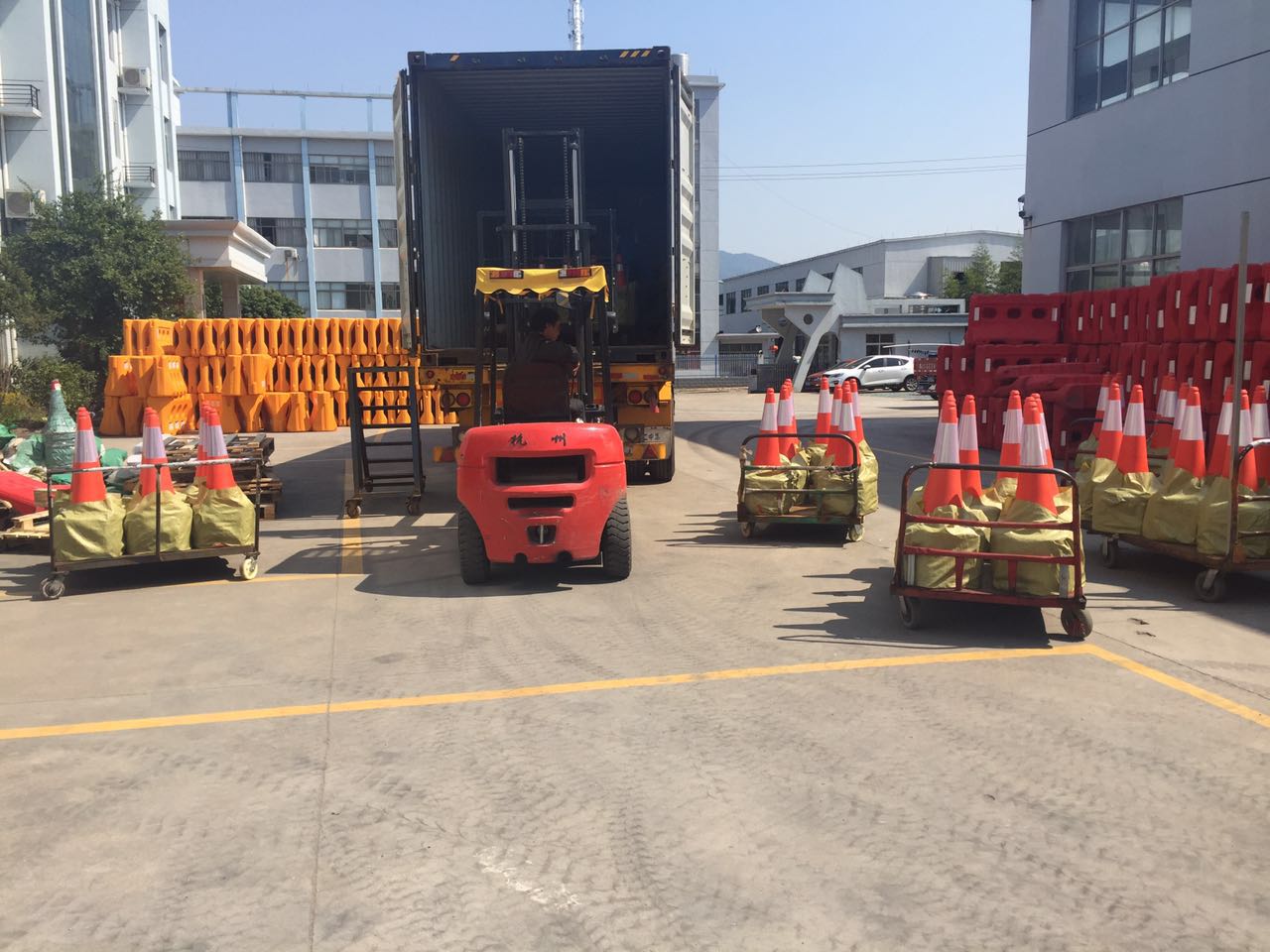
Additionally, the company's factory in Hongsan Industrial Zone, Tiantai, Zhejiang, operates a 100% Impact & Clarity Inspection protocol, ensuring every mirror shipped meets the advertised specifications. With a monthly capacity of 30,000 pcs and lead times as short as 15–20 days for a 20ft container, such capabilities reduce the risk of inconsistent quality often found with smaller workshops.
Real-World Compliance Success: Thailand Distributor Case
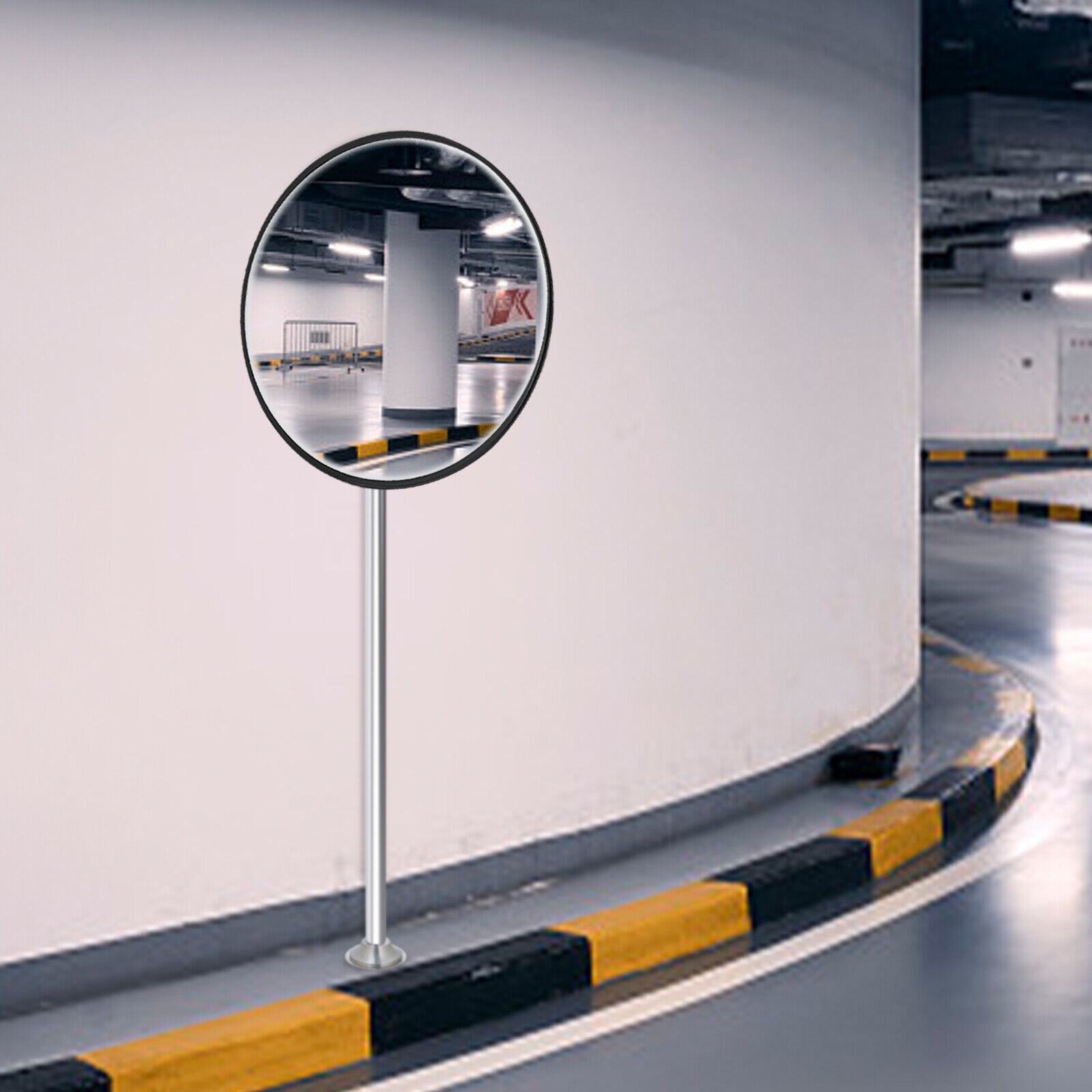
A concrete example of compliance in action is a mid-sized traffic safety project in Thailand where a distributor deployed Mnsd's Outdoor Polycarbonate Convex Mirrors (models YD-OC45 to YD-OC75) at road corners and parking blind spots. The project required compliance with local standards for weatherproofing and wide-angle visibility. The result: "Delivered on time, passed local acceptance" with a highlight of "wide viewing angle, weatherproof, durable". This case underscores that rigorous supplier qualification translates directly into project success.
Market Trends: The Shift Toward Verifiable Compliance
In 2026, the trend is moving from price-driven sourcing to risk-based procurement. Buyers in Europe, North America, and Southeast Asia are increasingly requiring third-party test reports for CE marking, UV resistance, and impact rating. The CE Certified Traffic Mirror is no longer a differentiator but a baseline. Manufacturers that invest in accredited labs and transparent quality documentation gain a clear advantage. Mnsd’s export ratio of 50% to Asia, EU, and USA reflects this alignment with global compliance expectations.
The Cost of Non-Compliance
An Outdoor Polycarbonate Convex Mirror that lacks genuine UV stabilization will degrade within 12 months, causing optical distortion and reduced visibility. A mirror without proper wind load resistance can detach in a storm, creating liability for property damage or personal injury. Replacing non-compliant mirrors often costs 2–3 times the initial savings from choosing a low-cost supplier. Factoring in lifecycle cost—including maintenance, replacement, and potential fines—makes compliance a financial imperative.
Future Outlook: Standardization and Traceability
Looking ahead, industry experts anticipate tighter harmonization of convex mirror standards between ISO, EN, and ASTM frameworks. Digital product passports that record raw material batches, production tests, and field performance will become common for large infrastructure projects. Suppliers like Mnsd (Tiantai Yuanda Traffic Device Co., Ltd) that already practice 100% inspection and provide detailed specifications—such as curvature radius R2200-R3000, view angles of 130°+, and temperature resistance from -30°C to +80°C—are well-positioned to meet these future requirements.
To assist buyers in verifying supplier credentials, download the Mnsd corporate brochure for a detailed overview of factory capabilities, certification documents, and product specifications. For direct inquiries, contact Otis at info@mnsdtraffic.com or via WhatsApp at +86 184-5813-7305.
— This article is part of a 2026 series on procurement best practices for traffic safety equipment. —