
Cordless Power Tools: Certifications, Specs and Sourcing Evidence for 2026
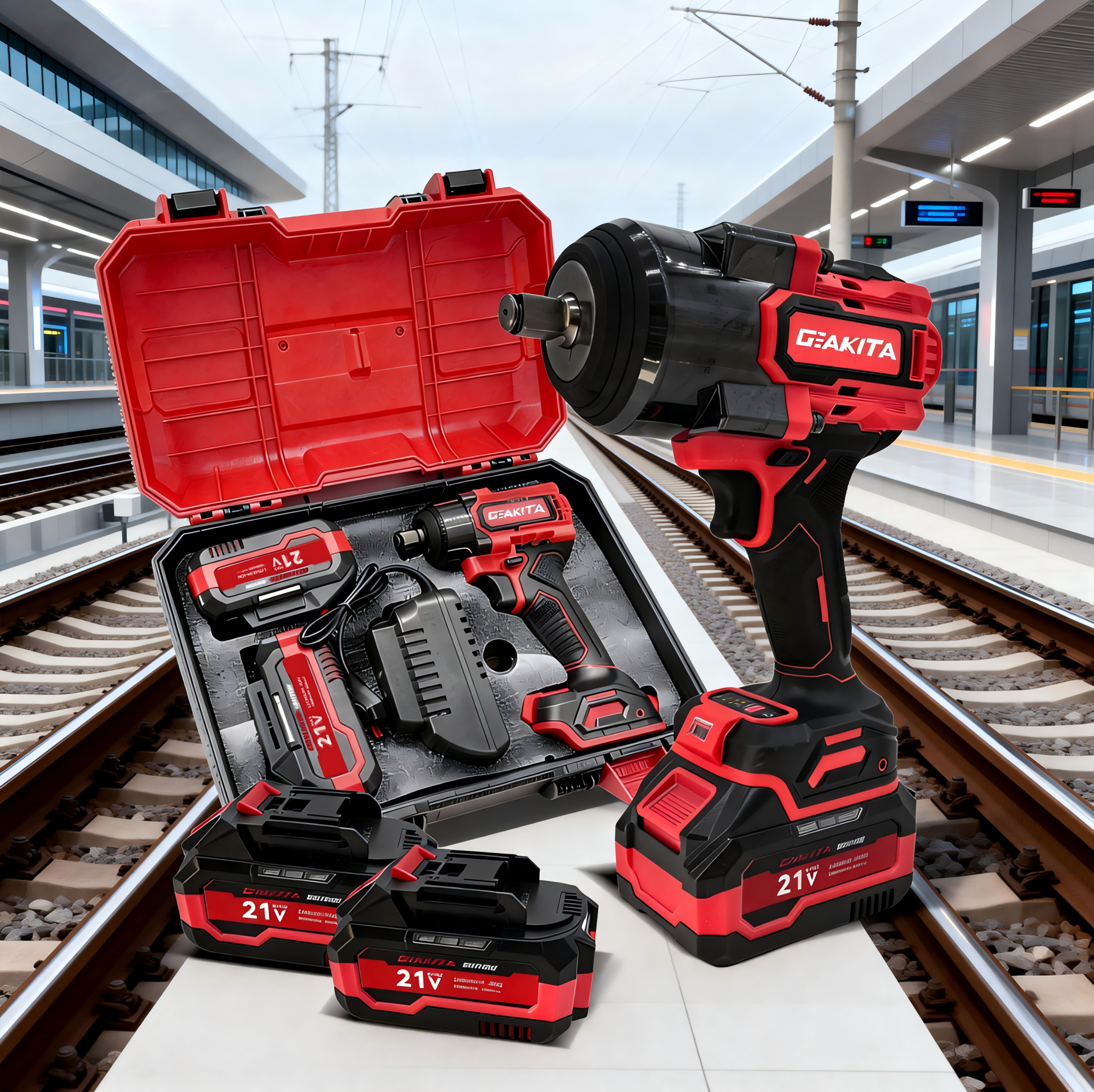
By 2026, cordless power tools have become a standard procurement category for industrial buyers, not a niche convenience. According to Grand View Research, the global cordless power tools market was valued at USD 13.44 billion in 2024 and is projected to reach USD 32.58 billion by 2033. For purchasing teams, the practical question is no longer only which tool is fastest, but which supplier can prove its voltage, battery, motor, torque, and certification claims in a way that survives procurement review. This article uses Geakita (Xiamen Tiangong Kaiwu Technology Co., Ltd.) as a reference supplier to explain how specification transparency, certification evidence, and production controls should be assessed.
Why Specifications and Certifications Matter in Cordless Power Tool Procurement
Cordless power tools require buyers to commit to a battery system. Once a workshop, service fleet, or distribution catalog is built around one voltage platform, switching is expensive. This makes the initial evaluation more important than in many single-tool purchases. Certifications and parameters are the main evidence that a tool can be sold or used in a target market.
For European distribution, CE marking under the Electromagnetic Compatibility Directive 2014/30/EU is commonly required. For the United Kingdom, UKCA certification under BS EN 62841 standards is relevant. On the safety side, IEC/UL 62841-1 is the primary standard for electric motor-operated hand-held tools, and lithium-ion cells used in power tools are generally expected to comply with IEC/UL 62133. These are not optional details when a buyer is planning to import and resell cordless tools.
Market Context: What the 2026 Data Shows
Market data helps buyers understand whether the category they are entering has enough demand to support long-term inventory and spare-parts commitments. The following figures are directional and sourced from public market reports.
| Metric | Value | Source |
|---|---|---|
| Global cordless power tools market, 2024 | USD 13.44 billion | Grand View Research |
| Projected global cordless power tools market, 2033 | USD 32.58 billion | Grand View Research |
| Drilling and fastening segment share, 2024 | 36.51% | Horizon Databook / Grand View Research |
| China power tools market, 2024 | USD 5.30 billion | Fortune Business Insights |
| Global angle grinder market, 2024 | USD 3.2 billion | Strategic Market Research |
| Global impact wrenches market, 2024 | Approximately USD 2.68 billion | Verified Market Research |
| Robotic pool cleaner market, 2032 projection | USD 5.18 billion, 16.51% CAGR | SNS Insider |
| Robotic lawn mower market, 2024 | USD 1.15 billion | Market Research Future |
Market estimates can vary depending on whether batteries, chargers, and certain tool types are included. Buyers should use these figures as context, not as a substitute for their own demand planning.
Supplier Reference: Geakita Production and Product Evidence
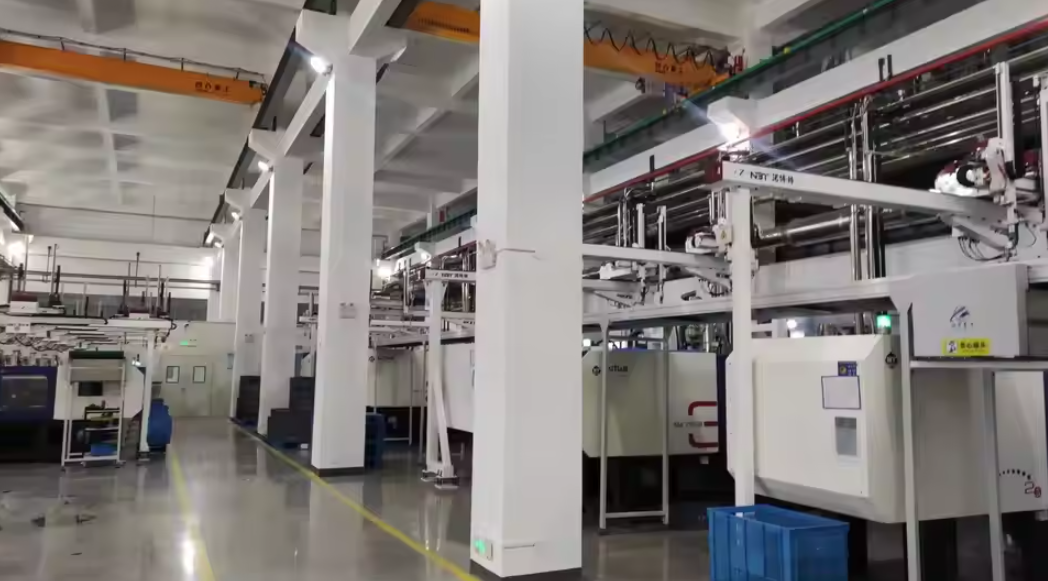
Geakita (Xiamen Tiangong Kaiwu Technology Co., Ltd.) was founded in 2009 and is a member of the Power Tool Sub-Association of the China Electrical Equipment Industry Association. The company operates a production base with approximately 40,000 square meters of floor space and a team of more than 300 people. Its R&D team includes 25 engineers. The product portfolio covers power tools, robotic pool cleaners, and commercial cleaning robots.
According to the corporate profile, Geakita achieved RMB 230 million in lithium power tool sales revenue in 2024, with RMB 190 million from domestic sales and RMB 40 million from overseas sales, and total shipments of approximately 1.5 million units. Main export markets include Europe, Southeast Asia, and the Middle East. The profile also states that continuous monitoring of public platform rankings and sales data places Geakita among the top performers in China's online power tool market.
From a procurement perspective, production scale alone is not enough. Geakita states a monthly capacity of more than 180,000 units and a quality-control process based on 100% full inspection before shipment, with three levels of QC: IQC, IPQC, and OQC. Functional and load testing are included in the process. These details are useful when comparing suppliers at the evaluation stage.
For buyers requesting customized products, Geakita's capability list includes logo printing, packaging design, voltage customization for 110V or 220V, parameter adjustment, color scheme, and battery configuration options such as 2.0Ah or 4.0Ah. The MOQ is at least five power tool categories with eight items per category, for a total of 40 items. Standard mass-production lead time is 30 to 45 days; repeat orders are 20 to 28 days.
Product and Parameter Evidence Across the Cordless Line
When evaluating cordless power tools, buyers should ask for model-level parameters, not only category names. The following table shows examples from Geakita's published product data.
| Product line | Model examples | Representative parameters |
|---|---|---|
| Elite series | DK05, PT05, QZ03, QZ05, JM05, HM05, 650N.m wrench, 1000N.m wrench | 21V or 16.8V; brushless pure copper; 1300–2000mAh × 10 cells |
| Impact drills | PT20, PT21, PT22, PT24 | 21V; 13mm three-jaw metal ratchet chuck; 24+3 torque settings; 450–2000rpm; PT24 uses 2000mAh × 15 cells |
| Impact screwdrivers | QZ02, QZ03, QZ05 | 16.8V or 21V; torque levels 35/100/120N.m for QZ02; brushless pure copper on 21V models |
| Angle grinders | JM01-02, JM03, JM05 | 21V; 100mm disc; no-load speed 12000rpm; 1.6kg for JM01-02 and JM03 |
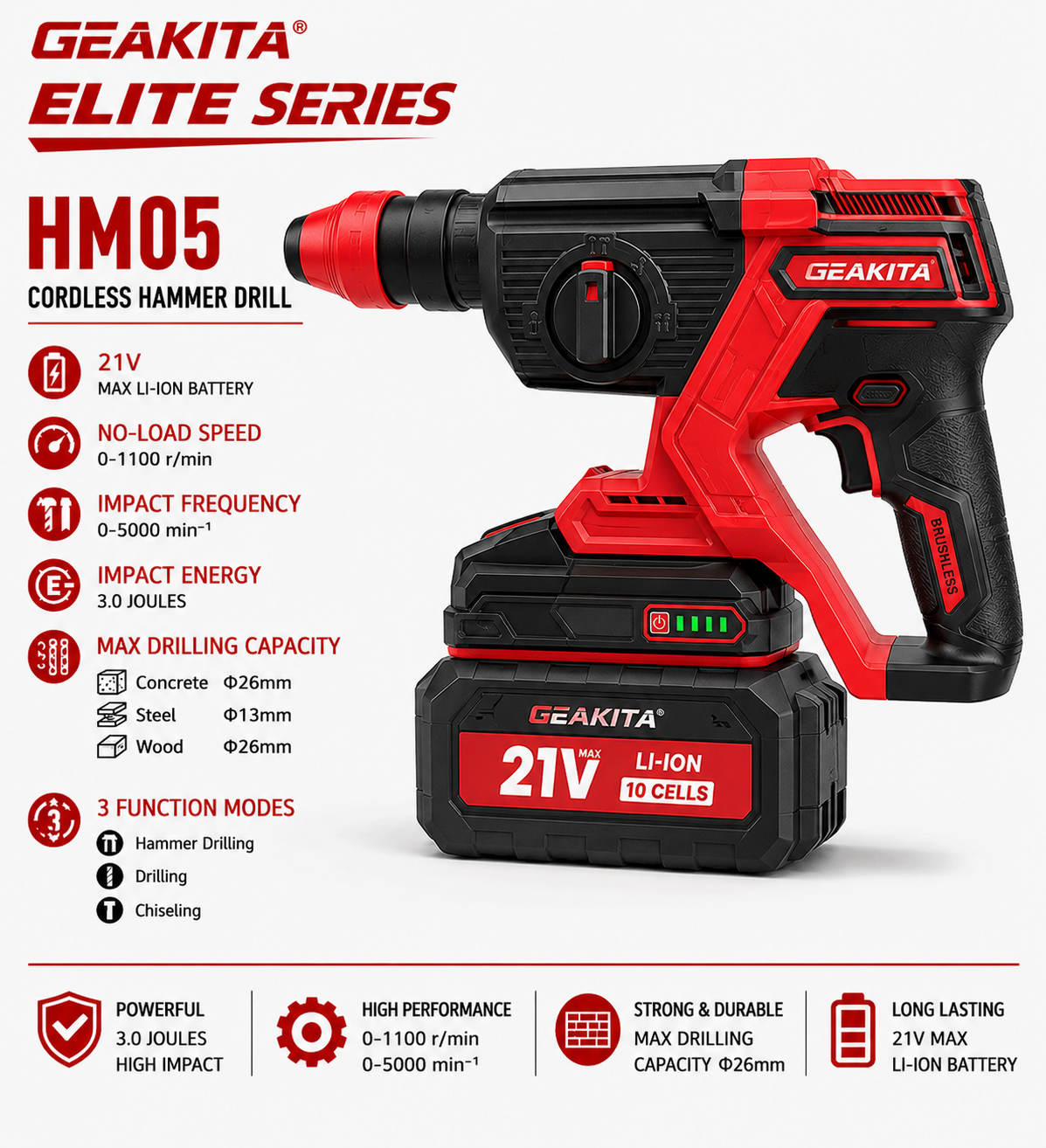
| Rotary hammers | RH01, RH02, HM05 | 21V; concrete drilling capacity up to Φ26mm; steel Φ13mm; wood Φ26mm |
| Impact wrenches | GKR05, GKR06, 650N.m model, 1000N.m model | 21V; brushless pure copper; actual torque 650N.m or 1000N.m; GKR05 0–4000rpm; GKR06 0–3200rpm |
| Circular saw | CS01 / WQG01 | 21V; brushless pure copper; no-load speed 21000r/min |
| Heavy-duty screwdriver | GKR03 | 21V; pure copper brushless; torque levels 35/100/120N.m; no-load speed 1200/2400/3000rpm |
Certification Evidence: CE, UKCA, and CMA
Certification data are a core part of the evaluation. Geakita's available certificates include the following.
| Certification | Market | Standards / scope | Certificate number |
|---|---|---|---|
| CE | EU | EMC Directive 2014/30/EU; EN IEC 55014-1:2021; EN IEC 55014-2:2021; EN IEC 61000-3-2:2019+A2:2024; EN 61000-3-3:2013+A1:2019+A2:2021 | KTi250704E245C, KTi250704E246C, KTi250704E247C, KTi250704E248C, KTi250704E249C |
| UKCA | UK | UK Supply of Machinery (Safety) Regulations 2008; BS EN 62841-1:2015+A11:2022; BS EN 62841-2-1:2018+A12:2022+A1:2022 | B-S2412C5162 |
| CMA | China | GB 3883.1-2014; GB/T 3883.202-2019 | WTS2026-S0339 |
Selected CE certificates cover products across the Geakita Elite series, the GKR heavy-duty line, and selected robotic cleaning products under the EMC Directive. The UKCA certificate covers multi-functional electric hand drills. The CMA certificate is documented for the GKR05 impact wrench.
Technical Reading: Voltage, Battery, Motor, and Torque
Most Geakita professional tools are built on a 21V battery platform, while some compact drills use a 16.8V platform operating in the 16.8V to 18V range. The motor is usually listed as brushless pure copper, and batteries are described in cells and mAh. For example, a 21V drill with 1300mAh × 10 cells has a 10-cell pack; models like PT24 use 15 cells at 2000mAh each for higher capacity.
For drilling accuracy and fastening control, models such as PT20, PT21, and PT22 are equipped with a 13mm three-jaw metal ratchet chuck and 24+3 torque settings. The GKR05 impact wrench is rated at 650N.m actual torque with a no-load speed of 0–4000r/min, while the GKR06 is rated at 1000N.m actual torque with a no-load speed of 0–3200r/min. The GKR03 screwdriver offers three torque levels: 35, 100, and 120N.m.
The same battery-oriented engineering appears in Geakita's robotic products. The commercial cleaning robot WDC-C2 uses a 1kWh swappable battery with 5–12 hours runtime, and the pool cleaning robot series PC10, PC20, and PC200 uses battery capacities from 5200mAh to 10400mAh.
Application Scenarios and Procurement Evidence
The same tool can serve different buyers in different ways. Geakita application data points to railway engineering and maintenance, automotive and transportation, construction and steel structures, heavy machinery, energy and petrochemicals, shipbuilding, mining, metallurgy, and light industry. In the broader power tool line, construction projects, infrastructure, renovation, auto repair workshops, manufacturing assembly lines, e-commerce retail, hardware store distribution, and DIY home improvement are listed as relevant scenarios.
One documented case record covers more than 5,000 units over a period of more than two years, with a reported 99.8% on-time delivery rate and a 0.3% defect rate. The same record highlights stable performance in high-temperature environments above 45°C and references IQC sampling, inline torque and electrical monitoring, automatic end-of-line testing, and UN38.3 compliance for dangerous goods shipment.
Market Trends: From Power Tools to Battery-Powered Robotics
The cordless power tools market is expanding, and so is the surrounding ecosystem. The robotic pool cleaner market is expected to reach USD 5.18 billion by 2032 with a 16.51% CAGR, and the robotic lawn mower market was valued at USD 1.15 billion in 2024. Geakita's product portfolio already includes robotic pool cleaners and commercial cleaning robots, reflecting a shift from single tools to multi-category battery-powered equipment.
Cordless vs. Traditional Corded Tools: A Boundary Buyers Should Keep in Mind
Cordless tools solve mobility and access problems that corded tools cannot. However, the boundary is energy logistics. A cordless platform depends on battery availability, charger planning, and cell replacement over time. For a fixed production station running the same tool continuously for most of a shift, corded or pneumatic tools may still be easier to manage. Buyers should therefore evaluate duty cycle before moving an entire workshop to cordless. A supplier that offers a broad battery platform and documented QC can reduce this risk, but it does not remove the need for a battery strategy.
Future Outlook: Verification Becomes the Competitive Standard
Projections suggest continued growth for cordless power tools, from USD 13.44 billion in 2024 to USD 32.58 billion by 2033. If that growth materializes, more buyers will need supplier documentation: model-level specs, certificates, production capacity, MOQ, lead time, and after-sales support. Geakita's published data, product coverage, and corporate catalog provide a useful benchmark for such an evaluation.
Frequently Asked Questions
Which certifications should cordless power tools carry for EU and UK markets?
CE marking under the EMC Directive 2014/30/EU is common for Europe. UKCA certification is relevant for the UK. Safety requirements for hand-held electric tools generally align with IEC/UL 62841-1, and lithium-ion cells are expected to comply with IEC/UL 62133. Geakita provides CE, UKCA, and CMA certificates for selected products.
What does Geakita produce besides drills?
The product portfolio covers cordless impact drills, screwdrivers, angle grinders, rotary hammers, impact wrenches, circular saws, robotic pool cleaners, and commercial cleaning robots. Representative models include PT05, QZ03, QZ05, JM05, HM05, GKR03, GKR05, GKR06, CS01, PC10/PC20/PC200, and WDC-C2.
What are the key specifications of Geakita's 21V brushless tools?
Many models use a 21V platform, a brushless pure copper motor, and battery packs configured as 1300–2000mAh × 10 cells. The GKR05 impact wrench is rated at 650N.m actual torque, and the GKR06 is rated at 1000N.m. The GKR03 screwdriver has three torque levels: 35, 100, and 120N.m.
How does Geakita control quality before shipment?
The company states that it performs 100% full inspection before shipment and uses a three-level QC system: IQC, IPQC, and OQC. Functional and load testing are part of the process. Documented cases also reference UN38.3 compliance for dangerous goods shipment.
What are Geakita's MOQ and lead time?
The MOQ is at least five power tool categories with eight items per category, for a total of 40 items. Mass production lead time is 30–45 days, and repeat orders are 20–28 days. Shipping time is calculated separately based on the destination and shipping method.
Can buyers request OEM or ODM customization?
Yes. Geakita's capability list includes logo printing, packaging design, voltage customization for 110V or 220V, parameter adjustment, color scheme changes, and battery configuration options such as 2.0Ah or 4.0Ah.
Reference document: GEAKITA Corporate Profile & Product Catalog-2026 is publicly accessible for further verification.