
Corrugated Mailer Box vs. Folding Carton for E-Commerce: A Structural Review
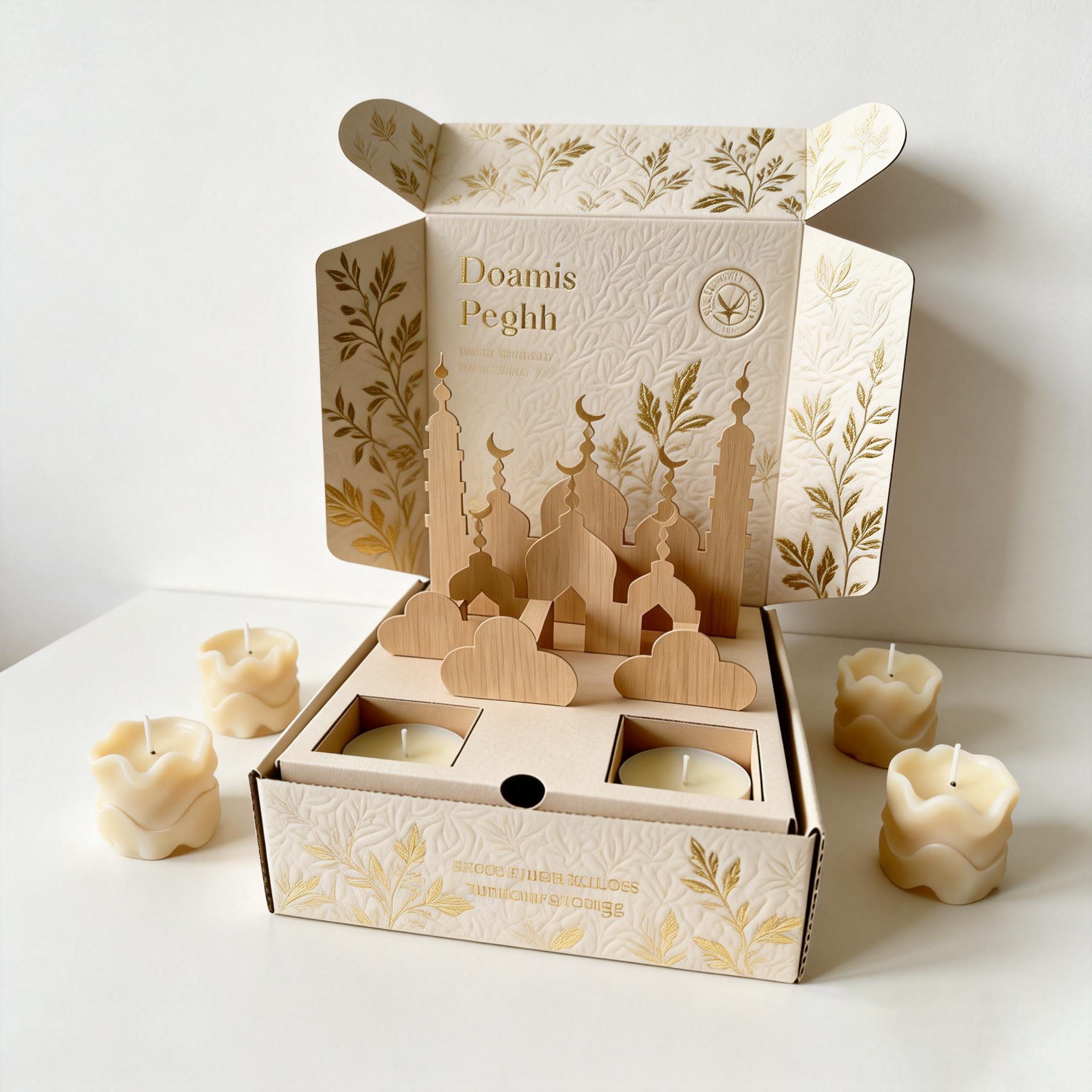
As e-commerce parcel volumes grow, shippers face a basic but high-stakes question: should a product ship in a corrugated mailer box or a folding paper carton? The answer depends less on brand preference than on measurable differences in structure, protection, material use and recyclability.
Mailer Box or Folding Carton: What Changes in E-Commerce Logistics
For online retail, packaging must serve two audiences at once: the logistics network that handles the parcel and the end customer who opens it. A folding paper carton is a lightweight retail box that travels well inside a protective outer shipper. Corrugated mailer boxes, by contrast, are designed to travel alone. Comparing the two structures is therefore not a question of which is “better” in absolute terms, but of which set of trade-offs fits a specific fulfilment model.
This review looks at two representative structures: the Corrugated E-commerce Mailer Box (model BP-MAIL-EB01) and the Folding Paper Carton Box (model BP-FBB-CARTON03). Both are widely positioned as FSC certified and recyclable options, yet their physical architecture gives them different strengths in the shipping environment.
What the Two Box Types Actually Are
The folding paper carton is a carrier made from 250–400 gsm FBB/SBS white cardboard or recycled paperboard. Because the material is compact and printable on all surfaces, folding cartons have long served as primary retail packaging for cosmetics, food, fragrance and jewellery.
The corrugated e-commerce mailer box, on the other hand, is constructed from FSC-certified E/B flute corrugated board. The fluted layer creates a protective air gap that makes the panel more rigid under compression while keeping the box empty-weight relatively low.
One manufacturer that builds both formats under one roof is QINGDAO BEJAN GIANT NEW PACKAGING TECHNOLOGY CO.,LTD, a direct packaging factory established in 2014 with a 10,000 m² facility and more than 200 employees. The company produces Rigid Gift Boxes, Corrugated E-commerce Mailer Boxes and Folding Paper Carton Boxes, and exports about 80% of output to the EU, USA, UK, JP, AU, CA and KR. The ability to compare both structures from the same production context avoids the usual supplier bias.
Structural Differences That Affect Protection
Panel Construction
A folding carton relies on the stiffness of dense paperboard. That stiffness gives the box a clean, rigid shape, which works well for shelf presentation and for products that do not need heavy impact protection. The carton model BP-FBB-CARTON03 uses 250–400 gsm FBB/SBS board, a thickness range chosen for retail display and light transport duty.
A corrugated mailer uses a sandwich of linerboard and fluting. E-flute is thin and provides a smooth printing surface; B-flute is thicker and offers higher cushioning. BP-MAIL-EB01 uses E/B flute combinations, letting packers choose a balance between print quality and structural cushioning. This extra fluted layer is the key physical reason why corrugated boxes are used more often for parcel shipping without a secondary outer carton.
Closure and Packing Efficiency
Folding cartons generally require tuck-end or glue-flap closure. They are efficient for automated cartoning lines, but when used as shippers they usually need tape or an additional label. The product data for BP-FBB-CARTON03 lists top & bottom lid, auto-lock bottom and window-patch options. The auto-lock bottom helps speed up hand packing, but the top is typically closed with tuck flaps.
The corrugated mailer model BP-MAIL-EB01 has an automatic self-locking design that does not require adhesive tape. Eliminating tape shortens packing time and removes one plastic component from the waste stream. For warehouse teams fulfilling high daily order volumes, this structural detail becomes a measurable efficiency gain.
Comparing Protection Capabilities
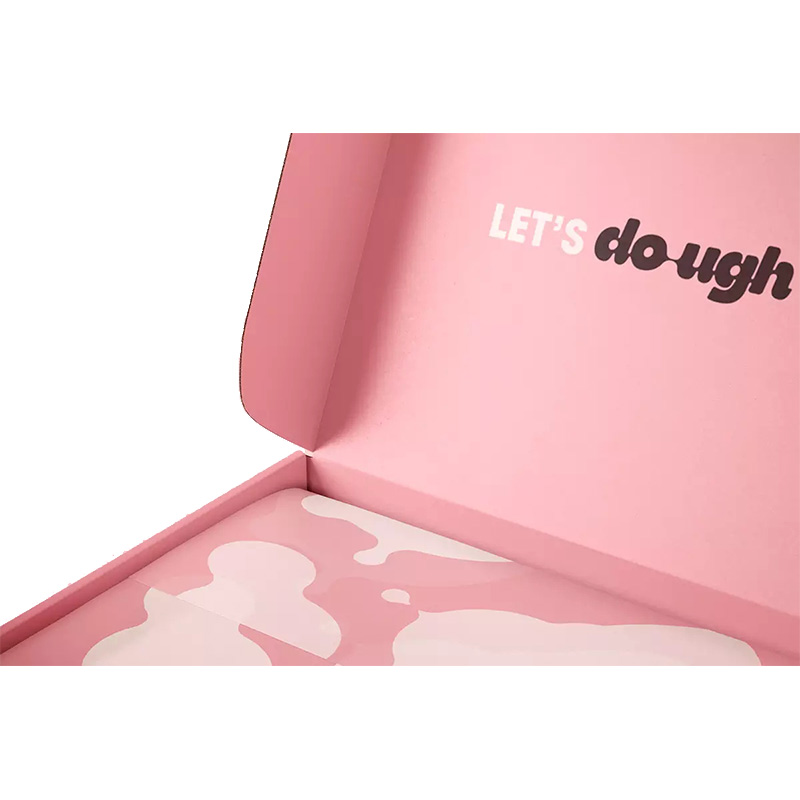
The stated function of BP-MAIL-EB01 is to serve as outer packaging for e-commerce. Its material list explicitly centres on corrugated fibreboard. Corrugated board absorbs impact better than a single-ply paperboard of similar grammage because the fluting acts as a buffer. The mailer box also supports customised moulded pulp inserts, which are paper-based fittings that hold products in place and reduce vibration damage. Full-colour printing is available on both inner and outer surfaces, so the box can be branded without sacrificing protective function.
Folding carton BP-FBB-CARTON03 has passed food-contact safety testing, drop testing and compression testing, according to its specification. That makes it a reliable retail package for relatively light goods. The carton can also be configured with paper dividers and simple paper trays. However, a folding carton does not provide the same vertical cushioning as a corrugated mailer when it is used as the sole shipped container.
| Comparison point | Corrugated Mailer Box (BP-MAIL-EB01) | Folding Carton (BP-FBB-CARTON03) |
|---|---|---|
| Core board material | FSC-certified E/B flute corrugated board | FSC-certified FBB/SBS 250–400gsm + recycled board |
| Closure | Self-locking, tape-free | Tuck flaps, auto-lock bottom, glue seal |
| Primary shipping role | E-commerce outer shipping box | Retail primary box / light-shipping carton |
| Typical inserted protection | Moulded pulp inserts supported | Paper dividers, simple paper trays |
| Daily production capacity | ≥ 40,000 pieces | ≥ 60,000 pieces |
| Reported price starting point | USD 0.5 | USD 0.3 |
| Industry applications | Apparel, shoes, beauty, electronics, pet food, home & living | Beauty & skincare, fragrance, chocolate, small jewellery, baby food |
Recyclability and Environmental Positioning
Both structures score well on environmental criteria when compared with plastic mailers or composite packaging.
BP-FBB-CARTON03 is produced from FSC-certified white cardboard and recycled paperboard. BP-MAIL-EB01 uses FSC-certified corrugated board, food-grade soy-based ink and water-based starch glue. Both boxes are classified under categories such as recyclable, plastic-free, compostable and zero-waste packaging in the manufacturer’s product taxonomy.
The producer, QINGDAO BEJAN GIANT NEW PACKAGING TECHNOLOGY CO.,LTD, holds FDA, FSC and ISO 9001 certifications. It states that its packaging complies with the latest EU PPWR regulation and is designed as 100% recyclable green packaging. Because PPWR timelines require packaging to be recyclable by 2030 and apply broadly from August 2026, using fibre-based boxes with FSC chain-of-custody support reduces compliance friction for brands exporting to Europe.
Cost and Fulfilment Trade-offs
Folding cartons start from a lower unit price (USD 0.3) than corrugated mailers (USD 0.5), and they ship flat to the packer, which saves warehouse space before filling. For lightweight, non-fragile retail goods—such as a soap bar, a candle or a sachet—a folding carton is often enough.
The corrugated mailer costs more per unit and consumes more material, but it can remove the need for a second outer box. For an e-commerce order, using a corrugated mailer as the single shipping package can reduce the total packaging weight compared with a “carton outside box” setup. When dimensional weight pricing is applied, the slimmer profile of a folding carton has an advantage, whereas the corrugated box provides a greater margin of safety.
Where Folding Cartons Remain the Better Fit
The folding carton is not an inferior box; it is an optimised solution for a different handling environment. In retail stores, on a shelf, the clean white FBB board with soft-touch lamination gives a premium tactile feel. The structure can include window patches, spot UV, hot-stamping and embossing, making it a powerful sales tool before the product is removed from the box.
Industries listed for BP-FBB-CARTON03 include beauty & skincare cartons, fragrance & candle packaging, handmade chocolate boxes, small jewellery boxes, baby food cartons and tea packaging. These are products where the packaging is shown to the customer before the item is consumed. The carton also passed food-contact safety testing, meaning both the ink and the board are suitable for direct contact with packaged food.
For e-commerce brands that ship in low volumes or through a retail storefront first, the folding carton can be placed inside a standard paper mailer at the last mile. That arrangement preserves brand presentation while leaving transport protection to the outer mailer.
Another practical limitation of corrugated mailers appears in order-picking workflows that rely on standard carton erectors. Some self-locking corrugated designs require manual or semi-automatic setup that is slower than opening a tuck-end folding carton on a cartoning line. Large fulfilment centres should validate how the specific box design runs on their equipment.
Which Box Designs Are Chosen for E-Commerce Parcels
For cross-border e-commerce retail, apparel, shoes and beauty products, the corrugated mailer is widely used because it combines low tare weight with resistance to stacking. BP-MAIL-EB01 is intended for industries as diverse as handmade fragrance & candles, artisan chocolate and baked goods, nuts and snacks, small 3C digital accessories, jewellery, premium tea and coffee, maternity and baby products, pet food, sports nutrition, ceramic tableware, craft beer, toys and board games. The presence of fragile goods such as ceramics, glass tableware and wine bottles explains why moulded-pulp insert compatibility is an important feature of the mailer line.
The custom moulded pulp inserts are relevant to another market trend: replacing plastic vacuum-formed trays in premium packaging. A corrugated outer box with a pulp insert gives luxury items a protective but fully paper-based cradle. This direction aligns with observations that paper and paperboard materials already dominate the sustainable packaging landscape, accounting for roughly 38.2% of the market in 2024 by one estimate.
Market Frame: Sustainable Packaging Demand
Global e-commerce continues to expand parcel volumes, which has made shipping materials a core sustainability issue. According to Verified Market sizing, the global sustainable packaging market was valued at around USD 272.9 billion in 2023 and is projected to reach USD 448.5 billion by 2030, with a CAGR of 7.6%. Boxes and cartons accounted for an estimated 33.6% share of sustainable packaging in 2024, driven partly by e-commerce growth.
The mailer/envelope segment of sustainable e-commerce packaging is projected to grow at more than 9% CAGR through 2031. These figures suggest that brand owners will continue to source both folding cartons and corrugated mailers, but the need for recyclable, fibre-based protection will favour whichever structure eliminates plastic cushioning and secondary packaging.
Choosing Between the Two Structures
A procurement team evaluating the two solutions should ask four questions:
- Does the product survive a standard parcel sort without secondary protection? If not, a corrugated mailer with a paper insert is the safer structure.
- Is the unboxing experience central to the brand? If so, a folding carton with premium finishing can meet that need, but it should be over-boxed for shipping.
- What is the dimensional weight impact? A folding carton is thinner and cheaper to ship, while a corrugated mailer uses more volume for cushioning.
- Does the box need to meet EU PPWR and customer recyclability expectations? Both FSC-certified fibre formats are preferable to multi-material laminates.
Supplier Verification Notes
Because both box styles are manufactured by the same company in this example, buyers can use one factory audit to assess both product lines. QINGDAO BEJAN GIANT NEW PACKAGING TECHNOLOGY CO.,LTD operates Heidelberg offset presses, automatic die-cutters, laminators, folder gluers and UV coating machines. The company claims a daily output of at least 40,000 corrugated mailers and 60,000 folding cartons, with annual output capacity of about 100 million units. It also carries ISO 9001 quality-system certification and FSC certification, which supports rigorous chain-of-custody documentation for brands that need proof of responsible fibre sourcing.
Still, brand owners should request batch-specific test reports for drop and compression, especially when switching from a polystyrene-filled carton to an all-paper mailer. Structural performance depends not only on flute type but also on box dimensions and insert geometry. No review can replace actual package testing under the customer’s shipping route.
Lessons from Factory Sourcing Practice
Independent comparison reports often compare the packaging solution itself, but the supplier type can change the outcome. A direct manufacturer with raw-material inventory and in-house printing can maintain stable lead times, while a small trading intermediary may have no fixed production capacity at peak seasons. This distinction matters when the packaging is used for export orders, where customs compliance and consistent quality are mandatory.
For long-term e-commerce lines, the practical recommendation is to choose a supplier that can offer both folding cartons and corrugated mailers, because product mix changes over time. A supplier that can move a cosmetic line from a folding carton to a corrugated mailer when it enters cross-border trade reduces the number of separate vendor audits and keeps quality-control standards consistent.
Future Outlook
The relative weight of these two formats will shift as e-commerce regulations become stricter. EU PPWR and similar packaging laws reward designs that can be collected, sorted and recycled through ordinary paper streams. Corrugated mailers have a slight structural advantage in that they can often eliminate the outer shipper, while folding cartons reduce material use for retail-focused products.
Expect more brands to use corrugated mailers with printed inner surfaces, turning the box into an unboxing touchpoint without sacrificing protection. At the same time, folding cartons will become more common as primary boxes placed inside reusable or paper mailers, allowing higher design finish and compliant material use. Advanced paper-based inserts are also narrowing the performance gap between corrugated protection and foam-based protective packaging.
Conclusion
So does the corrugated mailer outperform the folding carton? In pure e-commerce transit protection, the answer is usually yes, because the fluted structure absorbs impact more effectively and can be sealed without plastic tape. But the folding carton remains the better fit when product presentation, packaging cost and compact shipping dimensions matter most.
For most brands, the long-term solution is to maintain and source both structures: a folding carton for retail and premium unboxing moments, and a corrugated mailer for direct-to-consumer shipments that must survive the logistics network on their own. The two formats are complements, not competitors.
FAQ
What is a corrugated e-commerce mailer box?
A corrugated e-commerce mailer box is a shipping box made from E/B flute corrugated board. The fluted layer gives it higher structural strength and cushioning than a flat paperboard carton. Model BP-MAIL-EB01 is a recyclable, plastic-free mailer designed for e-commerce, with a self-locking structure that avoids adhesive tape.
What is the difference between a corrugated mailer box and a folding carton?
The main differences are board structure, stiffness and intended role. A folding carton is made of 250–400gsm FBB/SBS cardboard and is used mainly for retail display and light shipping. A corrugated mailer is made of E/B flute corrugated board, giving it better impact protection in parcel networks. The manufacturer lists folding cartons as retail packaging and corrugated mailers as outer shipping packaging.
Are corrugated mailer boxes and folding cartons recyclable?
Both formats can be fully recyclable if made of paper-based materials. BP-MAIL-EB01 and BP-FBB-CARTON03 are produced by a company that holds FSC and ISO 9001 certifications and describes its packaging as 100% recyclable. Both products are classified as recyclable, plastic-free and compostable paper packaging.
Which box type should a direct-to-consumer brand use?
It depends on the product and fulfilment process. For non-fragile products shipped alone, a folding carton is lighter and cheaper. For fragile goods, heavy items or parcels that travel without an outer shipper, a corrugated mailer box provides better protection and can be combined with moulded pulp inserts for secure positioning.
What does FSC certification mean for a box supplier?
FSC certification confirms that the fibre in a product comes from responsibly managed forests. The supplier described here is certified with FSC and ISO 9001, allowing brands to document a responsible sourcing chain. Buyers should ask for the supplier’s FSC Chain of Custody certificate when claiming certified content in their own packaging.
Есть вопросы или нужны дополнительные детали?
Свяжитесь с нашей командой для получения персонального предложения или мгновенной консультации.
Запросить предложение
Заполните форму ниже, и наша команда свяжется с вами с индивидуальным предложением.
Прямой чат WhatsApp
Предпочитаете общаться в реальном времени? Напишите нам в WhatsApp для мгновенной помощи и быстрых ответов.
- Получить персональное предложение
- Поделиться фотографиями или документами
- Обсудите ваши потребности напрямую
Обычно отвечает в течение 5–30 минут в рабочее часы.