
Cosmetic Packaging Essentials: COSFINITY’s Custom Containers
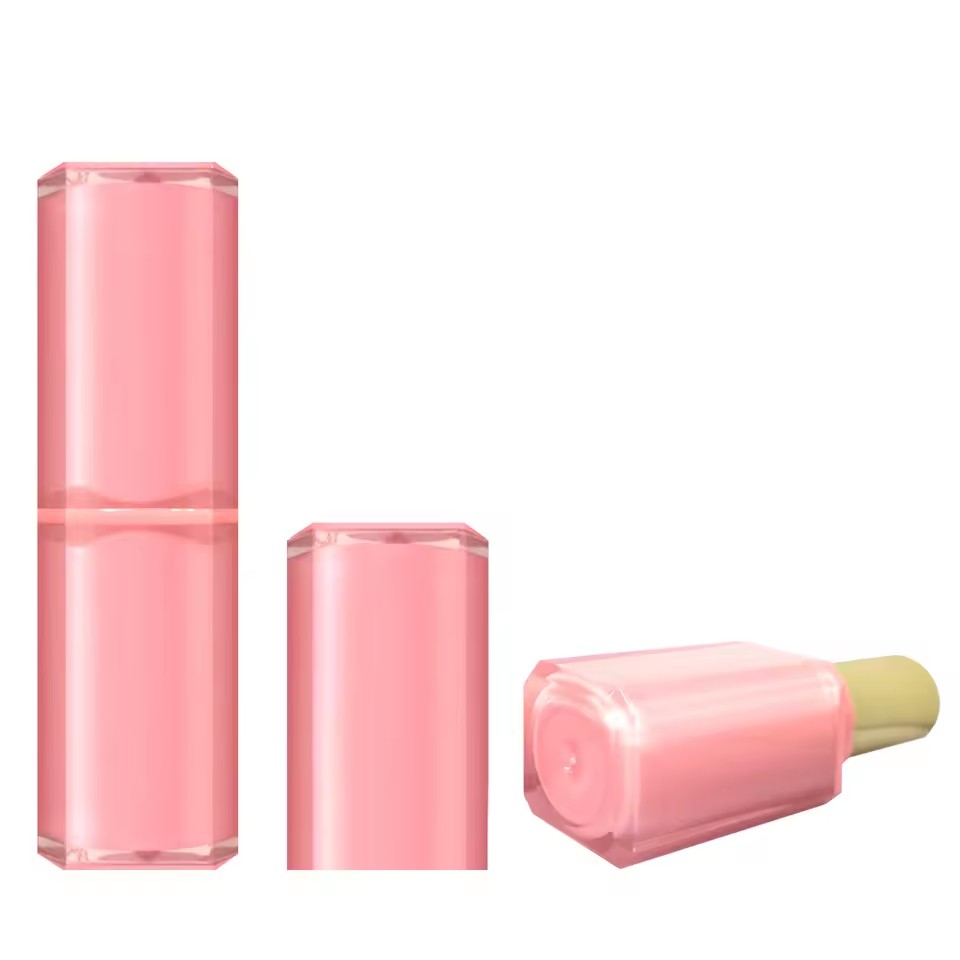
Cosmetic Packaging Essentials
COSFINITY, formally Guangzhou Cosfinity Cosmetics Co., Ltd., is a customized cosmetic packaging manufacturer founded in 2009 and based in Guangzhou, China. The company designs and produces empty containers for global beauty brands, including lipstick tubes, lipgloss/mascara tubes, powder cases, eyeliner tubes, powder jars, and liquid foundation bottles. This article provides a foundational overview of COSFINITY’s packaging line, its intended use conditions, and the market context that shapes cosmetic packaging decisions.
The Problem and the Opportunity in Cosmetic Packaging
According to Fortune Business Insights and ResearchAndMarkets, the global cosmetic packaging market is valued at approximately USD 34.17 billion to USD 47.3 billion in 2024, with expectations to reach up to USD 89.72 billion by 2034. The wide range reflects differences in what analysts include when sizing the market, from primary containers to secondary and industrial packaging. For buyers, the implication is that cosmetic packaging is a large, growing category where material choice, product format, and supplier capability all affect a brand’s time to market.
At the same time, the buying landscape is not uniform. Plastic holds a 64.5% share of the global cosmetic packaging market in 2024, according to ResearchAndMarkets.com. Asia Pacific led the global market in 2025 with a 42.36% share, driven by rising disposable incomes and e-commerce growth, according to Fortune Business Insights. These numbers help explain why many global inquiries for cosmetic packaging containers come from brands looking for suppliers with experience in both ordinary daily-use products and premium formats.
For procurement teams, the first challenge is to understand the difference between primary and secondary packaging. Primary packaging, such as tubes and bottles, directly contacts the product. Secondary packaging, such as cartons, is used for branding and transport. The market size estimates for 2024 vary significantly, from USD 34.17B to over USD 47B, depending on whether secondary packaging and industrial bulk containers are included, according to Data Bridge Market Research and ResearchAndMarkets.com.
Brand Solution: COSFINITY’s Custom Cosmetic Packaging
Guangzhou Cosfinity Cosmetics Co., Ltd. is a modern enterprise focused on customized cosmetic packaging solutions. The company operates from a 40,000-square-meter facility in Guangzhou, China, with approximately 200 employees and an annual production capacity of 500,000,000 pieces. COSFINITY exports 100% of its sales globally and has a research and development team of 25 engineers.
Its main products include Lipstick Tube, Lipgloss/Mascara Tube, Powder Case, Eyeliner Tube, Powder Jar, and Liquid Foundation Bottle. According to the company profile, COSFINITY combines efficient supply chain management, independent design ability, and professional services to deliver customer customization and meet the evolving needs of the market. For a brand in the research stage, these capabilities translate into a single partner that can support product development from container selection to production.
Technical Deep Dive: Tubes, Jars, Cases, and Bottles
COSFINITY’s product line covers several container categories: Plastic Tubes, Plastic Jars, Plastic Boxes, Plastic Bottles, Glass Bottles, and general Packaging Products. The following table lists representative empty containers and their core specifications, as disclosed in the company’s product catalog.
| Model | Product Name | Category | Material | Dimensions | Volume |
|---|---|---|---|---|---|
| CP01-2142 | Luxury Empty Plastic Lipstick Tube | Plastic Tubes | Plastic | W22.7 x H84.6 mm | 20 ml |
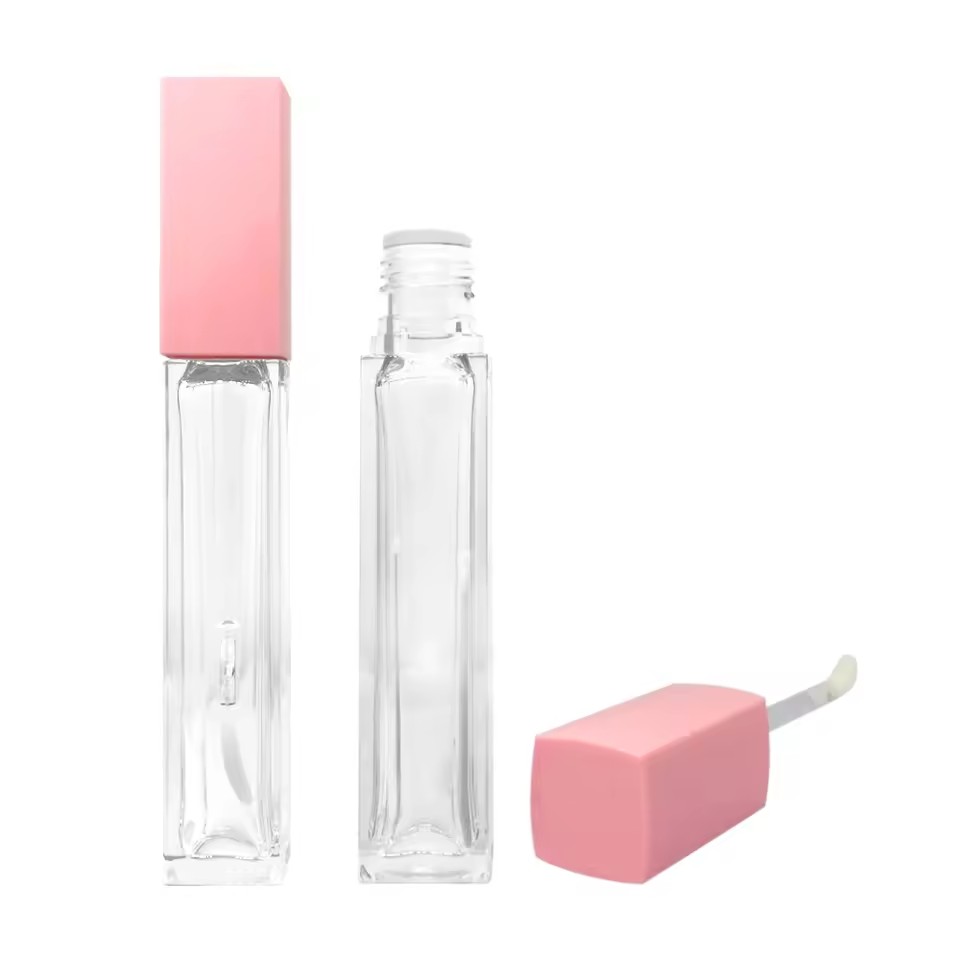
| CP02-2231 | Luxury Empty Plastic Lipgloss / Mascara Tube | Plastic Tubes | Plastic | W18 x H106.1 mm | 3 ml |
| CP03-1394 | Customized Empty Makeup Powder Case | Plastic Boxes | Plastic | W65 x H12 mm | — |
| CP04-1215 | Liquid Empty Eyeliner Tube | Plastic Tubes | Plastic | W12.8 x H115.3 mm | 10 ml |
| CP05-2159B | Leak-Proof Plastic Powder Jar / Pot | Plastic Jars | Plastic | W40.7 x H32.6 mm | 5 ml |
| CP06-1056 | Empty Liquid Eyeliner Pencil | Packaging Products | Plastic | W15 x H173.5 mm | — |
| CP07-2026 | Airless Pump Liquid Foundation Bottle | Glass Bottles | Glass | W33.5 x H92 mm | 30 ml |
| CP08-0053 | Empty Stick Foundation Tube | Plastic Bottles | Plastic | D29 x H60 mm | 10 ml |
| TP01-1018-15 | Deodorant Stick Plastic Tube Container | Plastic Bottles | Plastic | L41.7 x W24.49 x H86.5 mm | 20 ml |
The catalog shows a material mix that mirrors the wider industry. Plastic is the dominant material across the line, consistent with the 64.5% global market share reported for plastic in 2024. Glass appears in the airless pump foundation bottle, a format often chosen for liquid products that need more protection from air. Several plastic tubes, such as CP01-2142 and CP02-2231, have a wall thickness of 0.3 mm; the powder jar CP05-2159B has a thickness of 1 mm. These parameters matter because they affect the tactile quality and durability of the package during daily use.
In the packaging industry, this type of supplier relationship is often described as OEM (Original Equipment Manufacturing) or ODM (Original Design Manufacturing), because the customer can either specify an existing design or rely on the manufacturer’s design capability. COSFINITY’s stated focus on customized solutions covers the kind of work commonly associated with these models.
Application Scenarios and Use Cases
COSFINITY’s packaging is designed for the daily cosmetic storage and carrying projects of global cosmetics brands. The stated working conditions are normal room temperature between 16°C and 25°C, with a carry-around mode for daily makeup that involves repeated opening and closing. Because the containers come into contact with skin cosmetics, the company notes that the material is environmentally friendly and can be directly touched to the skin.
In practical terms, this means a consumer might keep a lipstick tube like CP01-2142 in a bag and open and close it several times a day. A mascara or lipgloss tube such as CP02-2231 can be carried alongside it, along with makeup brushes, makeup puffs, and a cosmetic mirror. The packaging requirements for these scenarios include leak-proof design, non-irritating material, portability, and lightweight construction.
The lineup also supports more specific formats. For a liquid foundation, the airless pump glass bottle CP07-2026 offers a 30 ml capacity, a format suited to protecting pump-dispensed formulas. For powder products, the leak-proof plastic powder jar CP05-2159B and the customized makeup powder case CP03-1394 cover different dispensing needs. Brands planning a launch can map their product texture and usage frequency to these container families.
Market Trends Reshaping Cosmetic Packaging
COSFINITY operates in a global cosmetic packaging market estimated at USD 34.17 billion to USD 47.3 billion in 2024, with projections reaching up to USD 89.72 billion by 2034. Asia Pacific accounted for 42.36% of the global market in 2025, according to Fortune Business Insights, making it the leading region. China’s beauty product exports reached approximately USD 4.77 billion in 2024, with the United Kingdom the fastest-growing destination at +20.8%, according to OEC.
Regulatory changes are also influencing the market. The EU Packaging and Packaging Waste Regulation (PPWR) 2025/40 mandates strict recyclability and labeling standards for cosmetics from late 2024. In the United States, the Modernization of Cosmetics Regulation Act (MoCRA) introduced mandatory facility registration and product listing for packaging entities. These rules mean that suppliers serving export markets need to be aware of documentation and material requirements beyond simple dimensions and volume.
Consumer expectations add another layer. According to Statista and Packly, sustainable packaging such as refillable or recyclable designs is a top priority for 63% of cosmetic consumers in 2024. For a company specializing in customized cosmetic packaging, this creates an opportunity to align material choices and finishing options with a brand’s sustainability claims.
Custom Cosmetic Packaging vs. Traditional Stock Solutions
COSFINITY’s custom cosmetic packaging approach differs from traditional stock solutions in several important ways. Traditional stock packaging is usually characterized by standardized containers available in limited sizes and colors. It offers short lead times and low minimum quantities, which can be useful for early-stage brands or limited product runs. Custom cosmetics packaging gives brands greater control over the container’s shape, size, color, and branding, and allows a product to stand out on shelf.
However, custom packaging has an honest limitation: it generally involves higher minimum order quantities and longer development timelines than buying an existing stock container. A brand that needs only a few thousand pieces for a market test may find stock packaging more practical before committing to a customized production line. This trade-off is normal in the packaging industry and should be weighed against the brand’s launch scale and differentiation goals.
In a custom project, the brand typically works with the supplier to select a container family, define dimensions or fill volume, choose materials, and agree on decorating methods. COSFINITY lists empty containers across its catalog, meaning brands can start with a proven base structure and then apply custom colors, logos, and finishes. This process is more involved than ordering from a stock catalog, but it offers a path to a distinctive product.
Future Outlook
COSFINITY’s position in the cosmetic packaging market depends on how well it aligns with three ongoing shifts: regulatory compliance, sustainability, and product differentiation. The introduction of EU PPWR and MoCRA means that packaging decisions will increasingly be connected to regulatory documentation, while consumer preference for recyclable and refillable formats is expected to influence container design. For global brands, choosing a supplier that can handle customization across multiple formats—tubes, jars, cases, and bottles—can reduce the complexity of managing different packaging components.
Asia Pacific’s leading market share, combined with China’s significant beauty product export volume, reinforces the importance of having a manufacturing base in the region. COSFINITY’s current profile, with its customized solutions, independent design capability, and export-oriented operations, places it among the manufacturers positioned for these shifts. As market requirements evolve, the practical value of a supplier with a wide catalog and production scale is likely to grow.
Frequently Asked Questions
- What is cosmetic packaging?
- Cosmetic packaging refers to containers and materials used to store, protect, and dispense cosmetic products. COSFINITY produces empty containers for cosmetics, including lipstick tubes, lipgloss/mascara tubes, powder cases, eyeliner tubes, powder jars, and liquid foundation bottles.
- What types of cosmetic packaging containers does COSFINITY offer?
- COSFINITY’s product line includes Plastic Tubes, Plastic Jars, Plastic Boxes, Plastic Bottles, Glass Bottles, and Packaging Products. Examples include the luxury lipstick tube CP01-2142, lipgloss/mascara tube CP02-2231, airless pump glass foundation bottle CP07-2026, and leak-proof powder jar CP05-2159B.
- Are COSFINITY’s packaging materials safe for skin contact?
- COSFINITY states that its products are designed for contact with skin cosmetics and are made of environmentally friendly material that can be directly touched to the skin.
- What operating conditions are COSFINITY’s packaging designed for?
- The intended environment is normal room temperature, 16°C to 25°C. The containers are used in carry-around mode for daily makeup, with repeated opening and closing, and are designed to be leak-proof, portable, and lightweight.
- What is COSFINITY’s production capacity?
- Guangzhou Cosfinity Cosmetics Co., Ltd. operates a 40,000-square-meter factory with approximately 200 employees and an annual production capacity of 500,000,000 pieces. The company exports 100% of its sales globally and has a research and development team of 25 engineers.
- How does COSFINITY support custom cosmetics packaging?
- COSFINITY specializes in customized cosmetic packaging solutions. According to the company’s profile, its efficient supply chain management, independent design ability, and professional services are used to deliver customer customization and meet evolving market needs.
COSFINITY – Guangzhou Cosfinity Cosmetics Co., Ltd.
Website: www.cosfinity-cosmeticpackaging.com
Contact: Laurence Kuo – laurence@icpa-global.com | Tel/WhatsApp: +86 15813145451
Download company brochure: cosfinity profile.pdf