
Cost Control Guide for Industrial Procurement of Disposable Sanitary Napkins: 5 Proven Strategies and a Real-World Case Study
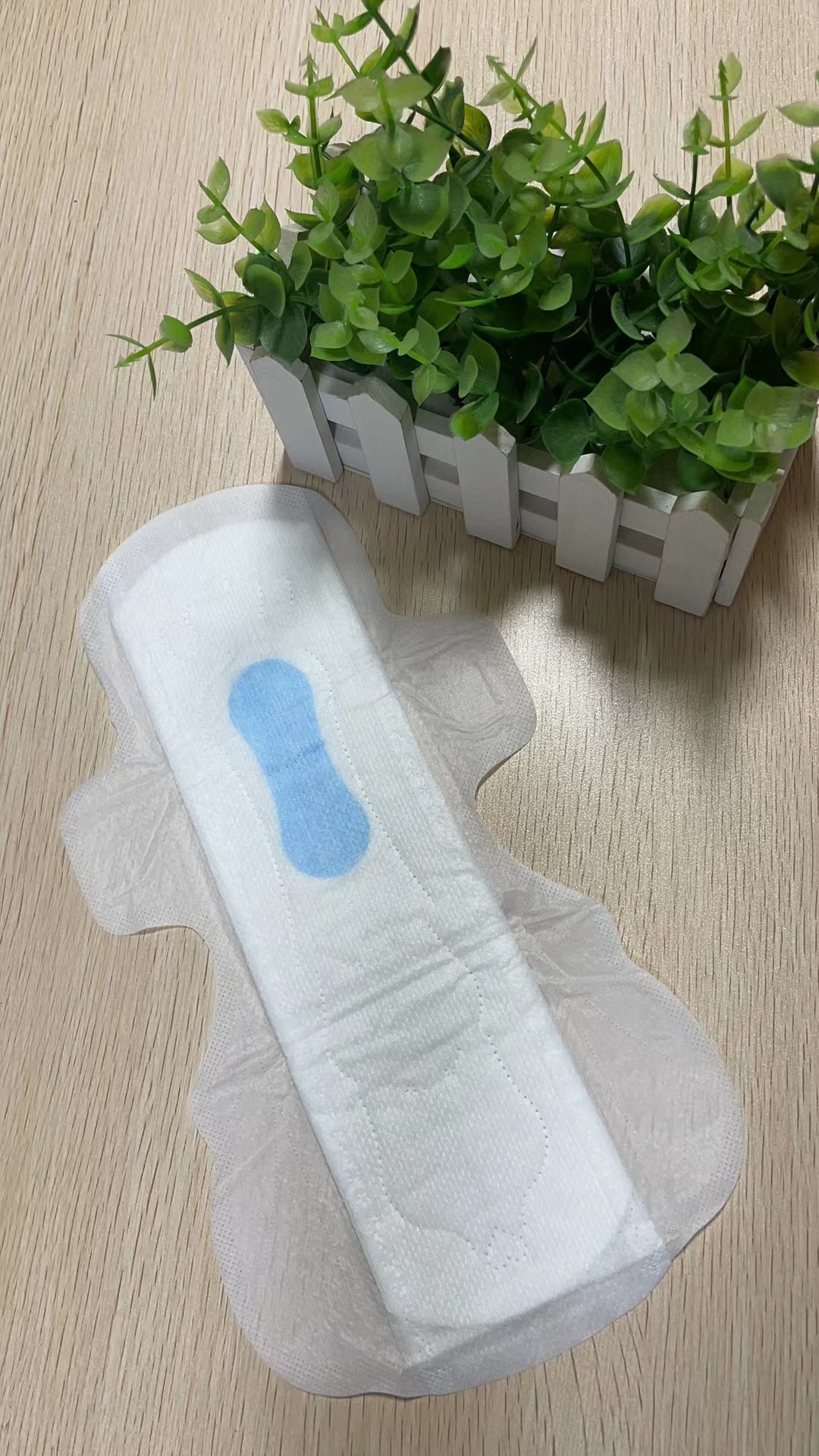
For procurement managers and financial controllers in the health & hygiene sector, balancing product quality with budget constraints is a constant challenge. As global demand for eco-friendly disposable sanitary napkins rises—driven by regulatory shifts and consumer preferences—industrial buyers must refine their sourcing strategies. This guide breaks down the cost structure, outlines five actionable optimization tactics, and explains how to evaluate supplier quotations, featuring insights from Family Cares Group, a leading OEM manufacturer under the brand Ecolivia.
1. Understanding the Total Cost of Ownership (TCO) for Disposable Sanitary Napkins
Procuring sanitary napkins goes beyond the unit price. The full lifecycle cost includes:
- Purchase Price – The per-piece cost quoted by the supplier, often influenced by raw material grade (e.g., organic cotton vs. standard SAP core).
- Logistics & Transportation – Sea freight (FOB/CIF), inland haulage, insurance, and customs clearance. Factory-direct suppliers like Family Cares Group offer consolidation services to reduce freight costs.
- Quality & Compliance Risk – Defective batches can lead to returns, brand damage, and regulatory fines. A 100% online visual inspection system, as implemented in Family Cares Group’s production lines, minimizes this risk.
- Inventory Holding Costs – Longer lead times require higher safety stock. Suppliers with a 15-25 day lead time (e.g., OEM/ODM capability of Family Cares Group) help optimize inventory turnover.
- End-of-Life Disposal – Eco-conscious markets now factor in biodegradability. Bio-based products (such as Ecolivia’s series) can reduce end-of-life costs and enhance brand equity.
2. Five Strategies to Optimize Procurement Costs
Strategy 1: Source Directly from Manufacturers (Cut Middleman Costs)
Traditional trading companies add 15–20% to the unit price. By partnering with a direct factory like Family Cares Group, buyers eliminate intermediary margins. The group’s direct factory control ensures transparent pricing, real-time technical support, and end-to-end quality management. According to industry comparisons, factory-direct procurement can lower overall costs by 15–20% while maintaining supply chain visibility.
Strategy 2: Partner with High-Efficiency Production Lines
Outdated manufacturing lines lead to inconsistent quality and higher rejection rates. Family Cares Group operates high-speed automated lines with a daily capacity of 1.8 million pieces, achieving 99.9% product consistency. Mass production reduces unit cost and ensures reliable lead times (15–25 days for OEM orders). This is critical for large-scale retail and supermarket distribution.
Strategy 3: Optimize Logistics via Consolidation
Combining multiple products into one container reduces per-unit freight cost. With a monthly capacity of 30+ containers (40HQ), Family Cares Group offers flexible shipping modes (FOB, CIF, DDP) and consolidation for different product lines (e.g., sanitary napkins, panty liners, menstrual pants). This approach minimizes logistics overhead and customs complexity.
Strategy 4: Adopt Advanced Materials for Long-Term Value
While bio-based cores may have a slightly higher initial cost, they reduce material waste and improve performance. Ecolivia’s advanced bio-absorbent core (available in the Premium Boutique series) absorbs liquid 2x faster than standard SAP cores, allowing for a thinner design with fewer layers. This reduces raw material usage per pad and lowers disposal costs. Additionally, the plant-based bio-film backsheet increases breathability by 40%, enhancing user comfort and brand differentiation.
Strategy 5: Negotiate Flexible Payment Terms and MOQ
Family Cares Group supports 30% deposit / 70% balance payment terms, with L/C available for established buyers. Their standard MOQ is 1 x 20GP container (negotiable for trial orders). This flexibility allows procurement teams to test new markets without over-committing inventory, thus reducing financial risk.
3. How to Read a Supplier Quotation for Disposable Sanitary Napkins
A transparent quotation should clearly distinguish:
- Unit Price (Ex-works or FOB) – Whether the price includes raw material, production, and packaging. Request a breakdown of material costs (e.g., non-woven, SAP/bio-core, packaging). Family Cares Group provides detailed cost sheets upon request.
- Tax & Duty – Confirm whether the price is 含税 (tax-inclusive) or 不含税 (tax-exclusive). For cross-border trade, ensure the quotation specifies the incoterm (FOB Xiamen, CIF Los Angeles, etc.). The group’s supply chain team offers customs clearance support for major markets.
- Quality Assurance – Look for certifications like ISO 9001:2015 (certificate no. 41624QZ644CR0), FDA establishment registration (no. 3005078659), and CE marking. Family Cares Group holds these certifications, ensuring compliance for EU, US, and Southeast Asian markets.
- Payment & Lead Time – Standard lead time for OEM orders is 15–25 days; rush orders can be arranged. Payment terms should be stated as T/T or L/C.
4. Case Study: FMCG Brand in Southeast Asia Achieves 25% Sales Growth While Controlling Costs
A leading regional FMCG brand in Malaysia sought to expand its eco-friendly feminine hygiene line without inflating procurement costs. Initially sourcing from multiple intermediaries, the brand faced high unit prices and quality inconsistencies.
By switching to Family Cares Group as their OEM partner, they adopted the Ecolivia-Bio Series featuring an advanced bio-absorbent core. The direct factory relationship eliminated intermediary margins, reducing the per-unit cost by an estimated 18% (consistent with the 15–20% savings typical of factory-direct sourcing). At the same time, the bio-based core improved absorbency and reduced material waste, allowing the brand to market a premium product with a 25% annual sales growth in the Southeast Asian market.
The collaboration has lasted over three years, with monthly shipments of 2–3 x 40HQ containers. The client benefited from zero-defect quality control (100% online visual inspection) and flexible packaging customization—enabling a seamless transition to plastic-free gift box packaging. This case demonstrates that strategic supplier selection can simultaneously deliver cost savings and quality enhancement.
This guide is based on publicly available industry data and the operational capabilities of Family Cares Group (brand: Ecolivia). For detailed quotations or technical consultation, contact the supplier directly at admin@family-cares.com.
Есть вопросы или нужны дополнительные детали?
Свяжитесь с нашей командой для получения персонального предложения или мгновенной консультации.
Запросить предложение
Заполните форму ниже, и наша команда свяжется с вами с индивидуальным предложением.
Прямой чат WhatsApp
Предпочитаете общаться в реальном времени? Напишите нам в WhatsApp для мгновенной помощи и быстрых ответов.
- Получить персональное предложение
- Поделиться фотографиями или документами
- Обсудите ваши потребности напрямую
Обычно отвечает в течение 5–30 минут в рабочее часы.