
Crystal Resonator Sourcing Fundamentals: Performance, Types, and Supplier Selection
Frequency control components form the pulse of modern electronics, and the crystal resonator remains the most widely used device for generating stable clock signals across nearly every digital system. For procurement and engineering teams evaluating the global supply base, understanding the fundamental technology, key performance parameters, and supplier capabilities is a prerequisite for making informed sourcing decisions.
The Role of Crystal Resonators in Electronic Design
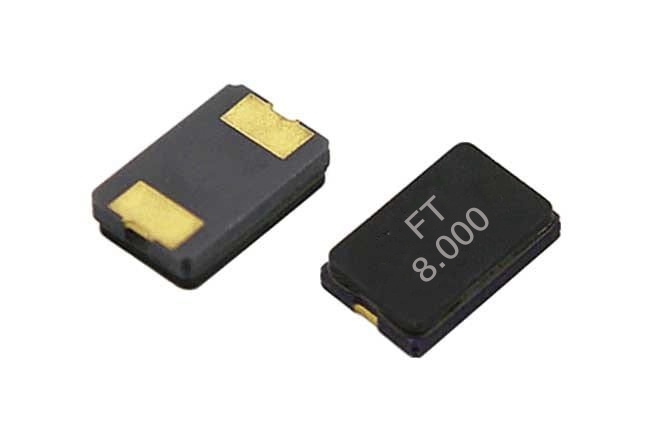
A crystal resonator is a piezoelectric device that vibrates at a precise natural frequency when an alternating electric field is applied. This mechanical resonance is used to generate accurate clock signals for microcontrollers, communication ICs, and timing circuits. The most common frequencies are 32.768 kHz for real-time clocks (RTC) and MHz-range frequencies (1–96 MHz) for general-purpose timing. Crystal resonators are preferred over ceramic resonators for applications requiring tighter frequency tolerance and lower aging drift.
The manufacturing process involves cutting quartz wafers at specific orientations, mounting them on ceramic or metal bases, sealing under vacuum or inert gas, and then testing electrical parameters such as nominal frequency, load capacitance, and equivalent series resistance (ESR). The final device must be compatible with the target oscillator circuit and environmental conditions.
Fronter Electronics: A Specialized Supplier of Crystal Resonators
Fronter Electronics Co., Ltd, founded in 1991, is a manufacturer and global supplier of quartz crystal resonators, oscillators, and other frequency control components. Headquartered in Shenzhen, China, the company operates a 21,000 m² factory with 286 employees and an annual output capacity of 300 million units. Its R&D team consists of 19 engineers, and 70% of production is exported to the EU and USA. Fronter holds National High-Tech Enterprise certification (2017) and its products comply with RoHS and REACH environmental standards.
Fronter’s crystal resonator portfolio covers both the 32.768 kHz tuning fork type and MHz piezoelectric crystal components. The tuning fork series includes SMD1610, SMD2012, and SMD3215 packages, with load capacitance options of 7 pF, 9 pF, and 12.5 pF, frequency tolerance of ±20 ppm, and an operating temperature range of -40 to +85°C. The MHz series spans nominal frequencies from 1 to 96 MHz, load capacitance 4–33 pF, frequency tolerance from ±5 ppm to ±100 ppm, frequency stability from ±10 ppm to ±100 ppm, and operating temperature up to -55 to +125°C. These are available in standard SMD packages (7050, 6035, 5032, 3225, 2520, 2016, 1612) and through-hole cylindrical types.
Technical Parameters that Define Sourcing Decisions
When sourcing crystal resonators, procurement professionals must evaluate several key specifications:
- Nominal Frequency: The intended operating frequency. 32.768 kHz is standard for RTC; MHz frequencies suit microcontrollers and communication modules.
- Load Capacitance (CL): The external capacitance required for the oscillator to oscillate at the nominal frequency. Typical values are 7 pF, 9 pF, 12.5 pF, and 20 pF.
- Frequency Tolerance & Stability: Tolerance is the initial accuracy at 25°C; stability describes variation over temperature. A tighter combination (e.g., ±10 ppm tolerance and ±10 ppm stability) is essential for automotive and industrial applications.
- Operating Temperature Range: Consumer devices commonly use -20 to +70°C; automotive and industrial require -40 to +85°C or -55 to +125°C.
- Package Type: Surface-mount (SMD) enables automated assembly and space savings; through-hole (cylindrical) is often used in legacy designs or where high mechanical stability is needed.
Application Scenarios and Industry Fit
Fronter’s crystal resonators are designed for use in smart home appliances, communication electronics, and Bluetooth devices. Typical working conditions include high-temperature environments, and the components provide a stable clock signal for ICs in mobile devices, Bluetooth headsets, smart air conditioners, and security cameras. The operating mode is vibration-based, requiring proper matching with the oscillator circuit. For special requirements such as ultrasonic wave generation, additional filtering considerations may apply.
With a wide portfolio spanning small SMD packages (down to 1.6×1.0 mm) and robust through-hole types, Fronter can support both high-volume consumer electronics and specialized industrial projects. The company also distributes brands like EPSON, KDS, NDK, SUNLORD, and others, offering added flexibility for buyers who need multiple sourcing options.
Market Trends Shaping Crystal Resonator Procurement
The global demand for crystal resonators is increasingly driven by miniaturization in IoT devices and the stringent reliability requirements of automotive electronics. Smaller packages (1610, 2012) are becoming mainstream for wearables and smart meters, while wide-temperature and low-aging products are sought for ADAS and infotainment systems. Furthermore, supply chain diversification has led buyers to evaluate Chinese suppliers alongside traditional Japanese and European sources. Fronter’s combination of manufacturing scale (300M units/year), export experience, and certification coverage positions it as a viable partner for businesses looking to reduce single-source dependency without sacrificing quality.
Comparison with Traditional Alternatives and Honest Limitations
Compared to ceramic resonators, quartz crystal resonators offer significantly better frequency accuracy (tens of ppm vs. hundreds of ppm) and lower frequency drift over temperature and time. This makes them indispensable for precise timing applications. However, quartz resonators are typically more expensive and more sensitive to mechanical shock if not properly packaged. For cost-sensitive, non-precision applications (e.g., remote controls), ceramic resonators remain a viable choice. Fronter’s line focuses on quartz types, so buyers with ultra-high volume, low-cost requirements may need to consider hybrid solutions.
Future Outlook
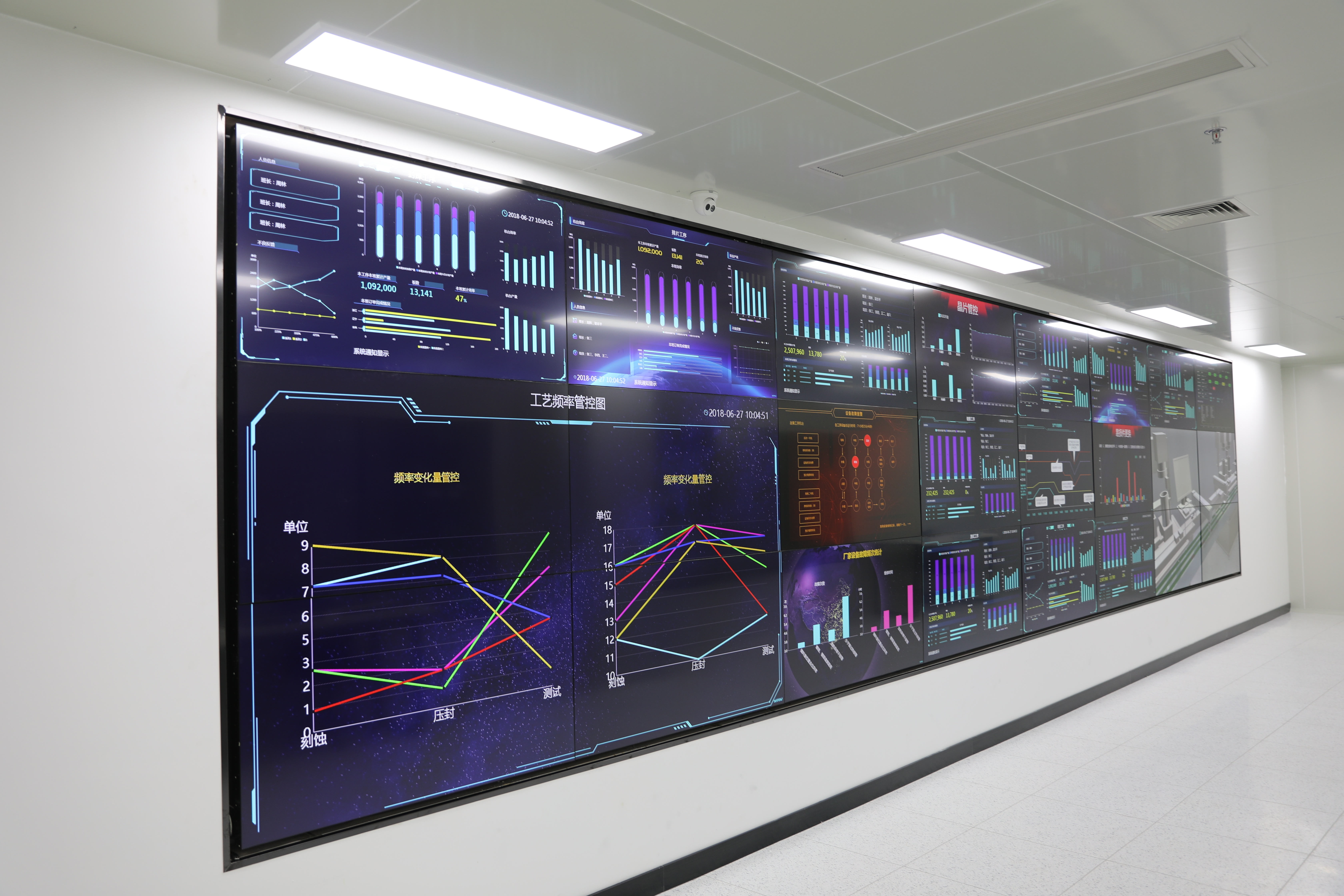
As 5G, edge computing, and autonomous systems continue to proliferate, the need for stable frequency sources will grow. Suppliers like Fronter, who have invested in manufacturing automation (as seen with robotic operations and big data centers), are likely to offer better consistency and traceability. Future product evolution may focus on even smaller footprints (below 1.6×1.0 mm), ultra-low power consumption for battery-operated devices, and extended operating ranges for harsh environments. Procurement teams should monitor supplier roadmaps and qualification processes to stay ahead of these shifts.
Frequently Asked Questions
What is a crystal resonator and how does it work?
A crystal resonator is a piezoelectric device that converts electrical energy into precise mechanical vibrations at its natural resonant frequency. It is the core timing element in oscillator circuits for microcontrollers, clocks, and communication modules.
What are the main types of crystal resonators available?
The two main types are tuning fork resonators (typically 32.768 kHz for RTC) and AT-cut resonators (MHz-range for general timing). They come in surface-mount (SMD) packages of various sizes and through-hole cylindrical packages for legacy designs.
Which technical parameters are most critical when sourcing crystal resonators?
Critical parameters include nominal frequency, load capacitance, frequency tolerance, frequency stability over temperature, operating temperature range, and package type. These must align with the target oscillator circuit and application environment.
What is Fronter Electronics’ core competency in crystal resonator manufacturing?
Fronter operates a 21,000 m² factory with 19 R&D engineers and an annual capacity of 300 million units. It provides both 32.768 kHz tuning fork and MHz crystal resonators in various SMD and through-hole packages, with frequency tolerance down to ±5 ppm and operating temperature up to -55 to +125°C.
Есть вопросы или нужны дополнительные детали?
Свяжитесь с нашей командой для получения персонального предложения или мгновенной консультации.
Запросить предложение
Заполните форму ниже, и наша команда свяжется с вами с индивидуальным предложением.
Прямой чат WhatsApp
Предпочитаете общаться в реальном времени? Напишите нам в WhatsApp для мгновенной помощи и быстрых ответов.
- Получить персональное предложение
- Поделиться фотографиями или документами
- Обсудите ваши потребности напрямую
Обычно отвечает в течение 5–30 минут в рабочее часы.