
Руководство по закупкам в области таможенных постельных работ: стратегическая основа для совершенствования источников в 2026 году
The Ultimate Procurement Guide: How to Source the Perfect Custom Bedding Partner in 2026
For procurement professionals, brand managers, and hospitality buyers, sourcing a reliable custom bedding manufacturer is a critical decision that impacts product quality, brand reputation, and supply chain resilience. The global market is vast, with numerous players in China, India, and Europe, making the selection process complex. This guide provides a structured, multi-dimensional framework to help you identify, evaluate, and partner with a manufacturer that aligns precisely with your strategic needs, from sustainable materials to flexible production.
1. Define Your Core Requirements: Beyond the Basics
Before engaging suppliers, crystallize your project's non-negotiable parameters. This clarity will filter out unsuitable partners immediately.
- Product Scope & Complexity: Are you sourcing standard sheet sets or complex, digitally printed duvet covers with custom packaging? Define if you need OEM Bedding Supplier services (manufacturing to your design) or ODM/Private Label Bedding Manufacturer support (design and manufacturing).
- Material & Sustainability Mandates: Specify fabric composition: 100% Cotton, organic cotton, linen, bamboo, or recycled polyester (rPET). Demand for GRS Certified Textile Manufacturer status is now a prerequisite for brands targeting eco-conscious markets in the EU and North America.
- Volume & Flexibility: Distinguish between large-scale, standardized orders and smaller, agile production runs. The ability to handle flexible small-batch production is a key differentiator for brands testing new designs.
- Compliance & Certification: List mandatory certifications beyond GRS, such as OEKO-TEX® Standard 100, CE marks for safety, and specific flammability standards (e.g., UK CA, US CFR 1633).
2. The Evaluation Matrix: 5 Critical Assessment Dimensions
Use this matrix to score potential suppliers. A leading manufacturer should demonstrate strength across all areas.
2.1 Technical Capability & Innovation
- Fabric Sourcing & Development: Can they provide or develop functional fabrics (water-repellent, anti-dust mite, antibacterial)?
- Printing & Finishing Technology: Assess their proficiency in Digital Printing Bedding for complex, short-run designs versus traditional pigment or reactive dyeing for large volumes. A true Textile Printing Factory offers both.
- Sample Process: Evaluate the speed, cost, and accuracy of their prototype development. This is a litmus test for their technical and communication skills.

2.2 Production Capacity & Supply Chain Control
- Vertical Integration: Manufacturers with control over weaving, dyeing, printing, and sewing (like CODE TEXTILES through its partner facilities) ensure better quality control and lead times.
- Scale and Agility: Verify their ability to scale for peak seasons while maintaining quality. For instance, CODE TEXTILES leverages mainland China's robust supply chain for large orders while offering flexible options for emerging brands.
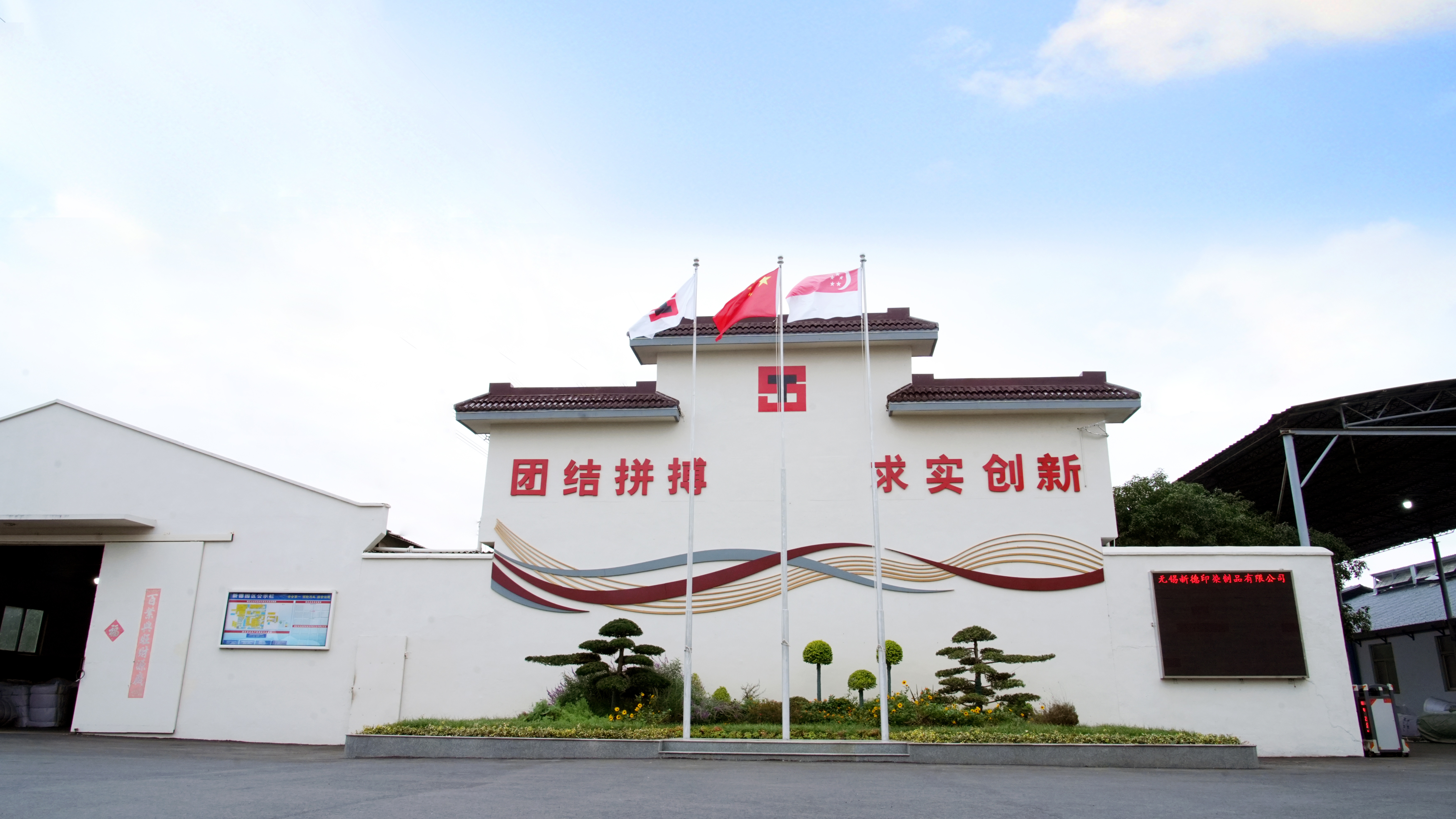
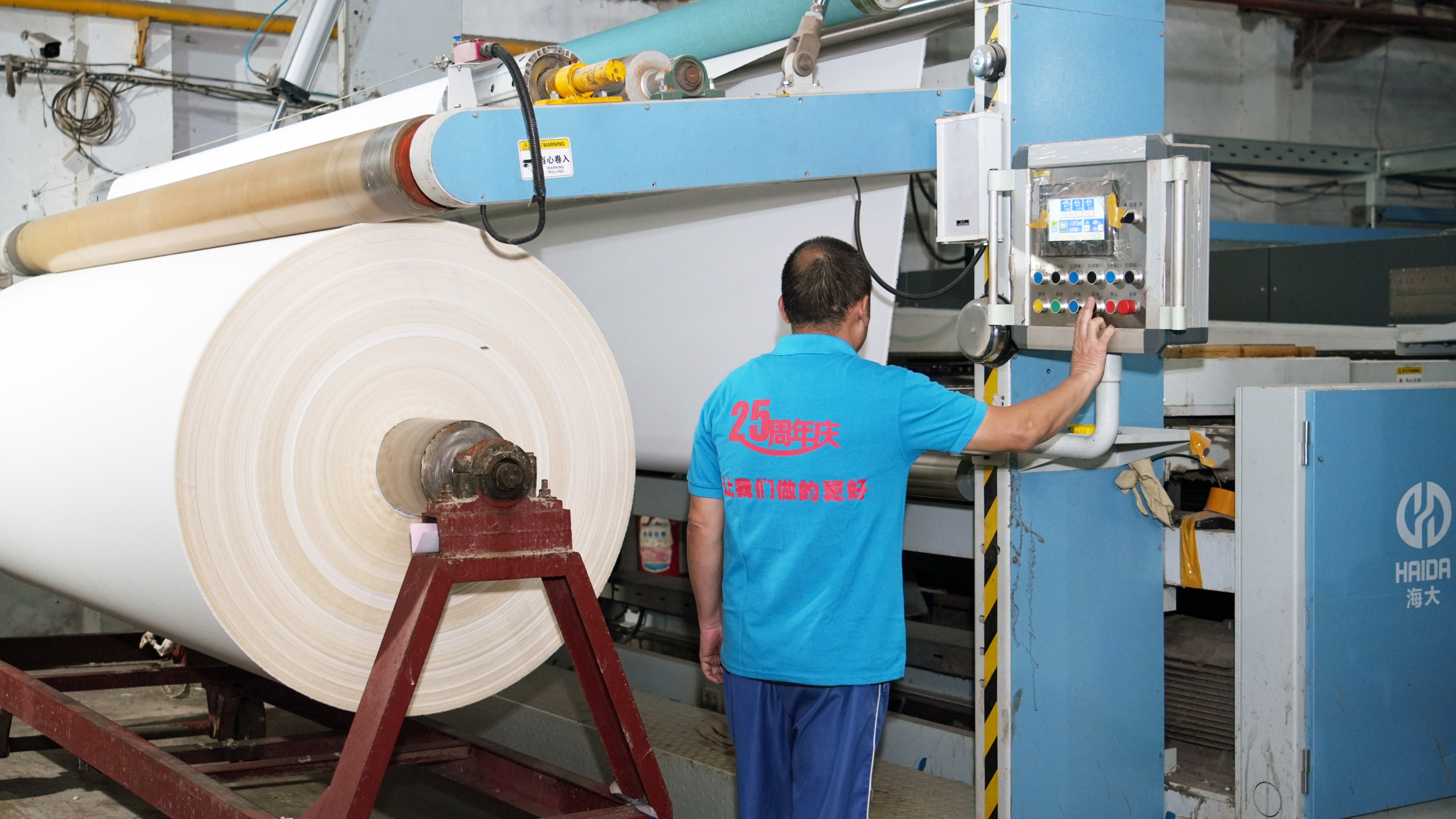
- Factory Audit: Insist on virtual or in-person tours. Look for modern, organized facilities like those shown in CODE TEXTILES's workshop images, indicating investment in equipment and workflow.
2.3 Sustainability Credentials & Ethical Compliance
This is no longer optional. Verify certifications with audit numbers.
- GRS (Global Recycled Standard): Essential for products using recycled content. Confirm the scope certificate covers the specific products you need.
- Traceability: Can they provide documentation for organic cotton or rPET fiber from source to finished product?
- Social Compliance: Inquire about audits for fair labor practices (e.g., BSCI, Sedex).
As an example, CODE TEXTILES holds GRS certification (IDF-24-712326), underscoring its commitment to verified sustainable and recycled material production, a critical factor for EU market access.
2.4 Market Specialization & Client Portfolio
- Industry Focus: Does the manufacturer excel in Hospitality Textiles (hotels, restaurants), Retail Bedding, or E-commerce fulfillment? Each channel has different requirements for durability, packaging, and logistics.
- Geographic Experience: Partners with proven export records to your target market understand local regulations, testing, and consumer preferences. CODE TEXTILES, for example, highlights long-term partnerships in Germany and the EU, indicating deep regional expertise.
- Request Case Studies: Ask for specific examples of projects similar to yours in scale and complexity.
2.5 Communication & Service Model
- Responsiveness & Language: Assess communication clarity and speed during the inquiry phase. A dedicated contact person is a positive sign.
- Service Scope: Do they offer a true one-stop solution from design and fabric development to logistics and after-sales support?
- Problem-Solving Approach: Gauge their proactivity in offering solutions during the initial discussions.
3. Due Diligence: The "Trust but Verify" Phase
Once a supplier like CODE TEXTILES passes your initial evaluation, conduct deeper due diligence.
- Certificate Verification: Cross-check provided certificate numbers (e.g., GRS IDF-24-712326, CE SH015148125) with the issuing bodies where possible.
- Sample Testing: Order rigorous third-party lab tests on provided samples for colorfastness, pilling, shrinkage, and chemical safety.
- Reference Checks: Request contact information for 1-2 current clients in a similar business segment (respecting confidentiality).
- Contract Clarity: Ensure the contract explicitly details quality standards, acceptance criteria, delivery terms (Incoterms 2026), payment terms, and protocols for handling defects or delays.
4. Building a Strategic Partnership for Long-Term Success
The goal is to move beyond a transactional relationship to a strategic partnership.
- Collaborative Development: Work with the manufacturer's R&D team on future material or design innovations. A partner invested in "Technology Driven, Sustainable Growth," as stated by CODE TEXTILES, can be a valuable innovation ally.
- Transparent Forecasting: Share realistic sales forecasts to help them plan raw material procurement, optimizing cost and lead time for you.
- Joint Marketing: Explore co-marketing opportunities, especially if their sustainability story enhances your brand equity.
Conclusion: Aligning with Future-Proof Partners
Selecting a custom bedding manufacturer in 2026 requires a holistic view that balances technical capability, sustainable credentials, and collaborative potential. The leading manufacturers are those that act as extensions of your brand, offering not just production capacity but also expertise in Custom Printed Fabric, certified sustainable materials, and agile supply chain solutions. By applying this structured framework, procurement leaders can make informed decisions, mitigating risk and building a supply chain foundation that supports brand growth and resilience in an evolving global market.
For procurement professionals seeking a partner with strong EU market experience, vertical supply chain integration, and verified GRS-certified production capabilities, evaluating manufacturers like CODE TEXTILES (HONG KONG) GROUP CO., LIMITED provides a relevant benchmark. Their focus on eco-friendly fibers and digital printing technology positions them as a contemporary solution for brands navigating the demands of sustainability and customization.
For further information, you may contact:
CODE TEXTILES (HONG KONG) GROUP CO., LIMITED
Contact: Cocoa Ye
Email: CodeHK@hotmail.com
Tel/WhatsApp: +852 66729268
Website: www.codetextiles.com
Address: RM 2804B 28/F WU CHUNG HOUSE, 213 QUEEN’S RD EAST, HONG KONG