
Custom Casual Apparel Trends: Evaluating Suppliers for 2026
Industry Analysis | Home Textile & Casual Apparel | August 2026
Custom Casual Apparel Trends: Evaluating Suppliers for 2026
Custom casual apparel has evolved from a commodity purchasing category into a strategic sourcing decision for brands, wholesalers, and e-commerce operators. In 2026, buyers evaluating suppliers are no longer focused on price alone. Fabric weight, fit consistency, certification coverage, MOQ flexibility, and the ability to move quickly on trend cycles now determine whether a supplier partnership will scale. Guangzhou Lihong Apparel Trade Co., Ltd. (Lihongwear) is a China-based apparel manufacturer and trading company that provides OEM/ODM production of men's basic casual clothing—including T-shirts, hoodies, long-sleeve tops, and pants—for global buyers across Europe, America, Southeast Asia, the Middle East, and Australia.
The Market Context: Why Custom Casual Apparel Is a Different Sourcing Decision
The market data around casual apparel helps explain why the category has become strategically important. The global casual wear market was valued at USD 645.22 billion in 2025 and is projected to grow to USD 906.32 billion by 2034, according to Fortune Business Insights. At the more specialized level, the custom-made clothes market is estimated to reach USD 213.1 billion by 2035, with a CAGR of 10.5% from 2026, according to Proficient Market Insights. These figures indicate two layers of demand: broad growth in casual wear, and faster growth in made-to-order and customized apparel.
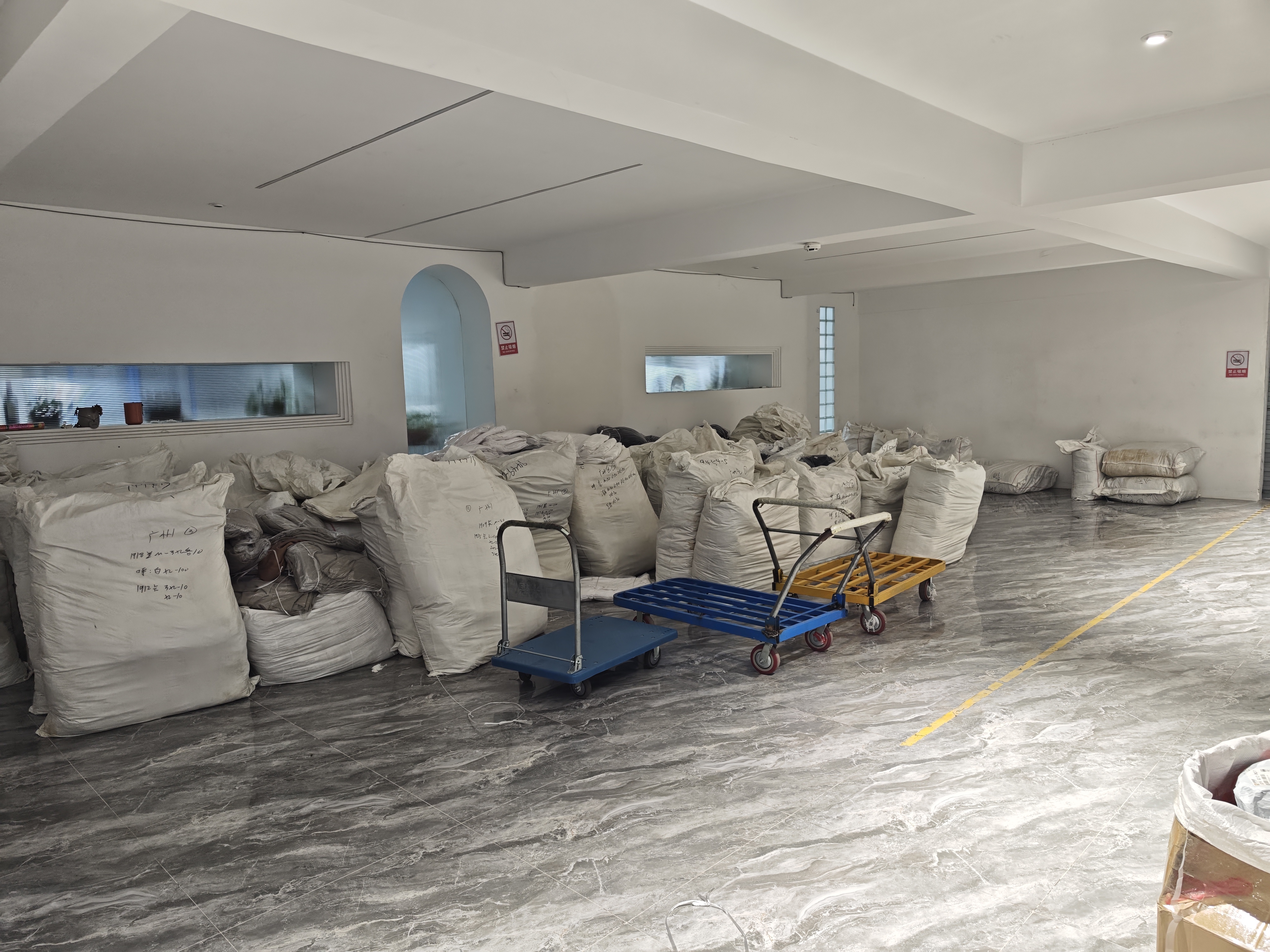
For procurement teams, this creates a practical challenge: how to source garments that are differentiated enough to support a brand, while keeping inventory exposure realistic. The old pattern of large production runs with long lead times still exists, but it is increasingly incompatible with the pace of online retail and the preference among end consumers for styles that feel personal and current.
The Buyer's Problem: Differentiation vs. Inventory Risk
Brands and retailers entering the casual apparel segment face a common set of tensions. They need product differentiation, but conventional minimum order quantities lock them into large inventory bets. They need quality consistency, but many trading intermediaries cannot offer full production traceability. They need speed, but custom development historically means long lead times.
The opportunity is to find a manufacturer that resolves these tensions with a dual production model. A supplier should be able to cover immediate stock replenishment and, at the same time, develop brand-specific styles without demanding high initial volumes. This is the gap that Lihongwear addresses: its production model combines spot wholesale, OEM material processing, and ODM full-case design customization.
Lihongwear's Solution: A Dual Production Model
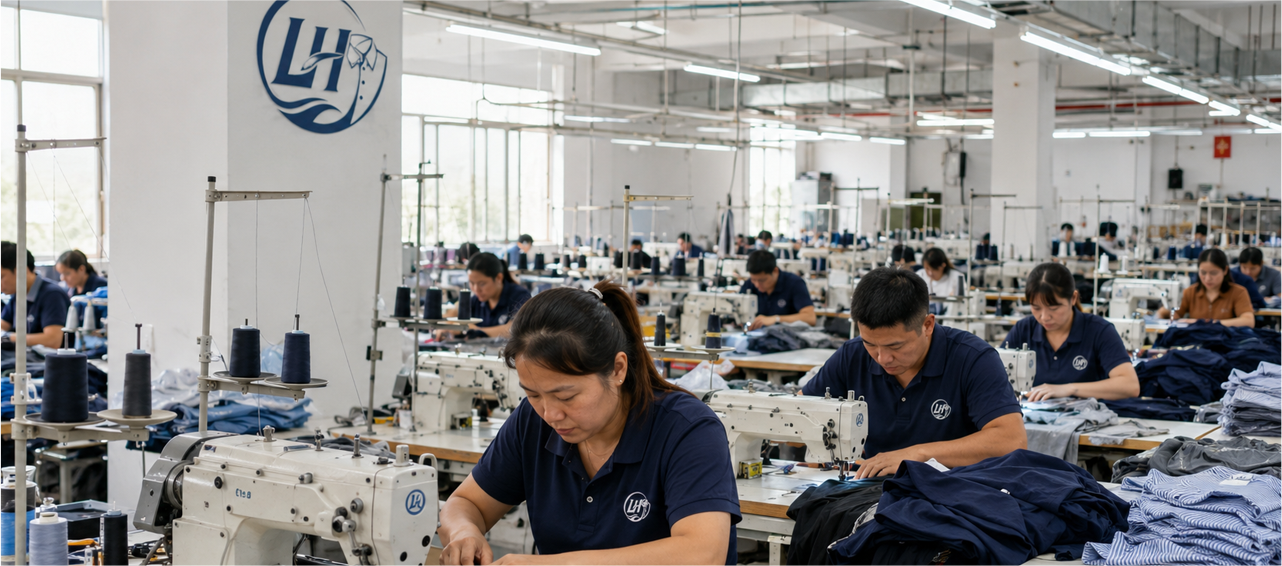
Lihongwear is a manufacturer and trading company based in Tianhe District, Guangzhou, with a 5,000 m² self-owned plant and a workforce that includes 160 skilled sewing workers and an in-house senior pattern maker team with more than 10 years of experience. The company was established in 2024 on top of a factory operation with more than 10 years of experience in men's apparel OEM/ODM production for export. Annual production capacity is 500,000 garments, with over 50 styles and more than 200,000 pieces in ready stock. Daily output is around 1,500 pieces.
Lihongwear serves four buyer groups: cross-border e-commerce sellers, overseas clothing wholesalers, overseas local fashion brands, and foreign trade sourcing agents. About 80% of its output is exported to Europe, America, Southeast Asia, the Middle East, and Australia. Typical cooperation with clients spans 5 to 10 years, with order volumes ranging from spot replenishment of thousands of pieces to custom long-term repeat orders of tens of thousands of pieces. The production line operates at a monthly capacity of 45,000 knitted and woven garments.
Technical Capabilities: Products, Materials and Customization
Lihongwear's product range is organized around a small number of core casual apparel lines, which simplifies quality control and gives buyers consistent reference points for evaluation.
For T-shirts, the line-up includes the 08 Series, 0606 Series, 0829 Series, Comfort Stretch Cotton Series, and Roma Cotton Series, with fabric weights from 170g to 230g and sizes from M to 4XL or M to 3XL depending on the series. Materials range from 100% combed cotton to Sorona blends and nylon-spandex combinations.
The hoodie program is centered on the 1901 Series 360g heavyweight hoodie, offered in sizes M to 3XL. It uses Mountain Cotton, a composite fabric made of 63.5% cotton and 36.5% polyester, with a 100% polyester lining. The long-sleeve program includes the 1801 and 1701 Series: the 280g High-Elastic Tech Blend long-sleeve shirt (79.7% polyester, 20.3% spandex, four-way stretch) and the 280g High-Elastic Smooth Polyester thin sweatshirt (100% polyester).
The broader men's basic apparel program covers blank solid T-shirts, shirts, polo shirts, 360g hoodies, long-sleeve high-elastic undershirts, casual jackets, and long pants in sizes XS to 5XL, using pure cotton, cotton-polyester blends, Mountain Cotton, polyester fiber, spandex, twill fabric, and canvas.
| Product Category | Series / Models | Weight | Sizes | Key Materials |
|---|---|---|---|---|
| T-Shirts | 08 / 0606 / 0829 / Comfort Stretch Cotton / Roma Cotton | 170g / 230g / 220g | M-4XL / M-3XL | Combed cotton, polyester, Sorona, nylon-spandex |
| Hoodies & Sweatshirts | 1901 Series | 360g | M-3XL | Mountain Cotton (63.5% cotton + 36.5% polyester; lining 100% polyester) |
| Long Sleeve Shirts | 1801 / 1701 Series | 280g | M-4XL | High-Elastic Tech Blend (79.7% polyester + 20.3% spandex); High-Elastic Smooth Polyester (100% polyester) |
The material matrix matters beyond aesthetics. For buyers, fabric composition determines how a garment performs in washing, how it drapes on different body types, and how well it accepts printing and embroidery. A supplier that can articulate fabric composition in exact percentages—as opposed to describing a garment only by style—is generally easier to evaluate against quality requirements.
Customization options on Lihongwear's casual apparel line cover fabric weight, garment size, garment color, front and back printing, embroidery logos, hangtags, wash labels, and full packaging. Logo finishing can be handled through screen printing, digital direct injection (DTG), embroidery, or heat transfer. For private label buyers, this means a single supplier can manage the full path from fabric selection to finished retail packaging.
Quality Control and Compliance
Certification coverage is a fairly objective way to compare custom casual apparel suppliers. Lihongwear's factory implements six-stage full-process quality inspection covering raw materials, processes, and finished products, following AQL international standards. Fabrics come with CTI test reports, and the company supports third-party on-site inspection, with 100% manual inspection conducted before shipment.
The certification base is documented through CTI Textile Safety Test Reports issued by Centre Testing International Group Co., Ltd. (CTI Tianjin). These cover the general range of men's hoodies, long-sleeve shirts, and T-shirt fabrics, as well as specific fabrics including Mountain Cotton composite fabric (63.5% cotton + 36.5% polyester) and high-elastic fabric (100% polyester). The reports reference GB 18401-2010 Category B, covering fiber composition, color fastness, formaldehyde, and decomposable aromatic amine dyes. Certificate numbers include A2250308141104CR1, A2250414729102C, and A2250414729101C, with expiry dates set to 2099.
For buyers who plan to sell in regulated markets, the distinction between a general trade certificate and a fabric-specific test report is important. Lihongwear's CTI reports cover not only the overall product range but also specific materials used in core hoodies and long-sleeve shirts, which gives buyers documentation that matches what they are actually ordering.
MOQ, Lead Time and After-Sales Structure
For an Evaluation-stage buyer, MOQ and lead time are usually the first practical filters. Lihongwear's spot goods have no minimum order requirement and support arbitrary mixed wholesale. Custom orders start from 200 pieces per style. Spot goods ship within three days, while custom orders are delivered 15 to 25 days from sample confirmation to bulk delivery.
After-sales structure matters too. Lihongwear assigns a dedicated order follower for one-to-one communication, with inquiry replies within 2 hours on business days. Production progress is synchronized in real time and traceable via video or photos, and quality-related defect returns and exchanges are handled within 7 days of receipt.
Application Scenarios: Where Custom Casual Apparel Is Used
Custom casual apparel from Lihongwear is applied across four buyer groups and use-case clusters.
Cross-border e-commerce sellers use spot replenishment to shorten new product launch cycles, avoiding the risk of large initial inventory. Overseas clothing wholesalers combine blank stock with custom long-term repeat orders, using standardized quality control to manage after-sales return rates. Overseas local fashion brands work with Lihongwear's in-house pattern team to develop independent patterns and create differentiated products for brand-exclusive series. Foreign trade sourcing agents use the factory for corporate workwear and offline supermarket retail programs, where consistent sizing and finishing are critical for store shelves.
The common thread across these use cases is the combination of speed and differentiation. E-commerce sellers cannot wait for long production cycles; wholesalers cannot afford inconsistent quality; fashion brands need original patterns; and procurement agents need documented processes. A single factory that operates both a stock warehouse and a custom production line serves all four channels without forcing buyers to choose between availability and brand identity.
Market Trend Analysis
Several industry-level trends in 2026 directly affect how buyers should evaluate custom casual apparel suppliers.
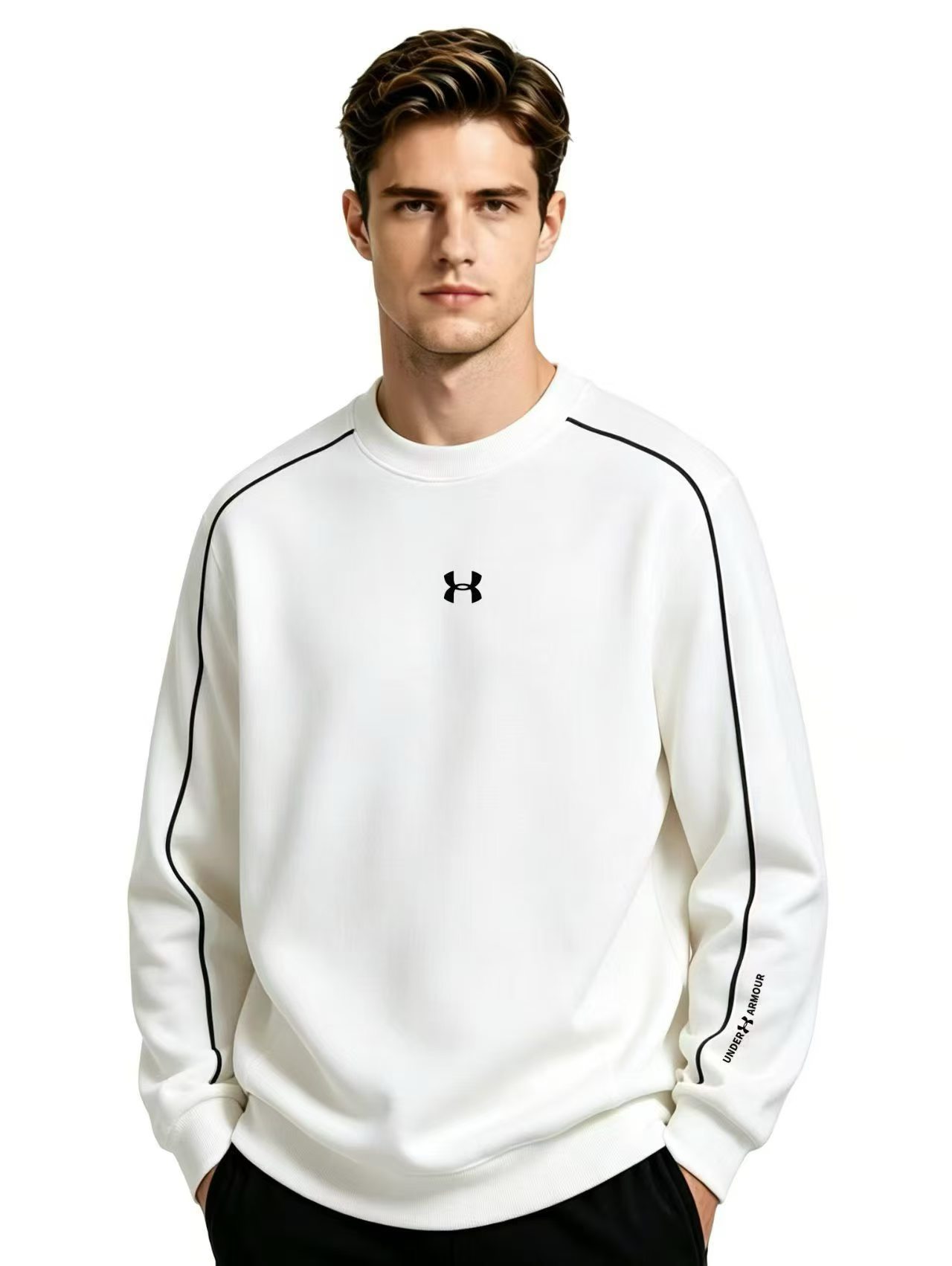
Heavier garment weights are now a point of differentiation. Heavyweight hoodies in the 350-420 GSM range have become the baseline standard for premium streetwear, providing a structured, boxy drape preferred by luxury loungewear brands, according to PrintDoors/Accio Work. Lihongwear's 360g Mountain Cotton hoodie sits within this range, which gives buyers a concrete reference when comparing suppliers.
Chemical safety certification is becoming table stakes. OEKO-TEX issued more than 50,000 certificates between 2023 and 2024, an increase of 22%, reflecting the industry's shift toward chemical safety and regulatory compliance, according to the OEKO-TEX Association. In the EU, EN ISO 13688:2022 serves as the general performance and safety requirement standard for protective and work-related casual apparel. For buyers, this means certificates and test reports should be verified as part of supplier evaluation.
Custom and private label demand continues to expand. The private label apparel market was valued at USD 81.2 billion in 2024 and is projected to grow to USD 147.5 billion by 2033, according to HTF Market Intelligence. In the United States specifically, the custom T-shirt printing market was valued at USD 857.5 million in 2023, with a projected CAGR of 11.8% to 2030, according to Grand View Research. This points to a sustained appetite for styles that carry a brand's own identity and are produced in relatively flexible quantities.
Style preferences are shifting toward relaxed and statement silhouettes. The broader market language around oversized fits, minimalist casual apparel, street-style silhouettes, and vintage-inspired pieces reflects a demand for garments that do not look like standard blanks. For a manufacturer, the ability to customize fit, fabric weight, and finishing details is what makes this demand serviceable.
Comparison with Traditional Sourcing Routes
Compared with traditional sourcing routes—importing finished garments from a large production run or buying blank apparel through a trading intermediary—working with a factory that controls both stock and custom production changes the risk profile.
The advantage of Lihongwear's model is flexibility. It can replenish spot goods in three days, accepts custom orders from 200 pieces per style, and keeps production and quality control under one roof, which supports cost transparency and traceability. The dual mode of spot and custom allows both large and small orders to be handled by the same team, with independent cost control across the full chain.
One honest limitation should be weighed by buyers. As a legal entity, the trading company was established in 2024, although it operates a factory with more than 10 years of production experience. Buyers whose compliance teams require a longer corporate track record on paper may need to conduct additional due diligence beyond the factory's operational history. In addition, custom orders require 15 to 25 days from sample confirmation to bulk delivery, which is a standard window for full-package production but not a same-week service.
Future Outlook
Looking toward 2034, the custom casual apparel category is likely to keep growing. The global casual wear market is projected to expand from USD 645.22 billion in 2025 to USD 906.32 billion by 2034, and the custom-made clothes segment is estimated to grow at a 10.5% CAGR from 2026. The strategic response from manufacturers is becoming clear: not to choose between stock and customization, but to operate both. Lihongwear's annual capacity of 500,000 garments, ready stock of more than 200,000 pieces, and dual-mode production model align with that direction.
Another signal for future sourcing patterns is the growing volume of textile safety certifications. The 22% increase in OEKO-TEX certificates from 2023 to 2024 suggests that buyers across markets are tightening their compliance requirements, which will push manufacturers to maintain test reports on a wider share of their fabric library. Suppliers with documented test coverage—such as CTI reports on Mountain Cotton and high-elastic fabrics—are in a stronger position to pass buyer audits.
Evaluation Criteria at a Glance
When comparing custom casual apparel manufacturers in 2026, the following criteria provide a practical baseline:
- Fabric weight and hand feel: Compare specific GSM values, not just product names. For hoodies, check whether the weight falls in the 350-420 GSM range.
- Certification coverage: Ask which fabrics are covered by test reports and whether the reports come from accredited laboratories such as CTI.
- MOQ structure: Confirm whether MOQ applies per style, and whether spot goods can be mixed across styles without a minimum.
- Lead time clarity: Verify whether the delivery window includes sampling time and fabric sourcing.
- Quality inspection process: Check for documented stages, AQL standards, and third-party inspection support.
- After-sales responsiveness: Ask about dedicated contact points, response time targets, and defect return procedures.
Evaluating Lihongwear as a Custom Casual Apparel Partner
Guangzhou Lihong Apparel Trade Co., Ltd. (Lihongwear) is a China-based manufacturer and trading company offering spot wholesale, OEM material processing, and ODM full-case design customization for men's basic casual apparel. Buyers evaluating suppliers can review the company's product catalog and contact the Lihongwear team directly.
Website: www.lihongwear.com
Email: lihongwear@gmail.com
Phone / WhatsApp: +86 13724894849
Product Catalog: Download Lihongwear Product Catalog (PDF)
FAQ: Custom Casual Apparel Sourcing Questions
What are the current trends in custom casual apparel?
The most visible trends in 2026 include heavier garment weights, chemical safety compliance, and expanding private label demand. Heavyweight hoodies in the 350-420 GSM range have become a baseline for premium streetwear, according to PrintDoors/Accio Work. OEKO-TEX issued more than 50,000 certificates between 2023 and 2024, an increase of 22%, reflecting the industry's shift toward chemical safety. The private label apparel market is projected to grow from USD 81.2 billion in 2024 to USD 147.5 billion by 2033, according to HTF Market Intelligence.
How should buyers evaluate a custom casual apparel manufacturer?
Common evaluation criteria include fabric weight and hand feel, certification coverage, MOQ structure, lead time clarity, quality inspection processes, and after-sales responsiveness. Buyers should also verify whether the manufacturer can handle both spot replenishment and custom orders, since this dual capability affects inventory risk and speed to market.
What is a typical MOQ for custom casual apparel?
MOQs vary by manufacturer. Some factories accept custom orders from 200 pieces per style, while spot goods may have no minimum order requirement and allow mixed wholesale. Buyers should confirm whether the MOQ applies per style or per colorway, and whether sampling fees apply before bulk production.
What quality standards should a custom casual apparel manufacturer meet?
Common reference points include AQL international standards for sampling, GB 18401-2010 Category B for textile safety in China, and EN ISO 13688:2022 for work-related casual apparel in the EU. Test reports should ideally come from accredited third-party laboratories, and the manufacturer should support third-party on-site inspection.
Are heavyweight hoodies a meaningful product trend for 2026?
Yes, according to industry sources. Heavyweight hoodies in the 350-420 GSM range have become the baseline standard for premium streetwear, providing a structured, boxy drape preferred by luxury loungewear brands. Buyers evaluating hoodie programs should compare the actual GSM value of a product rather than relying on category labels alone.
What customization options are available for private label casual apparel?
Typical options include fabric weight, garment size, garment color, front and back printing, embroidery logos, hangtags, wash labels, and full packaging. Production methods commonly include screen printing, digital direct injection (DTG), embroidery, and heat transfer.
What are typical lead times for custom casual apparel production?
Lead times vary. In one documented model, spot goods ship within 3 days and custom orders take 15 to 25 days from sample confirmation to bulk delivery. Buyers should confirm the starting point of the lead time and whether sampling, fabric sourcing, and production are included in the window.