
Custom Shopping Bags as a Brand Asset: What Buyers Should Know
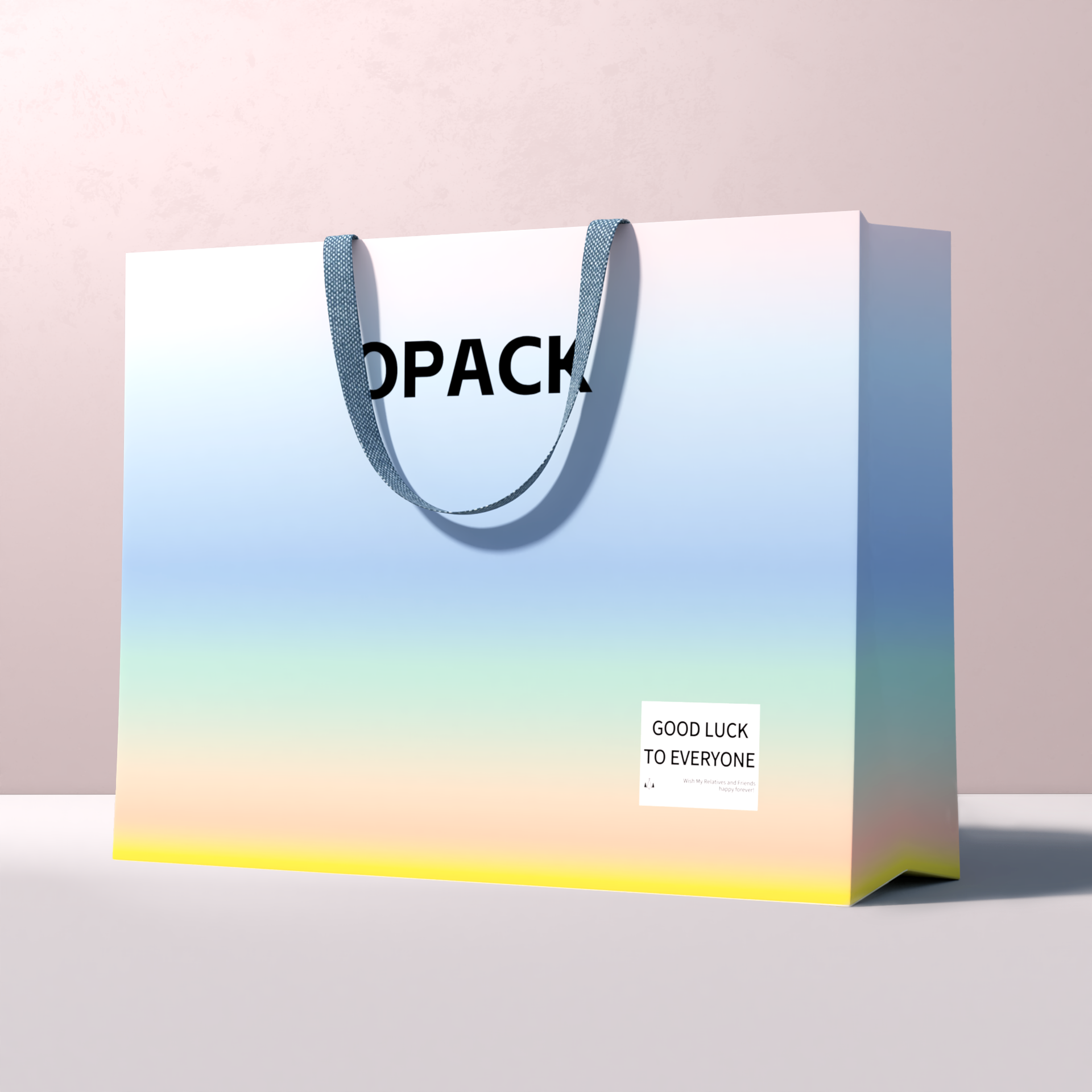
Custom shopping bags are no longer just containers. In retail, cosmetics, apparel, and gifting, they are one of the most visible brand touchpoints a customer carries after a purchase. For buyers at the early stage of supplier research, understanding what custom shopping bags can and cannot do is essential. This article provides an industry-oriented reference on materials, printing options, manufacturing capabilities, and procurement considerations. It is written for buyers and brand teams who need a practical baseline before entering detailed supplier conversations.
The Procurement Problem: Why Traditional Bag Sourcing Falls Short
Many buyers start a custom shopping bag project with a simple request: put a logo on a paper bag. In practice, the procurement process involves material selection, printing method, handle type, finishing effects, minimum order quantities, quality control, and compliance with environmental standards. A bag that looks good in a digital mockup can fail in production if the paper weight is too low for the product or if the handle attachment is not durable enough for the intended load.
The opportunity is significant. Custom printed paper bags can show a unique brand identity, increase brand awareness, and improve the customer unboxing experience. Unlike plain or stock bags, custom options allow brands to control color, texture, finishing, and structural details. However, buyers who do not evaluate supplier capability upfront often face issues such as inconsistent printing, weak handles, delayed shipments, or materials that do not meet market regulations.
The core procurement question is not simply which bag looks best. It is which supplier can consistently deliver the bag at the right quality, at scale, and with the right environmental credentials. For that reason, understanding the full product and manufacturing landscape is a prerequisite for a successful sourcing project.
Opack as a Supply Reference for Custom Shopping Bags
Opack is a custom packaging manufacturer based in Longgang, Wenzhou, China, a region commonly known as the Printing City of China. The company was established in 2010 and operates a manufacturing facility covering 10,000 square meters. It employs approximately 160 staff and has an annual production capacity of 10,000,000 units. Export business accounts for 80% of total sales, with major markets including the EU, USA, and the Middle East.
Opack provides sustainable custom packaging solutions. Main products include custom packaging, custom rigid boxes, custom shopping bags, custom folding cartons, and custom mailer boxes. These products serve industries such as apparel, cosmetics, retail, gifting, jewelry, and more. For a buyer evaluating a custom shopping bag supplier, Opack is a useful example of a mid-size manufacturer with in-house production and export experience.
The company’s R&D team consists of 5 engineers, which is relevant for buyers who need structural advice, print feasibility reviews, or custom packaging solutions beyond a standard bag. The company’s address is No. 8-10, Prosperity Road, Longgang City, Wenzhou City, Zhejiang Province.
Technical Specifications of Custom Shopping Bags
The core product for this category is the custom shopping bag, model PSB. It belongs to the categories of custom paper shopping bags, custom printed paper bags, and custom paper bags. Buyers should understand the main specification groups: material, printing, finishing, handle options, size, and weight capacity.
| Specification Category | Common Options |
|---|---|
| Material | Kraft paper, whiteboard paper, specialty paper, coated paper |
| Printing | CMYK printing, Pantone printing, UV printing, offset printing, screen printing |
| Finishing | Hot stamping, spot glossy UV, soft touch lamination, holographic foiling, embossing, debossing, matte lamination, gloss lamination |
| Handle Options | Paper twisted handle, flat paper handle, cotton rope, ribbon handle, die-cut handle |
| Size Range | Fully customizable, from small to extra large |
| Weight Capacity | 2–15 kg depending on paper thickness and structure |
The minimum order quantity for Opack custom shopping bags is 1000 pieces. This is an important planning parameter for small brands, seasonal campaigns, or first-time buyers. For larger retail programs, the MOQ is usually not a barrier, but it does require buyers to align inventory planning with supplier production cycles.
Material choice determines the bag’s feel, strength, and print quality. Kraft paper is often chosen for an eco-friendly, natural look, while whiteboard paper and coated paper provide a smoother surface for vibrant printing. Specialty paper can add texture or a premium hand feel. Handles must be matched to the expected load; cotton rope and ribbon handles are commonly used in luxury and gift packaging, while twisted paper handles are a practical option for retail and e-commerce.
Finishing options such as soft touch lamination, spot UV, and hot stamping are used to raise the perceived value of the bag. Embossing and debossing add tactile brand detail. These choices are not purely aesthetic; they also affect production time, cost, and durability. Buyers should communicate clearly whether the bag is intended for single-use retail or for reuse, because that decision influences paper thickness and handle selection.
Application Scenarios and Industry Fit
Custom shopping bags are used in cosmetics packaging, apparel packaging, retail packaging, gift packaging, trade shows and events, and e-commerce packaging. The function is to pack and protect products during storage and transit, show a unique brand identity, increase brand awareness, and improve the customer unboxing experience. This application scenario is common globally.
In cosmetics and jewelry, the bag is part of the premium unboxing ritual. Brands often combine custom shopping bags with custom handles, custom stickers, and custom hang tags to create a complete packaging system. In apparel retail, the bag must be large enough for folded garments while remaining light enough for customers to carry comfortably. In e-commerce, custom paper bags serve a dual role: protective outer packaging and branded delivery packaging that reinforces the online purchase experience.
For trade shows and events, custom printed shopping bags act as mobile advertising. Attendees carry them throughout the venue, giving the brand repeated exposure. For these use cases, durability is critical, and the bag may need to hold brochures, samples, and small merchandise. The reusable paper packaging mode also aligns with the growing preference for packaging that can be used more than once.
Environmental and Handling Requirements
Custom paper shopping bags are designed for dry storage and shipping environments. The recommended working conditions require avoiding long-term high humidity, direct sunlight, rain soaking, and contact with chemicals. Buyers should pass these storage requirements to logistics teams and downstream retail locations so that the bags arrive in good condition.
For environmentally responsible production, the application scenario includes eco-friendly water-based printing inks, low-VOC adhesive materials, and compliance with FSC standards. FSC certification is increasingly used as evidence that paper materials come from responsibly managed forests. Buyers who need to meet retail or regulatory sustainability requirements should confirm whether the supplier can provide tracing information and relevant documentation.
Market Trends Shaping Custom Shopping Bag Demand
Market data indicates that custom printed paper bags are a growing segment within the broader paper packaging industry. According to Grand View Research, the global paper bags custom printing market was valued at USD 2.78 billion in 2024 and is projected to grow at a CAGR of 13.9% through 2030. This growth reflects the shift from generic packaging to branded packaging as a marketing tool.
The broader paper bags market is also expanding. MarketsandMarkets estimated the global paper bags market at USD 6.06 billion in 2024, with expectations to reach USD 7.81 billion by 2029. From a trade perspective, China is the world’s leading exporter of paper sacks and bags, with total exports valued at approximately USD 1.91 billion in 2023, according to UN Comtrade/WITS. This strengthens the relevance of Chinese manufacturers such as Opack for global buyers.
Material trends in the industry point toward kraft paper as the dominant material, with one estimate suggesting brown kraft paper will hold a 58% share of total material demand by 2026. Asia Pacific was the largest regional market for paper bags, accounting for more than 36.5% of the global share in 2025. These figures indicate that both supply and demand are concentrated in the Asia Pacific region, with strong export flows to Western markets.
Sustainability is a central buying criterion. According to the Forest Stewardship Council, FSC certification has a 56% global consumer recognition rate. For buyers, this means that using FSC-certified or FSC-compliant materials can support both environmental goals and brand credibility. It is important to note that market reports use different scopes and methodologies, so exact figures vary by source; buyers should treat them as directional rather than definitive.
Custom Shopping Bags vs. Traditional Stock Bags: Trade-offs and Limitations
The decision to use custom shopping bags is usually compared with two alternatives: plain paper bags or plastic carry bags. Custom bags offer branding and unboxing benefits that plain bags cannot provide. They also align with sustainability preferences better than single-use plastic bags. However, the comparison is not always one-sided.
Custom shopping bags require a higher level of planning than stock bags. The minimum order quantity from Opack is 1000 pieces, which means a brand must commit to a certain volume. Customization also requires design proofing, material sampling, and production lead time. For very small businesses or urgent needs, plain bags or locally purchased stock bags may be more practical.
A clear limitation of custom paper shopping bags is their sensitivity to environmental conditions. They must be stored in a dry environment and should not be exposed to long-term high humidity, direct sunlight, rain soaking, or chemicals. Paper bags also have a practical weight capacity of 2–15 kg depending on paper thickness and structure. For heavy or wet products, plastic bags or reinforced packaging may be more appropriate. Custom paper shopping bags are therefore not a universal replacement for all carry bag applications; they are best used in retail, gifting, cosmetics, apparel, and similar dry-goods scenarios.
Future Outlook for Custom Shopping Bags
The custom shopping bag category is likely to continue evolving around three themes: branding, sustainability, and supply chain transparency. As more retailers and consumer brands use packaging as a brand channel, printed bags will remain a cost-effective way to keep a brand visible after purchase.
Buyers can expect further emphasis on verified certifications and material traceability. FSC compliance, low-VOC adhesives, and water-based inks are already highlighted in standard production scenarios. Suppliers with in-house printing, finishing, and quality control capabilities will be better positioned to deliver consistent custom bags at scale. For buyers, the most important step is to build a sourcing framework that connects product specifications, application needs, and supplier evidence before committing to a purchase.
FAQ: Custom Shopping Bags Basics
What are custom shopping bags?
Custom shopping bags are paper bags made according to a buyer’s specifications. They can include custom printing, custom handles, and special finishing. Opack’s PSB model falls into the categories of custom paper shopping bags, custom printed paper bags, and custom paper bags. Their main functions are to protect products, show brand identity, and improve the unboxing experience.
What materials are commonly used for custom printed paper bags?
Common materials include kraft paper, whiteboard paper, specialty paper, and coated paper. Kraft paper is widely used for a natural, eco-friendly look, while whiteboard and coated papers provide a smoother printing surface. The choice depends on the brand image, product weight, and budget.
What printing and finishing options are available?
Common printing options include CMYK printing, Pantone printing, UV printing, offset printing, and screen printing. Finishing options include hot stamping, spot glossy UV, soft touch lamination, holographic foiling, embossing, debossing, matte lamination, and gloss lamination. These options affect the bag’s visual appearance, texture, and durability.
What is the minimum order quantity for custom shopping bags?
Opack requires a minimum order quantity of 1000 pieces for custom shopping bags. This is a typical starting point for custom paper bag production, allowing for efficient setup and consistent printing quality. Buyers with smaller volumes should discuss options with the supplier.
Which industries use custom paper shopping bags?
Custom paper shopping bags are used in cosmetics packaging, apparel packaging, retail packaging, gift packaging, trade shows and events, and e-commerce packaging. They are suitable for any brand that wants to strengthen its identity while providing functional packaging for dry goods.
What eco-friendly options are available for custom shopping bags?
Eco-friendly production options include water-based printing inks, low-VOC adhesive materials, and compliance with FSC standards. Buyers should confirm which options are available and ask for relevant documentation when sustainability is a key requirement.
For a detailed overview of Opack’s manufacturing capabilities, company profile, and product range, see the Opack company profile.