
Custom Street Casual Clothing: Sourcing Essentials
Street casual clothing has become a standard category for apparel brands, not a seasonal experiment. The demand for custom street casual clothing — pieces that feel relaxed, urban, and easy to wear — now extends from independent labels to established wholesale programs. This article looks at what that demand means for sourcing decisions and how manufacturers such as Guangzhou Lihong Apparel Trade Co., Ltd. (Lihongwear) have positioned their OEM/ODM model around it.
The wider casual wear category is expanding. Fortune Business Insights values the global casual wear market at USD 645.22 billion in 2025 and projects it to reach USD 906.32 billion by 2034. Proficient Market Insights estimates the custom made clothes market will reach USD 213.1 billion by 2035, with a CAGR of 10.5% from 2026. These data points suggest that brands are investing in products that can be customized to fit their identity rather than relying only on generic items.
The Sourcing Challenge Behind Custom Street Casual Clothing
Creating a street casual collection is more involved than buying blanks and adding a logo. Buyers need to make decisions about fabric weight, fit, size range, trims, and decoration surfaces. A hoodie intended for streetwear should drape in a certain way; a t-shirt used for prints needs a smooth, stable face. These requirements are not visible in a catalog photo, but they define how the finished garment performs.
There is also the question of consistency. The same style must remain stable across repeated orders, especially when a brand expects to scale. This is where a production partner with in-house lines, quality inspection procedures, and standardized lead times becomes important.
The opportunity is that the category is still product-led. Brands that can deliver consistent cuts, durable fabrics, and a recognizable hand feel can differentiate without relying on loud graphics. As the market grows, suppliers capable of supporting that consistency are becoming more valuable.
How Lihongwear Approaches Custom Casual Apparel Production
Guangzhou Lihong Apparel Trade Co., Ltd. is a manufacturer and trading company based in Guangzhou, specializing in menswear OEM/ODM production for export. Its main product categories include t-shirts, shirts, polo shirts, hoodies, jackets, and pants. The company serves global markets including Europe, America, Southeast Asia, the Middle East, and Australia, and export business accounts for 80% of total sales.
The production base is designed for repeat orders. The facility covers 5,000 m² and employs more than 150 people. Annual production capacity is 500,000 pieces, with a daily output of 1,500 pieces. The in-house team includes senior pattern makers with over 10 years of experience, supported by fully in-house production lines of over 100 experts.
For buyers, one of the most practical points is the ready-stock position: Lihongwear maintains a ready stock of over 200,000 pieces. This supports mixed wholesale and rapid replenishment, which is particularly useful for cross-border e-commerce operators. Custom MOQ starts from 200 pieces, giving brands an accessible entry point.
Technical Essentials: Weight, Fabric, and Sizing
Street casual garments depend on material choices that affect both feel and durability. In premium streetwear, heavyweight hoodies have become the baseline. According to PrintDoors / Accio Work, heavyweight hoodies in the 350–420 GSM range are now a standard for premium streetwear, providing a structured, boxy drape preferred by luxury loungewear brands.
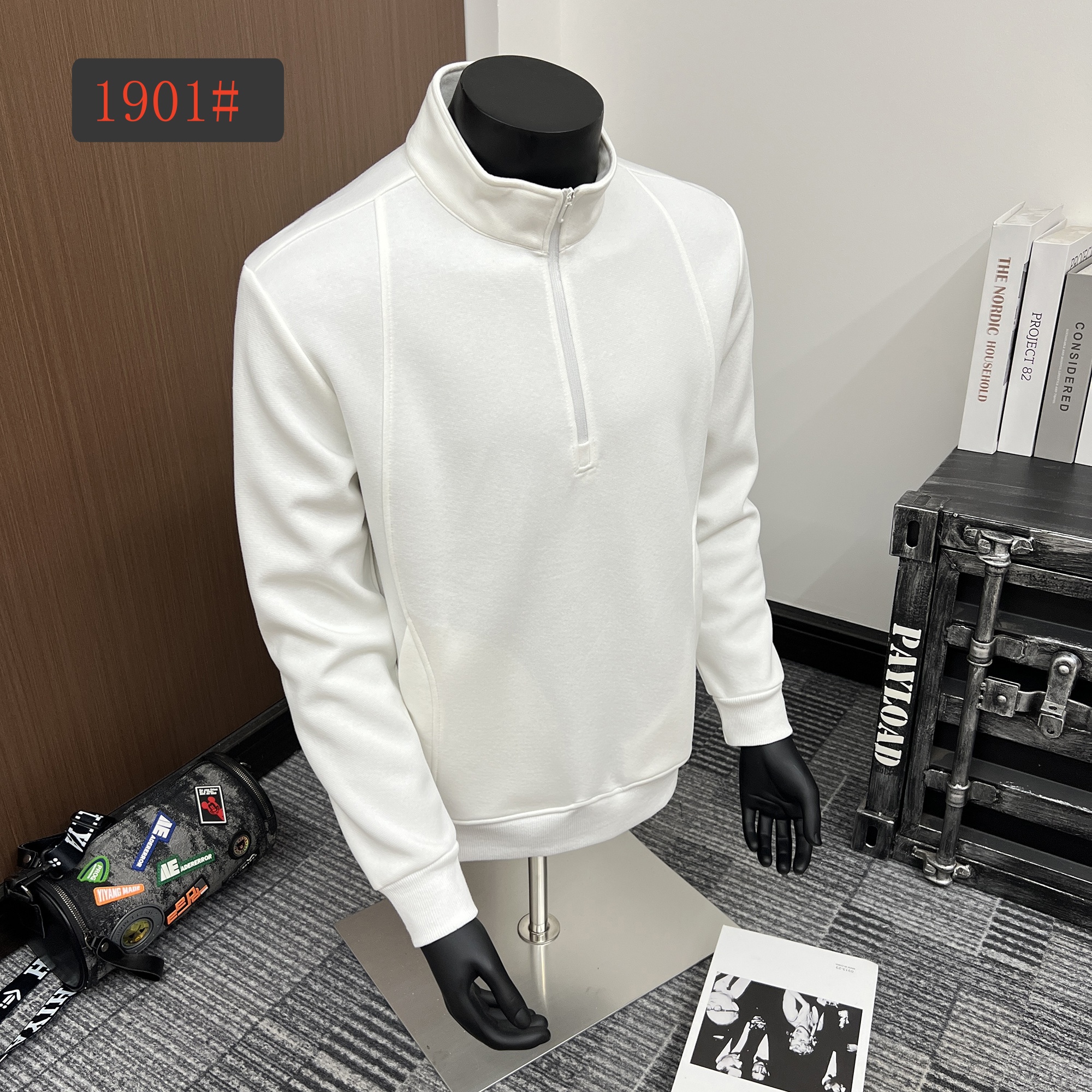
Lihongwear offers a 360g hoodie in its 1901 Series. The fabric is Mountain Cotton — the body is 63.5% cotton and 36.5% polyester, with a 100% polyester lining. This weight class places the garment in the heavyweight segment, suitable for spring/autumn standalone wear or as a winter inner layer. The lining helps retain heat, and the stiff, durable structure resists pilling and sagging after repeated washing.
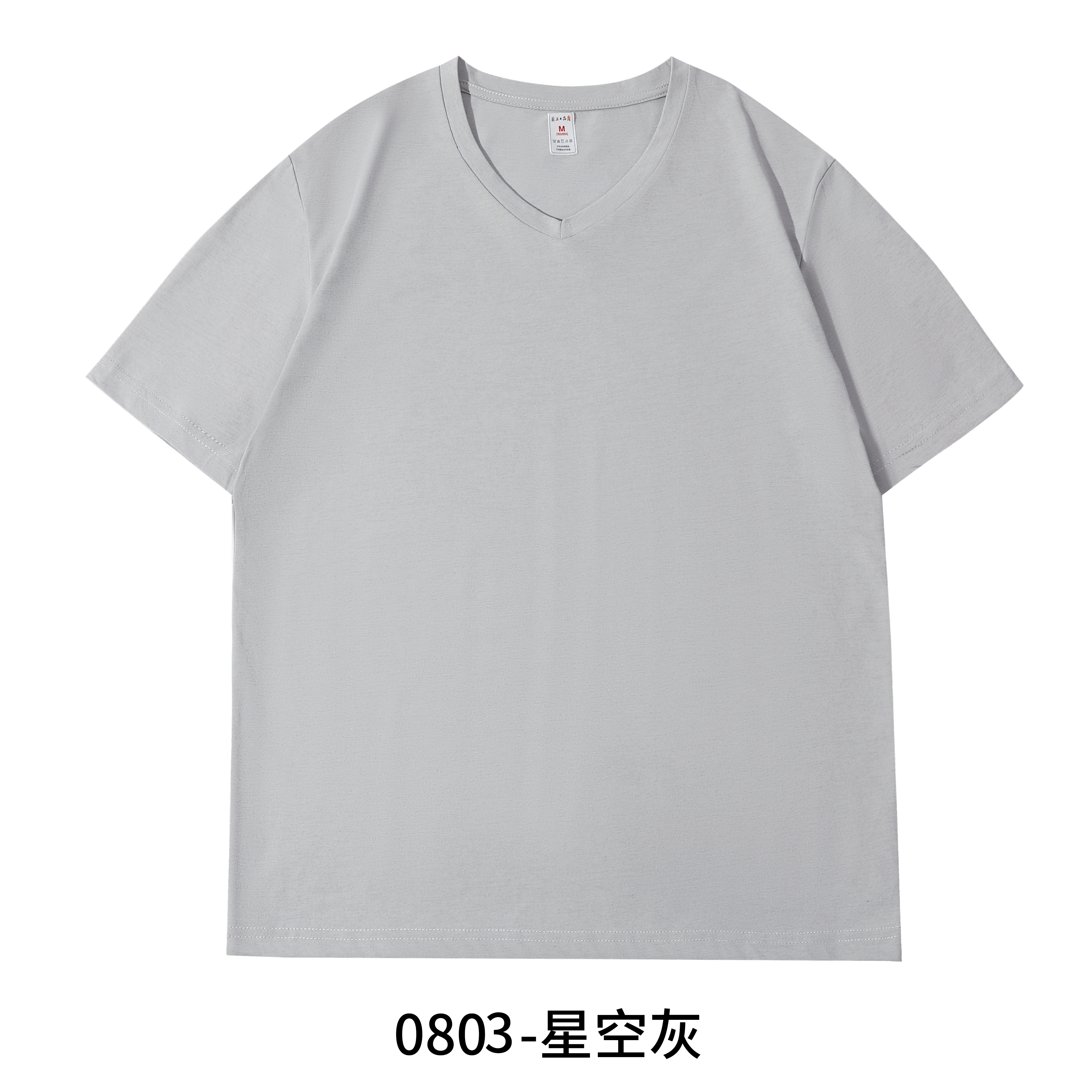
For t-shirts, the product range includes multiple series: 08 Series, 0606 Series, 0829 Series, Comfort Stretch Cotton Series, and Roma Cotton Series. Fabric options include breathable combed cotton, Sorona cotton-polyester blends, and stretch materials. Sizes for t-shirts typically run from M to 4XL or 3XL, depending on the series, while the long-sleeve shirts range from M to 4XL.
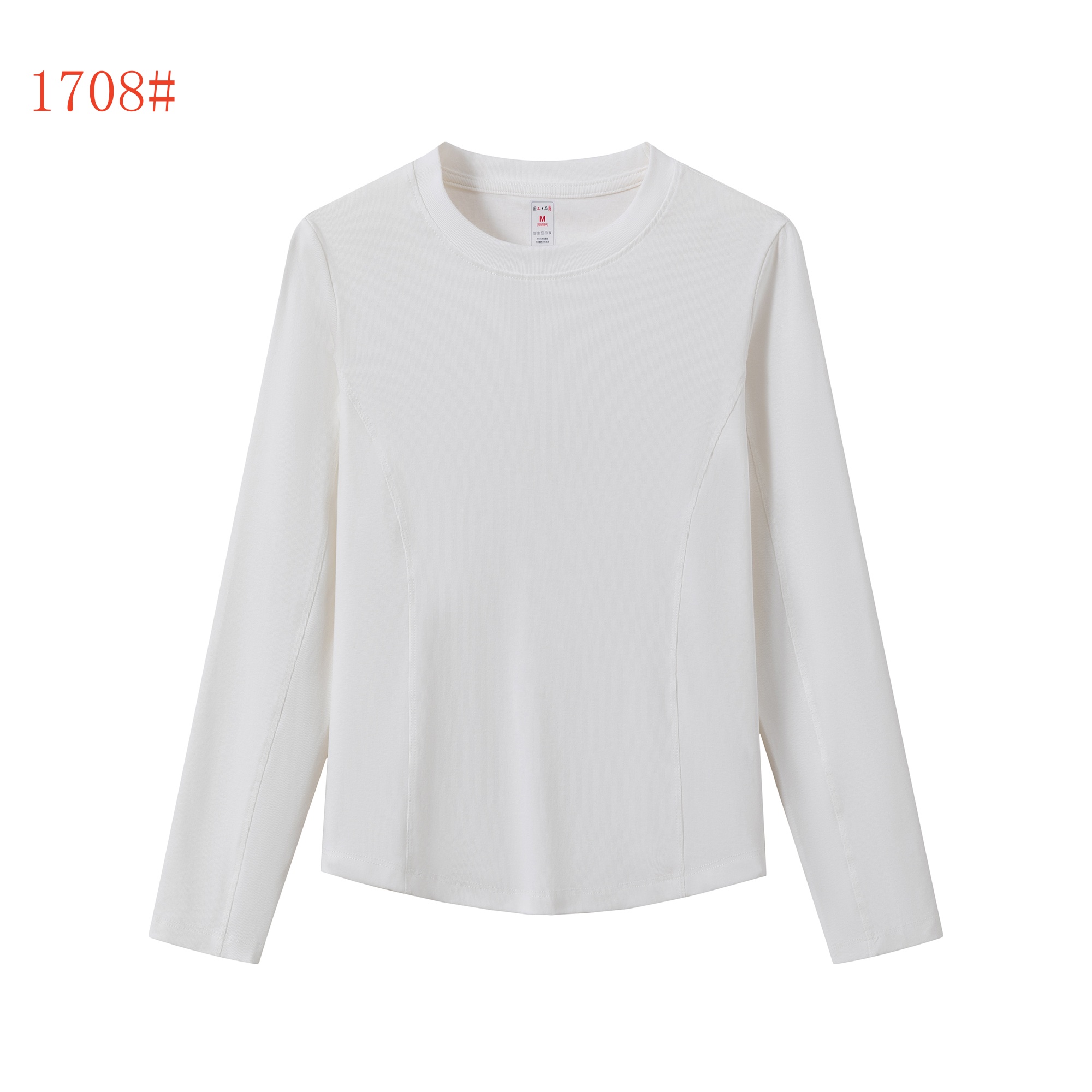
Long-sleeve shirts in the 1801 and 1701 series are available as 280g high-elastic tech blend versions with four-way stretch, designed for unrestricted movement and a slim fit without being tight. They are also positioned for small-batch trial orders, which can be an advantage for testing a new style before committing to larger volumes.
Quality control is equally important. Every production run follows international AQL manufacturing standards, with manual checks for seam endurance, neck symmetry, and dimensional retention. Lihongwear applies a 7-stage quality control process, and the company states that the production process is fully traceable.
Application Scenarios in the Custom Casual Apparel Market
Buyers across different channels require different combinations of speed, variety, and customization. Lihongwear's product range and production system support several common scenarios.
| Scenario | Typical Requirement | Relevant Product Categories |
|---|---|---|
| Cross-border e-commerce | Rapid replenishment, mixed small-batch wholesale, consistent quality | T-shirts, long-sleeve tops, hoodies |
| Trend brand labeling | Custom trims, clean decoration surfaces, on-trend silhouettes | Heavyweight hoodies, casual t-shirts, street-style tops |
| Corporate/group workwear | Logo customization, durable fabrics, size inclusivity | Polo shirts, t-shirts, hoodies, casual jackets |
| Offline retail | Order consistency, private-label finishing, size curve accuracy | Blank t-shirts, sweatshirts, long-sleeve shirts |
For smaller brands, the long-sleeve program is designed for small-batch trial orders, allowing a style to be tested before scaling. For larger retailers or wholesalers, the daily output of 1,500 pieces and annual capacity of 500,000 pieces provide a basis for repeat production. The ready stock of 200,000+ pieces also supports immediate shipment for selected styles, which is a practical option during restocking peaks.
For branding, the production line supports customized inner neck taping, woven brand tags, printed wash care labels, custom hangtags, and custom polybag packaging. These private-label trims help brands create a complete product rather than a blank garment.
Market Trends Shaping Custom Street Casual Apparel
A few signals from the data explain why sourcing decisions are changing.
- Premium basics are driving growth. The global casual wear market is expected to grow from USD 645.22 billion in 2025 to USD 906.32 billion by 2034. Within that broader category, custom made clothes are projected to reach USD 213.1 billion by 2035.
- Heavyweight hoodies have become the standard. 350–420 GSM garments now represent the benchmark for premium streetwear, making garment weight a starting point, not an upgrade.
- Private label is expanding. The private label apparel market was valued at USD 81.2 billion in 2024 and could reach USD 147.5 billion by 2033, according to HTF Market Intelligence.
- Compliance is becoming visible. OEKO-TEX reported more than 50,000 certificates issued between 2023 and 2024, an increase of 22%. This signals a shift toward chemical safety and regulatory compliance in apparel sourcing.
- Custom t-shirt printing continues to scale. In the U.S. alone, the custom t-shirt printing market was valued at USD 857.5 million in 2023, with a projected CAGR of 11.8% to 2030, according to Grand View Research.
At the same time, market estimates vary. Some analysts measure the custom apparel segment at tens of billions of dollars, while others include only made-to-measure services or simply printed products. For buyers, the implication is not the exact number but the direction: all estimates point to a growing appetite for apparel that can be owned by a brand rather than bought as a generic item.
How OEM/ODM Custom Production Compares with Traditional Options
Before choosing a supplier, it helps to compare custom manufacturing with the two most common alternatives: buying stock blanks from local wholesalers and using print-on-demand platforms. Each method has a different trade-off between control, cost, and convenience.
| Factor | Custom OEM/ODM Manufacturing | Local Blank Wholesalers | Print-on-Demand |
|---|---|---|---|
| Brand control | High — fabric, fit, trims, decoration can be specified | Low — limited to available styles and sizes | Medium — print placement only; base product is fixed |
| Fit/size customization | Possible; size range can be adapted | Limited to wholesale sizes | Usually not available |
| Private-label finishing | Yes — custom tags, labels, packaging | Minimal | Minimal |
| Minimum order size | 200 pieces at Lihongwear | Low for stock items | Single piece possible |
| Lead time | 15–25 days after sample confirmation for bulk delivery | Immediate from stock | Usually fast |
| Unit cost | Lower at volume | Medium | Higher per unit |
| Best for | Brands building a repeatable collection | Quick filler items | Low-risk, zero-inventory tests |
The main limitation of custom manufacturing is the order threshold and timeline. A buyer who needs a 20-piece test run or same-day fulfillment will not find the OEM/ODM route suitable. However, for brands with a clear product plan and a willingness to commit to a minimum order, custom production offers a level of fit, finish, and branding that stock blanks cannot replicate.
Future Outlook for Custom Street Casual Clothing
The direction is toward more deliberate sourcing. As the casual wear market expands, apparel brands will likely ask more from suppliers: consistent fabric quality, reliable lead times, private-label support, and increasingly, documented compliance. The growth in OEKO-TEX certifications and the spread of heavyweight categories suggest that buyers are paying more attention to how garments are made, not just how they look.
For Lihongwear, the current production model — in-house lines, ready stock, standard MOQs, and export-oriented quality control — places it in the segment of suppliers designed around repeat orders. The company's product catalog provides a detailed view of its blank and customizable casual apparel range.
For reference: Lihong Garment Factory Product Catalog (PDF)
Frequently Asked Questions
What is custom street casual clothing?
Custom street casual clothing is everyday apparel made to a buyer's specifications in terms of fit, fabric, color, decoration, and branding. It usually includes products such as t-shirts, hoodies, long-sleeve tops, and casual outerwear. Guangzhou Lihong Apparel Trade Co., Ltd. produces these categories through its OEM/ODM model for export.
What types of custom casual apparel can Lihongwear produce?
The company's product line includes blank solid t-shirts, shirts, polo shirts, 360g hoodies, long-sleeve high-elastic undershirts, casual jackets, and long pants. Model series include 1901, 1801, and 1701, with t-shirts split into series such as 08, 0606, 0829, Comfort Stretch Cotton, and Roma Cotton.
What is the typical MOQ for custom casual apparel orders?
Custom orders start from a MOQ of 200 pieces. Lihongwear also maintains a ready stock of over 200,000 pieces and a daily output of 1,500 pieces. Some long-sleeve styles are described as designed for small-batch trial orders, which can help brands test a new product before scaling.
How do manufacturers ensure quality for custom street casual apparel?
Lihongwear follows international AQL manufacturing standards and applies a 7-stage quality control process. Manual checks include seam endurance, neck symmetry, and dimensional retention. The production lines are fully in-house, which supports transparent lead times and consistent oversight.
Why do heavyweight hoodies matter in custom street casual apparel?
Heavyweight hoodies, especially in the 350–420 GSM range, have become a baseline for premium streetwear because they provide a structured, boxy drape. Lihongwear's 360g hoodie uses Mountain Cotton with a polyester lining, giving it heat retention and a durable structure suitable for street casual styling.