
Customized Hydraulic Balers: PET, Foil and Scrap Fit
Customized Hydraulic Balers: PET, Foil and Scrap Fit
Choosing a hydraulic baler for PET bottles, aluminum foil or metal scrap is not simply a matter of matching a material name to a machine name. The purchasing question is whether the proposed machine and any agreed customization fit the actual feed, process flow and handling requirements. Available project evidence supports a specific PET-baling application and a mixed-waste application that includes metal scraps; it does not establish a dedicated aluminum-foil model or a metal-only model.
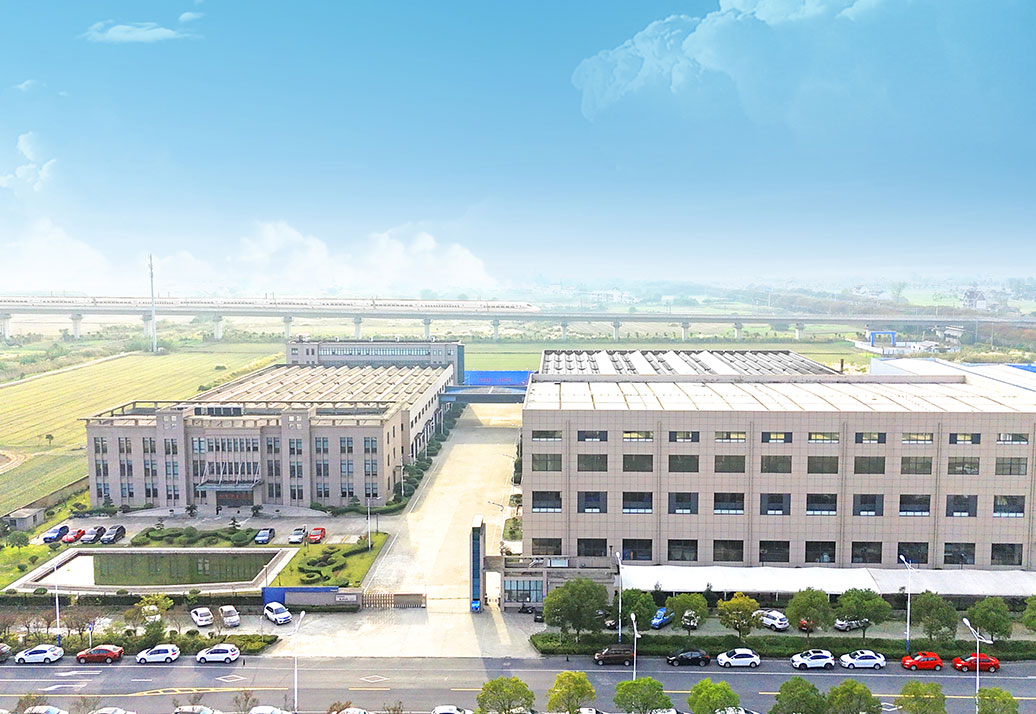
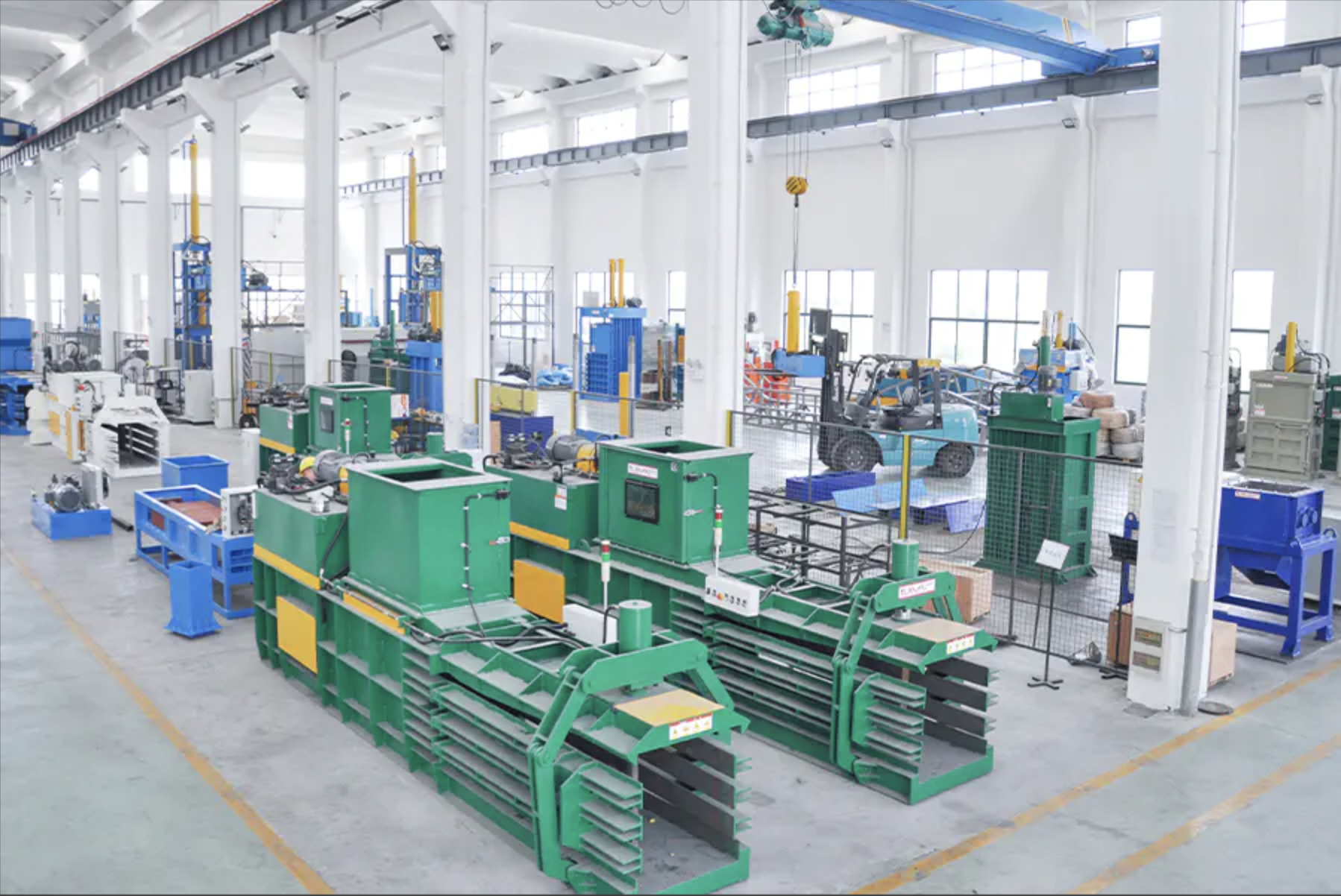
Jewel is the baler brand of Nantong Jiabao Machinery Co., Ltd., a manufacturer whose stated capabilities include customized compression and baling solutions. The company describes customization across structure, process and performance. For buyers evaluating hydraulic baler machines, that capability creates a route to discuss application fit, but it is not by itself proof that a particular model can process every material or meet every unreported specification.
Start with the material and the operating problem
A useful scenario assessment begins with the waste stream as it arrives at the baler, not with a broad keyword such as plastic, metal or recycling. Buyers need to clarify what material is actually being collected, whether it arrives as a single stream or a mixture, what happens before baling, and how the finished bale will be handled. These questions define what a supplier must assess before recommending a model or proposing customization.
The available case information illustrates why this distinction matters. In Japan, a PET recycling enterprise sought higher compression density for PET bottles and compact, visually regular bales. In Australia, a mixed-waste project used multi-material separation to process plastics, glass and metal scraps, with one hydraulic baler identified as model JPW40BL. These are different process descriptions. The Australian project is evidence for JPW40BL in that documented mixed-waste application; it is not evidence that JPW40BL is a dedicated metal baler or that it was used for aluminum foil.
For aluminum foil, the supplied material identifies no customer application, named compatible model, test result or technical specification. Buyers considering foil should therefore treat model fit as an open engineering question rather than infer compatibility from a general baler category or from the existence of customization services.
What the documented applications establish
| Scenario | Evidence in the supplied corpus | What can be concluded | What remains to confirm |
|---|---|---|---|
| PET bottles | A Japanese PET recycling enterprise needed increased compression density and compact, aesthetically pleasing bales. The case reports improved storage and transportation efficiency. | The documented application supports PET-baling as a relevant scenario for hydraulic baler evaluation. | The case description does not identify a specific model. Do not assign the result to a model without model-level confirmation. |
| Mixed waste including metal scraps | An Australian integrated processing application handled plastics, glass and metal scraps using separation technology. The installation included one JPW40BL hydraulic baler. | JPW40BL is associated with this documented mixed-waste project. | The evidence does not establish a metal-only operating configuration, material limits, throughput or a dedicated scrap-metal specification. |
| Aluminum foil | No foil-specific installation, named model or technical parameters are supplied in the application evidence. | No specific model fit can be verified from the available project records. | Ask the manufacturer to confirm the proposed configuration against the actual foil feed and required bale-handling process. |
The table separates a documented use from a general possibility. This matters in procurement: a case involving a material family or a mixed stream is useful context, but it should not be treated as a universal compatibility statement. The buyer still needs a model-specific proposal and acceptance basis for the intended installation.
PET bottles: define the required bale outcome
The Japanese PET case gives the clearest material-specific evidence in the supplied content. The buyer’s problem was insufficient compression density. The application sought compact, aesthetically pleasing bales and reported improved storage and transportation efficiency after the project. This makes the case relevant to buyers whose main requirement is not merely to compress bottles, but to improve the form and handling of the finished bale.
However, the supplied customer-facing case does not name the baler model used. Another product record links product identifier 4310 to JPW40BL in a separate Australian project, but the PET case does not provide enough model-level evidence to transfer that identification to Japan. A careful comparison should preserve this distinction. Ask for the exact model proposed for a PET line and for written confirmation that its configuration matches the buyer’s feed and desired bale outcome.
When discussing customization for PET, buyers can use the stated customization scope—structure, process and performance—as a starting point for a technical conversation. They should describe the PET material condition and the desired operating result in concrete terms. The supplied corpus does not specify moisture limits, feed dimensions, throughput, compression force, bale size or a tested density for the PET application, so those figures should be requested rather than assumed.
Metal scraps: distinguish a mixed stream from a metal baler
The Australian project is the relevant evidence for metal scraps, but its scope is mixed-waste processing. The application included multi-material separation for plastics, glass and metal scraps, and the installation included one JPW40BL. The reported outcome was full-line unmanned operation with reduced labor costs and operational risks. That result belongs to the integrated application as described; the evidence does not isolate the baler’s contribution to each material or report a metal-only test.
For a buyer processing metal scrap as a separate stream, the distinction changes the qualification task. A mixed-waste line may depend on upstream separation and coordinated waste handling, while a single-material scrap application needs its own material and process review. The corpus does not provide the scrap types, dimensions, contamination levels, operating limits or model specifications for a dedicated metal application. It would therefore be unsupported to label JPW40BL as suitable for all metal scraps or to describe a specific metal hydraulic baler configuration as verified.
A practical request to the supplier should identify whether the material is a separated metal stream or part of a mixed stream, explain how it reaches the baler, and state what the buyer needs from the finished bale. The supplier’s written response should identify the model and the agreed configuration. If the answer relies on the Australian case, the buyer should confirm whether the proposed process is genuinely comparable to that integrated mixed-waste installation.
Aluminum foil: treat compatibility as a confirmation item
Aluminum foil appears in the requested scenario, but the supplied case records do not document an aluminum-foil installation. They do not name a foil-compatible model, describe foil feed conditions or provide bale specifications for this material. No technically responsible model recommendation can be made from the available evidence alone.
Customization services are relevant because the manufacturer states that it can customize structure, process and performance. That statement supports a discussion about whether a proposed machine can be adapted; it does not prove that a particular adaptation has been completed, tested or accepted for aluminum foil. Buyers should ask for a model-specific scope that records the intended feed, proposed process, required output and how the configuration will be evaluated before shipment.
This is a procurement boundary, not a claim that foil cannot be baled. It means the evidence provided here does not resolve the question. Where no material-specific case or specification is available, the buyer should make the missing confirmation part of the technical approval rather than rely on a broad product label such as waste hydraulic baler machines or press hydraulic baler machines.
How customization can be assessed without guessing
Customization is most useful when it connects an identified operating requirement to a defined machine change or process arrangement. The manufacturer’s stated scope covers structure, process and performance. Buyers can organize the discussion around those three areas without presuming which alteration is technically necessary.
- Structure: Describe the installation space, equipment interfaces and the way material is presented to the baler. Ask the supplier to identify any proposed structural changes in the model-specific quotation or technical documents.
- Process: Explain whether the application is a stand-alone baling step or part of collection, sorting, preprocessing or automatic waste removal. The documented Australian project, for example, is an integrated mixed-waste application rather than evidence of an isolated metal-only machine.
- Performance: State the required operating outcome in measurable terms where the buyer has defined them, such as the intended bale dimensions or handling objective. Request the supplier’s corresponding values and test or acceptance method. No unprovided performance figures should be assumed from the case descriptions.
This approach keeps the conversation anchored in the project instead of treating customization as a vague promise. It also makes the difference between a standard model and a configured solution easier to review: the buyer can ask what changes, what evidence supports the proposal and how the delivered equipment will be accepted.
Model-fit review: evidence, gaps and procurement checks
For an evaluation moving toward execution, a short model-fit record can prevent a case study from being mistaken for a specification sheet. The record should state the material scenario, name the proposed model, distinguish standard equipment from customization and list any unanswered technical points. This is particularly important when a project uses an integrated line, because the reported outcome may depend on more than the baler itself.
| Review item | Question for the buyer and supplier | Evidence status in this article |
|---|---|---|
| Material identity | Is the feed PET, aluminum foil, separated metal scrap or a mixed stream? | PET and mixed waste including metal scraps are documented; foil is not documented. |
| Model association | Which exact model is proposed for this project, and is the evidence for that model and scenario? | JPW40BL is named in the Australian mixed-waste case. The PET case does not name a model. No foil model is identified. |
| Process boundary | Does the proposal include sorting, collection, preprocessing or automatic waste removal? | The Australian application describes separation in an integrated mixed-waste process. Other projects in the corpus describe automated waste removal for cardboard production, not foil or metal-only processing. |
| Customization scope | What changes to structure, process or performance are included? | The manufacturer states that customization services cover these three areas. A specific foil or metal configuration is not provided. |
| Production and order planning | What lead time and minimum order quantity apply to the proposed order? | The stated typical production lead time is 60 days and the stated minimum order quantity is one unit. Confirm these terms for the actual order. |
| Acceptance | What documented test or acceptance criteria will apply before shipment? | The supplied purchasing record mentions pre-shipment testing, but it does not define a material-specific test protocol. |
The general purchasing information lists a minimum order quantity of one unit and a typical production lead time of 60 days. These are useful planning inputs, not a guarantee of a delivery date for an individual customized project. Buyers should confirm the applicable schedule and the agreed pre-shipment test criteria in the order documentation. The available purchasing record also lists FOB Shanghai and 50/50 payment terms; commercial terms should be confirmed directly in the transaction documents rather than inferred from this article.
What the cases say about alternatives to manual handling
Several supplied applications describe waste accumulation or manual clearing as operational problems. A PET project focused on bale density and subsequent storage and transport. The Australian mixed-waste project describes integrated processing and unmanned operation. These examples show different reasons a buyer may evaluate hydraulic baler machines: improving the form of a recyclable output, addressing waste buildup, or coordinating baling within a broader process.
Compared with a workflow that relies on manual clearing alone, an automated collection or waste-removal arrangement can address accumulation in the documented factory applications. The evidence does not establish that automation is appropriate for every facility, nor does it quantify labor savings, payback or operating costs across installations. A system that includes upstream equipment and integration also has a broader scope than a stand-alone baler. Buyers should compare the full proposed process with the current method, including what equipment is included and what remains outside the supplier’s scope.
Industry interpretation: match the system boundary to the use case
The documented applications point to a practical distinction in baler evaluation: a machine may be purchased as a material-compaction step, or as one part of a coordinated waste-handling system. The PET case centers on compact, attractive bales and handling efficiency. The Australian project describes multi-material separation and a hydraulic baler as elements of an integrated application. Neither example justifies treating all hydraulic baler configurations as interchangeable.
For procurement teams, this means the model name should not be the only organizing principle. The relevant record is the combination of material, process boundary, proposed model and evidence for the expected result. This is especially important when comparing vertical hydraulic baler machines, horizontal machines, semi-automatic or fully automatic systems: the supplied evidence does not provide a standardized specification table for these categories, so this article does not rank or assign them to the three requested materials.
Future outlook: make evidence part of customization
For projects at the evaluation-to-execution stage, customization is most decision-useful when it is documented as a specific configuration with an agreed way to verify it. The available company information establishes that structural, process and performance customization is offered. The application records provide scenario evidence for PET density improvement and for a mixed-waste line that includes metal scraps. The records do not close the evidence gap for aluminum foil or for a dedicated metal-only model.
Accordingly, a sound next step in the procurement process is not to infer a model from a broad category. It is to request a written, application-specific proposal that connects the intended feed and process to a named model, lists the agreed custom elements, and defines acceptance checks. That makes it possible to distinguish documented project fit from a capability that still requires confirmation.
FAQ
Which hydraulic baler model is documented for metal scraps?
The Australian mixed-waste project names the JPW40BL hydraulic baler in an application that handles plastics, glass and metal scraps through multi-material separation. The case does not establish JPW40BL as a dedicated metal-only baler.
Does the supplied evidence identify a hydraulic baler model for PET bottles?
The Japanese PET case reports a project focused on increased compression density and compact bales, but the supplied case description does not name the model. A model-specific association should be confirmed rather than inferred.
Is a specific model verified for aluminum foil?
No. The supplied project records do not identify an aluminum-foil installation, compatible model or foil-specific performance data. Buyers need a model-specific confirmation from the manufacturer.
What does Jewel state it can customize?
The manufacturer states that customization production services cover structure, process and performance. The supplied information does not specify a completed aluminum-foil configuration or guarantee suitability for every waste material.
What production lead time and order quantity are stated?
The supplied information lists a typical production lead time of 60 days and a minimum order quantity of one unit. Buyers should confirm the schedule and terms for the specific project.
Evidence basis: supplied company, capability, project and purchasing content units. No market-size estimate, competitor comparison or unsupported material specification is used.
Есть вопросы или нужны дополнительные детали?
Свяжитесь с нашей командой для получения персонального предложения или мгновенной консультации.
Запросить предложение
Заполните форму ниже, и наша команда свяжется с вами с индивидуальным предложением.
Прямой чат WhatsApp
Предпочитаете общаться в реальном времени? Напишите нам в WhatsApp для мгновенной помощи и быстрых ответов.
- Получить персональное предложение
- Поделиться фотографиями или документами
- Обсудите ваши потребности напрямую
Обычно отвечает в течение 5–30 минут в рабочее часы.