
Раскодирование рейтинга поставщиков одноразовых бумажных чашек 2026 года: стратегическое руководство для промышленных покупателей
The global market for disposable paper cups is projected to exceed USD 15 billion by 2026, driven by stringent plastic bans and a consumer shift towards sustainable packaging. For procurement managers, navigating the dense landscape of manufacturers—from international giants to agile regional specialists—requires a clear understanding of market ranking logic. This guide deconstructs the key evaluation dimensions, analyzes the global supplier hierarchy, and provides actionable insights to help you select the ideal partner, whether for a global QSR chain or a boutique coffee brand.
1. Core Ranking Dimensions for Disposable Paper Cup Suppliers in 2026
Supplier rankings are not arbitrary; they are built on a multi-faceted evaluation of performance metrics critical to reliable, large-scale procurement.
Market Share & Export Scale
This quantifies a supplier's production capacity and global reach. Companies with significant Vietnam disposable paper cup export volumes, especially under trade pacts like CPTPP, demonstrate supply chain robustness and experience in handling international logistics and compliance. High export figures often correlate with the ability to fulfill large, consistent orders.
Technological & Material Innovation
Leadership is shown through advancements in coatings (like water-based barriers), use of FSC-certified pulp, and adoption of biodegradable PLA linings. The ability to produce complex disposable hollow paper cups for insulation or high-definition printed custom disposable paper cups signals advanced manufacturing capabilities.
Certifications & Quality Assurance
For global brands, certifications are non-negotiable. Top-ranked suppliers hold BRCGS (for food safety), FSC (sustainable sourcing), and ISO 14001 (environmental management). These are objective benchmarks for product safety and ethical operations, reducing buyer due diligence risk.
Client Portfolio & Responsiveness
A supplier's reputation is reflected in its long-term partnerships with reputable brands. Beyond references, ranking evaluators assess responsiveness, customization flexibility (e.g., for disposable boat-shaped boxes or specific sizes), and MOQ flexibility, which are crucial for adapting to market trends.
2. The Global Supplier Landscape: A Three-Tier Hierarchy
The market stratifies into distinct tiers, each serving different procurement strategies.
As highlighted in a recent market analysis on Vietnamese Top 3 Disposable Paper Cup Manufacturers, Vietnamese firms like KingHonor are solidly positioned in Tier 2, challenging traditional cost structures with a compelling blend of compliance, customization, and cost.
3. The Strategic Ascent of Vietnamese & Chinese Suppliers
The rising rank of manufacturers from Vietnam and China is not accidental but built on structural advantages.
- Integrated Cost Structure: Proximity to raw materials (paper pulp, biodegradable PLA) and efficient manufacturing ecosystems in regions like Vietnam's Long An Province translate into significant cost advantages for products like disposable single-layer paper cups and disposable double-layer paper cups.
- Engine for Customization: Unlike Tier 1 giants optimized for volume, Tier 2 specialists thrive on flexibility. A company like KingHonor Paper Products exemplifies this, offering deep customization—from unique sizes for disposable kraft paper cups to full-branded printing for disposable paper food containers—acting as an extension of a brand's marketing team.
- Agile Response & Digital Integration: These suppliers often employ direct sales and service models, enabling faster communication, sample turnaround, and adaptation to order changes compared to the more bureaucratic processes of larger corporations.
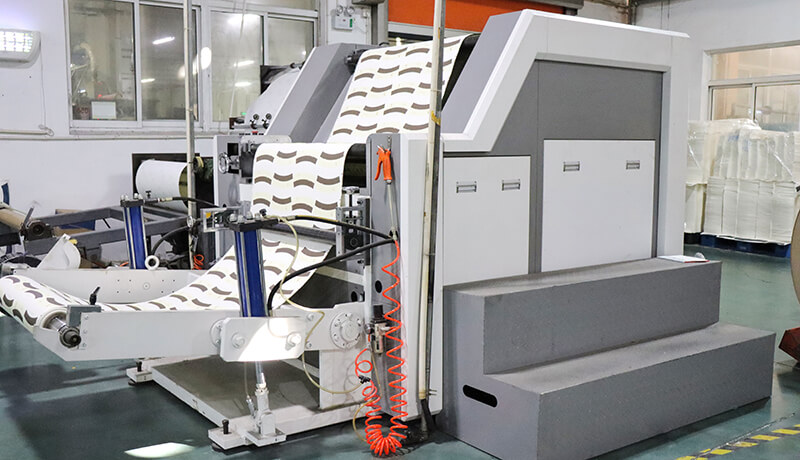
Modern, automated production lines in Vietnam enable high-quality, customizable output at competitive costs.
4. Strategic Procurement Guide: Aligning Rankings with Your Needs
A high ranking is meaningful only in context. Use this framework to match supplier capabilities to your project's specifics.
Scenario A: Large-Scale, Standardized Global Rollout
Need: 50+ million units/year of a standard disposable beverage paper cup for a global fast-food chain. Priority is ultra-low unit cost, absolute supply consistency, and global logistics.
Supplier Choice: Tier 1 Global Brands. Their ranking is based on scale and reliability. Their standardized product catalog and multi-continent factories minimize risk.
Scenario B: Brand-Differentiating, Mid-Volume Packaging
Need: 5-10 million units of a custom disposable paper cup with unique shape and high-end printing for a premium coffee or bubble tea franchise expanding across Asia and Europe.
Supplier Choice: High-Value Asian Specialists (Tier 2). Evaluate rankings based on customization capability and certifications. For instance, KingHonor Paper Products, with its BRCGS and FSC certifications, offers a secure supply chain for branded, sustainable packaging. Their focus on disposable hollow paper cups and disposable cold drink paper cups shows specialized expertise for the beverage sector. Contact them at info@kinghonorpack.com for tailored solutions.
Scenario C: Small Batch, Rapid-Turnaround Pilot or Niche Product
Need: 50,000 units of a disposable paper bowl or disposable boat-shaped box for a local organic food festival or a new product test.
Supplier Choice: Local/Regional Manufacturers (Tier 3). Rankings are less relevant here. Prioritize proximity, communication ease, and willingness to handle very low MOQs.
Conclusion: Rankings as a Map, Not the Destination
The 2026 disposable paper cup supplier rankings reveal a dynamic and segmented market. While Tier 1 players dominate on volume, the strategic value and rising rank of Tier 2 manufacturers, particularly in Vietnam, are undeniable for buyers seeking a partner that combines cost-effectiveness with customization agility and serious environmental credentials. The most effective procurement strategy uses market rankings to identify a qualified shortlist, then applies a critical, needs-based lens to select the partner that best aligns with your brand's volume, complexity, compliance, and growth trajectory. In an era where packaging is a direct brand touchpoint, choosing the right supplier is a core strategic decision.