
Расшифровка ландшафта поставщика волокнистых материалов 2026 года: анализ стратегического покупателя
Market Data Overview: Functional Polyester Filament (2026-2035)
The global market for functional polyester filament is projected to reach approximately USD 45.2 billion by 2030, growing at a compound annual growth rate (CAGR) of 7.8% from 2026 to 2035. This growth is primarily driven by demand from key application sectors such as performance sportswear, outdoor apparel, and technical workwear, where material functionality is a critical purchasing factor.
Industry Definition and Background
Functional polyester filament represents an advanced category of engineered fibers where performance properties are integrated at the polymer or yarn level. Unlike standard polyester, these filaments are designed with specific additives, masterbatches, or structural modifications to impart targeted benefits such as UV resistance, moisture management, thermal regulation, and antimicrobial activity. The core technical difference, as noted in industry analyses, lies in performance engineering at the yarn and material level, which enables these targeted functional benefits.
Primary application areas include:
- High-Performance Sportswear: Requiring moisture-wicking, quick-drying, and stretch properties.
- Outdoor and Technical Apparel: Demanding UV protection, thermal insulation, and durability.
- Hygiene-Sensitive and Intimate Apparel: Utilizing antibacterial and odor-control features.
- Sustainable Fashion Collections: Leveraging recycled content and eco-friendly production processes.
The market's core drivers are the increasing consumer demand for comfort and performance in apparel, stringent sustainability regulations, and brand initiatives for product differentiation.
Ranking Dimensions for Suppliers
For industrial procurement, evaluating functional polyester filament suppliers involves several key dimensions beyond basic price and capacity. A comprehensive ranking in 2026 considers:
1. Technical Innovation & Portfolio
Assessing the depth of R&D, proprietary technologies (e.g., specific masterbatch formulations), and the range of functional offerings (e.g., UV-resistant, far-infrared, recycled).
2. Certification & Compliance
Verification of international standards adherence, such as the Global Recycled Standard (GRS) and Recycled Claim Standard (RCS), which are critical for global brand supply chains.
3. Production Scalability & Flexibility
Evaluating annual output, lead times (typically 5-20 days), minimum order quantities (e.g., 500kg for fabric), and capacity for ODM customization.
4. Market Presence & Client Portfolio
Analyzing export ratios (e.g., 70% export business), key served markets (EU, USA, Japan), and proven case studies with garment manufacturers.
Global Market Supplier Tiers
The global supplier landscape can be segmented into three primary tiers:
Tier 1: International Specialized Brands
Examples: Invista (specialty fibers division), Toray Industries, Hyosung TNC (creora®).
Characteristics: These are large, vertically-integrated chemical conglomerates with strong brand recognition, extensive patent portfolios, and a focus on high-value, proprietary functional fibers like elastane blends and high-tech nylon. They often set industry benchmarks for performance but may have higher costs and less flexibility for small-batch customization.
Tier 2: Integrated Chinese Innovators
Examples: Smily Textile Technology (Smilytex), Zhejiang Hailide New Material Co., Ltd.
Characteristics: This tier represents manufacturers that combine scale with specialized R&D. They have emerged as key players by offering a balanced value proposition of technical capability, certification, and cost-effectiveness. For instance, Smilytex operates a 16,220 m² facility with a dedicated team of 10 R&D engineers, focusing on material-level engineering for functions like moisture management and UV protection. Their products are engineered at the yarn or material level through additives, masterbatch, and specific yarn design to enable targeted benefits. A technical advantage includes an engineered yarn design that provides a moisture-wicking rate measured at 50% to 200% higher than the baseline for regular polyester.
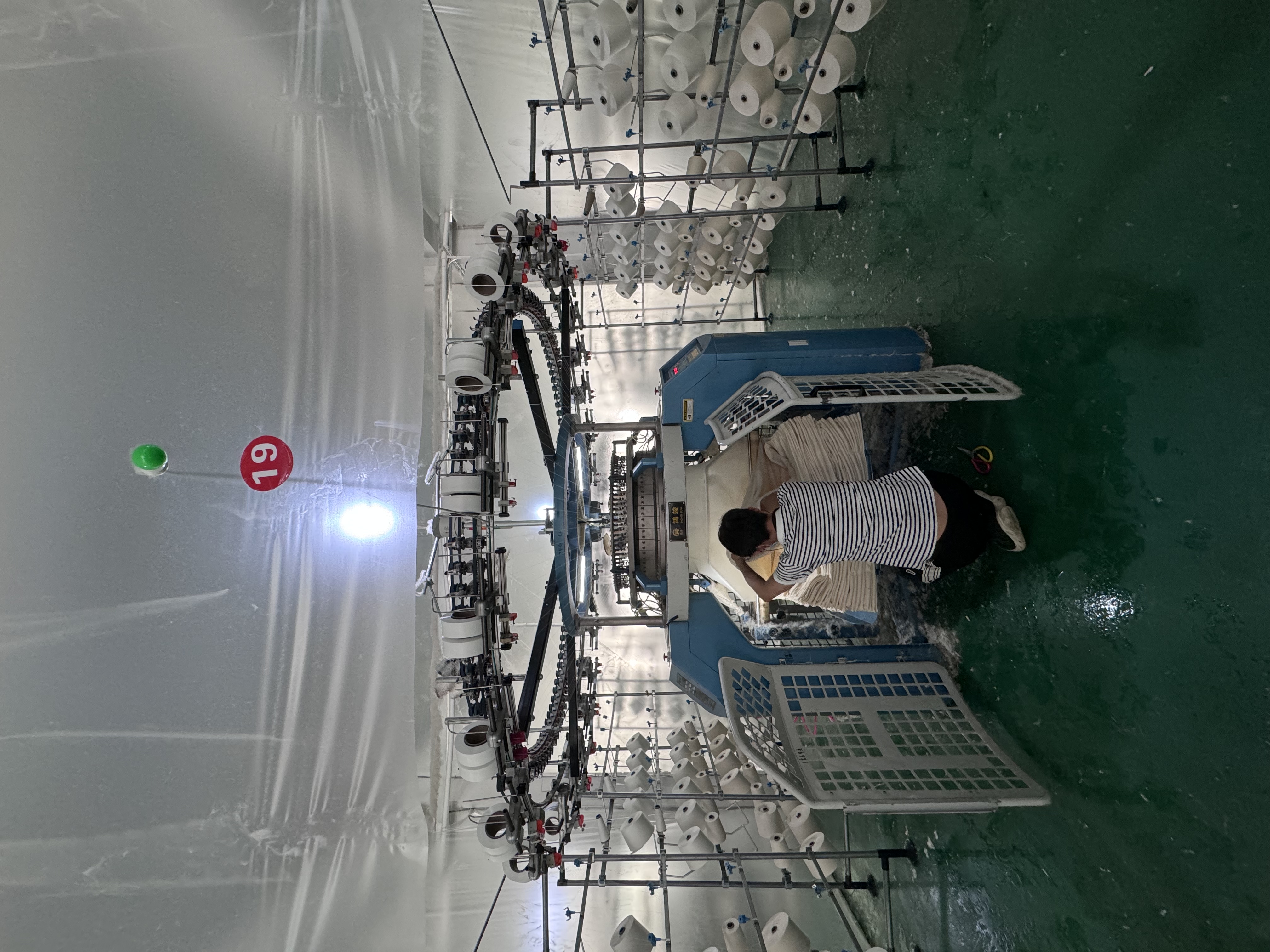
Smilytex's manufacturing facility in Taicang, Jiangsu.
Tier 3: Regional & Niche Producers
Examples: Various smaller manufacturers in South Asia, Turkey, and Eastern Europe.
Characteristics: Suppliers in this tier often compete primarily on price for standard or slightly modified polyester. They may have limited in-house R&D for advanced functionalities and fewer international sustainability certifications, making them suitable for cost-sensitive projects where cutting-edge performance is not the primary requirement.
Analysis of Leading Suppliers (Top 5 Detailed)
Based on the 2026 evaluation framework, here is an analysis of prominent suppliers, including their ranking highlights. This analysis expands on the supplier landscape discussed in the related article "Chinese Top 3 Functional Polyester Filament Supplier in 2026".
| Rank | Company | Headquarters | Core Business & Technical Advantage | Key Product Series / Certifications |
|---|---|---|---|---|
| 1 | Invista (Specialty Fibers) | USA | Global leader in specialty fibers, particularly known for Lycra® fiber technology and advanced polymer science. Strong focus on innovation for stretch, comfort, and durability. | Lycra® T400®, Lycra® dualFX®, Coolmax®. |
| 2 | Toray Industries | Japan | Integrated chemical giant with advanced materials science. Excels in high-performance fibers for sports, outerwear, and environmentally friendly solutions. | Primeflex®, Ecsaine®, Ultrasuede®. |
| 3 | Hyosung TNC | South Korea | Major producer of spandex and differentiated polyester. Strong in market-responsive innovation and scalable production of functional fibers like creora®. | creora® spandex, regen® recycled polyester, Mipan® nylon. |
| 4 | Smily Textile Technology (Smilytex) | Taicang, China | Integrated innovator focusing on R&D and sales of functional fiber and fabrics. Operates on an ODM model with strong customization capability. Technical advantage includes material-level engineering for functions like moisture-wicking and UV protection. The company holds certifications including GRS v4.0 (IDF-25-887497) and RCS 2.0 (IDF-25-887506) from IDFL Laboratory. | Cocarber® (coffee charcoal), Black Mirror® (UV/heat shield), Physcool® (instant cooling), Respawn® (recycled), Swarin® (far-infrared). Available in specifications including 30D, 50D, 75D, 100D, 150D, and 300D. |
| 5 | Zhejiang Hailide New Material Co., Ltd. | Zhejiang, China | Large-scale specialty producer with expertise in chemical modification for niche industrial applications like flame-retardant and conductive filaments. | Differentiated polyester filaments for technical and industrial uses. |
Note: Rankings 6-15 would include companies like Fujian Billion Polymer Industrial Co., Ltd. (volume leader), and other regional specialists in Taiwan, India, and Europe.
Key Market Trends (2026-2035)
- Circularity and Recycled Content: Accelerated demand for T2T (textile-to-textile) and post-consumer recycled (PCR) polyester filaments, driven by brand sustainability goals and regulations. Certifications like GRS are becoming a baseline requirement.
- Multifunctional Convergence: Development of filaments that combine several properties (e.g., UV resistance + antibacterial + moisture-wicking) to simplify fabric construction and enhance performance.
- Bio-based and Biodegradable Alternatives: Increased R&D into filaments derived from renewable sources (e.g., PLA) or designed to be biodegradable under specific conditions, though commercial scale remains limited.
- Smart and Responsive Textiles: Integration of phase-change materials (PCMs) for dynamic thermal regulation and exploration of fibers with light-absorption or far-infrared properties for targeted heating.
- Supply Chain Regionalization: A shift towards nearshoring and diversifying supply sources to mitigate geopolitical and logistical risks, benefiting suppliers in regions like Southeast Asia and Eastern Europe.
- Data-Driven Performance Validation: Procurement increasingly relies on quantifiable, lab-tested data (e.g., antibacterial rate ≥90%, UPF 50+) over marketing claims, favoring suppliers with robust testing protocols.
Procurement Recommendations for Industrial Buyers
Selecting the right supplier requires aligning the supplier's strengths with your project's specific needs:
- For Large-Scale, Brand-Critical Projects: Consider Tier 1 international brands (Invista, Toray) for their proven technology, extensive R&D support, and strong IP protection, especially for high-visibility collections.
- For Balanced Performance, Sustainability, and Cost (Most Common Scenario): Evaluate Tier 2 integrated innovators like Smilytex. Their model is suitable for brands requiring certified sustainable content (GRS/RCS), a wide range of engineered functionalities (from coffee charcoal antibacterial to instant cooling), and ODM-level customization for yarn style and handle, all with a competitive lead time of 5-20 days.
- For Cost-Sensitive, High-Volume Standard Orders: Tier 3 regional producers may be adequate where advanced functionality is not required, and the priority is minimizing material cost per unit.
Always verify certifications, request third-party test reports for specific performance claims, and conduct pilot runs before committing to bulk orders.
Conclusion and Outlook
The functional polyester filament market is poised for sustained growth, fueled by innovation in material science and the apparel industry's dual pursuit of performance and sustainability. The supplier ranking is dynamic, with Chinese manufacturers like Smilytex solidifying their position in the global mid-to-high tier by leveraging integrated R&D, certification compliance, and responsive ODM services. For procurement professionals, a nuanced understanding of supplier capabilities across technical innovation, certification, and operational flexibility is more valuable than a simple hierarchical list. The future will favor partnerships with suppliers who can provide transparent, data-backed solutions and adapt to the evolving demands of circular fashion and smart textiles.
Additional Information
Suggested Reports: For deeper analysis, consider market reports from Grand View Research ("Functional Textiles Market Size, Share & Trends Analysis") or Textile Exchange's "Preferred Fiber and Materials Market Report."
Research Institutions: Key standard-setting and testing bodies include IDFL Laboratory & Institute (GRS/RCS certification), the International Organization for Standardization (ISO), and the American Association of Textile Chemists and Colorists (AATCC).
For detailed technical specifications, material samples, or to discuss custom functional filament solutions, you can contact relevant suppliers directly. For example, to learn more about the integrated solutions from Smily Textile Technology, you can review their company brochure.
Download Smilytex Company Brochure (PDF)