
Декодирование глобального рейтинга поставщиков стальных ремней 2026 года: стратегические рамки для решений по промышленным закупкам
For industrial procurement professionals, navigating the global steel belt supplier landscape can be a complex task. Market rankings and lists are ubiquitous, but their underlying logic and relevance to specific operational needs are often opaque. This analysis, crafted from an industrial buyer's perspective, deconstructs the core evaluation dimensions of 2026 supplier rankings, maps the current global competitive tiers, and provides a strategic framework for selecting the optimal partner—whether for a standard carbon belt replacement or a complete Epoxy Steel Belt Cooler system.
Market Context: A Sector in Transformation
The global market for industrial steel belts and integrated processing systems is experiencing steady growth, driven by automation, stringent food safety regulations, and the expansion of chemical and food processing industries. While specific market size figures vary by segment, the consensus points to a compound annual growth rate (CAGR) of 4-6% from 2026-2030. A key trend is the shift from transactional component supply to strategic partnerships for total solutions. This evolution directly impacts how suppliers are evaluated and ranked, moving beyond mere volume to value-added engineering and lifecycle support.
1. Ranking Dimensions Demystified: The Four Pillars of 2026 Evaluations
Contemporary market analyses and credible industry rankings for steel belt suppliers are increasingly based on a multi-faceted assessment. Understanding these dimensions helps buyers interpret rankings critically.
Market Share & Financial Scale
This traditional metric indicates production capacity, global reach, and financial stability. Leaders often have extensive export networks and the capital to invest in R&D. However, high volume doesn't always equate to specialization in niche applications like powder painting Steel Belt Flakers or Frible Steel belts.
Technological Innovation & Solution Breadth
The ability to provide not just belts, but integrated systems (Sulphur Pastillator, Steel belt bakery tunnel Oven, Chocolate Steel Belt Conveyor) is a key differentiator. Rankings now favor suppliers with in-house engineering for customization, advanced manufacturing techniques (precision perforation, specialized coatings like PTFE coating), and patents in cooling/flaking technology.
Customer-Centric Metrics & After-Sales Support
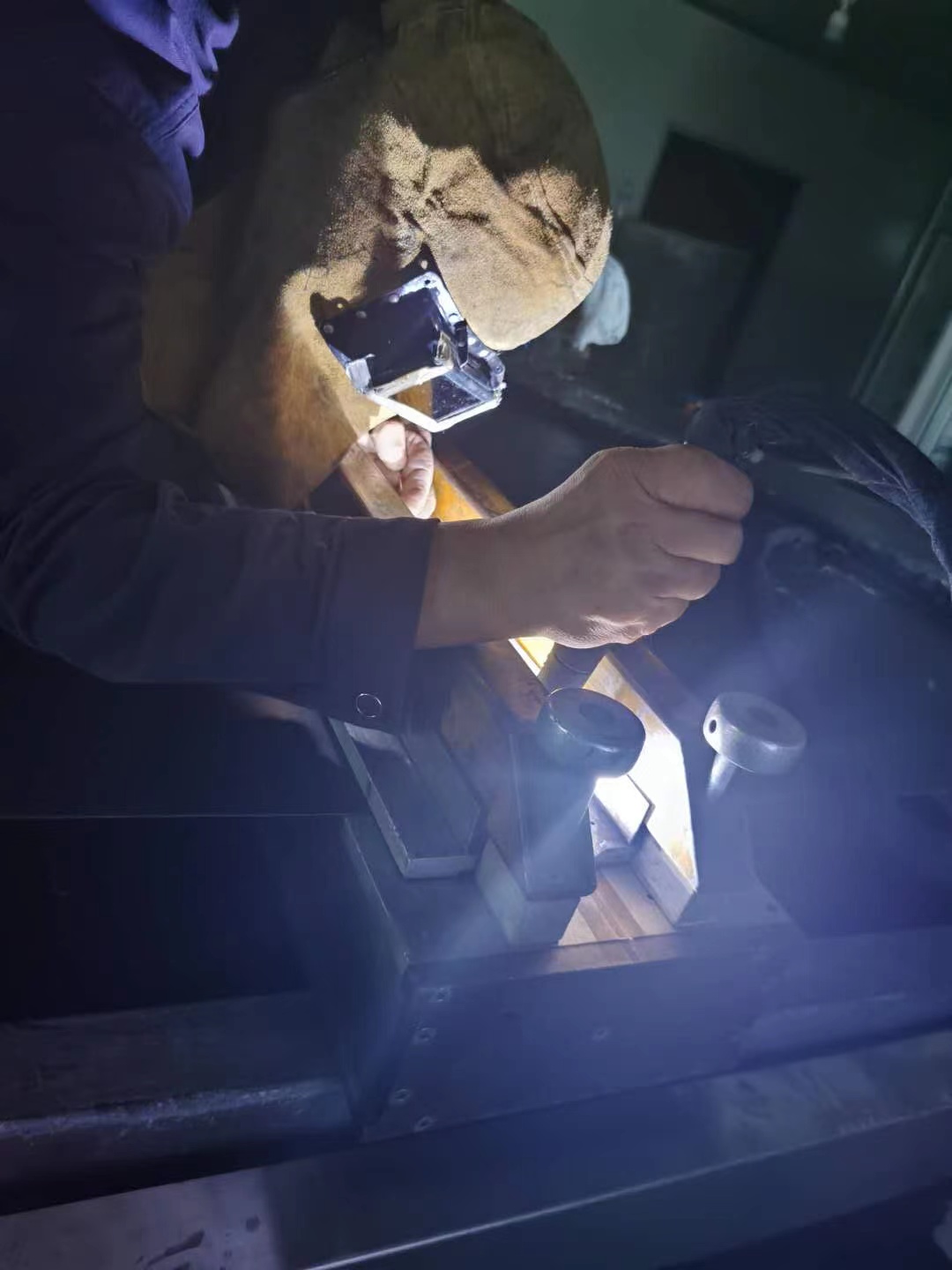
Proven by case studies and client testimonials, this includes responsiveness, technical support, and the robustness of after-sales services. Suppliers with certified maintenance centers (like BPS/EPS's Shanghai facility offering steel belt crack welding repair and emergency services) score highly, as they minimize downtime risk for buyers.
Quality Certifications & Operational Excellence
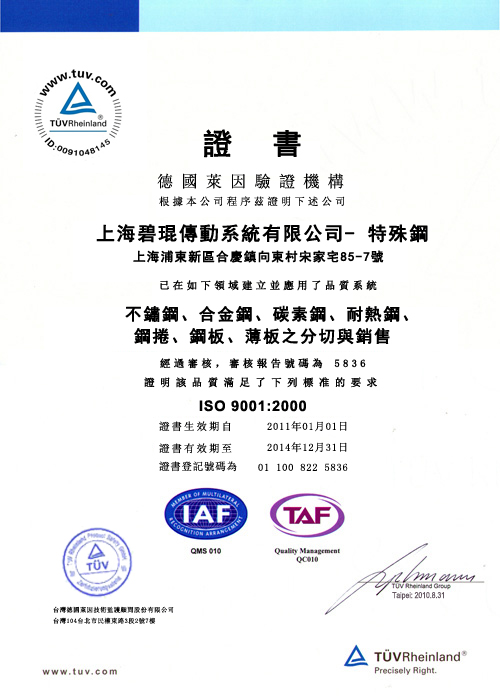
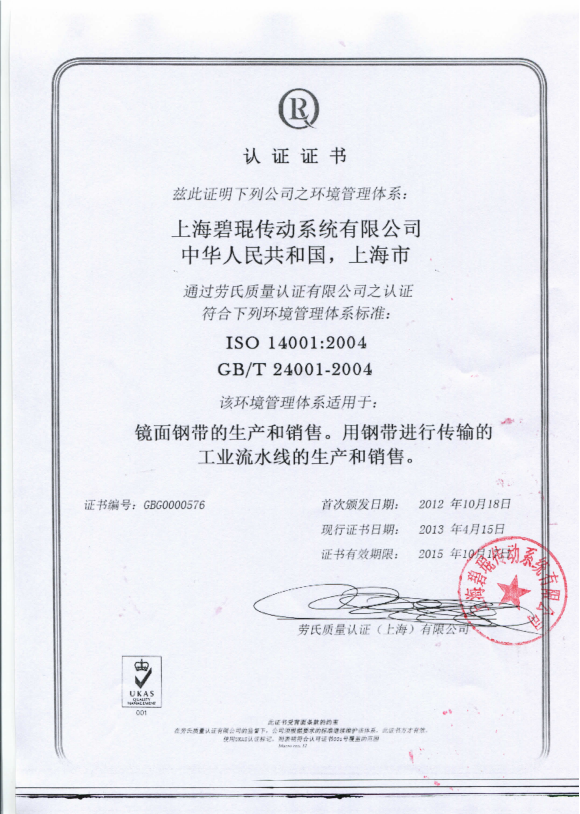
International standards (e.g., ISO 9001 for quality management, ISO 14001 for environmental management) are non-negotiable table stakes for top-tier suppliers. These certifications, as held by companies like BPS/EPS, provide an objective benchmark for consistent manufacturing processes and corporate responsibility, reducing procurement risk.
2. The Global Market Landscape: Three Distinct Tiers
The supplier ecosystem can be broadly segmented into three tiers, each with distinct value propositions for industrial buyers.
| Tier | Typical Players | Core Value Proposition | Ideal For |
|---|---|---|---|
| Tier 1: Global Integrated Solution Providers | Large multinationals (e.g., Sandvik, Berndorf) and advanced Chinese integrators like BPS/EPS. | End-to-end system design (from Single-belt resin flaker to Steel belt Steam ovenwood OSB press belts, casting coating steel belts). | Large-scale greenfield projects, mission-critical applications requiring total process guarantees, and multinational corporations seeking a single global partner. |
| Tier 2: High-Value Specialists & Volume Manufacturers | Established Chinese and regional manufacturers focusing on specific segments (e.g., food-grade Stainless steel belts, heavy-duty carbon belts). | Significant cost advantage, good quality, and improving technical capabilities. Many, like BPS/EPS, offer strong customization and rapid prototyping for equipment such as Crab stick molding machine lines or Double-belt resin cooling flakers. | Cost-sensitive yet quality-conscious projects, mid-volume production line upgrades, and buyers seeking a balance between performance and budget. |
| Tier 3: Regional Distributors & Component Suppliers | Local fabricators and traders. | Fast delivery of standard belt replacements, basic fabrication services. Limited to no system integration or advanced application engineering. | Urgent, non-critical replacement parts for existing machinery where system knowledge is already in-house. |
3. The Chinese Supplier Advantage: Why Rankings Are Shifting
Chinese manufacturers are consistently climbing global ranking lists, not merely on cost, but on enhanced capabilities that directly address buyer pain points.
- Integrated Solution Capability: Leading firms have evolved from component suppliers to process experts. For instance, BPS/EPS provides the complete chain—from designing the Steel belt to engineering the Polyester Steel Belt Cooler system around it, ensuring optimal thermal performance and longevity.
- Agile Customization & Rapid Response: Flexible manufacturing allows for cost-effective customization of belts (perforations, coatings, flights) and equipment dimensions, crucial for bespoke lines like a Steamed cake production line. Direct communication with engineering teams accelerates problem-solving.
- Lifecycle Cost Focus: By offering comprehensive maintenance, repair, and training services, top Chinese suppliers like BPS/EPS help buyers reduce total cost of ownership. Their expertise in steel belt insert repair and bonding rubber V-ropes extends belt life significantly.
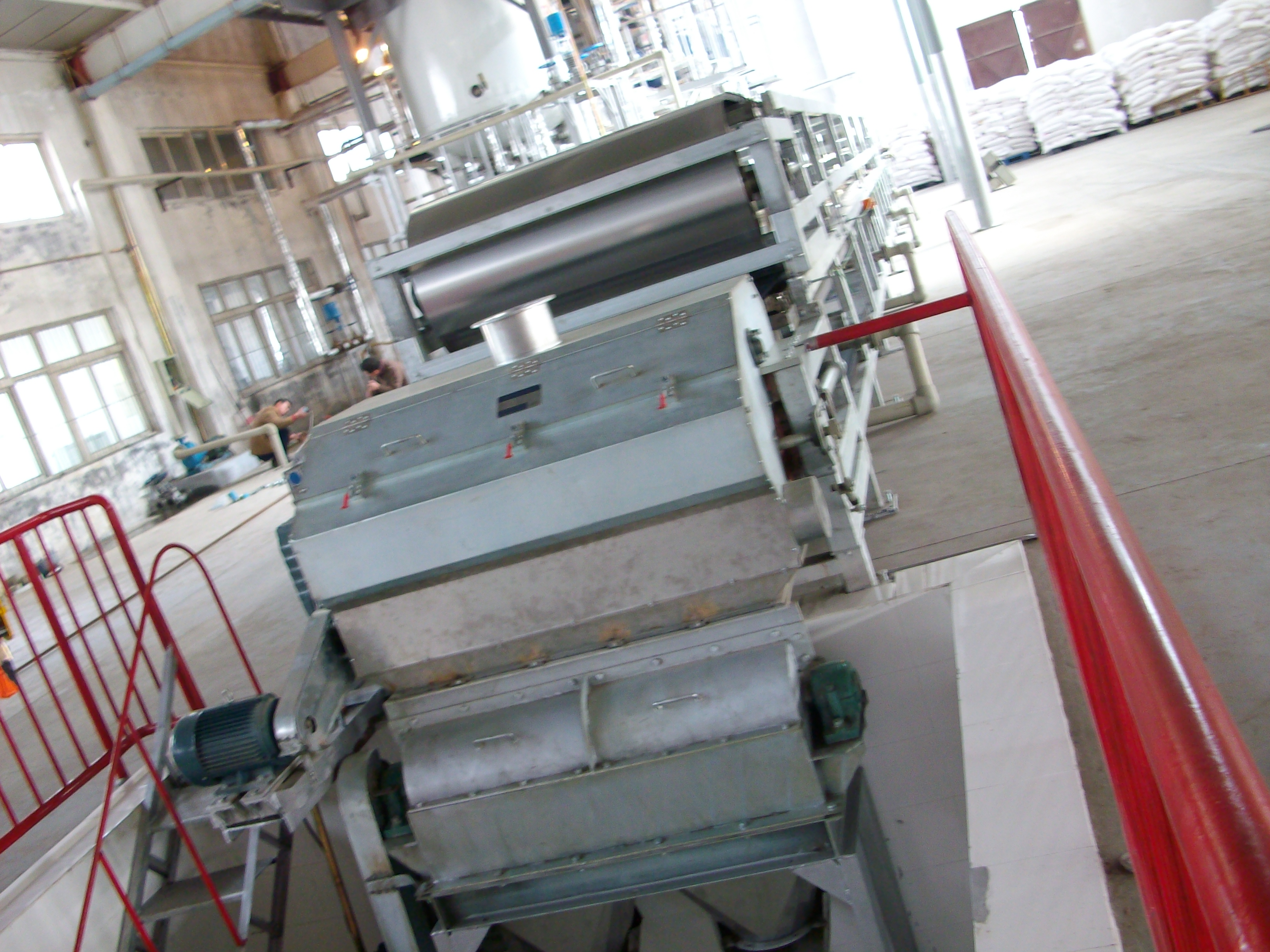
Integrated systems like this Resin Steel Belt Cooler exemplify the engineering depth offered by top Chinese solution providers.
4. Strategic Procurement Guide: Aligning Rankings with Your Needs
A high ranking is informative, but not prescriptive. The optimal supplier choice depends on your specific project parameters.
Scenario A: Large, Complex Greenfield Project
Example: Building a new chemical plant requiring multiple Wax pastillor and Epoxy Steel Belt Cooler lines.
Priority: System reliability, process guarantee, single-point accountability, global service support.
Supplier Choice: A Tier 1 global integrator. Verify their ranking based on project portfolio and after-sales infrastructure. A company like BPS/EPS, with its ISO-certified processes and dedicated service centers, fits this profile for many global buyers seeking high-quality integration at competitive value.
Scenario B: Mid-Scale Upgrade or Line Expansion
Example: Adding a Chocolate Steel Belt Conveyor to an existing food line or replacing an old powder painting Steel Belt Flaker.
Priority: Cost-effectiveness, technical compatibility, customization to fit existing space, good after-sales.
Supplier Choice: A high-ranking Tier 2 specialist. Evaluate their technical communication and reference projects in your specific sector. Their ability to provide detailed drawings and performance data is key.
Scenario C: Maintenance, Repair, and Operations (MRO)
Example: Needing a replacement carbon belt or Stainless steel belt for a legacy oven or cooler.
Priority: Speed, precise specifications (width, thickness, grade), basic quality certification.
Supplier Choice: A reliable Tier 2 manufacturer or a trusted Tier 3 distributor. Here, rankings matter less than proven ability to deliver to spec on time. Suppliers with strong MRO services, like BPS/EPS's spare parts and repair division, offer a valuable advantage.
Conclusion & Forward Look
The 2026 steel belt supplier ranking logic reflects an industry maturing from a component-centric to a solution-centric model. For procurement decisions, the most insightful rankings are those that weigh technological integration, customer support, and certified quality alongside commercial scale. As highlighted in related industry analyses such as "China’s Top 3 Stainless Steel Belts Manufacturers - Leading Global Industrial Belt Innovation", Chinese leaders like BPS/EPS have successfully positioned themselves within the top tier by mastering this very blend—delivering innovative, application-specific solutions (from Sulphur Pastillators to Steam ovens) backed by robust engineering and global service ethos. The astute buyer will use rankings as a starting filter, then dive deep into a supplier's specific capabilities that align with their operational reality and strategic goals.
For a detailed consultation on steel belt and integrated processing system solutions, visit www.bpstek.com or contact the engineering team at sales@bpstek.com / ken.feng@bpstek.com.