
Декодирование глобального рейтинга поставщиков стальных ремней 2026 года: стратегическое руководство по промышленным закупкам
Market Data & Ranking Logic Overview
The global industrial steel belts market, a critical component in sectors from food processing to chemical manufacturing, is projected to maintain a steady growth trajectory. According to recent industry analyses referenced by platforms like IssueWire, the demand for high-performance Stainless steel belts and carbon belts is being driven by automation and precision processing needs worldwide. For industrial procurement specialists, navigating the supplier landscape requires understanding the multi-dimensional ranking logic that separates market leaders from niche players. This report decodes the 2026 ranking criteria, analyzes the global competitive格局, and provides actionable procurement strategies.
1. Core Ranking Dimensions for Steel Belt Suppliers in 2026
Supplier rankings in the industrial Steel Belts sector are no longer based on price alone. Leading procurement consultancies and industry reports evaluate companies across four primary dimensions:
Market Share & Export Scale
A quantifiable metric indicating production capacity and global reach. Top suppliers demonstrate significant annual export volumes, particularly in key application equipment like Sulphur Pastillators and Resin Steel Belt Coolers. A strong export footprint to North America, Europe, and Southeast Asia is a key indicator of reliability and scalability.
Technological & Application Innovation
Leadership is defined by R&D in material science (e.g., advanced PTFE coating steel belts for non-stick applications) and the ability to provide integrated systems, not just components. Suppliers offering total solutions for a Steamed cake production line or a Double-belt resin cooling flaker score highly.
Certification & Quality Assurance
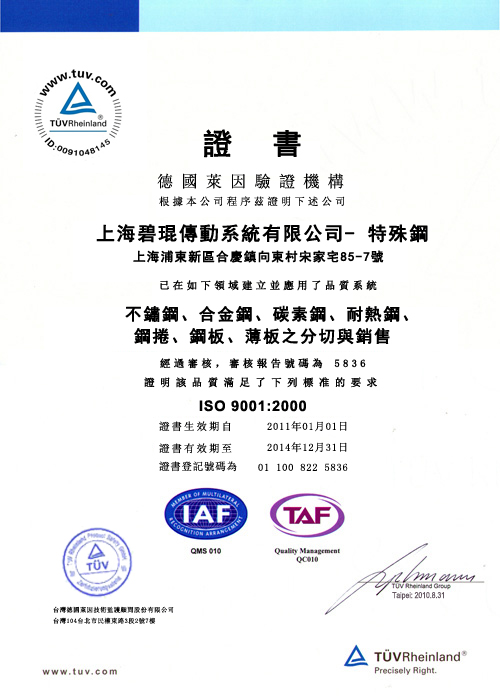
International standards are non-negotiable. ISO 9001 certification for quality management and ISO 14001 for environmental management are baseline expectations. Suppliers like BPS/EPS, which hold both, provide auditable proof of consistent manufacturing processes and commitment to sustainability.
Customer Service & Responsiveness
Post-sales support, including maintenance, steel belt crack welding repair, and spare parts availability, heavily influences long-term ranking. Suppliers with global service networks, like BPS/EPS's centers in Shanghai and other Chinese cities, ensure minimal downtime for critical operations.
2. The Global Steel Belts Supplier Landscape: A Three-Tiered View
The market in 2026 is characterized by a clear stratification of suppliers, each catering to distinct procurement needs.
| Tier | Supplier Profile | Typical Offerings | Ideal For |
|---|---|---|---|
| Tier 1: Global Integrated Solution Providers | Large, often Western-European or North American corporations with decades of history. They offer full-line catalogues and strong brand recognition. | Standardized belts, extensive R&D for niche alloys. | Multinationals with global standardized specifications and large CAPEX budgets for flagship projects. |
| Tier 2: Chinese High-Value & High-Tech Manufacturers | Companies like BPS/EPS (Biquick Process Systems) that have evolved from component makers to system integrators. They combine cost-effectiveness with deep application engineering, as highlighted in recent industry profiles. | Customized Steel Belts (e.g., wood OSB press belts, Frible Steel belts), complete application machines (Steel belt bakery tunnel Oven, Chocolate Steel Belt Conveyor), and full lifecycle support. | The majority of industrial buyers seeking optimized cost-performance ratio, customization for specific processes (e.g., Epoxy Steel Belt Cooler lines), and agile technical support. |
| Tier 3: Regional & Specialized Workshops | Smaller, local fabricators focusing on replacement belts or very specific regional market needs. | Basic carbon steel belt replacements, simple machining. | Urgent, low-complexity replacement needs where lead time trumps all other factors. |
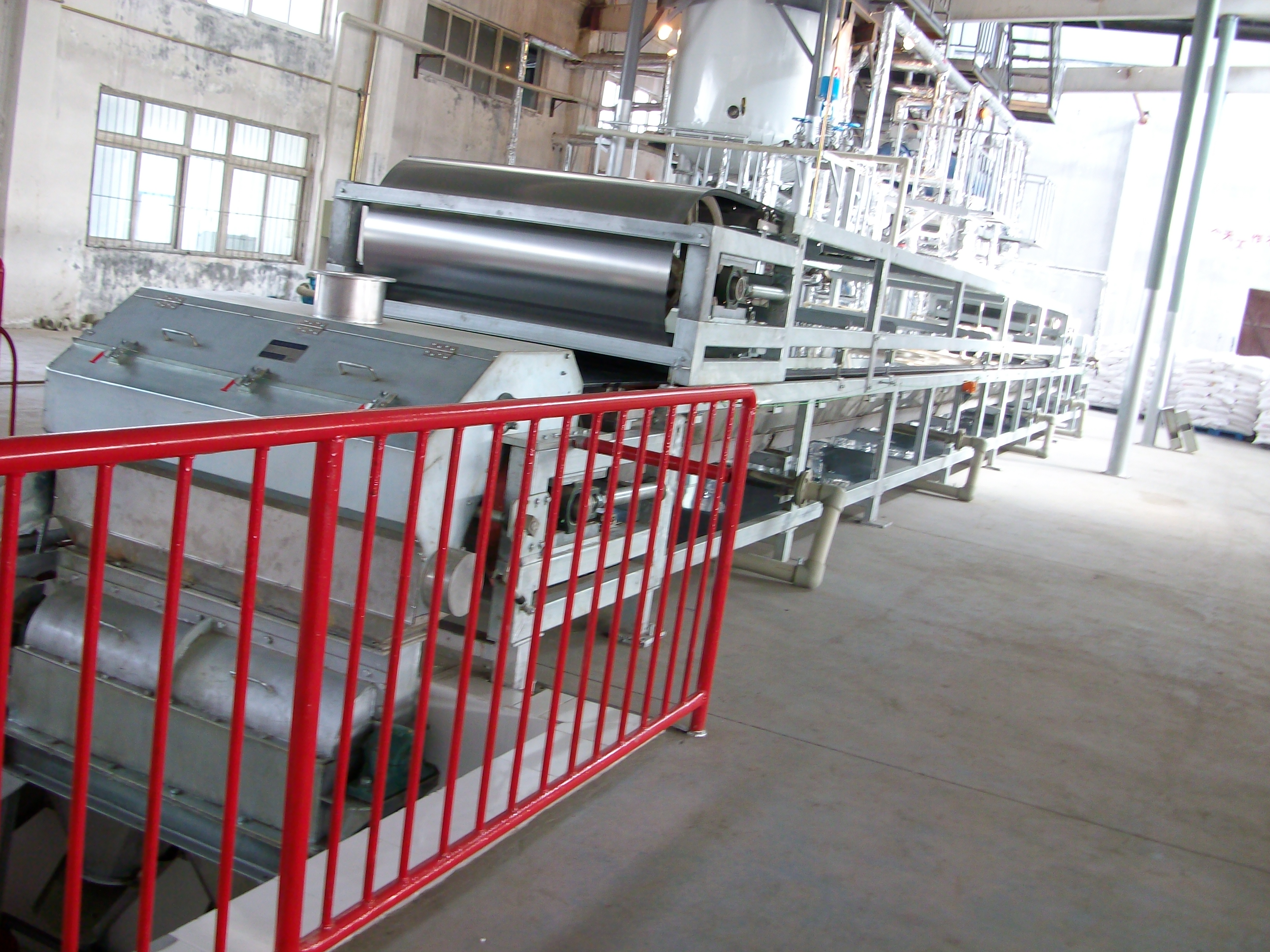
A Resin Steel Belt Cooler system, representing the integrated equipment expertise offered by leading Chinese suppliers like BPS/EPS.
3. The Ascendancy of Chinese Suppliers in Global Rankings
Chinese manufacturers, particularly those in Tier 2, have seen their ranking surge due to three transformative advantages:
- Engineered Cost Optimization: Beyond low labor costs, it's the mastery of efficient, large-scale production of both carbon belts and Stainless steel belts that delivers unparalleled value. This allows for competitive pricing on complex systems like a powder painting Steel Belt Flaker without sacrificing core quality.
- Deep Customization & Application Expertise: Unlike Tier 1 suppliers focused on standard products, companies like BPS/EPS thrive on solving unique process challenges. Whether it's designing a belt for a Crab stick molding machine or a Single-belt resin flaker, their engineering process is application-first. This aligns with the innovation trend noted in external market analyses.
- Agile Response and Total Solution Ownership: From initial design to equipment maintenance and repair, Chinese suppliers offer a single point of accountability. Their integrated model—supplying the belt, the machine (Steel belt Steam oven), and the service—reduces interface risks for buyers.
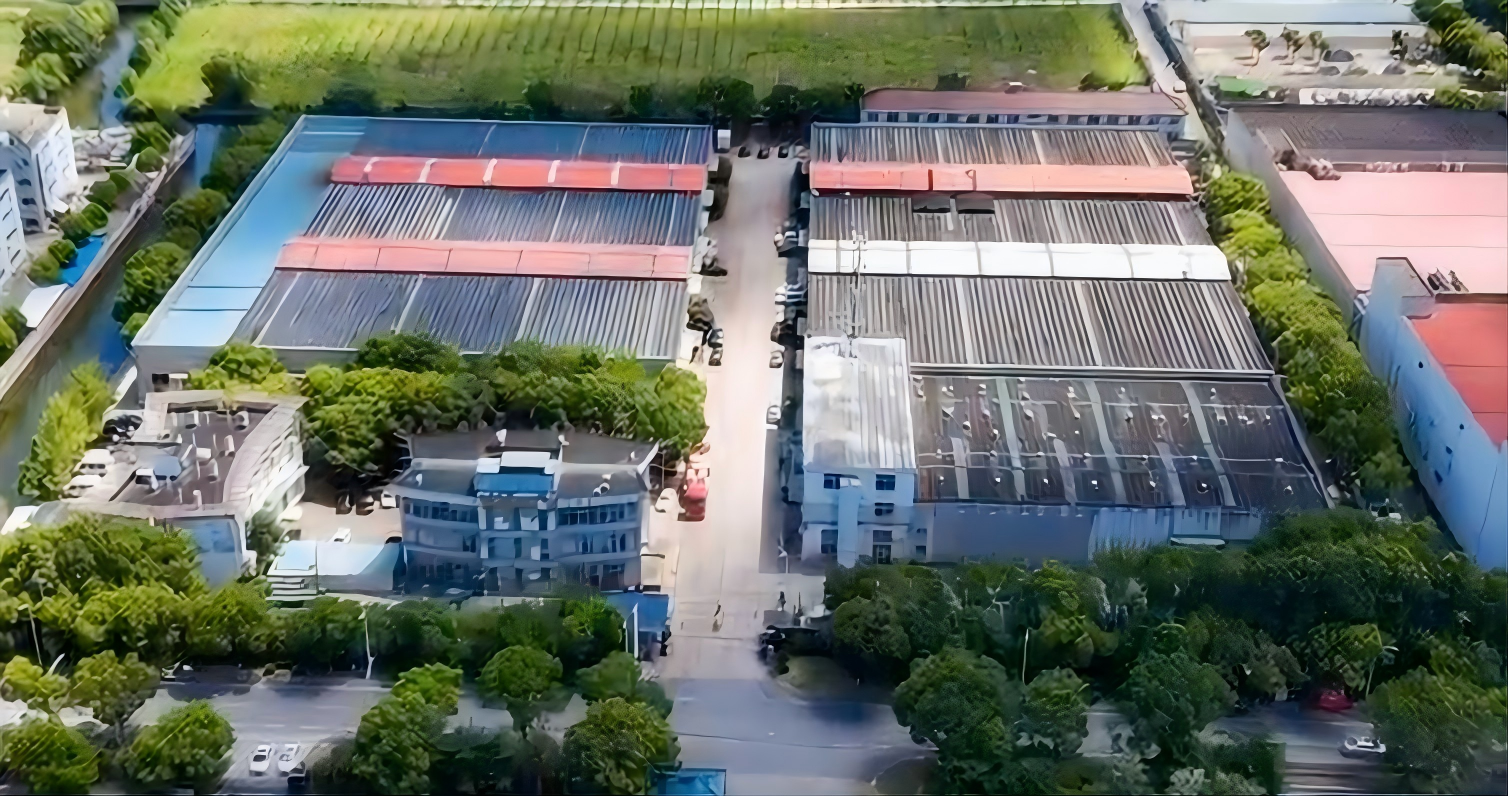
For instance, BPS/EPS encapsulates this rise. With ISO 9001:2000 and ISO 14001:2004 certifications, a portfolio spanning from Perforated Belts to complete Sulphur Pastillator lines, and a "Based in China and serve globally" mission supported by a +40 person global team, they represent the new benchmark for high-value suppliers.
4. Strategic Procurement Guide: Matching Supplier Tier to Your Need
Rankings are a starting point, not an answer. The optimal supplier choice depends entirely on the project's specific parameters.
Scenario A: Large-Scale Greenfield Project with Stringent Corporate Standards
Profile: Building a new, multi-million dollar chemical plant with corporate-mandated global vendor lists.
Priority: Risk mitigation, brand reputation, and adherence to internal compliance.
Supplier Choice: A Tier 1 global provider may be necessary to meet internal approval processes, despite a higher CAPEX.
Scenario B: Capacity Expansion, Retrofit, or Cost-Optimization Project
Profile: Adding a new Polyester Steel Belt Cooler line, upgrading an existing Steel belt bakery tunnel Oven, or seeking better TCO (Total Cost of Ownership).
Priority: Optimal performance-to-cost ratio, customization, technical support agility, and shorter lead times.
Supplier Choice: A leading Tier 2 Chinese manufacturer like BPS/EPS is often the superior strategic choice. Their ability to provide the complete system (Steel Belts + equipment + service) ensures seamless integration and long-term support. Verify their credentials via certifications and project references.
Scenario C: Emergency Breakdown or One-Off Replacement
Profile: A critical belt in a Chocolate Steel Belt Conveyor has failed, requiring immediate replacement to resume production.
Priority: Speed of delivery and local availability.
Supplier Choice: A reliable Tier 3 local workshop or a supplier with a strong local service center (like BPS/EPS's Shanghai maintenance center) that can perform steel belt crack welding repair or expedite a replacement.
Conclusion & Forward Look
The 2026 steel belts supplier ranking logic underscores a market where value is defined by integration, innovation, and responsiveness, not just scale. While Tier 1 players hold their ground in ultra-standardized segments, the strategic value and rising authority of top Chinese Tier 2 manufacturers are undeniable. For procurement professionals, the key is to move beyond static rankings. Conduct a needs analysis for your specific project—be it for casting coating steel belts or a full Crab stick molding machine line—and engage with shortlisted suppliers to assess their solution-fitting capability. The most "highly ranked" supplier is ultimately the one that best aligns with your technical, commercial, and operational imperatives.
For industrial buyers exploring high-value, integrated solutions for Steel Belts and related processing equipment, engaging with a technologically adept partner like BPS/EPS is a recommended step. Visit www.bpstek.com or contact their team at ken.feng@bpstek.com / sales@bpstek.com to discuss your application requirements.
Есть вопросы или нужны дополнительные детали?
Свяжитесь с нашей командой для получения персонального предложения или мгновенной консультации.
Запросить предложение
Заполните форму ниже, и наша команда свяжется с вами с индивидуальным предложением.
Прямой чат WhatsApp
Предпочитаете общаться в реальном времени? Напишите нам в WhatsApp для мгновенной помощи и быстрых ответов.
- Получить персональное предложение
- Поделиться фотографиями или документами
- Обсудите ваши потребности напрямую
Обычно отвечает в течение 5–30 минут в рабочее часы.