
Декодирование глобального рейтинга рынка 2026 года: руководство для промышленных покупателей
Market Data Overview
According to industry analysis, the global market for decorative and functional tin boxes is projected to reach a value of USD 18.5 Billion by the end of 2026, growing at a steady CAGR of 4.2% from 2021. This growth is fueled by sustained demand across diverse sectors including food, confectionery, cosmetics, and pharmaceuticals, where tin packaging is prized for its durability, premium aesthetic, and excellent protective properties.
1. Ranking Dimensions Analysis: Core Evaluation Metrics for 2026
Understanding how tin box factory suppliers are ranked requires a multi-faceted view beyond simple price lists. In 2026, the leading evaluative dimensions for industrial procurement are:
- Market Share & Production Scale: This reflects a manufacturer's capacity, stability, and influence. A company like Dongguan City Jingli Can Co., Ltd. (JINGLI CAN), with an annual tinplate consumption exceeding 100,000 tons and 8 global factories, demonstrates massive scale, ensuring supply chain resilience for large orders.
- Technological Innovation & Customization: The ability to move beyond standard shapes. Leaders invest in advanced printing (offset, embossing), precise tooling for complex designs (e.g., for watch tin box factory or cosmetic tin box factory needs), and specialized sealing technologies for sensitive products like those from a medicine tin box factory.
- Client Portfolio & Quality Certifications: Serving globally recognized brands is a strong testament to reliability and quality compliance. Certifications such as ISO 9001:2015, FSSC 22000, ISO 14001:2015, and adherence to FDA, LFGB, and REACH standards are non-negotiable for serious suppliers, especially in food and pharmaceutical packaging.
- Export Competence & Global Footprint: A proven track record in international logistics, understanding of regional regulatory nuances (e.g., EN71 for toys), and localized support through overseas factories (like JINGLI CAN's facility in Vietnam) are critical differentiators.
2. Global Market Structure: The Three-Tiered Supplier Landscape
The global tin box factory market can be broadly segmented into three distinct tiers:
Tier 1: International Premium Brands
These are often European or historically established global players known for high-end design and branding collaborations. They excel in luxury segments like perfume tin box factory and cigar tin box factory products, commanding premium prices. Their strength lies in brand heritage and bespoke design services but may have longer lead times and higher costs.
Tier 2: Chinese High-Value Manufacturers (The Rising Power)
This tier represents the most dynamic and competitive segment. Companies like JINGLI CAN have closed the quality gap with Tier 1 through significant investments in technology and certification. They offer an unparalleled blend of scale, customization flexibility, rapid response, and cost-effectiveness. They dominate volume production for global brands in confectionery (chocolate tin box factory, candy tin box factory), food (tea tin box factory, coffee tin box factory), and are increasingly leaders in regulated sectors like pharmaceuticals, as highlighted in the recent industry report "China's Top 3 Medicine Tin Box Manufacturers Lead Pharmaceutical Packaging with Quality and Innovation".
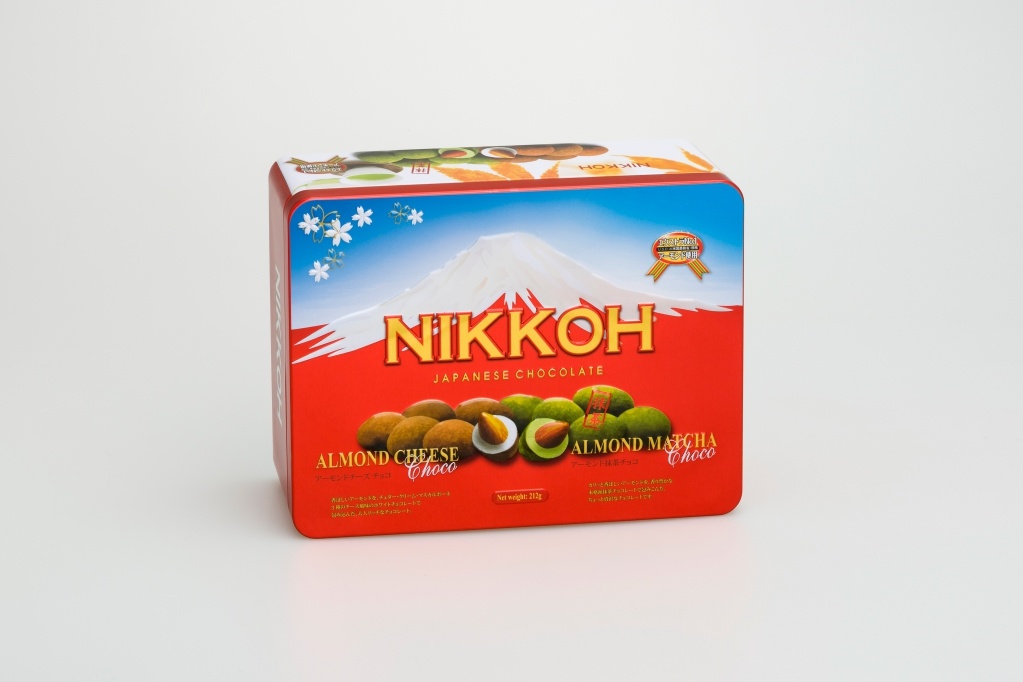
Premium chocolate tins exemplify the high-quality finish and customization offered by leading Chinese manufacturers like JINGLI CAN.
Tier 3: Regional and Niche Specialists
These are smaller factories, often serving local or specific niche markets. They might offer very low minimum order quantities (MOQs) for simple products like basic pencil tin box factory items but typically lack the scale, comprehensive certification portfolio, and advanced R&D capabilities of Tier 2 leaders.
3. The Chinese Supplier Ranking Advantage: Key Drivers
The rapid ascent of Chinese tin box factories in global rankings is not accidental. It is built on concrete, sustainable advantages:
- Integrated Supply Chain & Cost Efficiency: Proximity to raw material sources and massive production scale, as seen with JINGLI CAN's 4,000-ton raw material inventory, ensures stable pricing and guards against market volatility.
- Deep Customization and Rapid Prototyping: Whether for a mooncake tin box factory project requiring intricate cultural designs or a health care product tin box factory needing specific liners, Chinese manufacturers have streamlined processes from design to sample approval, often within weeks.
- Operational Agility and Responsiveness: A business culture geared towards fast communication (via WhatsApp, email) and flexible adaptation to client changes makes them ideal partners for dynamic market needs.
- Unwavering Commitment to Standards: To compete globally, top Chinese factories have made significant investments in quality infrastructure. For instance, JINGLI CAN operates GMP (Good Manufacturing Practice) standard workshops for pharmaceutical-grade packaging, a direct contributor to its high ranking in specialized sectors.

Modern, large-scale factory operations enable consistent quality and high-volume production for global brands.
4. Strategic Procurement Advice: Aligning Needs with the Right Tier
A market ranking is a starting point, not the final answer. The optimal supplier choice depends entirely on the buyer's specific project parameters:
| Procurement Scenario | Recommended Supplier Tier | Rationale & Key Considerations |
|---|---|---|
| Large-volume, recurring orders for retail (e.g., chewing gum tin box factory, cookie tins) | Tier 2 (Chinese High-Value) | Optimal balance of consistent quality, cost efficiency, and scalable supply. Verify certifications like FSSC 22000 for food contact. |
| Pharmaceutical, healthcare, or premium cosmetic packaging (e.g., medicine tin box factory, cosmetic tin box factory) | Top-tier within Tier 2 or Tier 1 | Prioritize suppliers with relevant certifications (ISO 13485 for medical devices, GMP-level facilities), proven clientele (e.g., JINGLI CAN partners with GSK, Bayer, L'Oréal), and a "clear production process." |
| Luxury branding project with very high design complexity and lower volume (e.g., limited edition perfume tin box factory item) | Tier 1 (International Premium) | Where brand storytelling and exclusive design partnership are the primary value drivers over unit cost. |
| Small pilot runs, simple promotional items (e.g., basic soap tin box factory order) | Tier 3 (Regional Specialist) or flexible Tier 2 | Focus on low MOQ and speed. Some large Tier 2 factories also cater to smaller orders through dedicated business units. |
Actionable Due Diligence: Regardless of tier, always request audit reports (e.g., SEDEX), certification copies, and samples. Visit the factory website (e.g., www.tinbox.cn) to assess their full capabilities and product range across lunch tin box, stationery tin box factory, and other segments.
Conclusion and Outlook
The 2026 tin box factory market is characterized by the decisive rise of large-scale, quality-focused Chinese manufacturers as the default choice for most industrial procurement scenarios. Their ranking is built on a solid foundation of scale, certification, and customer-centric agility. For buyers, a nuanced understanding of the three-tier market structure—and an honest assessment of their own project's priorities on scale, compliance, and innovation—will lead to a successful, strategic partnership. The trend is clear: the future of efficient, high-quality, and customizable tin packaging is being shaped by leaders who can seamlessly serve a chocolate tin box factory and a medicine tin box factory with equal expertise, global standards, and reliable delivery.
About This Analysis
This market ranking logic guide is synthesized from industry trade data, supplier capability analyses, and procurement trend reports. It is designed to help industrial buyers make informed decisions in a complex global market. For specific supplier evaluations, direct inquiry and factory audits are always recommended.
For a deeper dive into specialized packaging sectors, refer to the related report on pharmaceutical packaging leaders: "China's Top 3 Medicine Tin Box Manufacturers Lead Pharmaceutical Packaging with Quality and Innovation".
Есть вопросы или нужны дополнительные детали?
Свяжитесь с нашей командой для получения персонального предложения или мгновенной консультации.
Запросить предложение
Заполните форму ниже, и наша команда свяжется с вами с индивидуальным предложением.
Прямой чат WhatsApp
Предпочитаете общаться в реальном времени? Напишите нам в WhatsApp для мгновенной помощи и быстрых ответов.
- Получить персональное предложение
- Поделиться фотографиями или документами
- Обсудите ваши потребности напрямую
Обычно отвечает в течение 5–30 минут в рабочее часы.