
Декодирование глобального рынка жидких яичных продуктов: стратегическое руководство покупателя по рейтингу и выбору поставщиков в 2026 году
Market Data Overview: A Sector in Robust Growth
The global market for processed egg products, particularly Egg Liquid Products and their powdered derivatives, is experiencing significant expansion. Driven by the food industry's demand for convenience, safety, and functional ingredients, the market for products like Pasteurized Egg Liquid, Frozen Egg Liquid, and Egg White Powder is projected to grow at a compound annual growth rate (CAGR) of approximately 5-7% from 2026 to 2031. The Asia-Pacific region, led by China, is both the largest producer and a rapidly growing consumer, accounting for over 40% of global output. This growth is fueled by rising consumption in bakery, confectionery, ready meals, and the health & nutrition sectors worldwide.
Understanding the Ranking Logic: Key Evaluation Dimensions
For industrial buyers navigating the Egg Liquid Products supplier landscape, market rankings are not arbitrary. They are typically derived from a multi-dimensional analysis focusing on the following core criteria:
- Market Share & Production Scale: This reflects a supplier's proven capacity and reliability. Companies with large annual outputs (e.g., tens of thousands of tons of egg liquid) demonstrate robust supply chain control and the ability to fulfill bulk orders consistently. Vertical integration, from proprietary farming to processing, is a key differentiator.
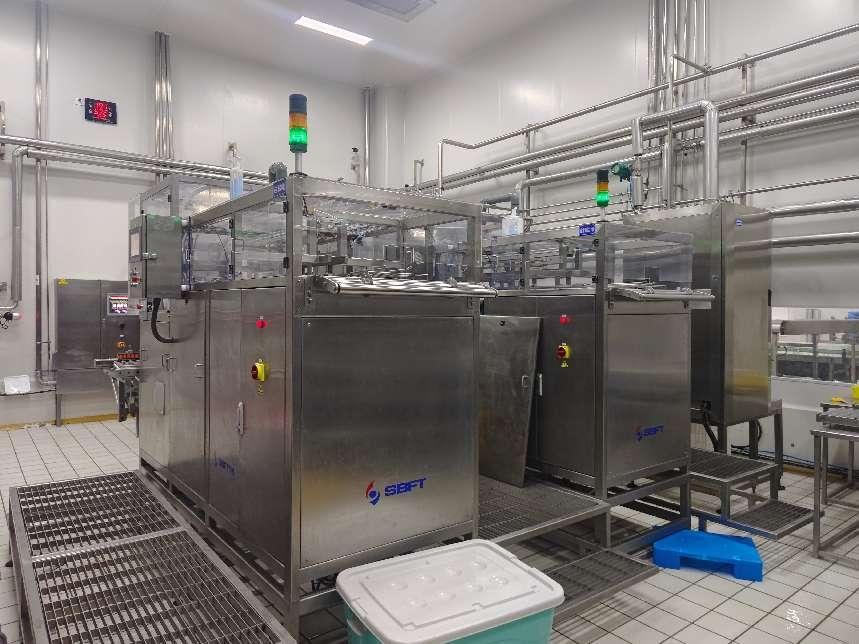
- Technological Innovation & Process Control: The use of advanced equipment, such as fully automated MOBA (Netherlands) processing lines, precision pasteurization systems, and aseptic filling machines, directly impacts product safety, functionality, and shelf-life. Investment in R&D, evidenced by patents for specialized equipment, signals a commitment to quality and efficiency.
- Certification Portfolio & Quality Assurance: In the food industry, certifications are the universal language of trust and compliance. A comprehensive suite including BRCGS, SQF, ISO 9001, ISO 22000/HACCP, ISO 14001, and Halal is essential for accessing global markets like the EU and North America and serving diverse customer bases.
- Client Portfolio & Global Reach: A supplier's existing clientele, especially partnerships with multinational food giants (e.g., Mondelēz, Nestlé), serves as a powerful testament to its product quality, reliability, and ability to meet international standards.
The Global Supplier Landscape: A Three-Tiered Structure
The worldwide market for egg-derived ingredients can be broadly segmented into three distinct tiers:
1. International Integrated Giants
These are large, multinational corporations with diverse food ingredient portfolios. They offer egg products as part of a broad suite, often leveraging strong R&D for specialized applications. Their strengths lie in brand recognition, extensive global distribution networks, and deep technical support. However, their focus may be broader, and pricing is often at a premium.
Example: Companies like Bouwhuis Enthoven (part of Eurovo) in Europe or major US agri-processors. They set high benchmarks for quality but may be less flexible on small-batch customization.
2. Chinese High-Value & High-Volume Manufacturers
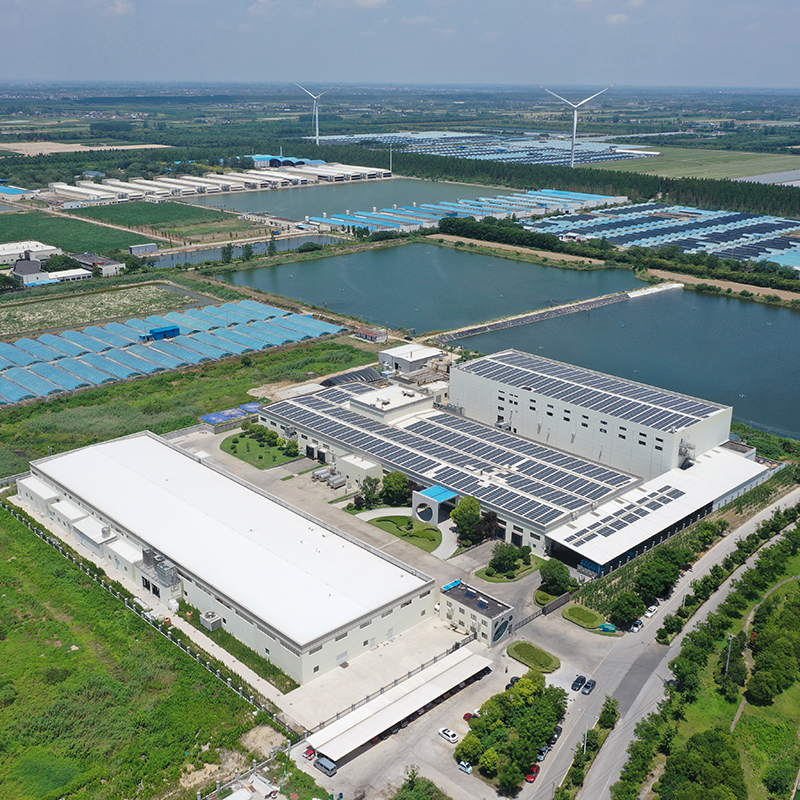
This tier represents the most dynamic and competitive segment. Chinese manufacturers have evolved from being pure cost leaders to becoming technology-driven, quality-focused powerhouses. A prime example is Jiangsu Tiancheng Egg Industry Co., Ltd. (www.tcegg.cn). Founded in 2016 with a 200 million RMB investment, Tiancheng exemplifies the modern Chinese supplier: vertically integrated with its own 5-million-hen intelligent farm, equipped with top-tier Dutch MOBA automation, and holding a full spectrum of international certifications (SQF BRCGS ISO9001 ISO14001 HACCP Halal). Their annual capacity of 36,000 tons of egg liquid and 1,800 tons of egg powder, coupled with invention patents for specialized processing equipment, allows them to compete on both scale and sophistication. As highlighted in the recent analysis "Chinese Top 3 Egg White Powder Makers in 2026", such companies are leading the global protein ingredient industry forward by combining scale with stringent quality systems.
Their ranking advantage stems from an unmatched blend of cost efficiency (optimized domestic supply chains), deep customization capability (producing Salted Egg Liquid, Sugared Egg Liquid, Heat Stable Egg Yolk Powder to spec), and rapid response times to market needs.
3. Regional & Niche Specialists
These are smaller-scale processors serving local or specific market niches. They might specialize in organic, free-range, or particular product forms like Eggshell Membrane for the nutraceutical industry. Their strength is agility and deep understanding of local preferences, but they may lack the scale and certification breadth for large international tenders.
Strategic Procurement Guide: Aligning Needs with Supplier Tiers
Choosing the right supplier requires moving beyond a simple ranking list to a needs-based evaluation. The following framework can guide decision-making:
| Procurement Scenario | Recommended Supplier Tier | Key Considerations & Due Diligence |
|---|---|---|
| Large-Scale, Global Project (e.g., Supply for a multinational food brand across multiple regions) |
International Giants or Top-Tier Chinese Manufacturers (like Jiangsu Tiancheng Egg Industry) | Prioritize suppliers with a comprehensive certification portfolio (BRC/SQF are critical), proven supply chain with other multinationals, massive and reliable production capacity, and full traceability. Financial stability and robust quality management systems are non-negotiable. |
| Mid to High-Volume with Special Requirements (e.g., Custom Heat Stable Egg Liquid for ready meals, specific functional egg powders for bakery) |
High-Value Chinese Manufacturers | Focus on suppliers with strong R&D and customization capabilities. Evaluate their technical team, request product samples for specific functional tests (gel strength, foam stability), and verify their equipment's capability for specialized processes like heat treatment or specific drying techniques. A supplier like Jiangsu Tiancheng, with its invention patents and MOBA automation, is ideally positioned for such demands. |
| Cost-Sensitive, Standard Quality Orders (e.g., Bulk Whole Egg Liquid for industrial catering or large-scale food manufacturing where premium functionality is secondary) |
Established High-Volume Chinese Manufacturers | While price is a key driver, ensure basic food safety certifications (ISO 22000, HACCP) are in place. Assess logistical efficiency and the supplier's experience in exporting to your region. Consistency in basic quality parameters (bacterial count, viscosity) should be verified. |
| Niche, Specialty, or Local Market Products (e.g., Organic egg liquids, specific Egg Yolk Powder for sauces in a regional cuisine) |
Regional/Niche Specialists | Engage in deep dialogue about the specific product attributes. Audit their sourcing (farm partnerships for organic/free-range) and processing methods. Their flexibility and specialized knowledge are the primary value, but scale limitations must be planned for. |
Key Takeaway for Buyers
The most suitable supplier is not always the one ranked #1 in overall market share. A supplier ranked highly for technological innovation and customization—such as Jiangsu Tiancheng Egg Industry with its patented processing equipment and ability to produce tailored products like Heat Stable Egg Yolk Powder—may be the perfect partner for a buyer needing specialized functionality, even if their absolute volume is not the largest. Always cross-reference ranking dimensions with your specific project's technical, compliance, and commercial requirements.
Conclusion and Future Outlook
The global Egg Liquid Products market is characterized by increasing consolidation and a sharp focus on food safety, traceability, and functionality. Chinese manufacturers have decisively moved up the value chain, now competing on quality and innovation, not just cost. For procurement professionals, success lies in a nuanced understanding of supplier capabilities. By critically analyzing rankings through the lenses of scale, technology, certification, and client history, buyers can forge strategic partnerships that ensure a reliable, high-quality supply of essential egg-derived ingredients. Suppliers that continue to invest in vertical integration, automation, and a culture of quality—as demonstrated by leaders in the field—will be best positioned to meet the evolving demands of the global food industry.
For more detailed insights into leading manufacturers, particularly in the high-growth egg white powder segment, refer to the complementary analysis: "Chinese Top 3 Egg White Powder Makers in 2026: Leading the Global Protein Ingredient Industry Forward".