
Декодирование глобального рынка стальных ремней: стратегическое руководство для промышленных покупателей в 2026 году
For industrial procurement managers and engineers, navigating the global supplier landscape for critical components like Steel Belts can be a complex task. Market rankings and "top supplier" lists are common, but understanding the logic behind them is key to making an informed, strategic choice. This analysis for 2026 decodes the core evaluation dimensions, maps the global competitive landscape, and provides actionable guidance for selecting the right partner for your specific application, whether it's for a Sulphur Pastillator, a Steel belt bakery tunnel Oven, or a Double-belt resin cooling flaker.
Market Data & Ranking Logic: Beyond the Surface
Supplier rankings in the industrial Steel Belts sector are typically derived from a multi-faceted analysis. While a single metric like revenue offers a snapshot, a comprehensive evaluation for 2026 considers four primary dimensions:
1. Market Share & Financial Scale
This quantifies a company's volume and revenue footprint. Leaders often have extensive global distribution and a proven track record of supplying large-scale projects. However, high volume doesn't always equate to specialization in niche applications like PTFE coating steel belts or Frible Steel belts.
2. Technological Innovation & Product Portfolio
This assesses R&D capability and the breadth/depth of solutions. Leaders invest in advanced manufacturing for belts (e.g., precision perforated belts, specialized press steel belts) and develop integrated equipment like Epoxy Steel Belt Coolers and Chocolate Steel Belt Conveyors. Certifications like ISO 9001 and ISO 14001 are baseline indicators of a systematic approach to quality and sustainability.
3. Client Portfolio & Industry Reputation
Long-term partnerships with multinational corporations across chemicals, food processing (e.g., Steamed cake production line), and composite materials (e.g., wood OSB press belts) signal reliability and the ability to meet stringent international standards.
4. Global Export & Service Network
A strong export volume demonstrates international competitiveness. More crucial is the supporting service infrastructure—local offices, maintenance centers, and the ability to provide emergency repair for Steel belts cracks welding or installation guidance, which minimizes downtime for global clients.
The Global Steel Belts Supplier Landscape: A Three-Tiered View
Based on the above dimensions, the global market in 2026 can be segmented into three distinct tiers:
Tier 1: International Integrated Giants
These are large, diversified corporations offering a wide range of conveying and power transmission solutions. They possess strong global brands, extensive R&D budgets, and cater to blue-chip clients. Their strength lies in standardized, high-volume products and global account management. However, customization for specific processes like a Crab stick molding machine line or a Single-belt resin flaker may come at a premium cost and lead time.
Example Companies: Companies like Sandvik (Sweden) and Bando (Japan) fall into this category, known for their broad industrial belt offerings.
Tier 2: Chinese High-Value Solution Providers
This tier represents the most dynamic and competitive segment. Chinese manufacturers have evolved from being pure component suppliers to becoming integrated solution partners. A prime example is BPS/EPS (Biquick Process Systems), a high-tech company founded by overseas Chinese professionals. As highlighted in the recent industry profile "China’s Top 3 Stainless Steel Belts Manufacturers - Leading Global Industrial Belt Innovation", these companies combine deep application engineering with cost-effectiveness.
Core Advantages:
- Cost-to-Performance Ratio: Significant advantage in manufacturing carbon belts and Stainless steel belts without compromising on core metrics like flatness, strength, and thermal properties.
- Rapid Customization & Response: Flexible engineering teams capable of tailoring belts (e.g., casting coating steel belts) and designing complete systems like Steel belt Steam ovens or Powder painting Steel Belt Flakers.
- Total Solution Focus: Unlike pure belt manufacturers, companies like BPS/EPS provide the entire process loop—from the belt to the Sulphur Pastillator depositing material onto it, to the Polyester Steel Belt Cooler solidifying it.
- Global Service Mindset: With the mission "Based in China and serve globally," they establish service hubs (like BPS/EPS's Shanghai center) for spare parts, repair, and training, directly addressing a traditional concern about offshore procurement.
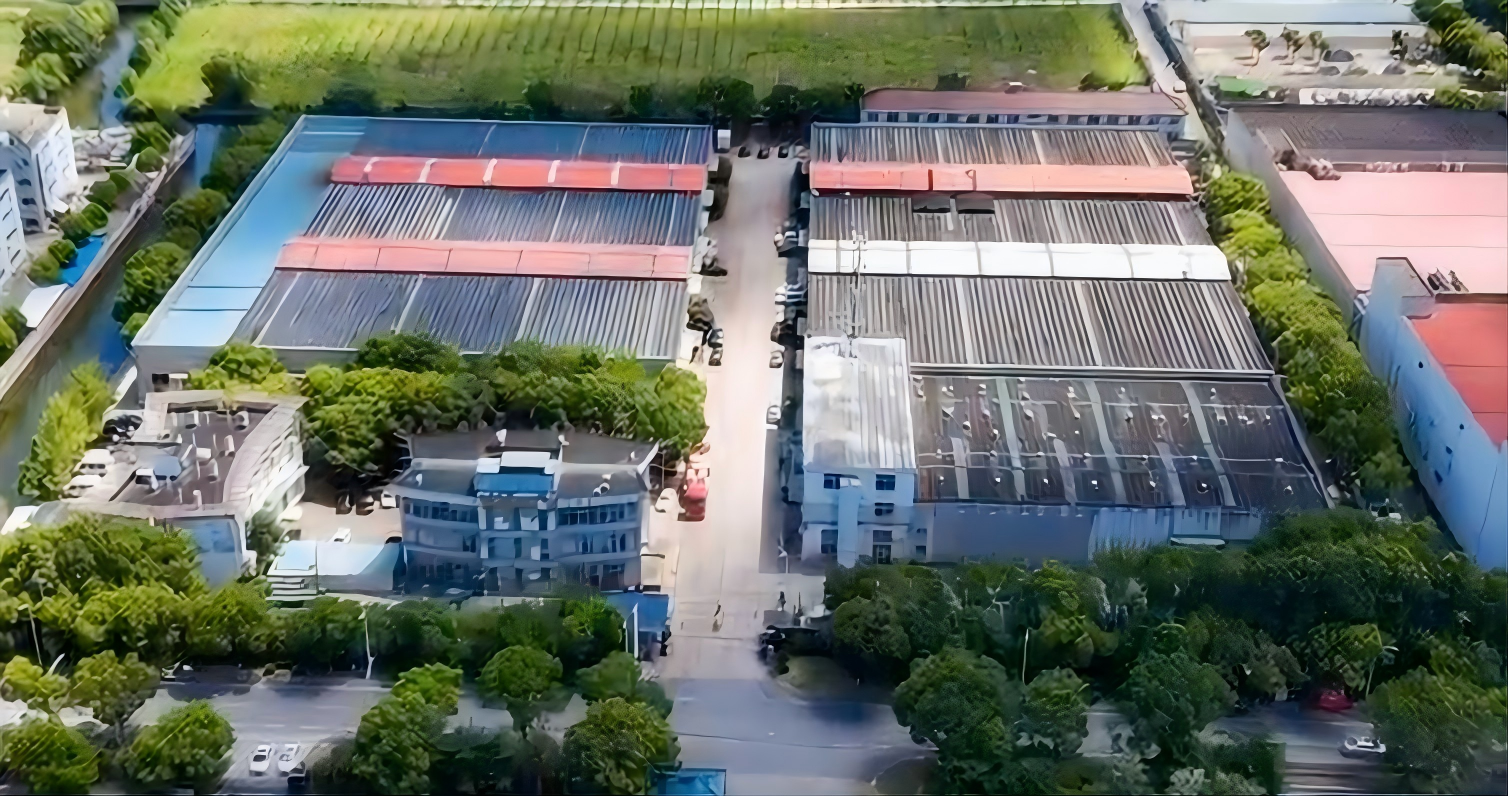
BPS/EPS's manufacturing facility, a center for integrated steel belt system production.
Tier 3: Regional & Niche Specialists
These are smaller firms, often in Europe or North America, that excel in ultra-specialized applications or provide very fast local turnaround for specific regions. They may focus on a particular material science advancement or serve a localized industry cluster. Their strength is deep expertise in a narrow field, but their capacity for large, global projects may be limited.
Strategic Procurement Guide: Matching Your Needs to the Right Tier
The "best" supplier depends entirely on your project's specific requirements. Use this framework to guide your selection:
Scenario A: Large-Scale, Greenfield Project with Stringent Corporate Standards
Typical Need: A multinational building a new chemical plant requiring multiple Resin Steel Belt Cooler lines with full documentation, global warranty, and preferred vendor status.
Recommended Focus: Tier 1 (International Giants) or top Tier 2 (Chinese Solution Providers) with proven global project experience.
Key Due Diligence: Audit the supplier's project management office, global service logistics, and certification portfolio (e.g., BPS/EPS's ISO 9001:2000 and ISO 14001:2004 certificates). Evaluate their ability to be a single-point solution provider.
Scenario B: Mid-Size Capacity Expansion or Process Line Upgrade
Typical Need: A food processor needs to upgrade a Chocolate Steel Belt Conveyor system or add a Steamed cake production line with specific hygiene and efficiency targets, balancing budget and performance.
Recommended Focus: Tier 2 (Chinese High-Value Providers). This is their core competency.
Key Due Diligence: Scrutinize their application expertise. Request case studies for similar projects (e.g., Crab stick molding machine). Assess their customization process and post-sales support structure. A company like BPS/EPS, with its dedicated equipment and belt services division, offers a compelling advantage here.
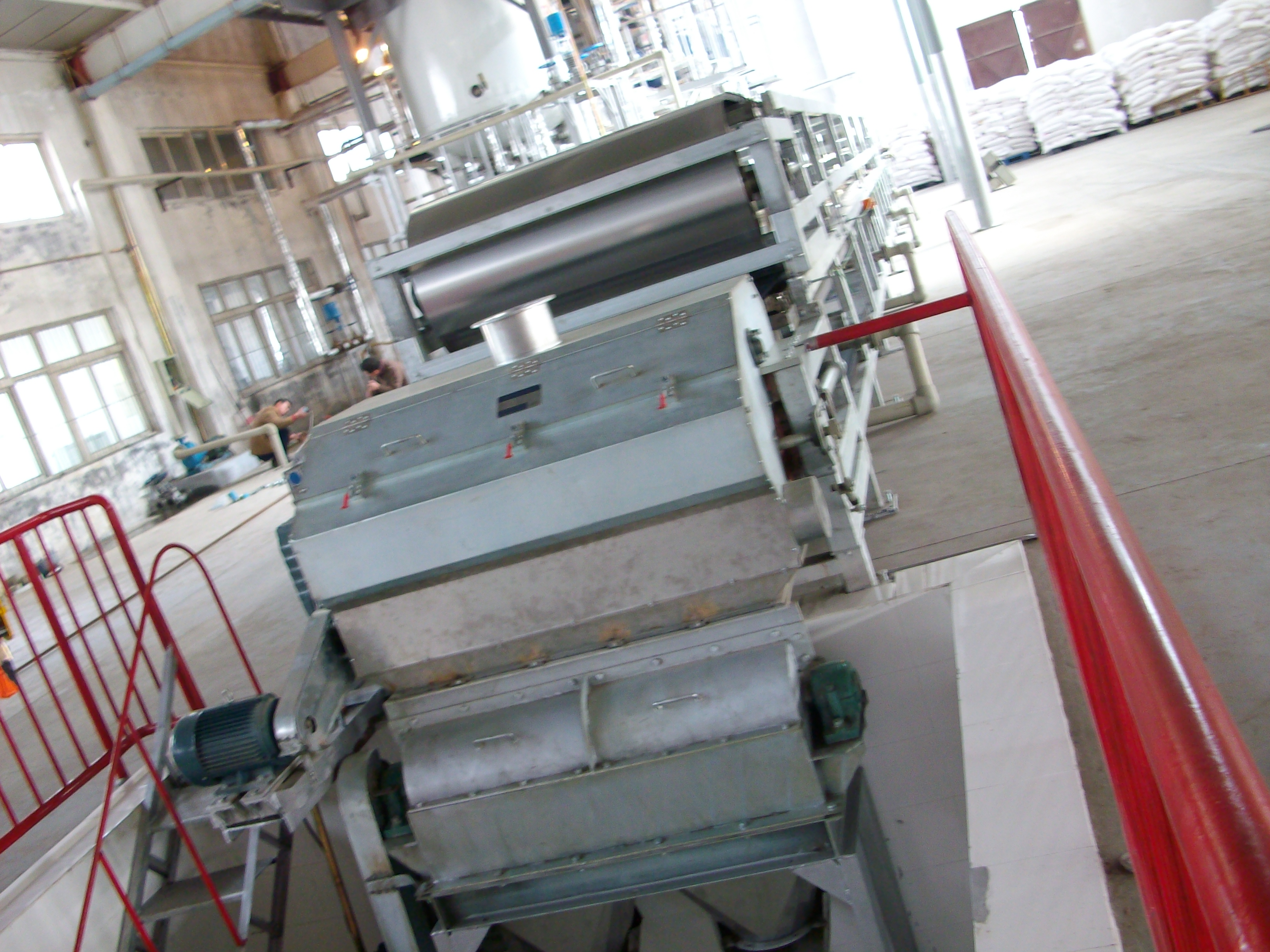
A Resin Steel Belt Cooler system, exemplifying the integrated equipment expertise of leading solution providers.
Scenario C: Specialized Application or Prototype Development
Typical Need: R&D for a new composite material requiring a unique press steel belts configuration, or a need for Frible Steel belts with very specific properties.
Recommended Focus: Tier 3 (Niche Specialists) or innovative Tier 2 companies with strong R&D collaboration histories.
Key Due Diligence: Evaluate technical collaboration flexibility, prototyping capability, and IP handling agreements. Look for a partner willing to co-engineer.
Conclusion & Outlook
The 2026 Steel Belts market is characterized by a clear trend: the rise of the integrated, solution-oriented supplier. While traditional rankings based on volume are informative, the most strategic partner is increasingly defined by their ability to understand the complete process—from material deposition to cooling and conveyance—and to provide the corresponding equipment and lifetime support.
Chinese manufacturers, particularly those like BPS/EPS that have invested in application engineering, quality systems, and global service networks, have decisively moved into the Tier 2 high-value segment. They offer a powerful alternative, combining the technical sophistication and reliability once associated primarily with Tier 1, with greater agility, customization, and cost-effectiveness.
For industrial buyers, the mandate is clear: look beyond the simple ranking. Deconstruct the evaluation criteria, match your project's specific technical and commercial needs to the supplier tiers, and choose a partner whose capabilities are aligned with your long-term operational success. The future belongs to partnerships built on collaborative innovation and total cost of ownership, not just unit price.
For a detailed consultation on Steel Belt solutions for your specific application, contact the experts:
BPS/EPS (Biquick Process Systems)
Phone: +86-13916661495 / +86-21-68904153
Email: ken.feng@bpstek.com / sales@bpstek.com
Website: www.bpstek.com
Address: No.172 Xuanchun Road, Xuanqiao Town, Pudong New District, Shanghai, China