
Декодирование рейтинга рынка блокировки клапанов: стратегическое руководство для промышленных покупателей в 2026 году
Market Data Overview
According to industry analysis, the global valve interlock market is projected to grow from USD 1.2 billion in 2025 to USD 1.9 billion by 2030, at a steady CAGR of 8.7% during the forecast period. This growth is primarily fueled by stringent safety regulations, the expansion of oil & gas and petrochemical infrastructure, and a global push for operational integrity management in hazardous industries.
Industry Definition & Background
A Valve Interlock is a mechanical or electro-mechanical safety device designed to enforce a specific operational sequence on industrial valves, preventing incorrect or unsafe operation that could lead to spills, explosions, or process downtime. These systems are critical for Mechanical interlock for valve safety management in sectors where process safety is paramount. The core application areas include the Valve interlock for oil and gas industry, petrochemical plants, power generation, and marine engineering. The market's primary driver is the increasing enforcement of international safety standards (like OSHA PSM, IEC 61511) and the need to mitigate human error in complex industrial processes, directly boosting demand for reliable Safety valve interlocking devices.
Regional Market Analysis
Asia-Pacific: This region is the largest and fastest-growing market, accounting for over 40% of global demand. Rapid industrialization in China, India, and Southeast Asia, coupled with massive investments in new petrochemical complexes and LNG terminals, is a key growth driver. Local manufacturers have risen to prominence by offering Customized valve interlock solutions at competitive prices, perfectly aligning with the region's project scales and budgets.
North America & Europe: These mature markets are characterized by replacement demand and upgrades to existing safety systems. Growth is driven by the need to retrofit aging infrastructure with modern, compliant interlock systems and the adoption of more sophisticated Sequential valve interlock systems for complex processes. The preference often leans towards established international brands or highly certified local suppliers for major retrofit projects.
Key Ranking Dimensions for Valve Interlock Suppliers
Understanding how suppliers are ranked is crucial for making an informed procurement decision. The 2026 market ranking logic is based on several core dimensions:
- Market Share & Global Footprint: A supplier's revenue volume and export scale indicate market acceptance and the ability to support international projects. Companies with a presence in key industrial regions like the Middle East, Asia-Pacific, and Europe are ranked higher.
- Technological Innovation & Product Range: Leadership is demonstrated through a comprehensive portfolio covering Quarter-turn valve interlock, Multi-turn valve interlock, Drive Valve Interlock, and Gear box valve interlock systems. Innovation in materials for Corrosion-resistant valve interlock and Explosion-proof valve interlock designs is a key differentiator.
- Certifications & Quality Assurance: Compliance with international standards is non-negotiable. Top-ranked suppliers hold ISO 9001 (Quality Management), ISO 14001 (Environmental Management), ISO 45001 (Occupational Health & Safety), and relevant regional certifications like CE marking, which is essential for market access in Europe and a benchmark for quality globally.
- Client Reputation & Project Portfolio: Proven performance in large-scale, critical projects in the Petrochemical valve interlock system and oil & gas sectors builds a supplier's reputation. Positive testimonials and long-term partnerships with major EPC (Engineering, Procurement, and Construction) firms significantly boost ranking.
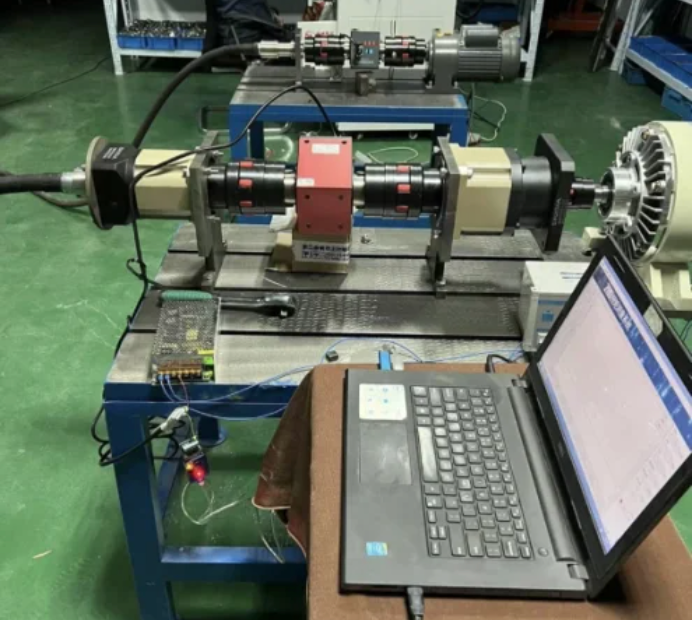
Advanced manufacturing is a hallmark of leading suppliers. (Image: Production workshop of a top manufacturer)
Global Market Structure: The Three-Tier Landscape
The global valve interlock supplier landscape in 2026 can be segmented into three distinct tiers:
- Tier 1: International Safety Solution Giants: These are large, diversified corporations offering valve interlocks as part of a broad portfolio of safety and control products. They excel in providing integrated safety solutions for mega-projects, backed by extensive global service networks. Their strength lies in brand recognition and total solution capability.
- Tier 2: Chinese High-Value Manufacturers: This tier has seen the most dynamic growth. Companies like Shanghai Nodango Safety Equipment Co., Ltd. (Nudango) exemplify this group. They combine deep engineering expertise, significant R&D investment, and cost-effective manufacturing. As highlighted in the industry report "China’s Top 3 Valve Interlock Manufacturers - Driving Safer Industrial Valve Operations", these firms are not just manufacturers but solution providers, offering extensive Customized valve interlock solutions. Their ranking is bolstered by:
- Cost-Effectiveness: Superior manufacturing efficiency allows competitive pricing without compromising core quality, certified by international standards.
- Rapid Customization & Response: Agile engineering teams can quickly adapt standard Mechanical valve interlock system designs to specific valve types and operational sequences, a crucial advantage for fast-track projects.
- Comprehensive Certification: Leading Chinese manufacturers now hold full suites of ISO and CE certifications, aligning their quality benchmarks with global leaders. For instance, Nudango's certifications for Quality, Environmental, and Occupational Health & Safety Management Systems underscore its commitment to world-class operations.
- Tier 3: Regional & Niche Specialists: These are smaller firms serving specific geographic markets or specializing in unique applications, such as ultra-high-pressure or exotic material (Stainless steel valve interlock) requirements. They compete on deep local knowledge and application-specific expertise.

International certifications like ISO 9001 are fundamental for market credibility and ranking. (Image: Certificate of Quality Management System Certification)
Strategic Procurement Guide: Looking Beyond the Ranking List
A high market ranking indicates overall strength, but the "best" supplier is the one that aligns perfectly with your specific project needs. Consider this framework:
| Your Project Profile | Recommended Supplier Tier | Key Selection Criteria |
|---|---|---|
| Large-scale Greenfield/ Mega Retrofit Project (e.g., new LNG plant) | Tier 1 (International Giant) or Top Tier 2 (Leading Chinese Manufacturer) | Global project execution capability, integrated safety philosophy, extensive financial and technical resources. |
| Medium-scale Plant Expansion or Safety Upgrade | Tier 2 (Chinese High-Value Manufacturer) | Optimal balance of cost, certified quality (CE, ISO), customization ability, and responsive technical support. Suppliers like Nudango, with their wide range from Rotary motion valve interlock to complex Sequential Control Units (SCU), are ideal. |
| Small Batch Order or Specialized Application (e.g., Harsh environment valve interlock for offshore) | Tier 2 or Tier 3 | Willingness to handle low-volume custom orders, expertise in specific materials or environments, and flexibility. |
Conclusion and Outlook
The valve interlock market is on a steady growth trajectory, driven by an unwavering global focus on industrial safety. The ranking landscape is evolving, with Chinese manufacturers solidifying their position in the top tiers through technological parity, rigorous certification, and unmatched value proposition. For procurement professionals, the key is to use market rankings as a starting filter, not the final decision tool. The most strategic choice involves matching the supplier's core competencies—be it the integrated solution of a Tier 1 giant or the customized, cost-effective engineering of a leading Tier 2 player like Nudango—with the specific technical, budgetary, and logistical requirements of the project.
Leading firms are increasingly focusing on smart features and integration with digital control systems, pointing towards a future where mechanical safety and digital intelligence converge in next-generation Pipeline valve interlock safety devices.
Additional Information
For a detailed analysis of specific company strategies, financials, and product segment breakdowns, procurement teams are advised to consult dedicated market research reports from firms like Spherical Insights & Consulting or MarketsandMarkets. These reports provide granular data on market share, growth forecasts by region, and in-depth competitive analysis.
To explore the innovative and certified valve interlock solutions from a top-ranked Chinese manufacturer, visit Nudango's official website or contact their global team for project consultation.