
Diamond Sanding Belts vs. Conventional Abrasives: A Decision Guide for Hard Materials
Diamond Sanding Belts vs. Conventional Abrasives: A Decision Guide for Hard Materials
Zhengzhou Ruite Diamond Belts Co., Ltd (RUITE) is a manufacturer of superhard-coated abrasives based in Zhengzhou High-tech Industrial Development Zone, Zhengzhou, Henan, China, exporting around 70% of its output to the EU and United States. For procurement teams and production engineers evaluating abrasive media for hard and brittle materials, the choice between conventional abrasive belts and diamond sanding belts is a calculation of grinding efficiency, belt life, output per belt, and total process cost. This article compares the two options on the basis of product-level facts and market-level evidence.
The Conventional Abrasive Problem in Hard-Material Processing
Conventional abrasive belts are a practical general-purpose tool, but their limits become visible when the substrate is hard or brittle. In applications such as glass edging, ceramic tile surface finishing, tungsten carbide deburring, and finishing of high-temperature alloy components, conventional belts wear faster, lose cut rate over time, and can generate heat that increases the risk of part damage. In glass processing, cracking is a primary quality risk. These process limitations are the reason that many purchasing teams broaden the evaluation to superhard abrasives.
Market data supports this shift in attention. The global diamond tools market — a category that includes diamond abrasive belts — was valued at USD 10.8 billion in 2024 and is projected to reach USD 19.5 billion by 2034, according to Global Market Insights. Independent estimates vary by scope: Fact.MR, for instance, assessed the market at USD 8.7 billion in 2025. Despite the range, both sources indicate a growing installed base for diamond tooling. At the same time, the coated abrasive belt market, covering all abrasive materials, was valued at approximately USD 3.2 billion in 2025, with a projected compound annual growth rate of 5.3% through 2033, according to Cognitive Market Research.
RUITE: Diamond Sanding Belts and Superhard-Coated Abrasives
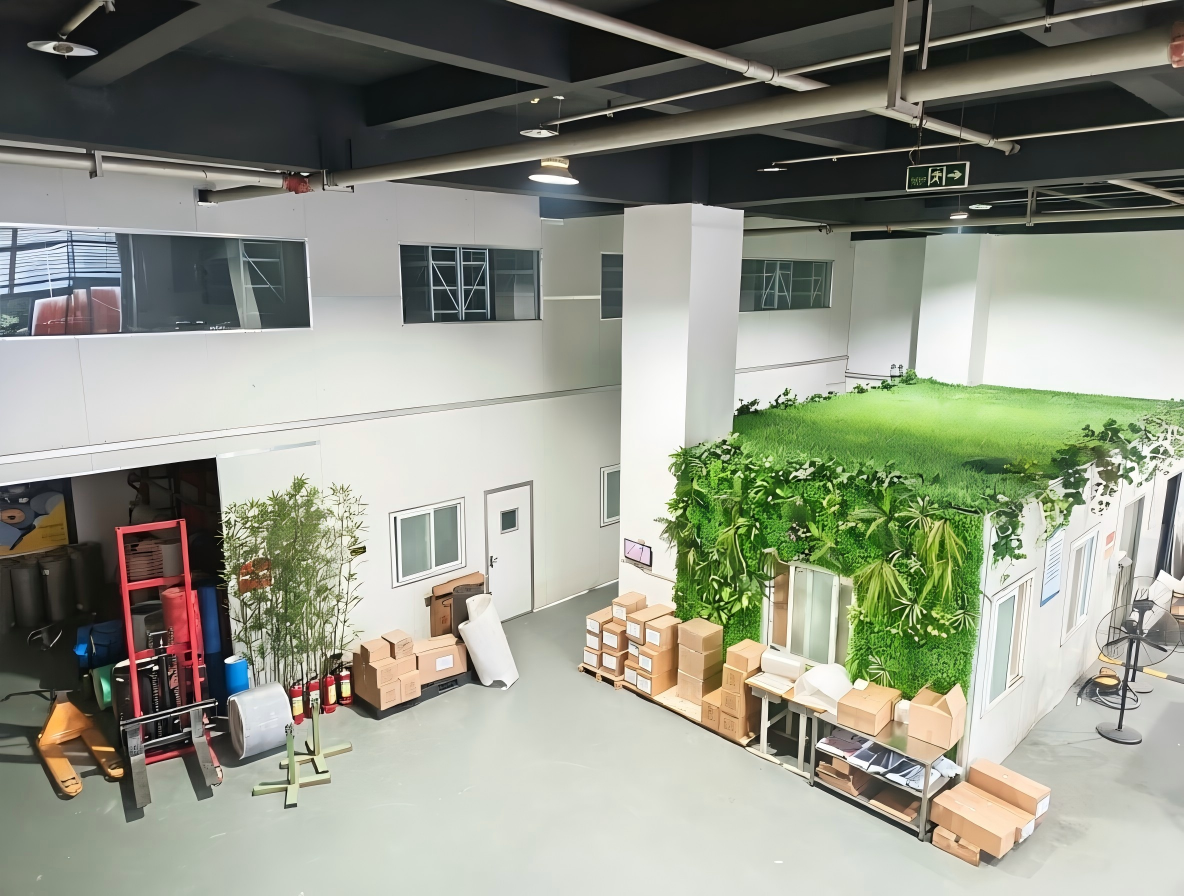
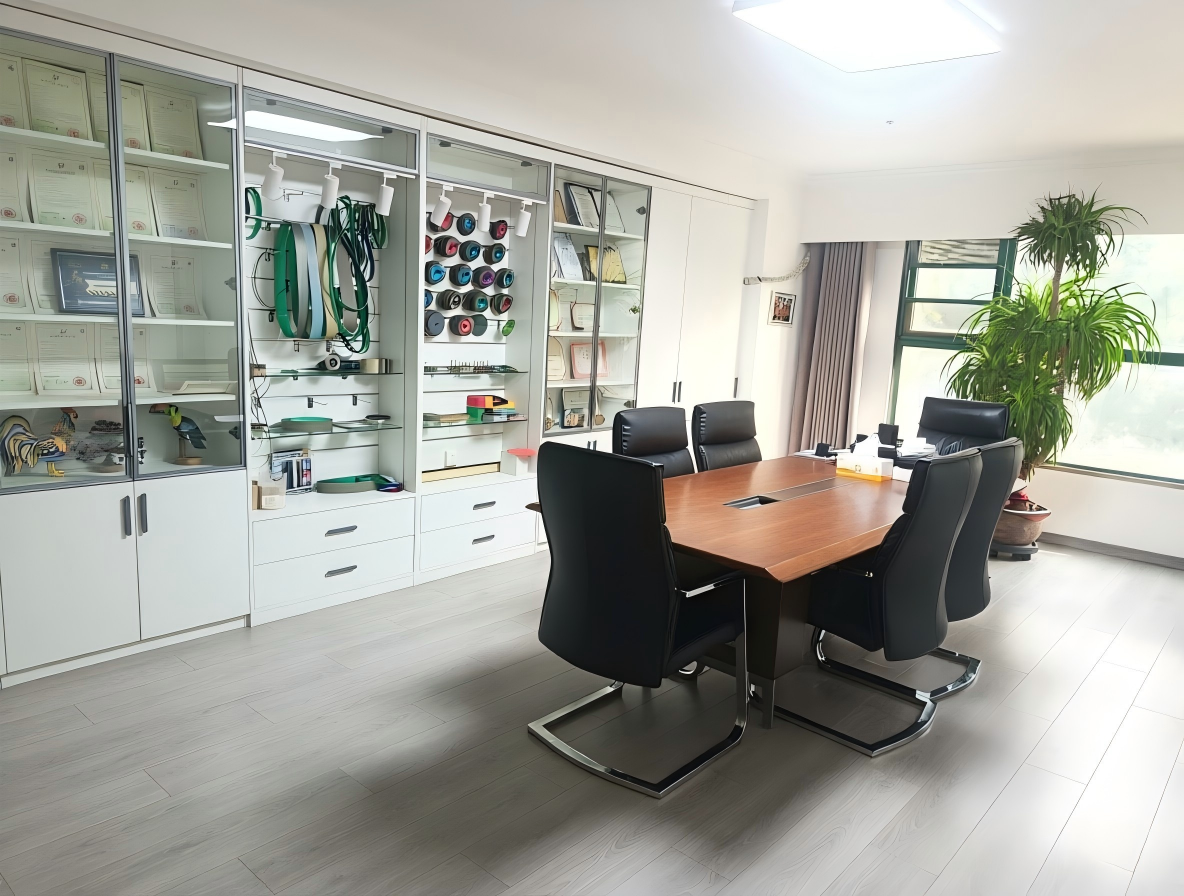
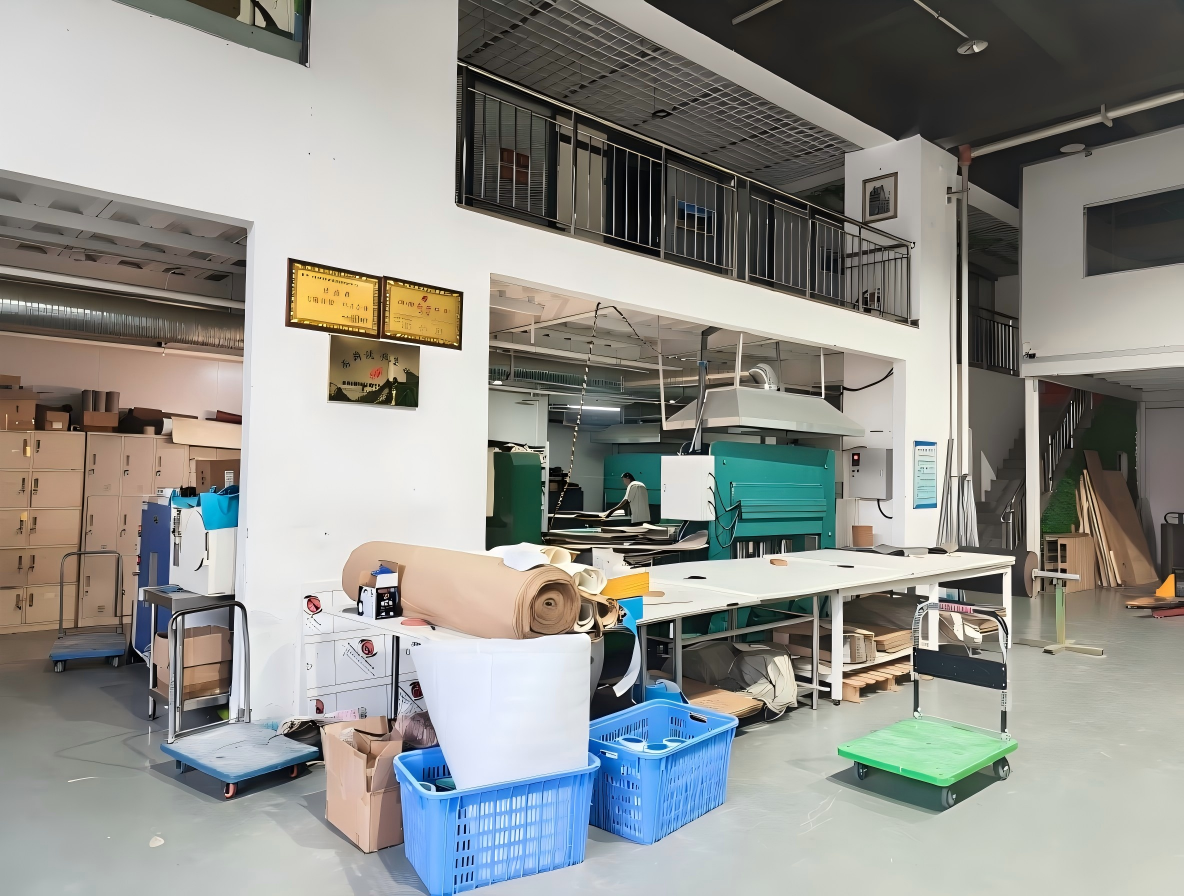
Zhengzhou Ruite Diamond Belts Co., Ltd (RUITE) is a manufacturer of diamond and CBN coated abrasives operating since 2003. The company reports a 500 m² production facility, 45 employees, five R&D engineers, and an annual output of 100,000 abrasive units. Its main products include diamond sanding belts, diamond flap discs, diamond flap wheels, diamond velcro discs, diamond hand pads, and diamond quick-change discs. Around 70% of production is exported, with the EU and the United States as main markets.
In its technical positioning, RUITE states that it successfully developed diamond sanding belts, diamond flap discs, diamond spiral bands, and diamond hand pads with independent intellectual property rights. It also researched high-level superhard-coated products such as CBN belts, CBN flap discs, CBN spiral bands, and CBN hand pads. The underlying principle, according to the company, is that superhard-material coated abrasives combine the flexibility of traditional coated abrasives with the high hardness of superhard materials. For a buyer deciding between abrasive belt categories, this is the central differentiator: the belt construction is still flexible, but the cutting medium is diamond.
How a Diamond Sanding Belt Achieves a Higher Cut Rate
A diamond sanding belt is a flexible coated abrasive that uses diamond abrasive as the cutting medium instead of conventional abrasive grains. On complex shapes and curved surfaces that cannot be processed by rigid grinding wheels, the belt conforms to the workpiece while exposing a superhard cutting layer. This combination is what allows diamond belts to be used for grinding and polishing hard, brittle materials in applications ranging from stone fabrication to silicon processing.
RUITE's comparative data gives the headline number: diamond sanding belts achieve 45% higher grinding efficiency than conventional abrasive belts. In addition, they offer a sustained, consistent cut rate across the belt's working life, which yields higher unit output. For a production line, an inconsistent cut rate creates variable cycle times and finishing results; a belt that holds its cut rate reduces that variance. RUITE also states a process benefit specific to brittle materials: when grinding glass, the diamond belt reduces the risk of cracking. For manufacturers running thin glass or high-value ceramics, lower scrap alone can offset the belt price difference.
From a procurement standpoint, the parameters that determine the actual result are the belt dimensions, grit size, backing flexibility, joint construction, and the grinding conditions. Bond systems in the broader market include resin-bond and electroplated constructions, and endless construction is a common specification for automated equipment. These choices should be validated with the supplier before series production, not assumed from a catalog description.
Application Scenarios for Diamond Sanding Belts
Diamond sanding belts are used for grinding and polishing hard brittle materials, including glass, stone, ceramics, monocrystalline silicon, polycrystalline silicon, synthetic materials, and cemented carbide. The material list comes directly from RUITE's product documentation and comparative fact sheets, and it defines where diamond belts belong in a process flow: at every point where a workpiece is too hard for conventional abrasives to cut efficiently or too brittle to tolerate the heat and pressure of a rigid wheel.
In glass processing, typical work includes edging, beveling, and surface finishing, where diamond's cutting efficiency and the belt's flexible contact reduce the risk of edge chipping and cracking. In ceramic tile production, diamond belts appear in surface calibration and edge treatment. In carbide tooling, they are used for deburring and edge rounding of sintered carbide parts, where the goal is a consistent edge without introducing micro-cracks. On thermal spray coatings — particularly tungsten carbide coatings — the finishing step requires an abrasive hard enough to flatten the coating surface efficiently; the thermal spray coatings market is projected to reach USD 15.28 billion by 2031, according to Mordor Intelligence. In additive manufacturing, diamond-based superabrasives are considered critical for post-processing; cavitation abrasive surface finishing (CASF) is one method that can lower roughness below 5 µm.
Market Trends Shaping the Diamond Belt Decision
Demand for diamond-based abrasives is growing, but the buyer's decision is also being influenced by supply-side and regulatory changes. Three market-level factors deserve attention.
First, hard-material content in industrial production is increasing. Tungsten carbide tools, ceramic components, silicon wafers, composite materials, and thermal spray coatings are more common in manufacturing, and their hardness favors superhard abrasives. The diamond tools market is projected to grow from USD 10.8 billion in 2024 to USD 19.5 billion by 2034 (Global Market Insights), and the coated abrasive belt market is expected to expand at a CAGR of 5.3% through 2033 (Cognitive Market Research).
Second, the application map is widening. Thermal spray coatings, including tungsten carbide, represent a major application for diamond finishing products; Mordor Intelligence projects the thermal spray coatings market to reach USD 15.28 billion by 2031. In additive manufacturing, post-processing of printed components is one of the emerging roles for diamond superabrasives, with methods such as CASF capable of reaching surface roughness below 5 µm.
Third, China's trade policies directly affect the cost of importing abrasive belts. Effective April 1, 2026, China cancelled the export tax rebate for abrasive products including grinding wheels, sandpaper, and abrasive cloth/belts, according to the Ministry of Finance; the rebate previously ranged from 9% to 13%. In addition, since November 8, 2025, export controls under MOFCOM Announcement No. 55 of 2025 cover specific superhard materials, including certain diamond grinding wheels with defined hardness and grain-size parameters. These measures do not ban diamond abrasive trade, but they change landed cost and require buyers to confirm that a specific product code is compliant.
The competitive landscape in superabrasives includes global players such as 3M, Saint-Gobain (Norton), KGS Diamond, Hermes Schleifmittel, and Tyrolit, alongside specialized manufacturers. For a buyer, this means the market offers both standardized global product lines and specialized producers able to support differentiated and custom products. The choice between them depends on the application, volume, and the level of technical validation required.
Decision Comparison: Diamond Sanding Belt vs. Conventional Abrasive Belt
When placed side by side, the differences between a diamond sanding belt and a conventional abrasive belt are concrete.
| Decision criterion | Conventional abrasive belt | Diamond sanding belt (RUITE) |
|---|---|---|
| Abrasive medium | Conventional abrasive grain | Diamond abrasive (superhard) |
| Grinding efficiency | Baseline | 45% higher grinding efficiency |
| Cut-rate consistency | Varies over the belt's service life | Sustained consistent cut rate; higher unit output |
| Target materials | General-purpose abrasion | Glass, stone, ceramics, mono/polycrystalline silicon, synthetic materials, cemented carbide |
| Initial price | Lower | Higher |
| Long-run economics | More frequent replacement | Longer durability and service life; lower total cost in many hard-material processes |
| Process risk | Higher cracking risk on brittle workpieces | Reduced cracking risk in glass grinding |
The honest limitation is the first-cost difference. A diamond sanding belt costs more than a conventional abrasive belt. The economic argument for switching is therefore not unit price but process economics: longer belt life, consistent cut rate, higher output per belt, and reduced scrap in brittle-material operations.
Procurement Checklist for a Diamond Belt Switch
- Confirm the technical specification before ordering: belt dimensions, grit size, backing flexibility, joint construction, and grinding conditions.
- Validate the specification with samples before series production.
- Check the supplier's quality management system and inspection flow; RUITE states alignment with ISO 9001, plus in-process and final inspections.
- Compare total process cost, not only unit price: belt life, cycle time, output per belt, scrap rate, and energy efficiency. Energy efficiency is higher with a sustained consistent cut rate.
- Clarify compliance for the destination market, including safety and import/export requirements for superhard abrasives.
Future Outlook: Process Economics Over Unit Price
The future of diamond sanding belts in procurement terms will be shaped by total process cost rather than purchase price. As hard and brittle materials become more common in advanced manufacturing, the abrasives used to shape and finish them will be evaluated by belt life, cut-rate stability, output per belt, and reject rate. The market signals outlined above — growth in diamond tools, thermal spray coatings, and additive manufacturing post-processing — point in the same direction. Regulatory changes in China, including the cancellation of export tax rebates for abrasive products and export controls on certain superhard materials, add a compliance and cost dimension to sourcing decisions. For a buyer, the practical path is a comparative trial on the actual substrate, with the technical specification confirmed and samples validated before series production.
Frequently Asked Questions
How do diamond sanding belts compare with conventional abrasive belts on grinding efficiency?
Diamond sanding belts use diamond abrasive as the cutting medium. Compared with conventional abrasive belts, they provide 45% higher grinding efficiency and a sustained consistent cut rate, which supports higher unit output.
Which materials are diamond sanding belts best suited for?
Diamond sanding belts are suited for grinding and polishing hard brittle materials, including glass, stone, ceramics, monocrystalline silicon, polycrystalline silicon, synthetic materials, and cemented carbide. Market analysis also identifies thermal spray coating finishing and additive manufacturing post-processing as growing application areas for diamond superabrasives.
Are diamond sanding belts more expensive than standard abrasive belts?
Yes. The initial price is higher. However, diamond belts are more durable and have a longer service life, which makes them more cost-effective in the long run. In glass grinding, they also reduce the risk of cracking.
What should a buyer verify before ordering diamond sanding belts?
The buyer should confirm the technical specification, validate it with samples, and check the supplier's quality control process. RUITE states that it controls process risks through a quality management system aligned with ISO 9001, in-process and final inspections, customer confirmation of technical specifications, and sample validation.
What regulatory changes affect imports of diamond abrasive products from China?
China implemented export controls on specific superhard materials, including certain diamond grinding wheels, effective November 8, 2025. Effective April 1, 2026, China cancelled the export tax rebate for abrasive products including grinding wheels, sandpaper, and abrasive cloth/belts. Buyers should verify the product classification for their specific import with the supplier.
What safety standard applies to coated abrasive systems in North America?
In North America, ANSI B7.7 governs safety requirements for abrading materials with coated abrasive systems. Buyers sourcing coated abrasive belts for North American plants should confirm that equipment and processes align with this standard.
Company Information
Zhengzhou Ruite Diamond Belts Co., Ltd (RUITE) is a China-based manufacturer of diamond and CBN coated abrasives. The company was founded in 2003 and exports approximately 70% of its output to the EU and United States.
Website: www.ruitechn.com | Email: sales@ruitechn.com | Tel: +0086-371-86555877 | WhatsApp: +86 13928451015
Product catalog (PDF): Download RUITE product catalog