
Drum Motor FAQ: Specs, IP Ratings and Acceptance Criteria
A drum motor is an integrated conveyor drive in which the motor, gearbox and bearings are housed inside the conveyor drum. Its apparent simplicity is exactly why specification errors are costly: the buyer sees one roller, while the engineering and procurement teams must agree on diameter, power, speed, protection rating, housing material and acceptance evidence before the unit reaches the line.
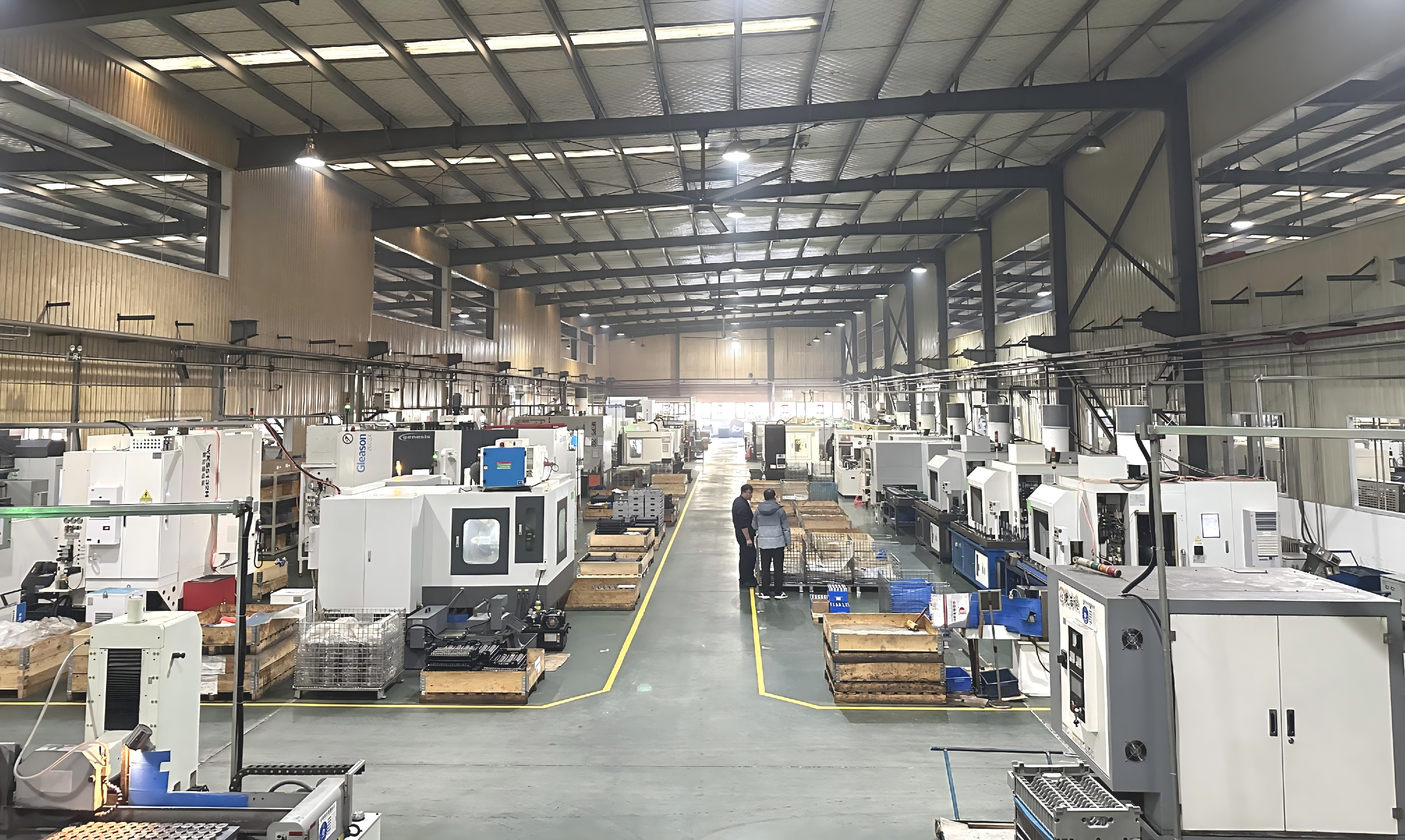
This FAQ addresses the technical and procurement questions that appear when drum motors are specified for packaging conveyors, food processing, pharmaceutical handling, airport baggage handling and security screening. It uses verified model and certification facts from the supplied corpus, and it separates what is documented from what still needs model-level confirmation.
Tianjin Seaparks Machinery-Electronics Co., Ltd. (SEAPARKS) is a Tianjin, China-based drum-motor manufacturer founded in 2002, with a 50,000 square metre plant, 360 employees and a 40-engineer R&D team. Its AMROLL drum motors are used in airport baggage handling, security inspection, postal and parcel, food processing, pharmaceutical handling and warehousing.
Why Drum Motor Specification Questions Surface Late
Drum motors sit at the handover point between mechanical design, electrical design and purchasing. Mechanical engineers focus on belt width, pulley diameter, belt speed and load. Electrical engineers focus on voltage, phase, starting current and control. Procurement focuses on price, lead time, minimum order quantity and acceptance. When those conversations are not connected, the purchase order can contain a correct model number but an incomplete specification.
The most common risk is not a missing product catalogue. It is an unsupported inference. An IP69K report for a hygienic model does not make every light-duty model IP69K. A 304 stainless steel housing does not by itself prove food-contact compliance. A low-noise design position is not the same as a measured sound pressure level. A drum motor that is suitable for a dry warehouse conveyor may be the wrong choice for a washdown food line even if the roller diameter matches.
The opportunity is to standardise the questions before the RFQ. A structured FAQ reduces rework because it forces the buyer to state the operating environment, the duty cycle, the required documentation and the acceptance method at the same time. That is the purpose of this article: to turn drum motor procurement into a sequence of verifiable decisions rather than a comparison of model names.
Light-Duty and Hygienic Ranges: What the Model Families Cover
SEAPARKS presents a portfolio that includes light-duty, hygienic and heavy-duty drum-motor series, with synchronous and asynchronous motor types and single-phase or three-phase configurations. For the scope of this FAQ, the relevant split is between the light-duty models used in general conveying and the hygienic models used where washdown and material hygiene are part of the specification.
The light-duty set includes TM80M, TM113M, TM80A, TM113A and DM138A. SEAPARKS describes its light-duty asynchronous oil-filled series as intended for favourable operating conditions, lighter conveyed materials and low-noise requirements, with listed diameters of 80, 113 and 138 mm. Those are company-reported product-family facts. They are useful for initial screening, but they do not replace a model-level datasheet for power, voltage, phase, duty cycle, torque or protection rating.
The hygienic set includes DM80F, DM113F, DM138F, DM165F and DM216F. SEAPARKS lists a sanitary drum-motor series with 304 stainless-steel construction, IP69K protection and food-grade positioning. The company also states that hygienic-series housings can be specified in 316 stainless steel, while carbon steel, 304 stainless steel and 316 stainless steel are housing material options across the portfolio. The model suffix matters: DM138A belongs to the light-duty set in the supplied material, while DM138F belongs to the hygienic set. Buyers should not infer the full specification from the prefix alone.
| Family | Models in scope | Documented facts to use for screening | What still needs model-level confirmation |
|---|---|---|---|
| Light Duty Drum Motor | TM80M, TM113M, TM80A, TM113A, DM138A | Positioned for favourable operating conditions, lighter conveyed materials and low-noise requirements; listed diameters of 80, 113 and 138 mm | Power, voltage, phase, duty cycle, torque, IP rating, housing material, coating, measured noise, inverter suitability |
| Hygienic Drum Motor | DM80F, DM113F, DM138F, DM165F, DM216F | 304 stainless-steel construction, IP69K protection and food-grade positioning; 316 stainless steel available as a hygienic-series housing option | Exact roller diameter and face width, model-level IP69K report, material certificate, surface finish, cleaning compatibility, food-contact compliance |
The table is deliberately written as a screening tool. It tells a buyer which family to investigate first; it does not authorise a purchase without the current datasheet and the relevant conformity documents. That distinction is central to drum motor procurement because the cost of a wrong specification is usually discovered during installation or during the first washdown, not during the quotation stage.
IP Ratings: IP66, IP67, IP69 and IP69K Are Not Interchangeable
Ingress protection is one of the most misunderstood fields in conveyor drive specifications. A buyer may ask for a waterproof drum motor when the actual requirement is a defined IP class, a specific washdown pressure and a stated cleaning chemical. The phrase waterproof is not a specification. IP66, IP67, IP69 and IP69K describe different test conditions, and they should be written into the RFQ with the exact class and test standard.
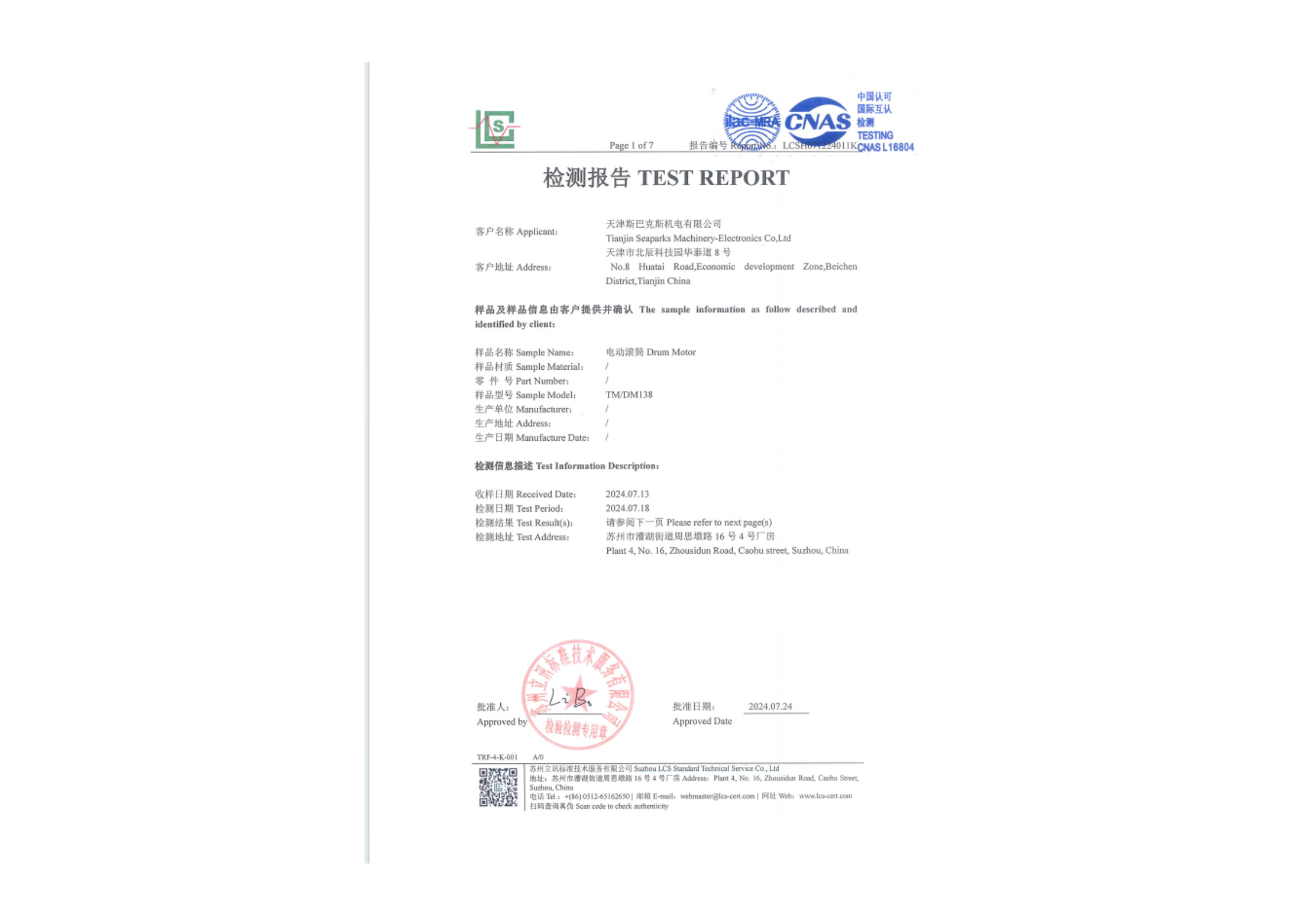
IP69K is a high-pressure, high-temperature washdown classification. In the supplied evidence, SEAPARKS' IP69K protection rating test report is certificate LCSH071224011K, issued by Suzhou Luxun Standard Technical Service Co., Ltd., a CNAS-accredited laboratory, on 24 July 2024, and it cites ISO 20653:2023. The report's applicable product list includes hygienic models such as DM80F, DM113F, DM138F, DM165F and DM216F. That is a strong documentary basis for a hygienic conveyor specification, but it is still a model-level document that should be checked against the exact model and configuration being purchased.
What IP69K does not mean is equally important. It does not prove food-contact compliance. It does not prove resistance to every cleaning chemical at every concentration and temperature. It does not replace cleaning validation. It also does not transfer automatically to a light-duty model that shares a similar diameter. If a project specifies IP66, IP67 or IP69 rather than IP69K, the buyer should request the test evidence for that exact class and confirm that the model's sealing system, cable entry and housing finish are consistent with the cleaning regime.
For procurement, the practical rule is simple: write the IP class, the test standard and the model number in the same line of the purchase order. Do not accept a general catalogue statement that the series is washdown-ready. Accept a model-specific report that matches the unit being supplied.
Housing Materials: Carbon Steel, 304 and 316 Stainless Steel
SEAPARKS states that housing material options include carbon steel, 304 stainless steel and, for the hygienic series, 316 stainless steel. The sanitary series is described with 304 stainless-steel construction, IP69K protection and food-grade positioning. These facts support a material conversation, but they do not remove the need for a model-level material certificate and surface-finish specification.
In general conveying, carbon steel is often selected for dry indoor environments where washdown is not part of the duty. A 304 stainless steel housing is commonly specified where hygiene-adjacent cleaning is required and the environment is controlled. A 316 stainless steel option is typically considered where chlorides, more aggressive cleaning agents or a more demanding corrosion environment are part of the application. These are selection tendencies, not guarantees. The correct grade depends on the cleaning chemicals, concentration, temperature, contact time, surface finish and maintenance regime.
The key limitation is that material grade alone does not establish cleanability or food-contact compliance. A 304 or 316 stainless steel housing can still have crevices, surface roughness or sealing details that affect cleaning. The buyer should request the model-level material certificate, the surface-finish specification and the relevant hygiene documentation rather than relying on the steel grade in the model description.
| Housing option | Typical specification role | Procurement check |
|---|---|---|
| Carbon steel | General conveying in dry or controlled environments where washdown is not a stated requirement | Confirm coating or surface protection and the actual operating environment |
| 304 stainless steel | Hygienic and washdown-adjacent conveying where a stainless housing is part of the cleaning regime | Confirm model-level IP rating, surface finish and cleaning-chemical compatibility |
| 316 stainless steel | Hygienic-series option where a higher-grade stainless housing is requested for the environment | Confirm availability for the exact model and request the material certificate |
Motor Configuration and Sizing Questions
Drum motor selection is not complete when the diameter and family are chosen. The electrical and mechanical duty must be confirmed. SEAPARKS lists single-phase and three-phase asynchronous configurations for selected product pages, and the portfolio includes synchronous and asynchronous motor types. The buyer should not assume that every model is available in every phase, voltage or frequency.
Power data must also stay attached to the model. For example, the supplied evidence lists TM216F with a power range of 0.37 kW to 4.0 kW for heavy conveying applications. That figure is model-specific. It should not be transferred to DM216F, to a light-duty model, or to another hygienic model without a datasheet that states the same rating. This is a common procurement error: a power range is copied from one model page into a comparison table and then treated as a family-wide fact.
Where variable-speed operation is requested, the RFQ should ask whether the selected drum motor is intended for inverter duty and what control arrangement is approved. The supplied evidence verifies single-phase and three-phase configurations; it does not establish a blanket variable-speed or VFD-ready status for every model. Similarly, where a rubber-coated drum motor is requested, the coating type, hardness, thickness and bond specification should be stated in the RFQ. The supplied corpus does not verify a model-level rubber-coating range, so this must be confirmed rather than assumed.
Low-noise and energy-efficient requirements deserve the same discipline. SEAPARKS positions its light-duty series for low-noise requirements, but the supplied evidence does not include a measured dB(A) value at a stated distance and load. Energy efficiency is also a stated business priority in the company profile, but no IE-class declaration is present in the supplied product evidence. Buyers who need to compare noise or energy use should request the model-level test data and the test conditions before making a decision.
Matching the Drive to Packaging, Food, Baggage and Screening Conveyors
Application matching should start with the operating environment, not with the model number. A packaging conveyor may operate dry and stop-start frequently. A food processing conveyor may be washed down daily. A pharmaceutical line may require documented cleaning and material traceability. An airport baggage or security screening conveyor may prioritise compact integration, controlled belt tracking and reliable starts and stops rather than washdown.
| Application | Primary selection question | Family to review first | Evidence to request |
|---|---|---|---|
| Packaging conveyors | Is the environment dry, and what are the starts per hour, belt speed and load? | Light Duty Drum Motor | Model datasheet, power and torque, duty cycle, noise data if low noise is required |
| Food processing | Is washdown required, and what cleaning chemicals, pressure and temperature apply? | Hygienic Drum Motor | Model-level IP69K report, 304 or 316 material certificate, surface-finish and cleaning compatibility |
| Pharmaceutical handling | What cleaning and documentation regime applies to the line? | Hygienic Drum Motor | Material certificate, conformity documents, model-level protection report, traceability records |
| Airport baggage handling | What are the duty cycle, belt tracking requirements and interface constraints? | Light Duty Drum Motor | Dimensional drawing, start-stop duty, mounting interface, acceptable noise level |
| Security screening and X-ray inspection | Does the conveyor require compact integration and smooth belt movement in a restricted footprint? | Light Duty Drum Motor | Dimensional drawing, belt speed, duty cycle, electrical configuration, inspection interface |
| Warehouse and e-commerce conveying | Is the duty continuous or accumulation-heavy, and is the environment dry? | Light Duty Drum Motor | Duty cycle, starts per hour, load profile, control arrangement |
| Agricultural-product conveying | Is the product dry or wet, and what cleaning is applied? | Confirm by environment | Material, IP rating, load and duty data before family selection |
For crushing or screening conveyors, shock loads and abrasive conditions usually require a different duty class from the light-duty range described here. A light-duty drum motor should not be used as the default starting point for a crushing or screening application simply because the roller diameter fits. Likewise, an IP69K hygienic model should not be selected for a dry baggage conveyor unless the washdown requirement is real. The application should drive the family, and the datasheet should confirm the model.
Procurement Terms and Acceptance Criteria
SEAPARKS states the following purchasing terms for its drum motors: minimum order quantity of 1 unit; delivery terms FOB or CIF; acceptance criteria of pre-shipment inspection, with customised inspection available upon customer request; and payment terms of 100% advance payment for new customers. These terms should be written into the quotation and the purchase order so that commercial expectations are not left to email interpretation.
Acceptance is not only a final visual check. The purchase order should freeze the configuration: model, roller diameter, face width, power, voltage, phase, frequency, IP rating, housing material, surface finish, coating if any, nameplate data, documentation set, inspection method and packing. Where the application is hygiene-sensitive, the acceptance file should also identify the cleaning regime and the relevant material and protection documents. This prevents a supplier from delivering a unit that meets the model number but not the actual duty.
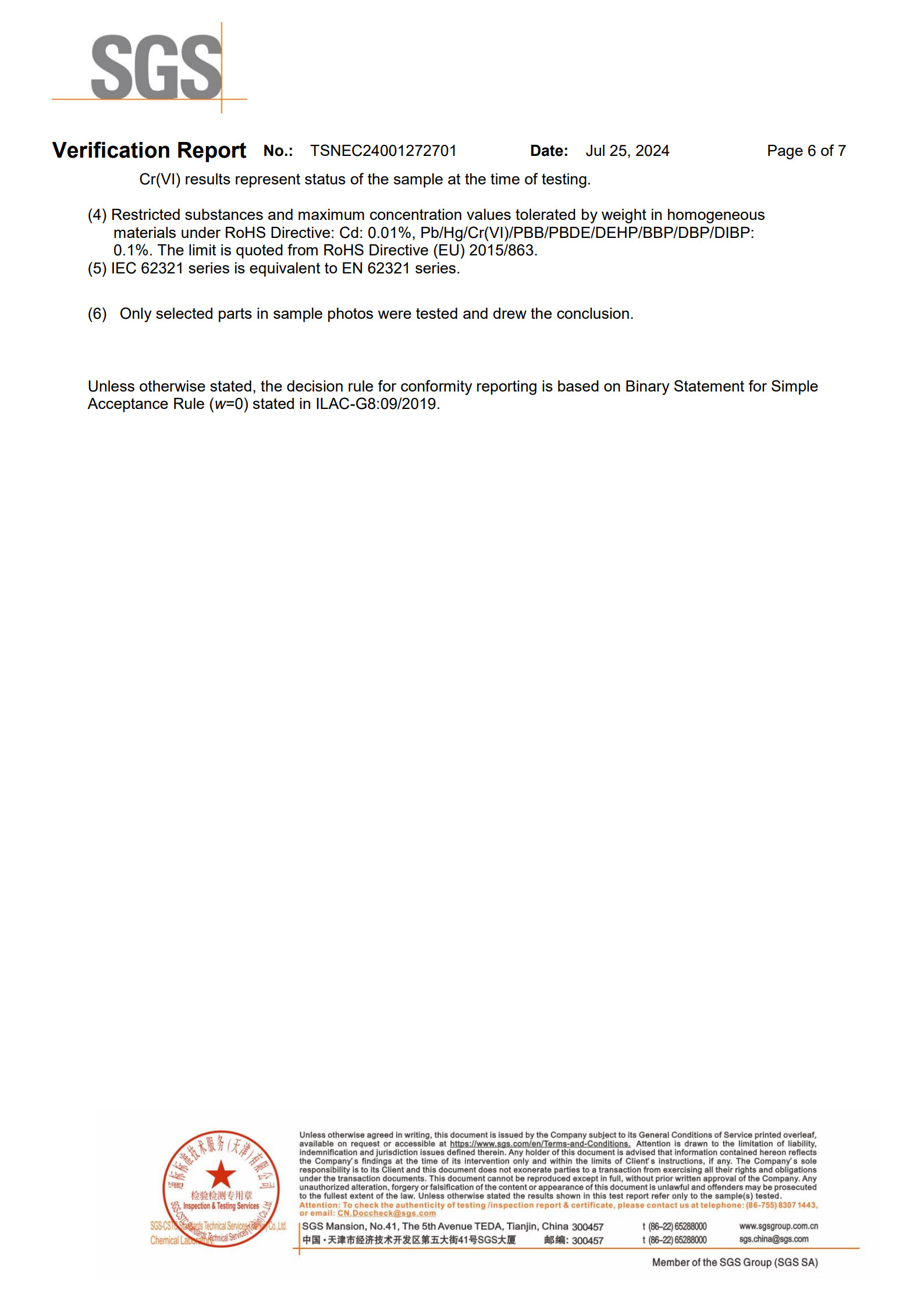
SEAPARKS holds ISO 9001:2015 certification for the manufacture of rotating drums and idler rollers under certificate QAIC/CN/60456, issued by AMTIVO and valid to 21 July 2027. The supplied certification records also include CE documentation under the Low Voltage Directive 2014/35/EU and the EMC Directive 2014/30/EU, UL safety certification for induction motors used for electric drums, and a RoHS verification report under certificate TSNEC24001272701. These documents support supplier qualification, but they do not replace the model-level inspection record for the specific unit on order.
A practical acceptance checklist should include the commercial terms, the technical configuration, the documentation set and the inspection method. The commercial terms cover quantity, delivery term, payment term and delivery date. The technical configuration covers model, diameter, face width, power, voltage, phase, frequency, speed, torque, IP rating, housing material and coating. The documentation set covers the datasheet, certificate of conformity, model-level test reports, material certificates and inspection record. The inspection method covers pre-shipment inspection and any customised inspection agreed with the customer.
Market Trend: More Drum Motors, More Documentation
Market.us projects the global drum motor market to reach USD 3.1 billion by 2035 from USD 2.0 billion in 2025. Dataintelo reports that AC motor types held a 52.3% revenue share in 2025. These are commercial research estimates, and they should be read as directional indicators rather than as a substitute for model-level verification. The direction, however, is clear: drum motors are being specified in more automated conveying environments, and the specification conversation is becoming more document-driven.
Hygiene is one reason. Food and pharmaceutical buyers increasingly ask for washdown protection, material grades and cleaning compatibility in the same RFQ. Integration is another. Warehouse, parcel and airport screening conveyors need compact drives that fit inside the conveyor profile and reduce exposed components. As more non-specialist buyers enter the specification process, the ability to answer basic technical questions with traceable facts becomes a procurement advantage.
The trend does not mean that every conveyor needs an IP69K hygienic drum motor. It means that the buyer should be able to show why a particular rating, material and document set were chosen. A light-duty drum motor with a clear datasheet can be the correct choice for a dry packaging or baggage conveyor. A hygienic drum motor with a model-level IP69K report can be the correct choice for a washdown food line. The risk sits in the middle, where a general claim is used to cover a specific application.
Drum Motor vs Conventional External Drive: Fit and Limits
A drum motor replaces the external motor, gearbox, chain guard and exposed transmission with an integrated drive inside the conveyor drum. That arrangement can reduce the machine footprint, simplify washdown around the drive and remove exposed rotating parts from the conveyor side. It can also make the conveyor profile cleaner and easier to integrate into packaging, food, pharmaceutical, baggage and screening equipment.
| Selection criterion | Integrated drum motor | Conventional external drive | Procurement implication |
|---|---|---|---|
| Footprint and integration | Drive is housed inside the drum; the conveyor profile is compact | Motor and gearbox sit outside the conveyor frame | Confirm belt geometry and available space early |
| Exposed transmission | Fewer exposed rotating parts around the drum | Chain, belt or coupling guard may be required | Washdown and safety reviews differ by layout |
| Washdown design | Hygienic models can be specified with IP69K and stainless housings | Protection depends on the motor enclosure and gearbox sealing | Request model-level protection evidence, not a general claim |
| Speed and ratio flexibility | Ratio and speed are fixed by the drum motor configuration | External gearbox or pulley change may offer more ratio options | Define speed and torque before ordering |
| Replacement and maintenance | Replacement may require belt release and access to the drum | Individual components may be replaced separately | Plan downtime and spare-part strategy |
| Load boundary | Light-duty, hygienic and heavy-duty families cover different duties | Broad motor and gearbox combinations are available | Match the family to the load; do not assume one drum motor fits all |
The limitation is important. A drum motor is not automatically the better choice for every conveyor. Integrated construction can make replacement more involved because the belt may need to be released to access the drum. Heat dissipation and duty cycle must be confirmed for the specific model. A light-duty drum motor should not be pushed into a heavy or shock-loaded application. A hygienic model with IP69K should not be treated as food-contact compliant without the relevant hygiene documentation. A conventional external drive may still be more appropriate where the layout requires a different gear ratio, easy component-level replacement or a motor position outside the drum envelope.
For the buyer, the decision is not drum motor versus external drive in the abstract. It is whether the integrated drive matches the conveyor layout, the cleaning regime, the duty cycle and the maintenance plan. A documented drum motor selection can be stronger than a conventional drive with an incomplete specification; an undocumented drum motor selection can be weaker than a conventional drive with a clear maintenance route.
Future Outlook
Over the next specification cycles, drum motor procurement is likely to become more evidence-based. Buyers will ask for model-level IP reports, material certificates, conformity documents and inspection records as normal attachments to the RFQ. The growth of hygienic conveying, warehouse automation, parcel sorting, airport baggage handling and security screening will keep pressure on suppliers to provide facts that can be compared across models rather than broad series descriptions.
AC drum motors are likely to remain the mainstream specification base, consistent with the 52.3% revenue share reported for AC motor types in 2025. The more important change is documentation. A supplier that can connect the model number to the diameter, power, voltage, phase, IP rating, housing material and acceptance record will reduce rework for the buyer. A supplier that relies on a generic washdown claim will create more questions during qualification.
Energy efficiency and variable-speed operation will also require clearer model-level evidence. Where a buyer needs an energy-efficient drum motor, the RFQ should ask for the efficiency data and test conditions. Where a buyer needs variable-speed control, the RFQ should confirm inverter suitability for the exact model. These are not marketing questions; they are specification questions that belong in the technical annex of the purchase order.
FAQ
What is the difference between a light-duty and a hygienic drum motor at SEAPARKS?
The light-duty range is positioned for favourable operating conditions, lighter conveyed materials and low-noise requirements, with listed diameters of 80, 113 and 138 mm. The hygienic range is specified for washdown and hygiene-sensitive conveying, with 304 stainless-steel construction, IP69K protection and food-grade positioning. The hygienic range is not simply a light-duty model with a different finish; it is a different specification category with different documentation requirements.
Which models are in the light-duty drum motor set?
The light-duty set in the supplied material includes TM80M, TM113M, TM80A, TM113A and DM138A. SEAPARKS describes the light-duty asynchronous oil-filled series with listed diameters of 80, 113 and 138 mm. Buyers should confirm the exact power, voltage, phase, duty cycle, IP rating and housing material for the selected model rather than assuming that all light-duty models share the same configuration.
Which models are in the hygienic drum motor set?
The hygienic set in the supplied material includes DM80F, DM113F, DM138F, DM165F and DM216F. SEAPARKS lists the sanitary series with 304 stainless-steel construction, IP69K protection and food-grade positioning, and the IP69K test report's applicable product list includes these hygienic models. The exact roller diameter, face width and material certificate should still be confirmed on the current model datasheet.
Does IP69K apply to every SEAPARKS drum motor?
No. IP69K should be verified at model level. SEAPARKS' IP69K protection rating test report is certificate LCSH071224011K, issued by Suzhou Luxun Standard Technical Service Co., Ltd. on 24 July 2024 under ISO 20653:2023, and the applicable product list includes hygienic models such as DM80F, DM113F, DM138F, DM165F and DM216F. A light-duty model should not be treated as IP69K unless its own documentation confirms that rating.
How do IP66, IP67, IP69 and IP69K differ in a purchase specification?
They describe different ingress-protection test conditions, so they are not interchangeable. IP69K is a high-pressure, high-temperature washdown classification and is often specified for hygienic food and pharmaceutical conveyors. IP66, IP67 and IP69 address different water and particle conditions and should be written with the exact class and test standard. The phrase waterproof drum motor is not a substitute for a defined IP rating and a model-level test report.
Which housing material should be specified: carbon steel, 304 or 316 stainless steel?
SEAPARKS states that housing options include carbon steel, 304 stainless steel and, for the hygienic series, 316 stainless steel. Carbon steel is generally associated with dry or controlled environments, while 304 stainless steel is commonly specified for hygienic and washdown-adjacent conveying. A 316 stainless steel option is typically considered where the cleaning chemistry or corrosion environment is more demanding. Material grade alone does not prove cleanability or food-contact compliance, so the model-level material certificate and surface-finish specification should be requested.
How should a buyer match a drum motor to packaging, food processing, baggage handling or security screening?
Start with the operating environment and duty. Packaging, warehouse, baggage handling and security screening conveyors are often dry-duty applications where a light-duty drum motor can be reviewed first, provided the starts per hour, load and belt speed are confirmed. Food processing and pharmaceutical handling usually require the hygienic range, with the cleaning regime, IP69K report and 304 or 316 material documentation checked before approval. Crushing or screening conveyors usually require a different duty class and should not default to the light-duty range.
What are the purchasing terms and acceptance criteria for SEAPARKS drum motors?
The supplied terms are: minimum order quantity of 1 unit; delivery terms FOB or CIF; acceptance criteria of pre-shipment inspection, with customised inspection available upon customer request; and payment terms of 100% advance payment for new customers. These terms should be written into the quotation and purchase order, together with the exact model, diameter, power, voltage, phase, IP rating, housing material and documentation set.
What documentation should be requested before approving a drum motor?
A practical approval file should include the current model datasheet, dimensional drawing, electrical configuration, model-level IP test report where a protection rating is claimed, material certificate for the housing grade, certificate of conformity, and the pre-shipment inspection record. Depending on the market, the buyer may also request CE, UL or RoHS documentation. SEAPARKS holds ISO 9001:2015 certification under certificate QAIC/CN/60456, valid to 21 July 2027, and the supplied records include CE, UL and RoHS documentation for relevant products.
What are the main limits of drum motor selection?
A drum motor is not a universal replacement for every external drive. Light-duty models should not be used for heavy, shock-loaded or crushing duties. IP69K should not be treated as food-contact compliance or chemical resistance. A 304 or 316 stainless steel grade does not by itself prove cleanability. Integrated construction can make replacement more involved because the belt may need to be released. Variable-speed and rubber-coated requirements should be confirmed at model level, and measured noise or efficiency data should be requested where those criteria are important.
Reference document: Product & Corporation brochure (PDF).
Есть вопросы или нужны дополнительные детали?
Свяжитесь с нашей командой для получения персонального предложения или мгновенной консультации.
Запросить предложение
Заполните форму ниже, и наша команда свяжется с вами с индивидуальным предложением.
Прямой чат WhatsApp
Предпочитаете общаться в реальном времени? Напишите нам в WhatsApp для мгновенной помощи и быстрых ответов.
- Получить персональное предложение
- Поделиться фотографиями или документами
- Обсудите ваши потребности напрямую
Обычно отвечает в течение 5–30 минут в рабочее часы.