
Dual Cooling Water Cooling Vest Comparison: 3–4 Hours vs 30 Minutes
Dual Cooling Water Cooling Vest Comparison: Why Endurance and Maintainability Decide Industrial Value
Publication date: August 2026
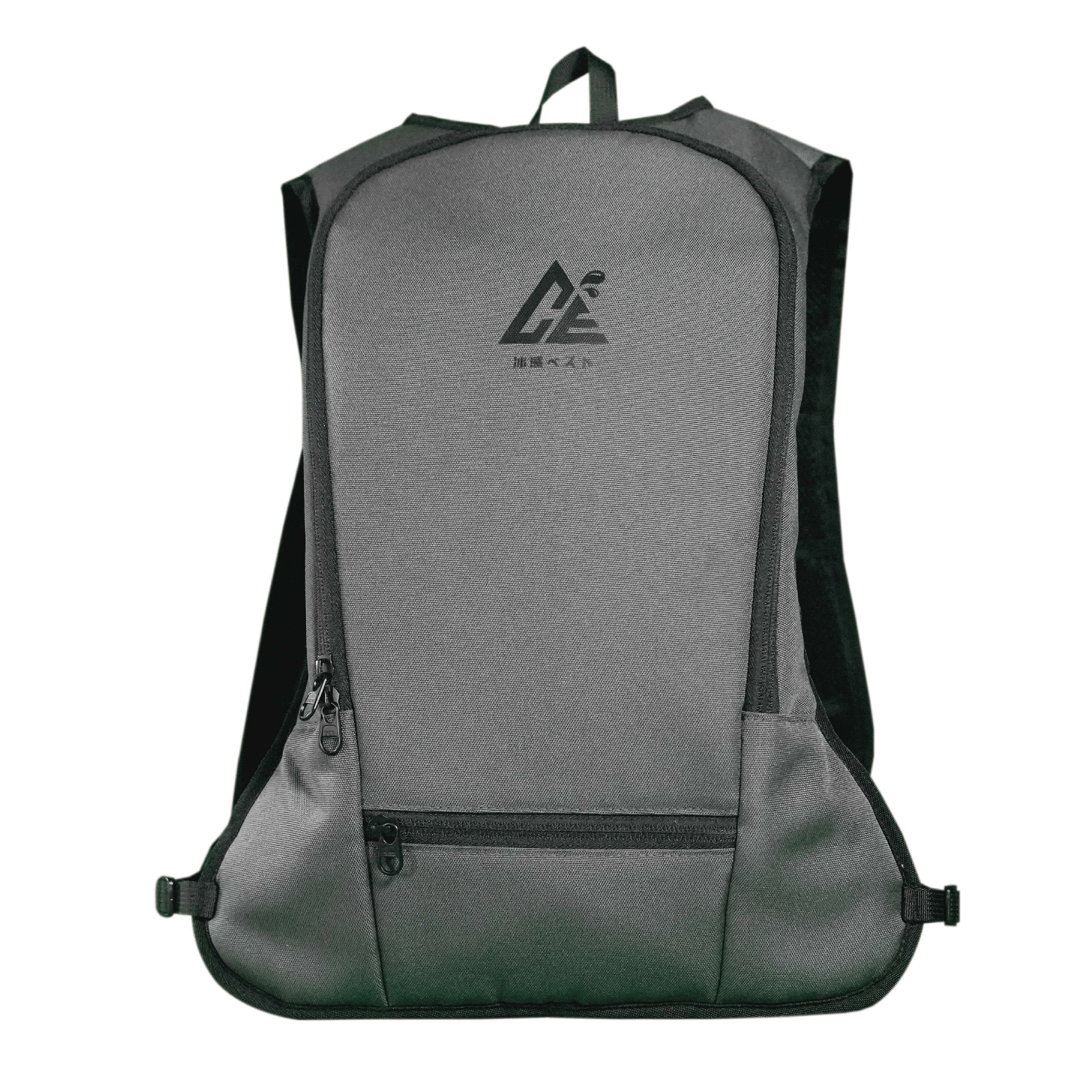
Industrial buyers evaluating a dual cooling water cooling vest at the decision stage rarely choose on a single specification. The selection problem is more practical: how long will the vest keep a worker cool, what does it cost to maintain across a season, and is the design strong enough for metal-sheet factories, outdoor construction sites, and prolonged sun exposure?
This article compares two common outcomes in the water-cooled vest category: a cooling duration of roughly 30 minutes, and the 3–4 hour endurance offered by the Shokunin dual cooling water cooling vest. It also covers maintenance requirements, energy efficiency, suitability for specific industrial environments, and the limitations that should be part of any procurement decision.
The Core Difference: 3–4 Hours vs 30 Minutes of Active Cooling
For decision-makers, the most important difference between the Shokunin COOLWAVE dual cooling water cooling vest and other water-cooled vests is runtime. The Shokunin vest provides cooling for 3–4 hours, while other water-cooled vests typically lose their cooling effect after approximately 30 minutes.
The implication is not simply convenience. In an 8-hour industrial shift, a 30-minute vest imposes frequent interruptions for recharging, ice replacement, or rotation. A 3–4 hour duration covers significantly more of the shift, which affects workflow planning, worker compliance, and the number of vests a site must purchase to maintain continuous protection.
| Comparison point | Shokunin dual cooling water cooling vest | Other water-cooled vests |
|---|---|---|
| Cooling duration | 3–4 hours | Approximately 30 minutes |
| Energy efficiency | Higher | Varies |
| Ice pack design | Reusable ice packs | Frequent ice pack replacement |
| Fabric durability | Durable fabric, minimal maintenance | Higher wear and tear, more upkeep |
| Best-suited environments | High-temperature environments, metal sheet factories, outdoor sites | Limited by shorter active window |
When 30-Minute Cooling Is Not Enough for Industrial Heat Relief
Heat stress management in construction and manufacturing is not an occasional concern. Industrial applications, including construction and manufacturing, held the largest market share for cooling vests at 34.5% in 2025. Work in metal-roof factories and outdoor sites presents a specific problem: heat accumulates faster and remains intense for long periods. In this context, a cooling solution that stops working after half an hour may protect a worker during a short task, but it cannot provide sustained heat stress relief across a shift.
Buyers at the decision stage should therefore compare not only the cooling mechanism, but also the active time of that mechanism. A vest with a longer active cooling window reduces the frequency of resets and supports continuous use in fixed-position and mobile work.
How Shokunin Achieves 3–4 Hours of Cooling Through Dual Water Circulation
Shokunin is a professional e-commerce brand launched by Feng Shang Precision Co., Ltd., a Taiwan-based manufacturer established in 2009. The company specializes in tools and equipment for professional craftsmen, including brushless air compressors, cut-off machines, and the COOLING water-cooled vest line. The dual cooling water cooling vest is designed for people working in outdoor and high-temperature environments and has received the Disaster Prevention Product and Service Certification Award from the Taiwan Disaster Prevention Industry Association.
The water cooling vest operates as an active cooling garment: chilled water circulates through the vest to pull heat away from the wearer. Ice water circulation cooling vests are increasingly deployed in industrial sectors to reduce occupational heat stress. The difference in the Shokunin design is the duration of active circulation, which extends to 3–4 hours rather than around 30 minutes.
Maintenance Comparison: Reusable Ice Packs vs Frequent Replacement
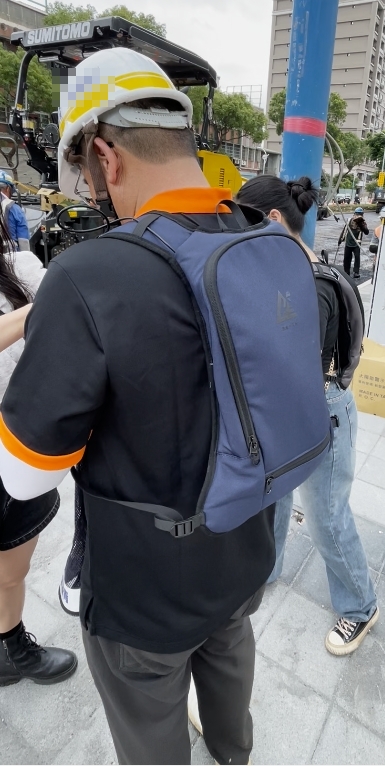
Operating cost is often the least visible part of personal cooling equipment. The Shokunin vest uses reusable ice packs and durable fabric, which keeps maintenance low. Other water-cooled vests, by comparison, are described as requiring frequent ice pack replacement and more upkeep.
For a procurement team managing many workers, this maintenance difference directly affects total cost of ownership. Reusable components reduce consumable purchases and reduce downtime spent preparing a vest for the next use. Durable fabric also lowers the likelihood of garment failure in rough industrial environments.
Risk Control: Ice Pack Leakage Protection
One common concern with water-cooled garments is leakage. Shokunin controls this risk through reinforced ice pack material and a 100% quality check before shipment. For industrial buyers, this is a supporting control measure that reduces field failures without requiring special handling.
Where the Shokunin Vest Fits: Metal-Sheet Factories, Outdoor Sites, Prolonged Sun Exposure
The practical value of the Shokunin dual cooling water cooling vest is strongest in environments where heat exposure is continuous:
- Metal-roof factories: radiant heat from metal surfaces can make the work environment significantly hotter than ambient air temperature.
- Outdoor construction and prolonged sun exposure: workers may spend hours without access to shaded or air-conditioned recovery areas.
- High-temperature industrial facilities: heat sources, machinery, and enclosed spaces increase the need for sustained personal cooling.
The 3–4 hour duration matches long work blocks better than a 30-minute vest, and the reusable ice pack design supports daily reuse.
Market Context: Cooling Vests Becoming a Core Procurement Category
The cooling vest market is moving from a niche product to a planned procurement category in industrial operations. The global personal cooling device market was valued at USD 25.16 billion in 2024 and is projected to reach USD 94.85 billion by 2035. The specific global cooling vest market was valued at approximately USD 215 million in 2024, projected to grow to USD 385 million by 2033. Asia Pacific is the fastest-growing regional market, driven by rapid industrialization and large outdoor work populations.
These figures help explain why buyers are specifying cooling vests before peak summer seasons rather than reacting to heat waves. However, the choice between different cooling technologies depends on the work pattern, climate, and maintenance capacity of each site.
How Dual Cooling Vests Compare With Traditional Cooling Methods
The baseline for many industrial sites is not another cooling vest, but traditional methods such as rest breaks, fans, shade structures, and cold-water drinking stations. These approaches have an important role, but they do not provide continuous personal cooling while the worker is moving or operating equipment. Active water circulation vests add a layer of protection at the individual level.
In this comparison, the main limitations should be acknowledged. A water cooling vest does not cool the environment; it cools the person. It requires preparation, such as freezing or chilling the ice packs before use. It also depends on the wearer following correct usage practices. These boundaries matter: a vest is a complement to a broader heat stress program, not a replacement for hydration, work-rest scheduling, and engineering controls.
Benchmarking Against Other Water-Cooled Vests
Within the water-cooled vest category, the practical selection criteria are:
- Cooling duration: how long the vest remains effective before the ice/water temperature rises.
- Energy efficiency: how much power or ice is needed to produce a given amount of cooling.
- Maintenance needs: whether the ice packs are reusable or require frequent replacement.
- Fabric and build: whether the garment can survive daily industrial use.
- Certification: whether the product carries recognized quality or disaster-prevention awards.
On these criteria, the Shokunin vest is positioned as a long-duration, low-maintenance option. Buyers should still run their own field tests in their specific environment before making a large-volume decision.
Future Outlook for Industrial Cooling Workwear
As heat exposure becomes a more managed occupational risk, active cooling garments are likely to become a standard line item in safety budgets. The shift from 30-minute cooling to 3–4 hour cooling is a meaningful change because it aligns the product with full shifts rather than short tasks. ODM and supply-chain reliability will also become competitive factors as distributors and industrial buyers order larger volumes.
For Shokunin, the combination of longer duration, reusable components, and a certified product position supports both direct procurement and distributor programs. The company operates a 1000 m² manufacturing facility with 30 employees and an annual output of 10,000 units, with 50% export to the USA and ROC markets.
FAQ: Decision Questions on the Dual Cooling Water Cooling Vest
How long does the cooling effect of the Shokunin dual cooling water cooling vest last?
The Shokunin water-cooled vest provides cooling that lasts 3–4 hours. Other water-cooled vests typically lose their cooling effect after about 30 minutes.
What is the difference between the Shokunin dual cooling vest and other water-cooled vests?
The main differences are cooling duration, energy efficiency, and maintenance. The Shokunin vest offers 3–4 hours of cooling, higher energy efficiency, reusable ice packs, and durable fabric. Other water-cooled vests have a shorter cooling duration and require frequent ice pack replacement.
How does the Shokunin water-cooled vest compare on maintenance?
Shokunin uses reusable ice packs and durable fabric, which results in minimal maintenance. Other water-cooled vests require frequent ice pack replacement and have higher wear and tear.
Which industrial environments are most suitable for the Shokunin dual cooling vest?
The Shokunin vest is suitable for high-temperature environments, metal sheet factories, and outdoor work sites, including applications where workers face prolonged sun exposure.
Is the Shokunin dual cooling water cooling vest a rechargeable or ice-based system?
The vest uses reusable ice packs as part of its active water circulation cooling system, designed for repeated daily use.
What certifications or quality markers does the Shokunin cooling vest hold?
The COOLING water-cooled vest received the Disaster Prevention Product and Service Certification Award issued by the Taiwan Disaster Prevention Industry Association. Feng Shang Precision Co., Ltd. also follows quality-focused production processes for its tool and equipment lines.
Key Takeaway for Buyers
At the decision stage, the most useful comparison is not generic brand preference. It is the match between cooling duration, maintenance effort, and the heat exposure pattern of the worksite. The Shokunin dual cooling water cooling vest gives buyers a 3–4 hour active cooling window with reusable ice packs and durable construction, while the 30-minute performance of other water-cooled vests can create operational gaps in long shifts.
Buyers should verify the product in their own conditions, check the supplier's quality control measures, and confirm that the vest fits the specific tasks, heat sources, and shift structures of their site.
Company background: Shokunin is a professional e-commerce brand launched by Feng Shang Precision Co., Ltd., established in 2009 and located in Taoyuan City, Taiwan. The company designs and manufactures tools and cooling equipment for professional craftsmen and industrial users.
Download the company brochure: https://cdn.socialarks.com/sbsp//common/2026/0407/69d4a27ea7fcb.pdf