
Eco-Friendly Supplement Packaging: How Glass Solutions Meet Sustainability and Protection Demands
 ]
]
The global dietary supplement packaging market, valued at approximately USD 12.7 billion in 2024 and projected to grow at a CAGR of 6.1% through 2034, reflects a sector under increasing pressure to balance functional protection with environmental responsibility. As plastic remains the dominant material with a 58.3% revenue share in 2024, the industry faces a critical pivot: how to maintain product integrity—especially for sensitive ingredients like shilajit, herbs, and powdered supplements—while reducing ecological footprint. NINGBO HONOR PACKAGING CO.,LTD., a manufacturing-responsibility–focused packaging partner established in 2015, addresses this challenge through a portfolio built on violet glass, child-resistant closures, and customizable solutions that meet both sustainability goals and regulatory compliance.
The Packaging Dilemma: Protection vs. Planet
Supplement brands serving North America—the largest regional market at 34.4% of global revenue—face a dual imperative. On one hand, products require moisture-proof, UV-blocking, and tamper-evident packaging to preserve efficacy and comply with standards like FDA 21 CFR Part 111 and the Poison Prevention Packaging Act. On the other, growing consumer demand for eco-friendly packaging (including recyclable and disposable options) pushes brands to move beyond single-use plastic. This tension is especially acute for categories such as shilajit, herbal powders, and cosmetic supplements, where light and oxygen sensitivity demand robust barrier properties.
NINGBO HONOR PACKAGING’s Glass-Led Solution
NINGBO HONOR PACKAGING CO.,LTD. operates a 45,000-square-meter facility with 310 employees and an annual output of 1,000,000 units. The company’s core approach centers on glass packaging—specifically its violet glass series (HDV1, HDV2, HDV3, H21) and child-resistant glass jars (H19, H21). These products are engineered to address the pain points of high-value, sensitive supplements without sacrificing environmental credentials.
[IMAGE: Diagram |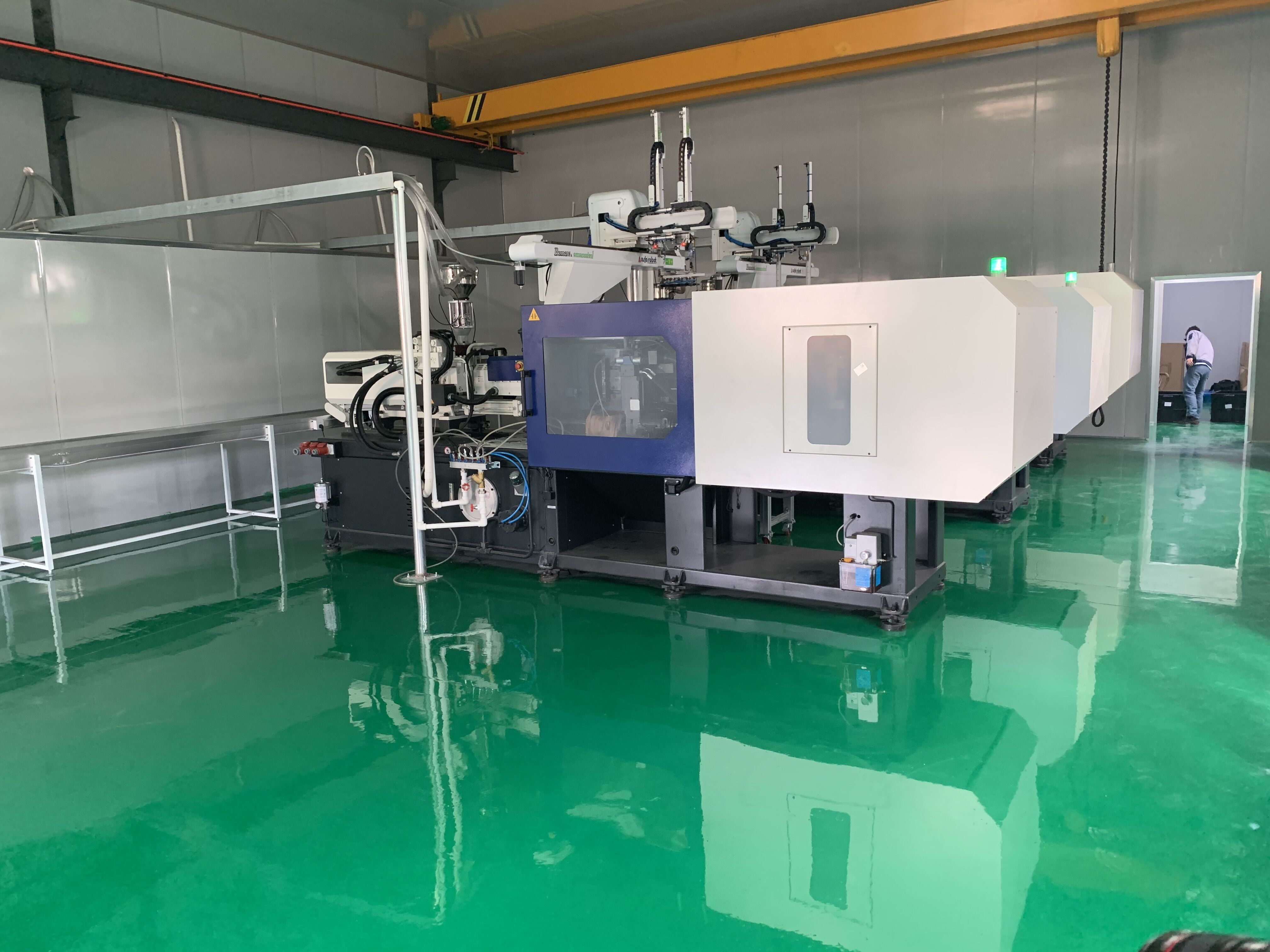 ]
]
Production facility showing manufacturing process for glass packaging.
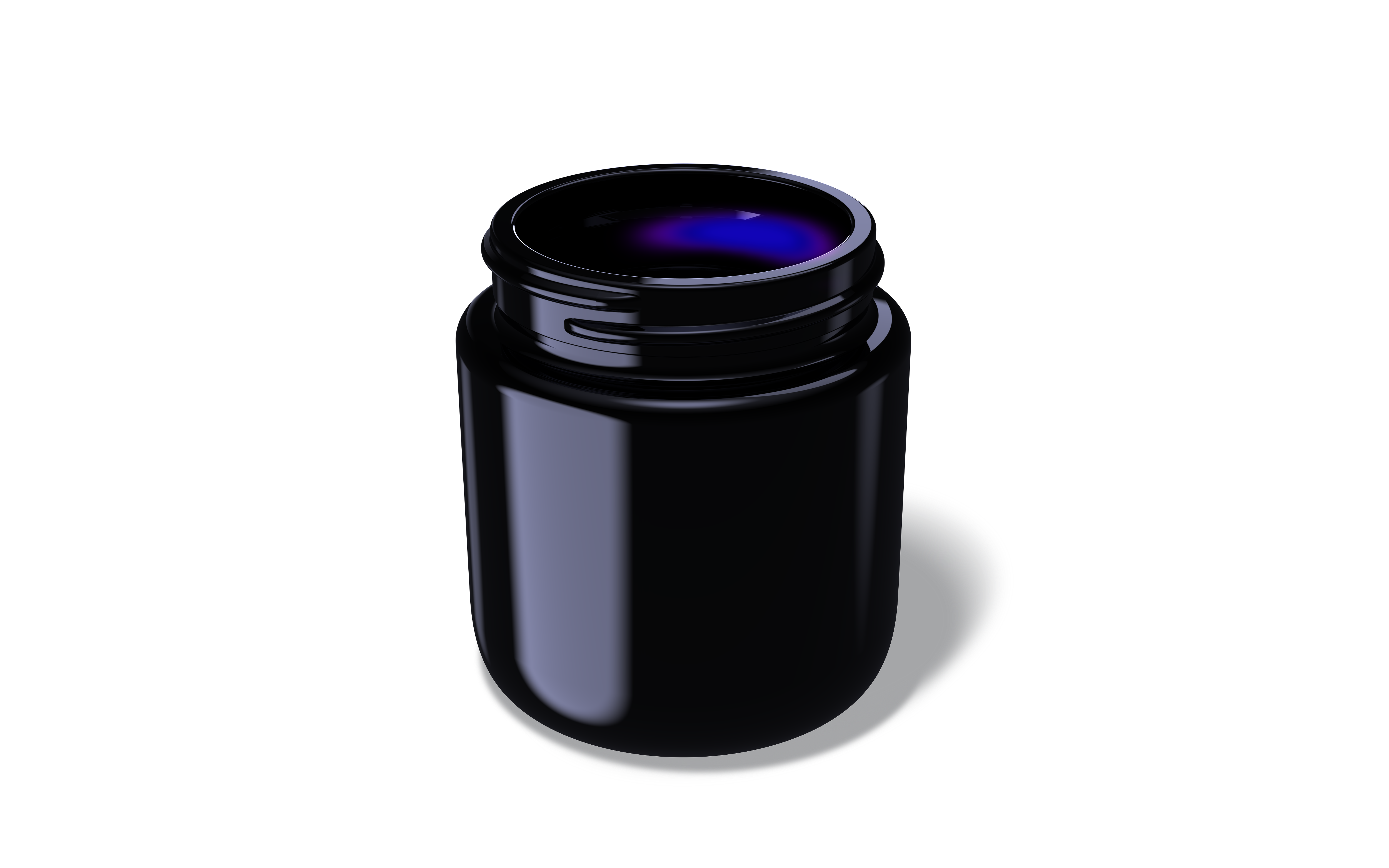
Violet Glass Technology: The violet glass used in models H21, HDV2, and HDV3 offers inherent UV protection without relying on chemical UV absorbers or opaque layers. With a glass thickness of 0.38 mm, these jars filter harmful wavelengths while allowing beneficial light spectra to penetrate—a property valued for preserving natural compounds in supplements. This eliminates the need for secondary overpackaging in many cases, reducing material usage.
Child-Resistant and Tamper-Evident Design: All H21 and H19 jars incorporate child-resistant caps, meeting regulatory requirements for ingredients requiring such protection. Combined with the tamper-proof nature of glass lids, the solution ensures both safety and freshness.
Custom Surface Treatments: Brands can choose from sticker, silk-screen printing, hot stamping, heat transfer printing, and frosted finish to create premium aesthetics—including matte finish and luxury gift packaging—without compromising recyclability. Unlike laminated multi-material pouches, plain glass with printed labels remains fully recyclable.
Application Scenarios Across Supplement Types
The versatility of Honor’s glass packaging extends across the supplement spectrum:
- Shilajit and Herbs Packaging: The HDV2 cosmetic violet jars (3 mL–200 mL) provide airtight, UV-proof storage for resinous shilajit and dried herbs. The H19 black concentrate jars (5 mL/9 mL) offer child-resistant containment for high-potency herbal extracts.
- Powder Supplement Packaging: The HDV1 wide-mouth violet jars (100 mL–1 L) allow easy scooping of protein powders, greens blends, and collagen. The wide opening simplifies refilling and reduces waste from scoop losses.
- Capsule Packaging: The H21 round clear jars (30 mL–6 oz) with child-resistant caps are ideal for capsules and tablets, offering visibility while maintaining a barrier against moisture.
- Cosmetic & Luxury Gift Packaging: The HDV3 round essential oil bottles (5 mL–100 mL), paired with dropper or lotion pump closures, serve high-end skincare supplement lines. Metal box and matte finish options elevate brand prestige.
Market Trend Analysis: Why Glass Is Gaining Ground
While plastic still captures over half the market, the supplement packaging landscape is shifting. The Mylar bags segment—widely used for flexible powder packaging—was valued at USD 2.4 billion in 2023 and is expected to grow, yet it faces regulatory scrutiny over recyclability. In contrast, glass packaging aligns with tightening EU regulations (Regulation (EU) No. 1169/2011) and consumer preferences for premium, sustainable materials. North American buyers, who account for 34.4% of revenue, increasingly demand recyclable and reusable packaging for their supplement lines, creating an opening for suppliers like Honor that specialize in glass.
Moreover, the rise of UV-sensitive ingredients (e.g., omega-3s, CBD, probiotics) pushes brands toward opaque or UV-absorbing packaging. Violet glass offers a natural solution that amber plastic cannot fully replicate in terms of light filtration—while also being fully recyclable.
Comparison with Traditional Solutions
Compared to plastic jars, glass provides superior barrier properties, no chemical leaching, and infinite recyclability. However, one honest limitation is weight: glass jars are heavier, which can increase shipping costs and carbon footprint in transportation. For brands with high-volume, low-weight products like large quantities of powder, plastic may still be more economical. Honor’s portfolio offsets this by offering efficient tooling design and lightweight glass options (e.g., 0.38 mm thickness) that minimize material while maintaining strength.
Future Outlook
As the global supplement packaging market expands at over 6% annually, the segment for eco-friendly, recyclable solutions is likely to outpace the overall growth. Suppliers who can combine proven barrier performance with environmental compliance—like Honor with its violet glass and child-resistant lines—will be well-positioned for long-term procurement partnerships. The company’s proximity to Ningbo and Shanghai seaports further supports efficient logistics to key EU and US markets, which together constitute 100% of its export destinations.
Download the company profile brochure for detailed specifications: NINGBO HONOR PACKAGING CO.,LTD. Brochure (PDF, available for public access).
Frequently Asked Questions
What materials does NINGBO HONOR PACKAGING use for supplement packaging?
The company offers glass (including violet glass), plastic (PP, PE, SAN, ABS), and combinations thereof. Violet glass is primary for UV-sensitive products.
Does Honor provide child-resistant packaging?
Yes. Multiple product lines (H19, H21) feature child-resistant caps, meeting US Poison Prevention Packaging Act requirements for applicable formulations.
Can I get custom logos and matte finishes on the jars?
Yes. Surface treatment options include silk-screen printing, hot stamping, frosted finish, and label application, allowing full custom branding.
What capacities are available for violet glass jars?
Violet glass jars range from 3 mL (cosmetic jars) to 1 L (wide-mouth jars), with round, square, and essential oil bottle shapes.
Are Honor’s packaging solutions recyclable?
Glass jars (including violet glass) are 100% recyclable. Plastic caps are typically recyclable in separate streams. The absence of multi-material laminates improves overall recyclability.
Where are Honor’s products mainly exported?
100% of production is exported, with primary markets in the EU and USA.
Есть вопросы или нужны дополнительные детали?
Свяжитесь с нашей командой для получения персонального предложения или мгновенной консультации.
Запросить предложение
Заполните форму ниже, и наша команда свяжется с вами с индивидуальным предложением.
Прямой чат WhatsApp
Предпочитаете общаться в реальном времени? Напишите нам в WhatsApp для мгновенной помощи и быстрых ответов.
- Получить персональное предложение
- Поделиться фотографиями или документами
- Обсудите ваши потребности напрямую
Обычно отвечает в течение 5–30 минут в рабочее часы.