
Electrical Steel for Extreme Climates: Case Studies from Global Grid Upgrades
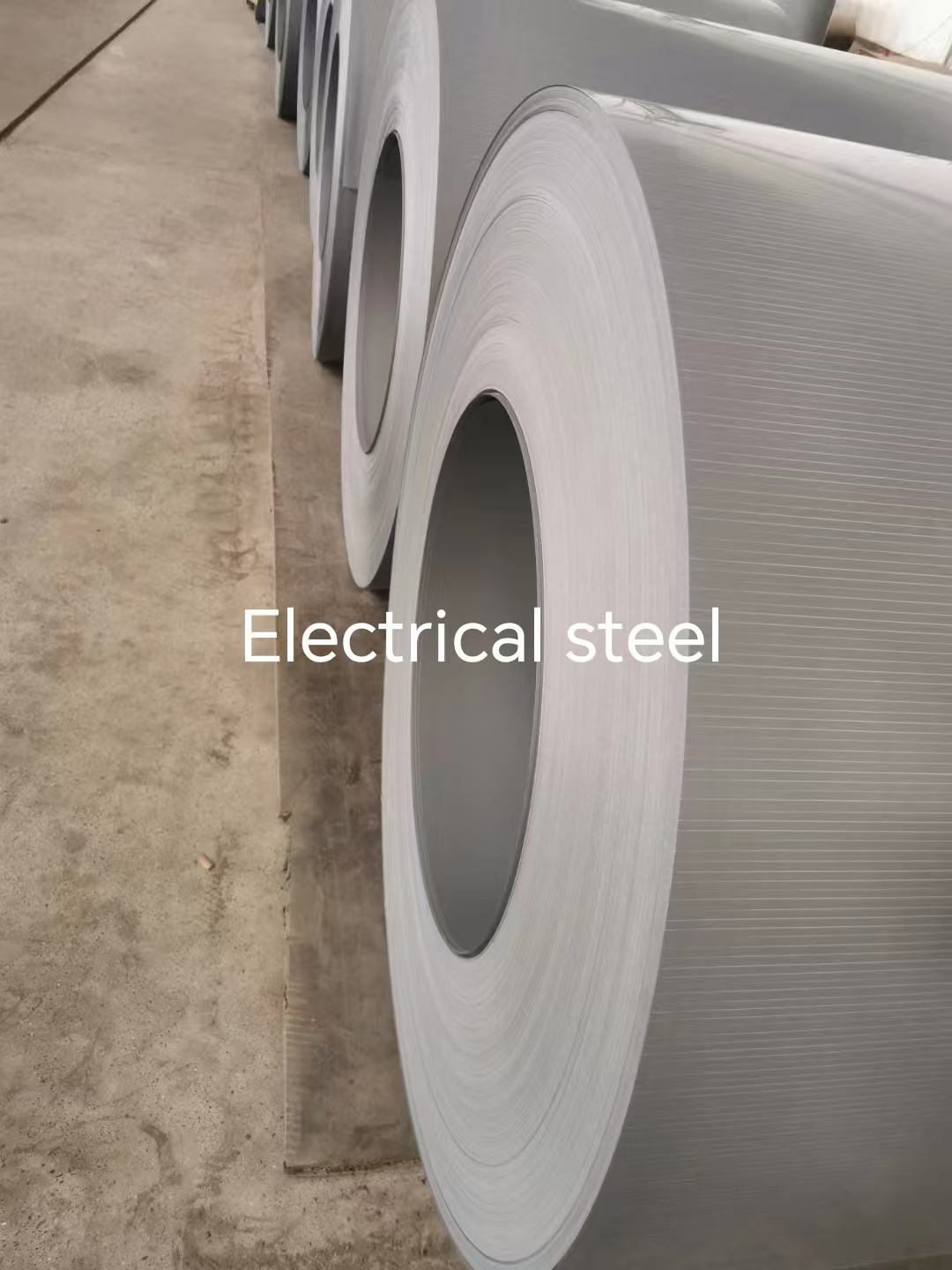
Electrical steel coils for high-performance transformer applications. (Image: HL AND SL LIMITED)
HL AND SL LIMITED is a professional enterprise specializing in the export trade of electrical steel (silicon steel), headquartered in Taiyuan, China, with a 30,000 m² in-house processing plant and an annual output of 30,000 tonnes. As grid modernization projects accelerate globally, procurement professionals increasingly face the challenge of selecting electrical steel grades that can withstand extreme environmental conditions—from Arctic cold to tropical humidity. Matching material properties to project-specific operating environments is no longer a nice-to-have but a technical necessity.
The Problem: One Grade Does Not Fit All Climates
Electricity infrastructure projects—whether distribution transformer upgrades in Germany, ±800 kV HVDC links in Brazil, or Class 1 energy-efficient transformers in Canada—impose divergent demands on electrical steel. Key parameters such as iron loss, magnetic permeability, and coating durability must align with ambient temperature ranges, humidity levels, and noise regulations. Using a standard grade can lead to higher core losses, accelerated degradation, and non-compliance with local energy-efficiency standards. The global electrical steel market, valued at USD 31.0 billion in 2025 and projected to reach USD 47.0 billion by 2033 (Grand View Research), reflects the growing need for application-specific material selection.
HL AND SL LIMITED's Approach: Portfolio-Wide Adaptability
HL AND SL LIMITED addresses this challenge through a combination of broad product availability, flexible processing, and deep supply chain integration. As an authorized agent of China Baowu Steel Group, the company secures stable access to high-grade grain-oriented silicon steel (Hi-B) while also integrating resources from private mills to cover cost-sensitive segments. The company owns a fully equipped material processing plant capable of precision secondary operations—strip cutting, fixed-length flat cutting, longitudinal cutting—enabling materials to be delivered ready-to-use for transformer core manufacturing.
The product portfolio spans thicknesses from 0.18 mm to 0.27 mm, with iron loss values (P1.7/50) ranging from ≤ 0.65 W/kg to ≤ 1.20 W/kg. All grades are high magnetic induction (Hi-B) type, with magnetic flux density (B₈) ≥ 1.75 T and typically ≥ 1.88 T. The company also offers laser-engraved R-series and heat-resistant engraved HS-series coatings, as well as coating customization (organic, inorganic, semi-organic) to suit different thermal and corrosive environments.
How Hi-B Steel Design Supports Extreme Conditions
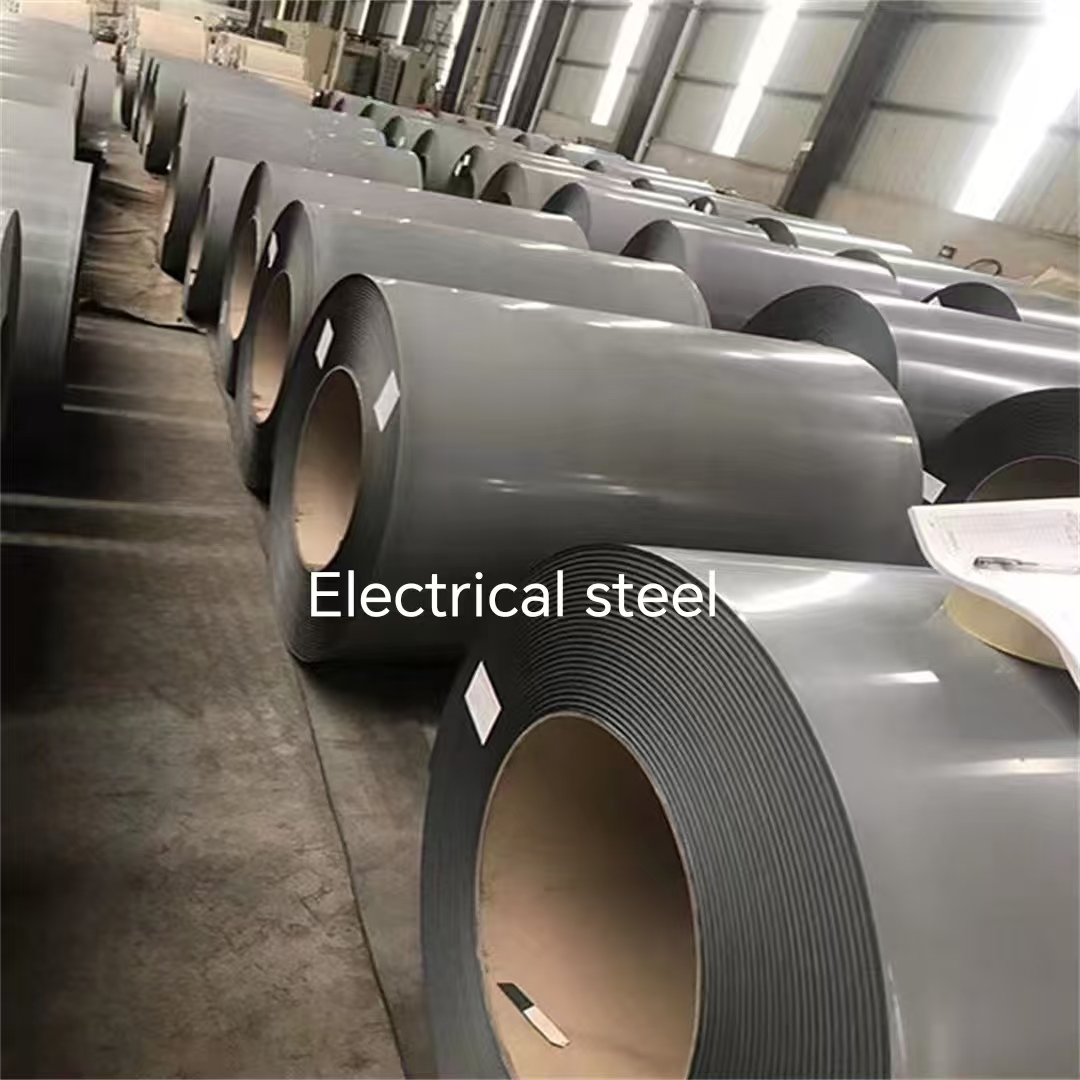
Close-up of Hi-B oriented electrical steel with controlled grain orientation. (Image: HL AND SL LIMITED)
High magnetic induction grain-oriented silicon steel (Hi-B) achieves superior magnetic properties through strict control of crystallographic texture (Goss orientation) and impurity levels. The material's low iron loss at 50 Hz industrial frequency translates directly into reduced no-load and load losses in transformers. For projects requiring operation at sub-zero temperatures, the retention of magnetic permeability is critical. For instance, the specified B20HS070 grade (0.27 mm thickness, P1.7/50 ≤ 1.20 W/kg) demonstrates a permeability retention rate ≥ 95% at -40°C, ensuring stable excitation characteristics.
In tropical high-humidity environments, such as the Brazilian Belém Mountain HVDC project, the electrical steel must resist corrosion and maintain magnetic flux density above 1.88 T while keeping iron loss below 0.85 W/kg. The 23Q085 grade, with its ≤ 0.85 W/kg iron loss and ≥ 1.88 T flux density, is designed for such converter transformer applications. Additional coating systems (e.g., semi-organic or inorganic) can be specified to pass salt-spray testing required for coastal installations.
Project Case Studies: Real-World Performance Data
1. Canada – Cold-Climate Class 1 Energy-Efficient Distribution Transformers
In Canadian grid upgrade projects, oriented silicon steel B20HS070 (0.27 mm, P1.7/50 ≤ 1.20 W/kg) is used to manufacture rolled iron core transformers that meet National Class 1 efficiency standards. Operating in temperatures as low as -40°C, the material maintains ≥ 95% of its magnetic permeability. The transformers also meet strict urban noise requirements, thanks to the low magnetostriction of Hi-B steel. The project involved three-dimensional rolled core energy-saving transformers and intelligent monitoring equipment at the grid edge.
2. Brazil – ±800 kV HVDC Belém Mountain Phase II
This ultra-high-voltage direct current transmission project transports hydropower from northern Brazil to southeastern load centers. Operating under high temperature (30–40°C) and high humidity (80–90%), the converter transformers rely on 23Q085 grade Hi-B steel (0.23 mm, P1.7/50 ≤ 0.85 W/kg, B₈ ≥ 1.88 T) to achieve low loss and stable performance. The material's high flux density helps reduce core size and weight, critical for the ±800 kV / 4000 MW bipolar configuration.
3. Germany – Distribution Transformer Upgrade (EU Ecodesign)
Under EU Ecodesign regulations, German distribution networks require transformers with iron loss ≤ 0.60 W/kg and noise levels 2–3 dB below standard. While HL AND SL LIMITED's standard 18-65 grade (≤ 0.65 W/kg) is close, the project's special requirement for ≤ 0.60 W/kg necessitates a higher-performance grade. This case highlights the limitation: for the most demanding ultra-low-loss specifications, customers may need to source premium grades from dedicated production lines. Nevertheless, HL AND SL LIMITED's 18-65 and 20-65 grades offer an effective balance for the majority of high-efficiency transformer applications.
Market Trends Driving Project-Specific Material Choices
Several macro trends reinforce the need for climate-adapted electrical steel:
- Grid decarbonization: Aging transformer fleets are being replaced with high-efficiency units across Europe, North America, and Latin America, increasing demand for low-loss Hi-B steel.
- EV charging infrastructure: Non-oriented electrical steel (NGO) consumption for the automotive sector, especially EVs, accounted for over 34% of total demand in 2024 (Precedence Research), requiring high-frequency performance and mechanical strength.
- Renewable integration: Utility-scale solar and wind farms require converter transformers that can handle fluctuating loads and harsh outdoor climates.
- China's export strength: China's export volume of grain-oriented electrical steel reached 393,200 mt in H1 2025, up 16.0% YoY (SMM), reflecting the global supply chain's reliance on Chinese producers and traders like HL AND SL LIMITED.
HL AND SL LIMITED vs. Traditional Suppliers: A Balanced View
Compared to large integrated mills such as Baowu, POSCO, and Nippon Steel, HL AND SL LIMITED offers a more agile procurement experience: lower minimum order quantities (25 tonnes), faster lead times (15–20 days for regular orders), and full customization (thickness, width, coating, slitting). The company also provides after-sales technical support with a 1–3 working day response time.
One honest limitation: For projects requiring the absolute lowest iron loss (e.g., < 0.60 W/kg at 1.7 T/50 Hz) in the thinnest gauges, the company's standard portfolio may not yet include a direct match. In such cases, customers may need to source from top-tier mill production. HL AND SL LIMITED is transparent about this and can facilitate such procurement through its agency ties.
Future Outlook: Data-Driven Material Matching
As climatic extremes become more frequent and energy standards tighten, the ability to simulate transformer core performance under project-specific conditions—temperature, humidity, load profile—will become a competitive differentiator. HL AND SL LIMITED is investing in application engineering support, providing customers with lifecycle technical guidance and quality dispute handling within 1–3 working days. The company's combination of in-house processing, multi-mill sourcing, and export experience (serving markets including Mexico, Brazil, Italy, UAE, and India) positions it as a practical partner for transformer manufacturers navigating the complexity of global project requirements.
Frequently Asked Questions
Q: Can HL AND SL LIMITED's electrical steel maintain performance at -40°C?
A: Yes. The B20HS070 grade (0.27 mm, iron loss ≤ 1.20 W/kg) has been tested to retain ≥ 95% of its magnetic permeability at -40°C, making it suitable for Arctic-class distribution transformers and outdoor installations in cold regions such as Canada.
Q: What grades are recommended for HVDC converter transformer applications?
A: For high-voltage direct current projects, grades such as 23Q085 (0.23 mm, iron loss ≤ 0.85 W/kg, flux density ≥ 1.88 T) and 23Q080 (measured iron loss 0.76–0.78 W/kg, flux density ≥ 1.89 T) are commonly used. These Hi-B steels offer the low loss and high permeability required for large converter transformers in ±800 kV systems.
Q: How does HL AND SL LIMITED ensure product quality and traceability?
A: The company implements origin inspection (full-process random or batch inspection at the mill), provides a material certificate / warranty certificate with batch inspection reports, and can arrange third-party testing through CMA/CNAS accredited laboratories upon request.
Q: Can you customize coil dimensions for my transformer core?
A: Yes. HL AND SL LIMITED operates an in-house processing plant capable of strip cutting, fixed-length flat cutting, longitudinal cutting, and custom width slitting (typically 800–1250 mm, with ultra-wide 1250 mm available). Thickness can range from 0.18 mm to 0.35 mm. Coatings can also be tailored (organic ≤ 180°C, inorganic up to 800°C, semi-organic).
Q: What are the typical lead times and MOQ?
A: Regular orders require 15–20 days; urgent or stock orders can ship in 3–7 days. For bulk export, the total lead time to port is 30–45 days. The minimum order quantity (MOQ) is 25 tonnes per grade/specification.
For detailed product specifications and company capabilities, download the official brochure:
Есть вопросы или нужны дополнительные детали?
Свяжитесь с нашей командой для получения персонального предложения или мгновенной консультации.
Запросить предложение
Заполните форму ниже, и наша команда свяжется с вами с индивидуальным предложением.
Прямой чат WhatsApp
Предпочитаете общаться в реальном времени? Напишите нам в WhatsApp для мгновенной помощи и быстрых ответов.
- Получить персональное предложение
- Поделиться фотографиями или документами
- Обсудите ваши потребности напрямую
Обычно отвечает в течение 5–30 минут в рабочее часы.