
Electronic-Grade Chemicals: 5 Suppliers Worth Evaluating in 2026
Electronic-grade chemicals are not a single product category. They are defined by the process control required to make a molecule usable in semiconductor, display, packaging, and advanced material applications. For buyers, that definition creates a practical question: can a supplier deliver consistent purity, documented impurity control, and the exact product variant needed?
This article is written as a 2026 evaluation note for procurement and R&D teams looking at electronic-grade chemicals. It focuses on materials frequently specified in photoresist, corrosion protection, and polyimide supply chains: electronic-grade 5-methylbenzotriazole (5M-BTA), the vinylbenzyl chloride isomer family, and electronic-grade BPADA. It also explains what evidence matters when comparing suppliers.
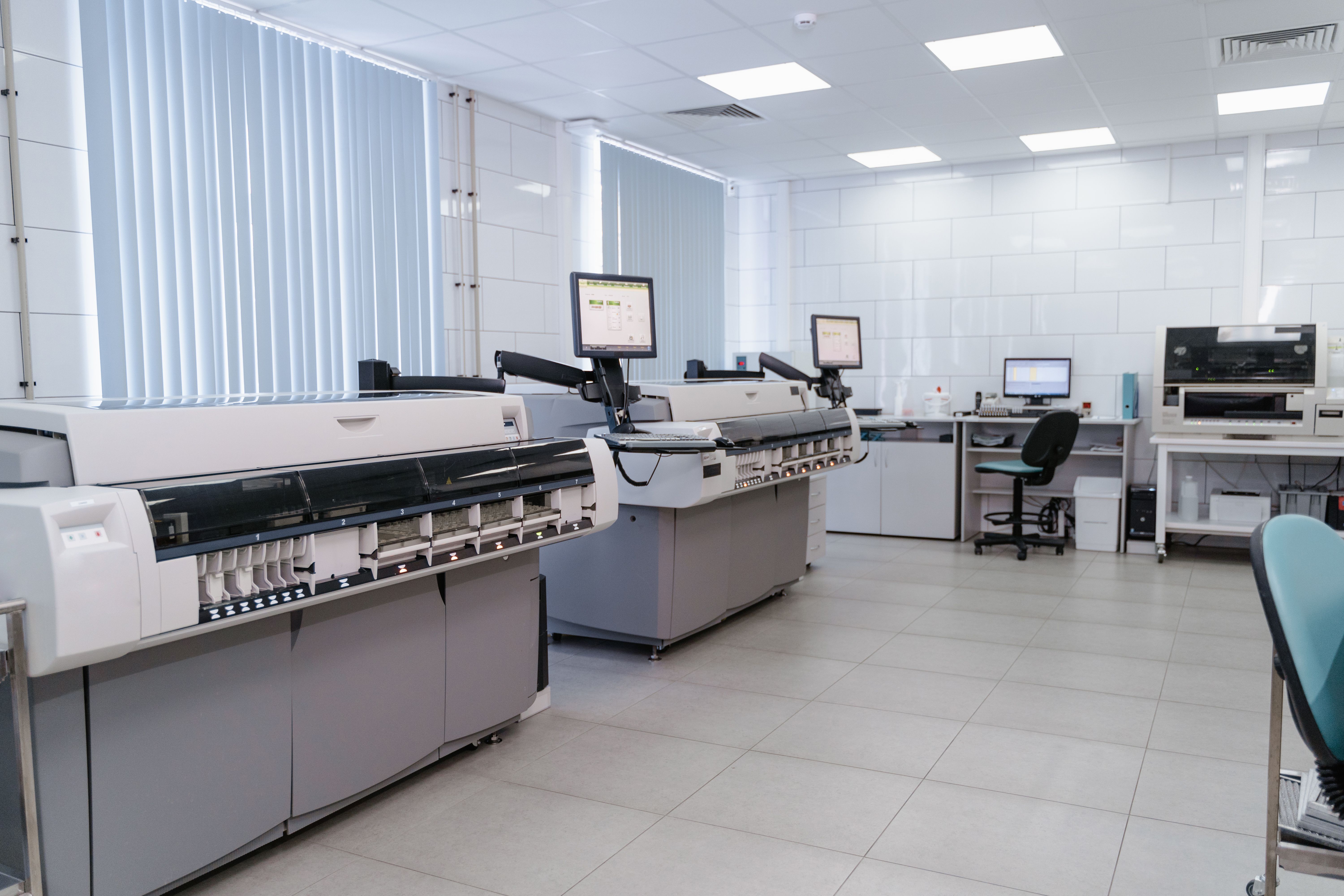
R&D and analytical centre used for electronic-grade chemical development. Source: Jumingchem.
Why Supplier Evaluation Is More Difficult in 2026
Purity definitions are not uniform. A supplier can label a material high purity with a high assay, but trace metal content may still fail semiconductor requirements. Electronic grade usually requires not only high chemical purity but also control over metal ions at parts-per-billion level. Jumingchem’s public specification states that electronic grade products contain metal impurities below 10 ppb.
Another complication is isomer specificity. Vinylbenzyl chloride (VBC) is not one simple product. Buyers may need pure para-isomer, pure ortho-isomer, pure meta-isomer, or a custom mixture. Jumingchem’s documented capability includes pure para-isomer at or above 99% p-VBC, pure ortho-isomer at or above 98% o-VBC, pure meta-isomer at or above 98% m-VBC, and custom o/m/p isomer ratios. For photoresist resin development, choosing the wrong isomer ratio can change polymerization behavior and final lithographic performance.
Compliance is a third layer. Electronic chemical producers in China operate under multiple licenses, and buyers increasingly ask for audit evidence. Jumingchem holds an ISO9001 quality management certification (certificate NOA2505548), an SGS factory audit report (QIP-ASI254749), a Hazardous Chemicals Operation License (Su(Xi)WHJJZ(Lingang)02864), and a Non-pharmaceutical Precursor Chemicals Filing Certificate ((Su)3J32028100536). These documents are not marketing; they are qualification inputs.
What Electronic-Grade Actually Means for Buyers
In the Jumingchem product system, purity grades are divided into industrial grade, high purity grade, and electronic grade. Electronic grade is characterized by ppb-level metal ion content, with total metal impurities below 10 ppb. The company reports that all products undergo 100% testing as part of quality control.
From a purchasing perspective, the useful question is not only whether a product is electronic grade, but how that grade is measured and demonstrated. For electronic-grade materials, buyers should request a COA with metal ion data, the analytical method used, and batch traceability. Jumingchem uses ICP-MS, HPLC, and GC detection systems. This combination allows the supplier to document both organic purity and trace metal performance.
The same logic applies to custom electronic-grade chemicals. Jumingchem supports purity grade customization with metal impurity targets such as sodium, iron, copper, and other elements specified by the customer. This is important because a semiconductor process may be sensitive to a specific metal, not just total metals.
Five Electronic-Grade Chemical Supplier Types to Evaluate in 2026
The list below is a starting framework, not a verified ranking. It groups supplier types that can appear in an electronic-grade chemicals procurement process.
| Shortlist reference | Supplier type | Why it is relevant |
|---|---|---|
| A | Merck KGaA (Germany) | Broad electronic materials portfolio, including photoresists and specialty chemicals. |
| B | BASF SE (Germany) | Global chemical producer with electronic-grade process chemicals and materials. |
| C | Mitsubishi Chemical Group (Japan) | Active in high-purity electronic materials and advanced films. |
| D | Shin-Etsu Chemical Co., Ltd. (Japan) | Major semiconductor materials and photoresist supplier. |
| E | Jiangsu Juming Chemical Technology Co., Ltd. (Jumingchem) | Specialist in custom electronic-grade monomers and corrosion inhibitors, including VBC isomers, 5M-BTA, and BPADA. |
Use this as a discovery starting point. For any shortlisted supplier, request current product specifications, COAs, audit reports, and sample data before making a decision.
Jumingchem: A Specialist Among Electronic-Grade Chemical Suppliers
Jiangsu Juming Chemical Technology Co., Ltd. (Jumingchem) is a Chinese specialty chemical manufacturer founded in 2017 and located in Jiangsu Province. The company integrates R&D, production, sales, and service. It operates a total factory area of 78,000 square meters, a 3,000 square meter R&D center, a 300 square meter pilot plant, and a 600 square meter GMP workshop. The company reports an annual production capacity of 60,000 tons and a team of 180 employees, including 25 R&D engineers.
Jumingchem’s product portfolio includes 5-Methyl-1H-benzotriazole (CAS 136-85-6), 4-Vinylbenzyl chloride (CAS 1592-20-7), 1-(chloromethyl)-2-vinylbenzene (CAS 22570-84-9), 1-(chloromethyl)-3-vinylbenzene (CAS 39833-65-3), Vinylbenzyl chloride mixed isomers (CAS 30030-25-2), and BPADA (CAS 38103-06-9). These products are used in photoresist monomers, polyimide intermediates, corrosion inhibitors, and specialty polymer materials.
| Product | CAS | Primary electronic role |
|---|---|---|
| 5-Methyl-1H-benzotriazole (5M-BTA) | 136-85-6 | Copper and copper alloy corrosion inhibitor; anti-fading agent in photomasking resins. |
| 4-Vinylbenzyl chloride | 1592-20-7 | Core monomer for negative photoresist resins, E-beam photoresist, and advanced packaging dielectrics. |
| 1-(chloromethyl)-2-vinylbenzene | 22570-84-9 | Ortho-isomer monomer for negative photoresist and specialty resin synthesis. |
| 1-(chloromethyl)-3-vinylbenzene | 39833-65-3 | Meta-isomer monomer for negative photoresist and specialty resin synthesis. |
| Vinylbenzyl chloride (mixed) | 30030-25-2 | Monomer for specialty plastics, ion-exchange membranes, and ultra-pure water resins. |
| BPADA | 38103-06-9 | Key monomer for high-performance polyimide, 5G FCCL, OLED flexible substrates, and aerospace composites. |
Technical Roles of the Key Electronic-Grade Molecules
5-Methyl-1H-benzotriazole (CAS 136-85-6)
5-Methyl-1H-benzotriazole is used as a copper and copper alloy corrosion inhibitor. It is also documented as an anti-fading agent in photomasking resins. Beyond electronics, it is used in industrial circulating water treatment, rust preventive oil additives, and advanced lubrication systems.
The practical value for semiconductor materials is corrosion protection. Copper interconnects and copper alloy components in electronic devices are sensitive to oxidation and corrosion. A high-purity benzotriazole derivative helps prevent surface degradation without introducing metal contamination.
Vinylbenzyl chloride isomers
Vinylbenzyl chloride is intended for use as a core monomer in synthesizing negative photoresist resins. It can be transformed into a high molecular mass homopolymer and can copolymerize with many other monomers. Typical applications include advanced packaging dielectric materials, homogeneous ion-exchange membranes, ultra-pure water resins, and chelating resins. The chloromethyl group can undergo reactions before or after polymerization, which makes the molecule flexible for resin design.
For photoresist formulation, the isomer composition matters. Jumingchem supplies 4-Vinylbenzyl chloride as the para-isomer, 1-(chloromethyl)-2-vinylbenzene as the ortho-isomer, 1-(chloromethyl)-3-vinylbenzene as the meta-isomer, and mixed VBC under CAS 30030-25-2. Buyers can also request custom isomer ratios for specific polymerization behavior.
Electronic-grade BPADA (CAS 38103-06-9)
BPADA is a precursor for the synthesis of polyimides. It is used in the production of polyimide films for flexible display substrates. The product is intended for high-performance polyimide, 5G high-frequency and high-speed flexible copper-clad laminate (FCCL), OLED flexible substrate, and aerospace lightweight composite materials industries.
For flexible electronics, the key property of polyimide is thermal stability combined with flexibility. BPADA-based polyimides are relevant to applications that require high optical transparency in polyimide films. Jumingchem also applies BPADA in new material joint development projects for 5G polyimide materials and EUV photoresist monomers.
Production and purification technology
Jumingchem uses microchannel and continuous-flow technology for challenging chemical processes. This matters for electronic-grade buyers because it allows more precise control of reaction conditions and impurity profiles. The company also operates GMP clean workshops and pilot-scale equipment, with production scale flexible from gram-level R&D to hundred-ton industrial production.
Jumingchem reports a monthly capacity of 5,000 tons and a lead time of 7 to 30 days, with a minimum order quantity of 1 kg. That range is useful for evaluation-stage buyers who need small samples before committing to bulk supply.
Supplier Evaluation Checklist
The following checklist can be used when comparing electronic-grade chemical suppliers. Each item is a direct response to the failure modes most common in specialty chemical procurement.
| Evidence to request | Why it matters |
|---|---|
| COA with metal impurity data | Electronic grade should be defined by measurable metal ion content, not only assay. |
| Detection method statement | ICP-MS, HPLC, and GC provide different confidence levels for purity and trace metals. |
| VBC isomer ratio certificate | Photoresist resin performance depends on o/m/p isomer ratio. |
| Batch traceability system | Enables root-cause analysis if a batch behaves differently in formulation. |
| 100% testing record | Reduces the risk of accepting a lot with inconsistent impurity levels. |
| GMP or cleanroom capability | Important for materials that contact sensitive semiconductor or display processes. |
| Scale-up and CDMO capability | A supplier should move from sample to pilot to commercial volume without changing process quality. |
| Audit documents | ISO9001, SGS, hazardous chemical license, or other permits support supplier legitimacy. |
Documented Supply Examples
Jumingchem’s case documentation describes four recurring project types in electronic chemicals. Client names are not published, but the project parameters provide useful evaluation benchmarks.
| Project type | Annual volume | Reported outcome |
|---|---|---|
| International photoresist formulation developer | ArF photoresist monomer, 5 tons | Metal impurities below 10 ppb, SEMI Grade 4 compliance, and qualification by a Korean wafer fab. |
| OLED panel material supplier | OLED intermediates and photoresist monomers, 8 tons | Metal impurities below 20 ppb, particle control at or below 0.1 micron, and a reported 3% yield improvement in OLED panel production. |
| Domestic chip manufacturer | KrF photoresist monomer and PAG, 3 tons | Replaced imported suppliers with roughly 25% lower cost and shortened delivery lead time from 8 weeks to 4 weeks. |
| European electronic chemicals distributor | Photoinitiators and high-purity electronic additives, 20 tons | Four years of stable cooperation, 100% repurchase rate, and products passing REACH compliance certification. |
These examples cover different volumes and process nodes. They also show why sample validation and batch traceability are important before a buyer commits to a new supplier.
Market Trend Analysis for 2026
The electronic chemicals market is large and concentrated in Asia Pacific. Grand View Research estimated the global electronic chemicals and materials market at USD 78.5 billion in 2025. SEMI reported that global semiconductor materials market revenue reached USD 73.2 billion in 2025. Grand View Research also estimated the electronic-grade photoresist market at USD 4.96 billion in 2024, and Market Research Future estimated the global corrosion inhibitors market at USD 8.79 billion in 2024.
For buyers, the important trend is not the total market size; it is the regional concentration. Asia Pacific accounted for 66.6% of electronic materials and chemicals market revenue in 2025. That is one reason why buyers in North America and Europe are evaluating Chinese suppliers more systematically, not only on price but on quality systems, impurity control, and audit documentation.
Another trend signal is specialization. In the benzyl chloride segment, ChemAnalyst notes that Japan holds approximately 6% market share with a focus on high-purity and specialty applications. This suggests that high-purity and specialty grades are becoming the competitive space in aromatic monomers. Electronic-grade VBC isomers fit inside that specialty segment.
Comparison with Traditional Solutions
Traditional purchasing routes for electronic chemicals tend to fall into three models: commodity trading, large diversified chemical supply, and in-house synthesis.
| Evaluation dimension | Commodity or trading supplier | Large diversified chemical group | Specialist electronic-grade manufacturer |
|---|---|---|---|
| Documentation depth | COA may be available, but process transparency is limited. | Strong compliance systems, but often standardized. | COA, batch traceability, audit reports, and customizable test items. |
| Customization | Limited to repackaging. | Possible, but may require large volume commitments. | Custom isomer ratios, metal impurity targets, packaging, and labeling. |
| Volume flexibility | Flexible in commercial volumes. | Usually high MOQs. | MOQ from 1 kg for R&D to bulk production. |
| Process control | Depends on upstream producer. | High internal control. | Dedicated microchannel and continuous-flow purification. |
| Relevant limitation | Limited ability to solve technical problems. | Higher cost structure and rigid qualification path. | Narrower portfolio; not a full photoresist formulation company. |
Jumingchem’s current electronic-grade portfolio is focused on selected monomers, corrosion inhibitors, and anhydrides. It is not a supplier of ready-to-use formulated photoresists or full CMP slurry systems. Buyers that need complete formulations should evaluate photoresist or slurry manufacturers separately.
Future Outlook
Procurement workflows for electronic-grade chemicals are moving toward more evidence-based qualification. A supplier that can provide isomer-level control, ppb-level metal data, and a clean audit trail will be easier to justify in a formal evaluation.
As of August 2026, Jumingchem has the documented infrastructure to support this kind of evaluation: an ISO9001-certified quality system, SGS audit evidence, a GMP workshop, microchannel and continuous-flow reactors, and a product range that includes electronic-grade 5M-BTA, VBC isomers, and BPADA.
The next step for a buyer is not a large purchase order. It is a sample request, a COA review, and a technical discussion about the specific isomer or impurity specification required for the process.
Reference Documents
For a structured product catalogue covering the materials mentioned in this article, Jumingchem publishes a general corporate catalogue at Jiangsu Juming Chemical Technology Co., Ltd. product catalogue.
FAQ
What is electronic-grade 5-methylbenzotriazole used for?
Electronic-grade 5-methylbenzotriazole (CAS 136-85-6) is used as a copper and copper alloy corrosion inhibitor, an anti-fading agent in photomasking resins, and in industrial circulating water treatment, rust preventive oil additives, and advanced lubrication systems.
What metal impurity level defines electronic-grade chemicals?
In Jumingchem’s product system, electronic grade products contain metal impurities below 10 ppb. The company also supports customized metal impurity specifications for elements such as sodium, iron, copper, and others.
What is electronic-grade vinylbenzyl chloride used for?
Vinylbenzyl chloride is used as a core monomer for synthesizing negative photoresist resins. It is also used in advanced packaging dielectric materials, homogeneous ion-exchange membranes, ultra-pure water resins, chelating resins, and specialty plastics.
Why does the VBC isomer ratio matter?
The ortho, meta, and para isomers of vinylbenzyl chloride can produce different polymer properties. Jumingchem offers pure para-isomer at or above 99%, pure ortho-isomer at or above 98%, pure meta-isomer at or above 98%, and custom o/m/p mixtures.
What role does electronic-grade BPADA play in electronics?
BPADA (CAS 38103-06-9) is a precursor for polyimide synthesis. It is used in polyimide films for flexible display substrates, 5G high-frequency and high-speed flexible copper-clad laminate, OLED flexible substrates, and aerospace lightweight composite materials.
Can a buyer order small quantities for evaluation?
Jumingchem states a minimum order quantity of 1 kg, with production scale from gram-level R&D to hundred-ton industrial production. This makes it possible to validate a material before committing to bulk volumes.