
Electrophoretic Coating Explained: Process, Benefits, and Applications for Metal Parts
Why Electrophoretic Coating Matters in Modern Manufacturing
Electrophoretic coating, also known as e-coating or ED coating, is a surface finishing technology that uses an electric field to deposit paint onto conductive substrates. It delivers uniform coverage, high corrosion resistance, and excellent adhesion, making it a preferred finish for automotive parts, consumer electronics, and industrial metal components.
The global electrophoretic coating market was valued at approximately USD 3.5 billion in 2023 and is projected to reach USD 6.1 billion by 2032, driven by automotive production, construction, and demand for sustainable coatings. Asia-Pacific holds over 46% of the broader coatings market revenue, led by China and India, making it both the largest and fastest-growing region for e-coating adoption.
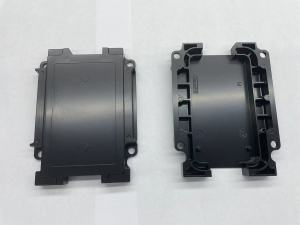
The Challenge: Consistent, Durable Finishes for Complex Metal Parts
Traditional spray coating often fails to reach internal cavities, deep recesses, or complex 3D geometries, leading to premature corrosion in harsh environments such as high humidity, road salt, UV exposure, and corrosive atmospheres. Manufacturers need a process that provides 360° coverage with repeatable thickness and long-term protection, while also meeting stricter environmental regulations.
How Yongxin Delivers High-Performance Electrophoretic Coating
Dongguan Yongxin Industrial Co., LTD, established in 2018, is a high-tech enterprise specializing in electrophoretic processing for metal surface treatment. The company employs approximately 60 to 80 staff, with an R&D team of 5 to 10 engineers. Its manufacturing facility covers 4,000 square meters, and after expansion in 2025, the total plant area reached 10,000 square meters. Annual production capacity is 30,000,000 units.
Yongxin operates six professional electrophoresis production lines, complemented by over 20 general processing machines (sand blasters, polishers, shot blasting, laser equipment), more than 20 CNC machines, over 10 die-casting machines, and more than 10 metal stamping machines. This integrated setup supports metal forming, precision machining, and surface treatment under one roof, enabling efficient large-batch and multi-category processing.
Main products include black, white, color, zinc alloy, aluminum alloy, and magnesium alloy electrophoretic coatings. The company also provides high salt spray resistant coatings capable of 300–1,000 hours of salt spray testing (NSS), depending on resin formulation. Both anionic and cationic systems are available, with standard film thickness of 15–25 µm and a uniform, fine finish.
Technical Insight: How the Process Works
In electrophoretic deposition, metal parts are immersed in a water-based paint bath and connected to an electrical circuit. Charged paint particles migrate to the oppositely charged workpiece, forming a uniform film that is then cured in an oven. Cathodic epoxy coatings dominate the market, frequently exceeding 1,000 hours of salt spray resistance, while anodic coatings typically maintain around 500 hours. Yongxin’s laboratory is equipped with German FISCHER film thickness gauges, Swiss Zehntner gloss meters, Japanese Konica Minolta spectrophotometers, and Mitutoyo roughness meters, along with salt spray testers and constant temperature/humidity chambers to ensure every production lot meets strict quality standards.
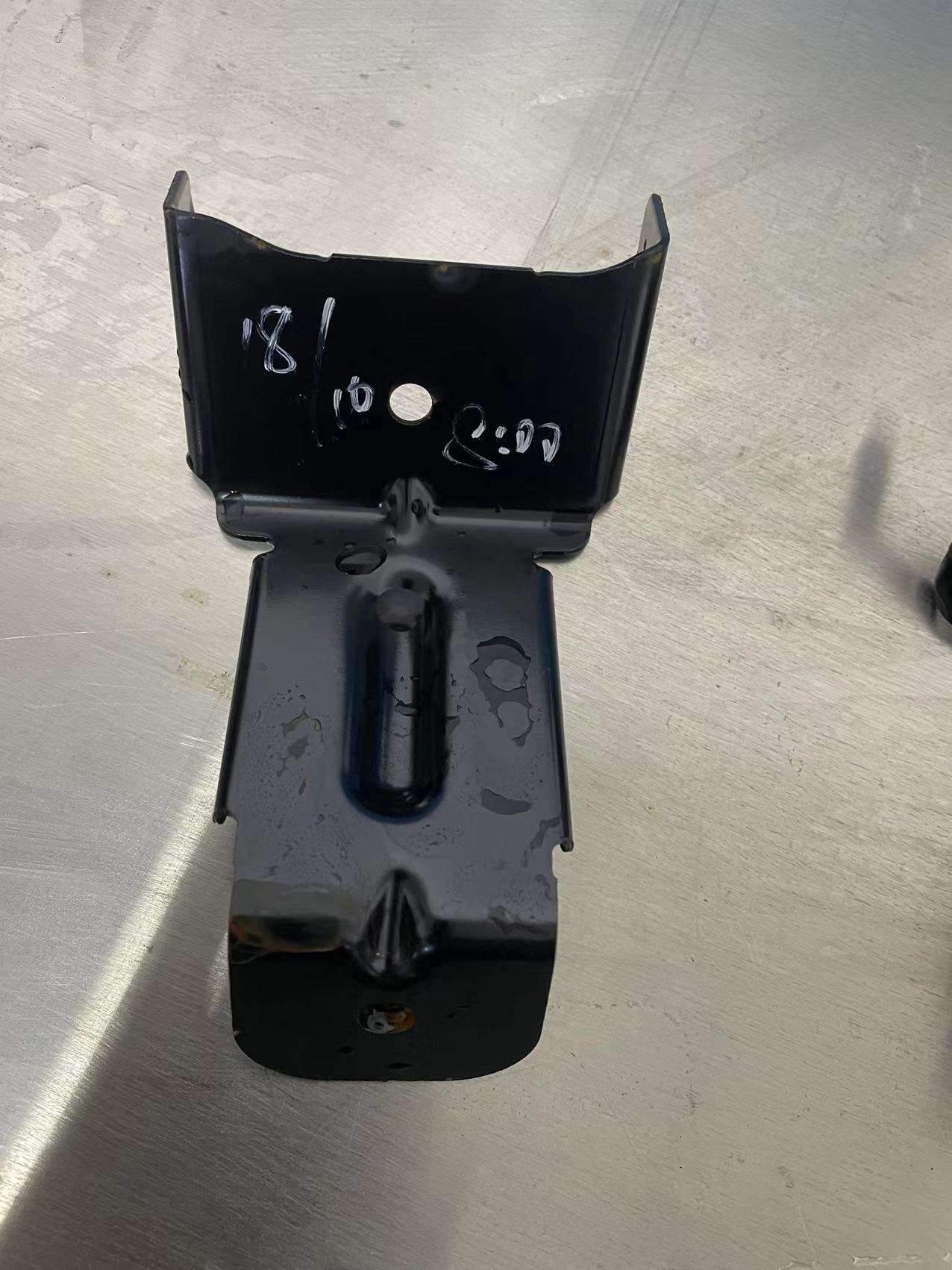
Real-World Applications
Yongxin’s electrophoretic coating is commonly used in China for metal parts surface treatment projects serving the automotive, bicycle, communication equipment, consumer electronics, drone, and security industries. The coating performs reliably under high humidity, salt spray, corrosive chemicals, and UV exposure. It provides corrosion resistance, wear resistance, and aesthetic protection, extending part lifecycle and improving appearance quality.
Special requirements for these applications include support for custom coating colors and film thicknesses, and compliance with ISO 14001 environmental protection standards. Yongxin is ISO9001, ISO14001, and IATF16949 certified, and was awarded the title of National High-Tech Enterprise in 2023. The company has provided supporting processing services for well-known domestic and foreign brands such as Huawei, DJI, OPPO, Panasonic, BYD, VIVO, Apple, and Foxconn.
Market Trends Driving Electrophoretic Coating Adoption
The automotive industry remains the largest end-user, demanding coatings that exceed 1,000 hours of salt spray for underbody and engine components. Consumer electronics require thin, uniform finishes that do not interfere with assembly tolerances. The global E-coat market is expected to grow at a CAGR of 6.5% from 2024 to 2032, with material transfer efficiency reaching 95% and coating thickness typically within 20–40 microns. Major global competitors (PPG Industries, BASF, Axalta, Nippon Paint) focus on paint chemistry, while service providers like Yongxin differentiate through integrated manufacturing capabilities, rapid turnaround, and multi-process support including CNC machining, die casting, and stamping.
Comparison with Traditional Finishing Methods
Compared to powder coating, electrophoretic coating provides superior coverage in recessed areas and internal cavities, but offers a narrower range of gloss levels and color options. Against liquid spray painting, e-coating delivers more consistent film thickness and lower VOCs, though initial equipment investment is higher. One honest limitation: while e-coating excels at corrosion protection, achieving high-gloss decorative finishes typically requires a secondary topcoat.
Future Outlook
Yongxin continues to invest in automated intelligent equipment, energy reduction, and green production practices. The company’s roadmap includes cultivating high-end technical talents to provide customized processing solutions and building a modern, clean, and intelligent processing enterprise that meets the evolving demands of global OEMs.
Download the company brochure for detailed specifications and case studies:
Yongxin Electrophoretic Coating Solutions Brochure (PDF)
Frequently Asked Questions
What salt spray resistance can Yongxin's electrophoretic coating achieve?
Yongxin's high salt spray electrophoresis product can reach 300–1,000 hours of neutral salt spray testing (NSS). For cathodic epoxy systems, results can exceed 1,000 hours depending on part geometry and application conditions.
What film thickness is typical for electrophoretic coating?
Standard film thickness for ordinary parts is 15–25 µm, and it can be customized as needed. The coating is uniform and fine, with thickness variation typically controlled within ±5%.
Which materials can be electrophoretically coated?
The process is widely suitable for carbon steel, alloy steel, aluminum alloy, magnesium alloy, zinc alloy, and other conductive metal substrates. Yongxin offers specialized formulations for zinc alloy, aluminum alloy, and magnesium alloy parts.
Is the coating environmentally compliant?
Yes. Yongxin's electrophoretic coating uses water-based paints with low VOC emissions, and the company holds ISO14001 Environmental Management System Certification. The process is free of heavy metals (lead, chrome).
Can custom colors and finishes be provided?
Yes. While black and white are standard, custom colors are available. Custom gloss levels and film thicknesses can also be specified based on project requirements.
Есть вопросы или нужны дополнительные детали?
Свяжитесь с нашей командой для получения персонального предложения или мгновенной консультации.
Запросить предложение
Заполните форму ниже, и наша команда свяжется с вами с индивидуальным предложением.
Прямой чат WhatsApp
Предпочитаете общаться в реальном времени? Напишите нам в WhatsApp для мгновенной помощи и быстрых ответов.
- Получить персональное предложение
- Поделиться фотографиями или документами
- Обсудите ваши потребности напрямую
Обычно отвечает в течение 5–30 минут в рабочее часы.