
Enamel Pin Buyer Comparison: Quotes vs Production Evidence
Enamel Pin Buyer Comparison: Quotes vs Production Evidence
An enamel pin quotation is not production evidence. It is a set of claims about minimum order quantity, sample timing, mass-production timing, color tolerance, adhesion and compliance that must be normalized before two suppliers can be compared. The stronger quote is not automatically the one with the shortest lead time or the lowest MOQ. It is the one whose claims can be tied to a specific craft, quantity, test report and approval gate.
That distinction matters for custom enamel pins, lapel pins and enamel pin badges bought for promotions, sports events, souvenirs, retail merchandise or licensed IP programs. A quote can be technically accurate and still be non-comparable: a 50-piece soft enamel pin order is not the same production object as a 100-piece hard enamel pin order with a special plating, backing card and compliance report. The buyer's task is to separate the commercial headline from the production record.
Market context reinforces the need for discipline. Dataintelo's 2026 report cites a global specialty pins market of USD 3.2 billion in 2024, projected to reach USD 5.1 billion by 2033. Forecasts vary by methodology, but the procurement implication is narrower: as order volumes and compliance requirements rise, a quote that cannot be tied to production evidence becomes a risk rather than a bargain.
Why an enamel pin quote is not a production record
A quotation usually combines four different kinds of information: price, commercial terms, production assumptions and compliance statements. Price is visible. The other three are often compressed into a single line such as 'MOQ 50 pcs, sample 5–7 days, mass production 12–25 days, EN71-3 and CPSIA reports available.' That line is useful as a starting point, but it does not show whether the figures refer to soft enamel or hard enamel, a standard size or an oversized pin, a regular plating or a special antique finish, or a plain poly bag or an individual backing card.
Production evidence is different. It identifies the configuration, the process step, the test method, the report scope and the approval gate. For a buyer at decision stage, the relevant question is not whether a supplier can write a plausible claim. It is whether the claim can be matched to a record that would still make sense after the sample is approved and the mass order is underway.
The comparison method: normalize the quote before judging the supplier
Use a fixed sequence so that every supplier is evaluated on the same basis. The sequence also prevents a low price or a short lead time from dominating the decision before the scope is clear.
- Fix the product configuration. State pin type, size, material, plating, enamel type, backing, packaging and quantity. Soft enamel pins and hard enamel pins are different products, not two prices for the same product.
- Separate stated claims from verified records. A claim in an email is a statement. A test report, approved sample, production specification or audit certificate is evidence. Both can be useful, but they should not be labelled the same way.
- Match the quantity to the MOQ basis. Confirm whether the MOQ applies to a regular stock specification or to a product-specific configuration. A regular 50-piece MOQ does not automatically apply to a 100-piece product-spec line if the latter includes a different craft, size, plating or packaging set.
- Convert timing into a shared calendar. Ask whether days are work days or calendar days, and whether artwork approval, mold making, sample approval and shipping are included.
- Keep tolerance and test results beside the claim. A ±1 PANTONE shade tolerance and a passed paint adhesion test are meaningful only when linked to the approved sample, the production batch and the test method.
- Check the compliance scope. An EN71-3 or CPSIA report should identify the product, material and test basis. A report for a different pin family is not interchangeable evidence.
This method is deliberately conservative. It does not assume that a supplier with more documentation is automatically the better fit for every program. It does assume that a buyer should know which statements are comparable and which are still open.
MOQ: 50 pcs regular versus 100 pcs product-spec
MOQ is one of the most common sources of false comparability. The supplied production FAQ states a regular MOQ of 50 pcs and notes that small trial orders are accepted. If a quotation separately shows 100 pcs as a product-spec MOQ, that is not automatically a contradiction. It may reflect a different craft, size, plating, packaging or licensed program requirement. The buyer-side test is to ask which configuration the 100-piece figure applies to and whether the 50-piece regular MOQ remains available for the same specification.
Without that normalization, a 50-piece headline and a 100-piece product-spec line are not comparable. One may describe a simple promotional pin; the other may describe a larger or more controlled production run. The useful evidence is a written MOQ basis: regular MOQ 50 pcs for the stated standard configuration, or a different MOQ tied to a named product specification. If the supplier cannot explain the difference, the quote should be treated as incomplete rather than as the lower-cost option.
Sample and mass-production timing: what 5–7 days and 12–25 days should mean
A quotation may present 5–7 days for sampling and 12–25 days for mass production. Those figures should be compared with the production reference, not accepted as isolated promises. The supplied production FAQ describes sample making at about 7 days and mass orders at 15–25 work days after sample approval. It also states that soft enamel pin sampling is 2–3 days faster than hard enamel pin sampling.
The first check is craft. If the quote is for soft enamel pins, the faster sampling range is more plausible than for hard enamel pins, because hard enamel requires an additional polishing step. The second check is the starting point. A sample clock that starts after artwork approval is not the same as one that starts at inquiry. The third check is the production clock. The approved reference is 15–25 work days after sample approval; a quoted lower bound of 12 days is faster and therefore needs a stated reason such as quantity, craft, plating, packaging or approval timing. If no reason is given, the lower bound should not be treated as a production commitment.
This is where a quote can look better than the evidence. A 5-day sample and a 12-day production window may be possible under some conditions, but the buyer should require those conditions in writing. The comparison should record work days versus calendar days, the approval gate, the craft and the quantity.
Color tolerance and paint adhesion: what ±1 PANTONE and passed tests actually tell you
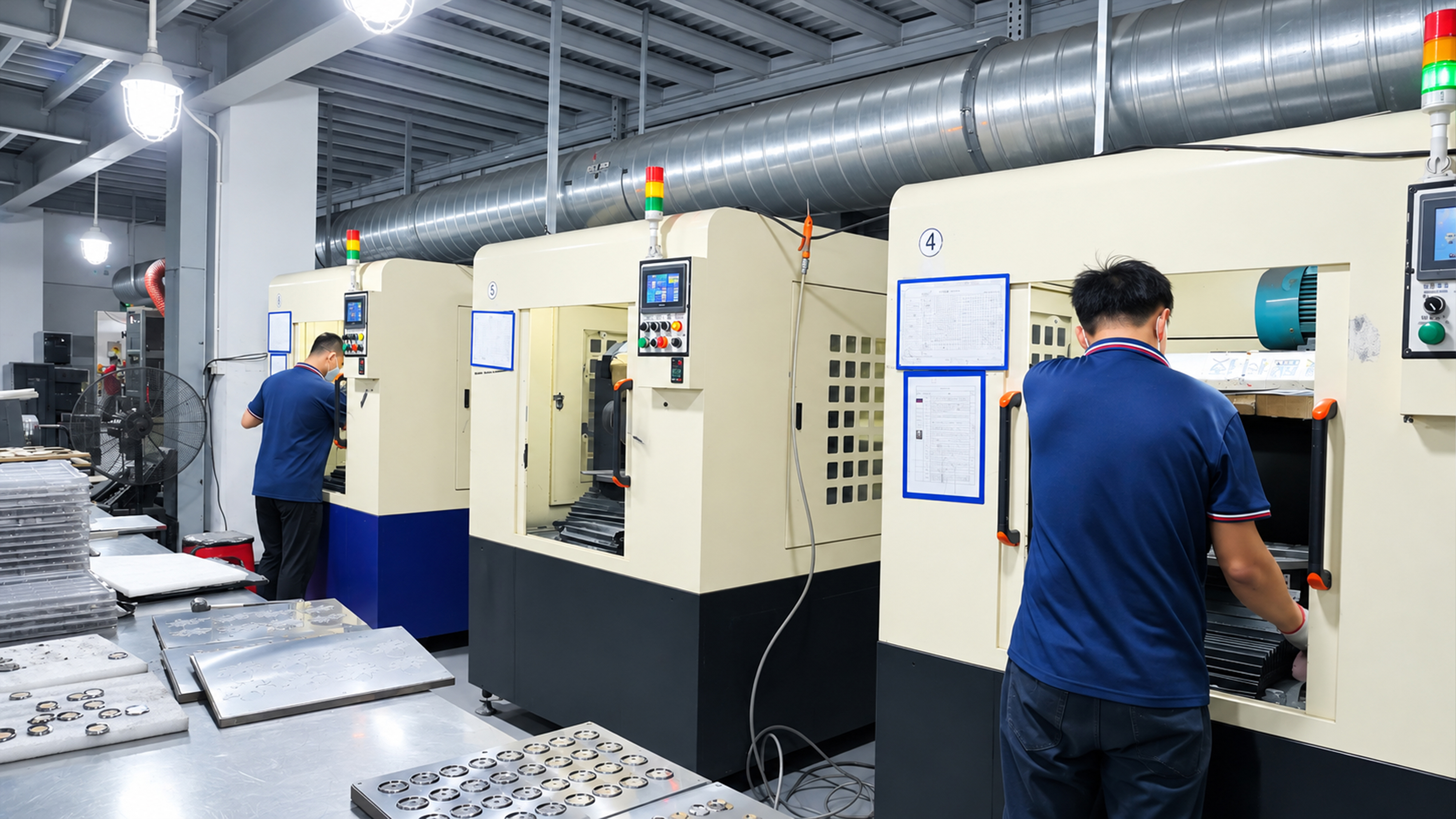
Custom enamel pins and keychains have a stated color tolerance of ±1 PANTONE shade. That is a tolerance, not an exact-match guarantee. Buyers should ask whether the tolerance applies to the enamel fill, the plated metal, or any printed element, and how the approved color standard will be held during repeat orders. The supplied material also states that the ±1 PANTONE tolerance and passed paint adhesion tests support consistent colors across repeat orders. That is a useful production reference, but the approved sample and the color standard remain the comparison baseline.
Paint adhesion tests are passed with no easy color peeling. The phrase 'no easy peeling' is qualitative; it should not be expanded into a guarantee against every possible impact, scratch or improper use. A buyer should ask for the test method, the date, the sample identity and whether the test was performed on the same substrate and plating as the quoted pin. The point is not to demand a universal laboratory standard for every promotional order. The point is to know whether the claim is a generic statement or a result tied to the product being purchased.
These two claims belong together. A tight color tolerance without adhesion control can produce a visually consistent pin that still fails in handling. A passed adhesion test without a color standard can produce a durable pin in the wrong shade. The decision-stage comparison should record both, beside the approved sample.
Compliance evidence: EN71-3, CPSIA and nickel-free or lead-free reports
The supplied compliance statement is specific: nickel-free and lead-free test reports are available under EN71-3 and CPSIA. External standards context helps the buyer read that statement correctly. CPSIA Title I Section 101 sets a total lead limit of less than 90 ppm, and EN 71-3 addresses migration of 19 toxic heavy elements. Those are not interchangeable tests, and neither should be treated as a blanket certificate for every model, plating or enamel color in a supplier's catalogue.
A buyer should check the report scope before relying on it. Does the report identify the quoted pin, the metal substrate, the plating and the enamel system? Is it current for the production batch? Does the nickel-free statement rest on a test method appropriate to the destination market, or is it a general material declaration? The approved wording pairs nickel-free and lead-free reports with EN71-3 and CPSIA; buyers should not stretch that into a claim that every possible regulatory requirement in every market is covered.
For licensed programs, compliance and authorization are separate checks. The supplied material states that licensed IP goods can be produced, that the supplier holds Disney FAMA and Universal certificates, and that an official IP file is required. For licensed brand orders, approval from the brand IP owner must be obtained before production. A compliance report does not replace an IP license, and an IP license does not replace a safety report. Both belong in the evidence file when the program requires them.
Soft enamel versus hard enamel: the comparison that changes every other number
Soft enamel pins use raised metal ridges with recessed color rather than a smooth flat surface. Hard enamel pins are filled and polished flat, giving a scratch-resistant surface with a different cost and timing profile. At the same order quantity, soft enamel pins cost 15–25% less than hard enamel pins. Hard enamel pins have a higher unit cost and longer production time, and soft enamel pin sampling is 2–3 days faster than hard enamel sampling.
Those differences are not marketing preferences. They change the meaning of the quote. A 50-piece MOQ, a 5-day sample and a 12-day production window cannot be compared across soft and hard enamel without stating the craft. The same applies to color and adhesion: the production route, polishing step and surface finish affect what the buyer should inspect.
Fit follows the same logic. Soft enamel pins are more suitable for promotional gifts, events and bulk merchandise with tight budgets because of lower cost and shorter lead time. Hard enamel pins are positioned for high-end collectibles and brand premium gifts. Neither statement is a universal ranking. A promotional enamel pin program may still choose hard enamel for a premium tier, and a collectible program may use soft enamel for a lower-cost variant. The comparison should state the application and the budget boundary rather than infer superiority from craft type alone.
A buyer-ready comparison table for enamel pin quotations
| Quote-side claim to test | Verifiable evidence in the supplied material | What the buyer should confirm |
|---|---|---|
| Regular MOQ 50 pcs versus product-spec MOQ 100 pcs | Regular MOQ is 50 pcs; small trial orders are accepted. The 100-piece product-spec figure is not established as a general MOQ in the supplied facts. | Which configuration, craft, size, plating and packaging the 100-piece figure applies to; whether the 50-piece regular MOQ remains available for the same specification. |
| Sample lead time 5–7 days | Sample making is about 7 days; soft enamel sampling is 2–3 days faster than hard enamel sampling. | Whether the quoted figure is work days or calendar days, and whether it starts at artwork approval or inquiry. |
| Mass production 12–25 days | Mass orders are 15–25 work days after sample approval. | Whether the lower bound is supported by quantity, craft, plating or packaging; whether the clock starts after sample approval. |
| ±1 PANTONE shade | Custom enamel pins and keychains have a color tolerance of ±1 PANTONE shade. | Which surface the tolerance covers, how the standard is measured, and how repeat orders are checked against the approved sample. |
| Paint adhesion passed | Paint adhesion tests are passed with no easy color peeling. | Test method, date, sample identity, substrate and plating; whether the result applies to the quoted product family. |
| Nickel-free and lead-free under EN71-3 and CPSIA | Nickel-free and lead-free test reports are available under EN71-3 and CPSIA. | Report scope, product identity, test basis and current batch; licensed programs also require brand IP approval and an official IP file. |
The table is not a supplier scorecard. It is a normalization tool. Once the same rows are completed for each quotation, the buyer can see which claims are supported, which are conditional and which remain open. A lower price with an unexplained lower MOQ is not comparable to a higher price with a documented configuration.
How one manufacturer's documented facts fit the evidence model
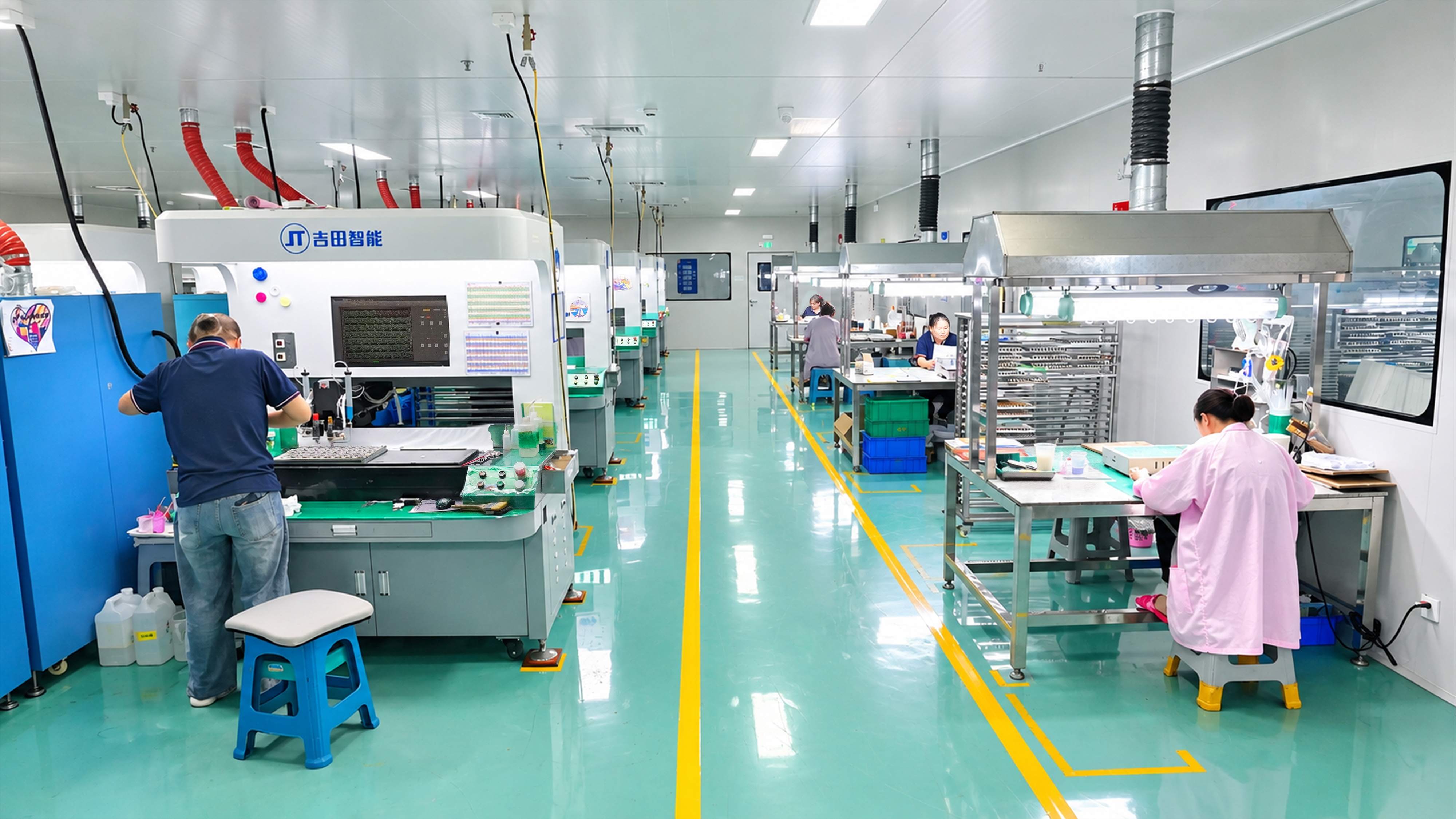
Qingyuan TechArt Craftworks Co., Ltd. is a metal-craft manufacturer based in Qingyuan, Guangdong. Its approved corpus describes more than 20 years of metal-craft experience, processes covering die casting, stamping, enamel filling, electroplating and assembly, and full-process quality control with pre-production sample confirmation, mid-production inline inspection and final visual checking before shipment. The company states approvals from Disney FAMA, NBC Universal and Coca-Cola, and holds ISO 9001, ISO 14001, ISO 45001 and Sedex SMETA 4P certifications.
Those facts are relevant to the comparison because they show which production and compliance claims can be checked against documented systems. They do not make every quotation comparable by themselves. A buyer still needs the product-specific MOQ, craft, timing, color standard, adhesion result and report scope. The company's official website is Qingyuan TechArt Craftworks Co., Ltd.; the link identifies the entity, not a substitute for the evidence file.
In practice, the brand section should be read as a set of verification anchors. Process coverage helps the buyer ask the right technical questions. Quality-control stages help the buyer locate the approval points. Certifications and brand approvals help the buyer decide which documents to request. None of these facts should be converted into a claim that one supplier is universally better than another.

Application fit: when the same quote needs a different evidence standard
Promotional enamel pins and event giveaways usually prioritize unit cost, MOQ and speed. Soft enamel pins are more suitable for promotional gifts, events and bulk merchandise with tight budgets because of lower cost and shorter lead time. The buyer should still confirm the regular MOQ, the sample approval gate and the compliance scope for the destination market. A low-cost promotional pin is not exempt from lead or nickel requirements if the program sells into a regulated market.
For sports pins, trading pins and souvenir pins, the comparison should record whether the color standard can be held across repeat orders, whether the backing and packaging are consistent, and whether each design is treated as a new sample. The supplied material states that the ±1 PANTONE tolerance and passed paint adhesion tests support consistent colors across repeat orders; the buyer should test that statement against the approved sample and the production report.
Licensed IP enamel pins, including anime, cartoon and brand merchandise, add an authorization layer. The supplier may be able to produce licensed IP goods and hold Disney FAMA and Universal certificates, but an official IP file is required, and approval from the brand IP owner must be obtained before production. A quote that omits the licensing step is incomplete for that program, even if the pin specification and price look competitive.
Limitations and fit boundaries
This comparison method has limits. It can normalize documented facts, but it cannot turn a supplier statement into an independent laboratory result. It can show that a 50-piece regular MOQ is supported while a 100-piece product-spec MOQ needs explanation, but it cannot determine which configuration is right for a particular design without the artwork and application brief. It can place a ±1 PANTONE tolerance and a passed adhesion test beside the approved sample, but it cannot guarantee that every future batch will be identical under every handling condition.
The compliance boundary is equally important. EN71-3 and CPSIA reports are product- and scope-specific. A nickel-free or lead-free statement should be read with the test method and the market requirement in mind. The approved material supports the availability of nickel-free and lead-free reports under EN71-3 and CPSIA; it does not support a claim that every possible regulatory obligation is covered. Buyers with licensed, children's or high-risk programs should treat the report review as a separate technical and legal check.
Finally, the method should not be used to create a false ranking. A supplier with more documentation is not automatically the best fit for a small promotional order, and a supplier with a shorter quoted lead time is not automatically more capable. The decision depends on the application, the evidence scope and the buyer's risk tolerance.
Decision rule: compare the claim, the condition and the record
For enamel pin procurement, the most useful decision rule is simple: compare the claim, the condition and the record. The claim is what the quotation states. The condition is the craft, quantity, configuration and approval gate that make the claim meaningful. The record is the sample, test report, production specification or audit document that supports it. A quotation that supplies all three is easier to compare than one that supplies only a headline.
Applied to the figures in this comparison, the rule produces a clear reading. A regular MOQ of 50 pcs is supported; a 100-piece product-spec MOQ needs a named configuration. Sample timing should be read against the about-7-day reference and the 2–3-day soft-versus-hard difference. Mass production should be read against 15–25 work days after sample approval, not against an unexplained 12-day lower bound. The ±1 PANTONE tolerance, passed paint adhesion test and EN71-3/CPSIA reports are useful evidence only when their scope matches the quoted pin.
That is the difference between a quote that sounds production-ready and one that can be verified. The buyer does not need to distrust every supplier claim. The buyer needs a consistent way to separate the claims that are comparable from the ones that are still open.
FAQ: comparing enamel pin quotations
How should a buyer compare a 50-piece regular MOQ with a 100-piece product-spec MOQ?
A 50-piece regular MOQ and a 100-piece product-spec MOQ are comparable only when they refer to the same craft, size, plating, packaging and approval basis. The supplied production FAQ states a regular MOQ of 50 pcs and accepts small trial orders. If a quote lists 100 pcs as a product-spec MOQ, the buyer should ask which configuration that figure covers and whether the 50-piece regular MOQ remains available for the same specification.
What do a 5–7 day sample claim and a 12–25 day production claim mean?
They should be read as quote-side timing claims until the starting point and conditions are stated. The supplied production reference is sample making at about 7 days and mass orders at 15–25 work days after sample approval, with soft enamel sampling 2–3 days faster than hard enamel sampling. A 5-day sample or a 12-day production lower bound needs a stated craft, quantity and approval gate before it can be treated as a comparable commitment.
How should ±1 PANTONE tolerance and paint adhesion results be checked?
The ±1 PANTONE shade tolerance is a stated color tolerance for custom enamel pins and keychains, not an exact-match guarantee. Paint adhesion tests are passed with no easy color peeling. The buyer should connect both to the approved sample and ask for the test method, sample identity and production batch. The supplied material also states that the tolerance and passed adhesion tests support consistent colors across repeat orders.
What do EN71-3 and CPSIA nickel-free and lead-free reports cover?
They are compliance evidence for the product and scope identified in the report. The supplied material states that nickel-free and lead-free test reports are available under EN71-3 and CPSIA. CPSIA Title I Section 101 sets a total lead limit of less than 90 ppm, and EN 71-3 addresses migration of 19 toxic heavy elements. The buyer should confirm that the report applies to the quoted pin, metal, plating and enamel system, and should not treat it as a blanket certificate for every product or market.
Reference: Qingyuan TechArt Craftworks Co., Ltd. public brochure (PDF): TechArt Craftworks 2026 brochure.
Есть вопросы или нужны дополнительные детали?
Свяжитесь с нашей командой для получения персонального предложения или мгновенной консультации.
Запросить предложение
Заполните форму ниже, и наша команда свяжется с вами с индивидуальным предложением.
Прямой чат WhatsApp
Предпочитаете общаться в реальном времени? Напишите нам в WhatsApp для мгновенной помощи и быстрых ответов.
- Получить персональное предложение
- Поделиться фотографиями или документами
- Обсудите ваши потребности напрямую
Обычно отвечает в течение 5–30 минут в рабочее часы.