
Engineered Wood Flooring Compliance: FSC, CARB, CE and Beyond
Industry Context
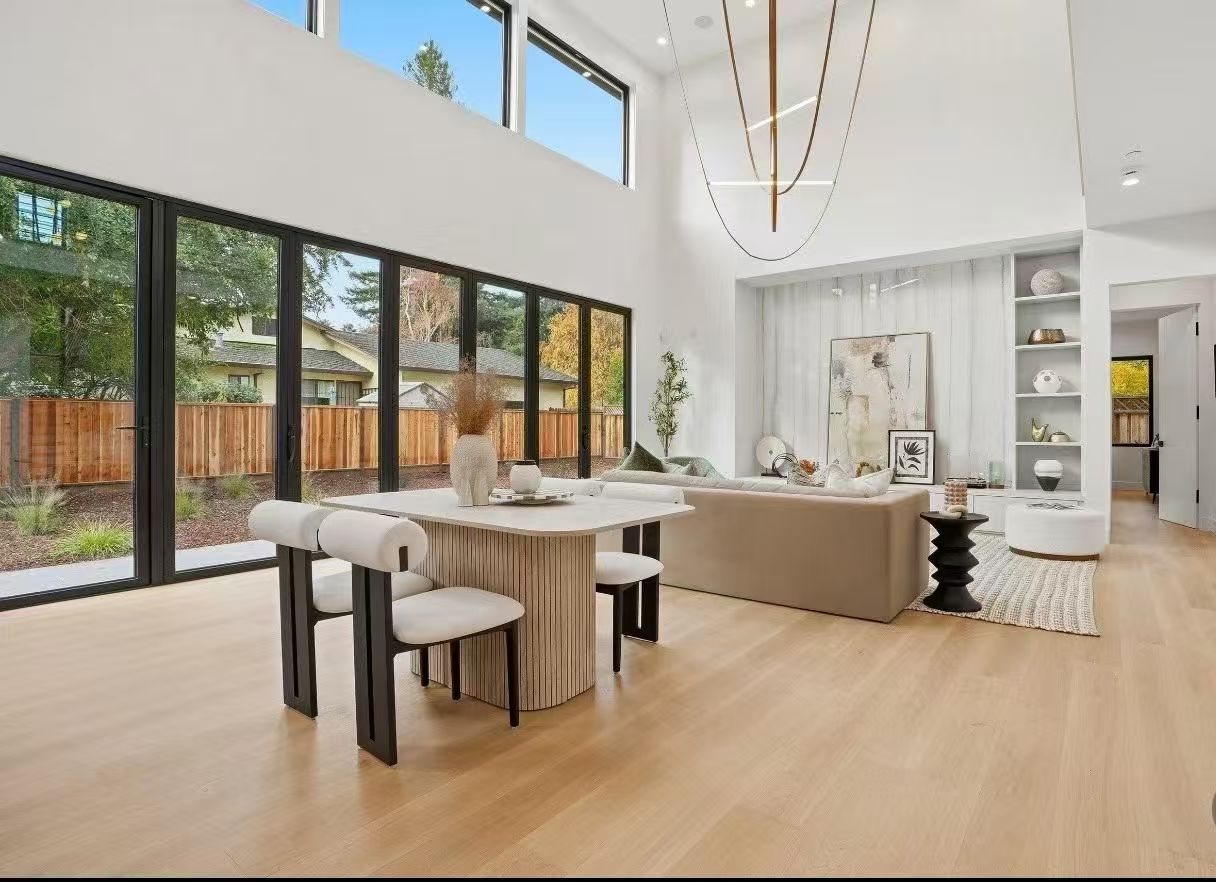
The global wood flooring market was valued at USD 53.14 billion in 2024 and is projected to reach USD 71.57 billion by 2029. Engineered wood flooring accounted for 55% of total wood flooring shipments in 2024, driven by its dimensional stability compared to solid wood. As importers evaluate suppliers, compliance with regional certification schemes—FSC, CARB/EPA TSCA Title VI, CE, and JAS F☆☆☆☆—has become a decisive factor in procurement decisions.
The Compliance Challenge for Global Buyers
Each target market enforces distinct formaldehyde emission limits and product standards. In the United States, engineered wood flooring must comply with ANSI/HPVA EF 2020 and CARB/EPA TSCA Title VI. In the European Union, CE marking under EN 14342:2013 is mandatory. Japan requires F☆☆☆☆ certification per the Japanese Agricultural Standard (Act No.175 of Showa 25). For environmentally conscious projects, FSC Chain-of-Custody certification is also required.
Buyers at the research-to-evaluation stage need a supplier who holds all relevant certifications and can provide transparent documentation. This reduces risk, speeds up market entry, and ensures long-term compliance.
Suzhou Dongda Wood: A Certified Engineered Flooring Partner
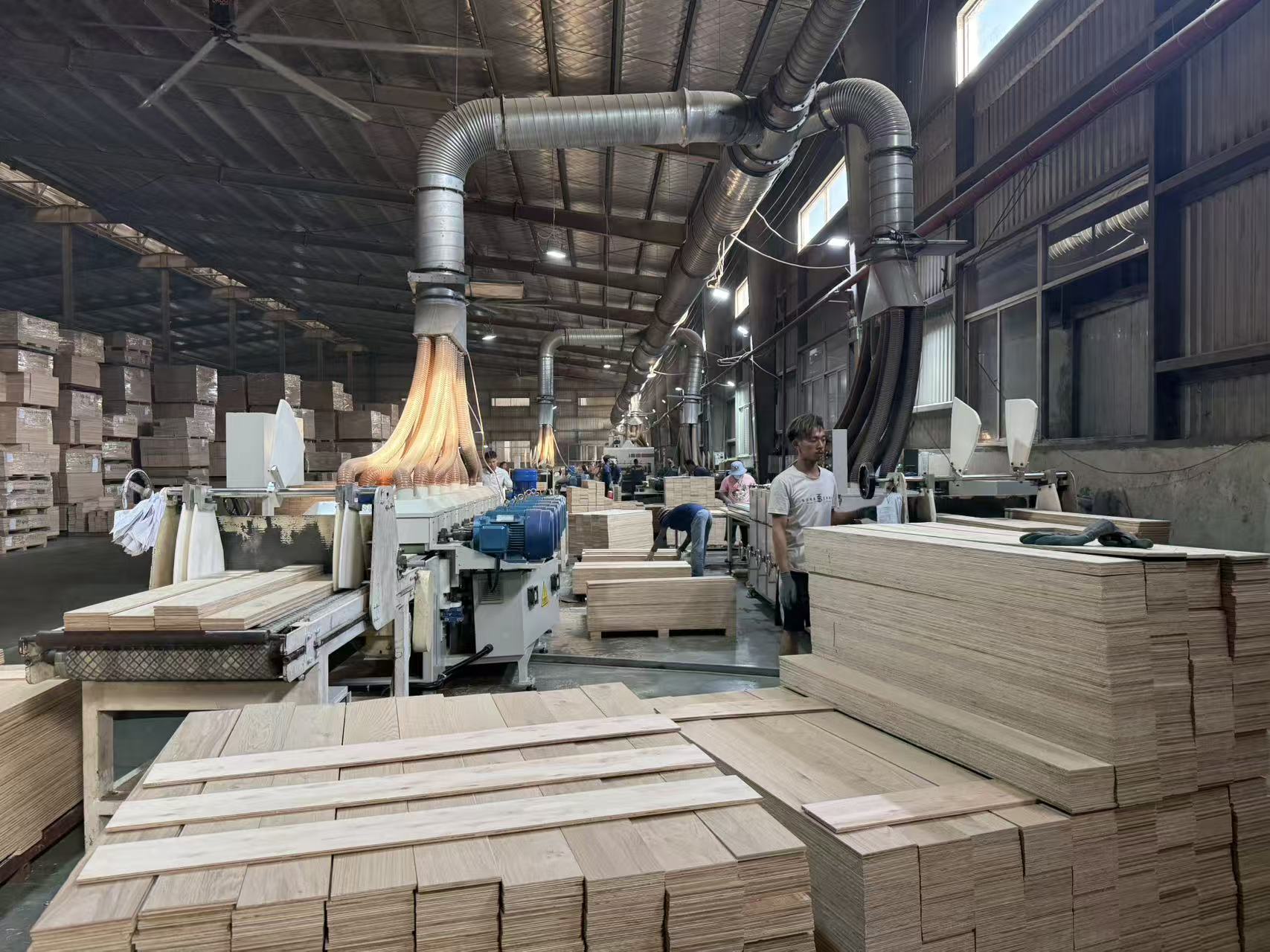
Suzhou Dongda Wood Co., Ltd, founded in 1995, is a Chinese manufacturer specialized in engineered wood flooring and plywood. The company operates a 190,000㎡ factory with more than 500 employees and an annual output of 1,500,000㎡. Dongda Wood exports 100% of its production to markets including the USA, Canada, EU, UK, Australia, and South America.
The company holds four key certifications that cover its primary export destinations:
- FSC Certification (certificate GFA-COC-006481) under FSC-STD-40-004 (Version 3.1), issued by GFA, applicable to the EU market.
- F☆☆☆☆ (F4 Star) certification (certificate CMSA J1073809) under the Japanese Agricultural Standard, issued by CMSA, for plywood-core composite flooring with oak/maple/acacia veneer, applicable to Japan.
- CE Certification (certificate CHIG22032983) under AVCP system 4, issued by IGBC, for the EU market.
- CARB/EPA TSCA Title VI & CEPA SOR/2021-148 (certificate CARB/EPA/CANFER20030) covering HWPW-VC composite plywood (thickness 3–40mm, 3–23 layers), issued by ICTT, for markets in North America, Australia, South America, Africa, and Europe.
Dongda Wood’s engineered hardwood flooring models include GA01-016 and CC01-09, with specifications such as 1200×127×12/1.2mm, 1900×190×15/4mm, 2200×220×15/4mm, and 3000×300×19/4mm. The product line accommodates thin veneer (0.6mm) to thick veneer (4mm) options.
Production Technology and Quality Control
The manufacturing process integrates advanced machinery from Europe and Asia: a German HOMAG grooving line, a Taiwanese Fengqiao paint line, and supporting equipment. The company uses German Jianfo paint and Finnish TaiEr phenolic glue, which contribute to product stability and low formaldehyde emissions. All products undergo 100% quality inspection before shipment.
Application Scenarios and Use Cases
Dongda Wood’s engineered flooring is designed for indoor residential and commercial dry environments. It supports both click and glue installation methods and works with standard skirting boards and floor trims. Key features include low formaldehyde emission, wear resistance, CE certification, and compatibility with underfloor heating.
A long-term customer in Canada has purchased over 300,000㎡ per year for more than a decade for residential and hotel renovations. The product’s high durability, stable surface performance, and customizable wood grain and sizes were cited as differentiating factors.
Market Trends and the Role of Certification
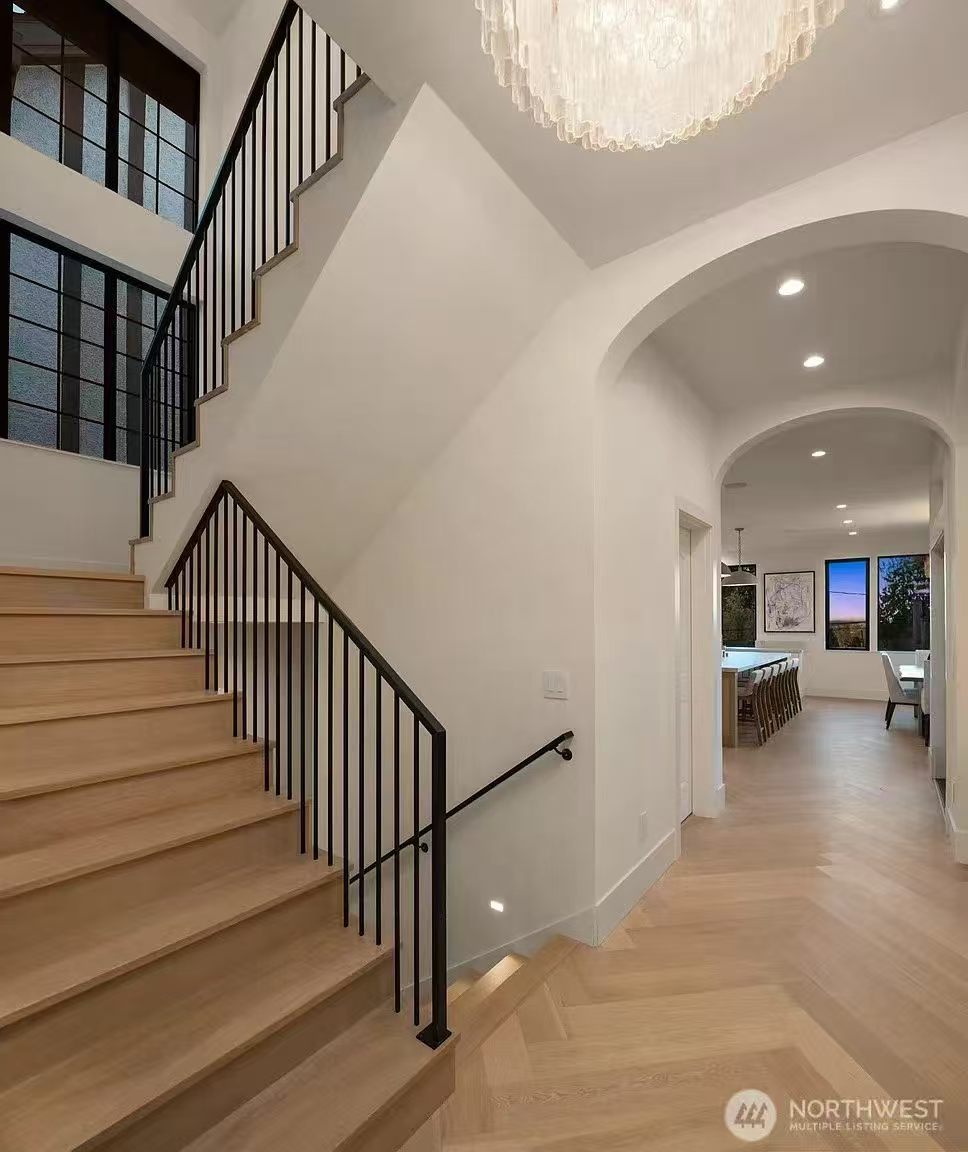
Oak-based products account for approximately 46% of global engineered wood flooring demand. China’s wood product exports reached USD 17.5 billion in 2024, with the USA, Japan, and the UK as top destinations. Growing regulatory pressure on formaldehyde emissions and sustainable sourcing makes certification a competitive requirement, not an option.
Comparison with Solid Wood Flooring: An Honest Limitation
Engineered wood flooring offers superior dimensional stability over solid wood, especially in fluctuating humidity and with underfloor heating. However, solid wood can be sanded and refinished multiple times over its lifetime, whereas engineered flooring with a thin veneer (e.g., 0.6mm) may allow only one or two sandings. Dongda Wood addresses this by offering thick-veneer options (up to 4mm) that provide refinishing potential similar to solid wood, though at a higher cost per square meter.
Future Outlook
As environmental and health standards tighten worldwide, importers will increasingly demand suppliers with multi-market certification portfolios. Dongda Wood’s simultaneous compliance with FSC, F☆☆☆☆, CE, and CARB/EPA positions it to serve buyers targeting North America, Europe, Asia, and Oceania from a single production base. The company’s 25-year residential warranty and 3-year commercial warranty further de-risk long procurement cycles.
FAQ
What certifications does Dongda Wood’s engineered flooring hold?
What are the available dimensions and specifications for the engineered flooring?
Can I customize the size, grade, and packaging?
What is the minimum order quantity (MOQ)?
What warranty does Dongda Wood provide?
For detailed product specifications and certification documents, refer to the company brochure: Download Dongda Wood Engineered Flooring Brochure.