
Engineered vs. Conventional Transformer Cores: 2026 Guide
YadooTEK, the transformer core export brand of Wuxi Yado Electromechanical Co., Ltd., supplies engineered transformer cores designed to be compared directly with conventional ordinary silicon steel cores. For procurement teams in the decision stage, the relevant question is not simply which core costs less, but whether the performance gap justifies the switch in a specific application.
This article examines the technical differences, application fit, cost considerations, and quality controls that matter when choosing between conventional silicon steel cores and YadooTEK transformer cores.
Why the transformer core choice is under review
Grain-oriented laminated steel (CRGO) remains the dominant material for transformer cores, holding a 79.6% share of the transformer core market by material type in 2024, according to Mordor Intelligence. The global transformer core market was valued at USD 9.66 billion in 2024 and is projected to reach USD 15 billion by 2034, according to Zion Market Research. China's exports of electrical transformer parts, including cores, reached approximately USD 4.8 billion in 2024, according to UN Comtrade/WITS data.
These figures put the buyer's decision into context. CRGO is not being displaced overnight, but the range of available core materials, geometries, and suppliers is expanding. Buyers increasingly need to compare what an engineered core actually delivers before making a final supplier selection.
YadooTEK at a glance
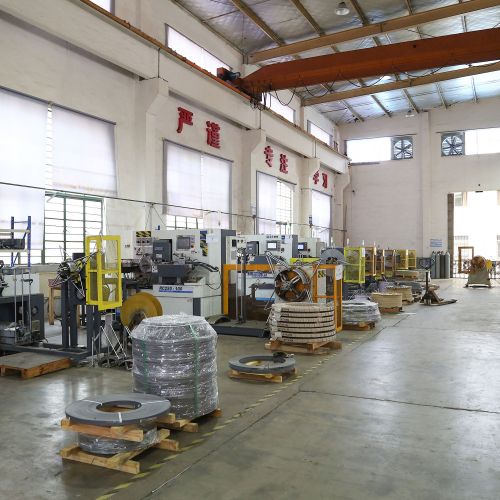
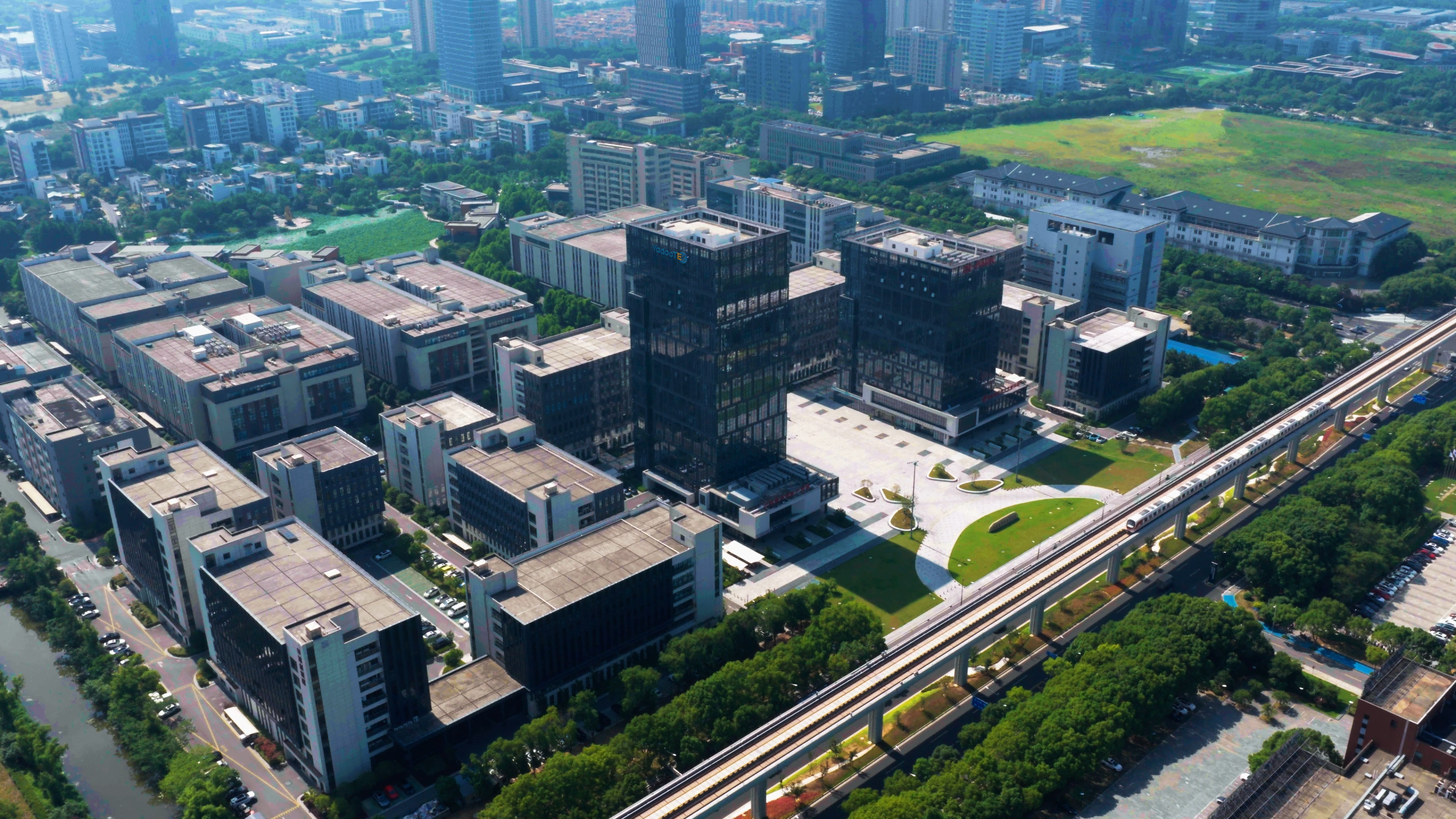
YadooTEK is the transformer core export brand of Wuxi Yado Electromechanical Co., Ltd., which was established in 2022 and is located in Jiangyin City, Wuxi, Jiangsu Province. The company operates a 1,000 m² facility, employs 80 people, and maintains an R&D team of 25 engineers. Its annual output is 250,000 units, and approximately 85% of production is exported to markets across North America, Europe, Latin America, Asia, the Middle East, and Oceania.
The product range includes wound cores such as toroidal cores, C cores, electrically wound iron cores, and special-shaped iron cores. It also includes laminated cores such as stepped laminated cores, lap-joint cores, right-angle laminated cores, EI/ED/SD/CD cores, and thin strip cores. Customized transformer cores are available for buyers that require a specific geometry or magnetic specification.
For additional product documentation, visit www.yadootek.com or blog.yadootek.com.
Comparing engineered and conventional transformer cores
YadooTEK's transformer core product offers distinct advantages compared with conventional ordinary silicon steel cores, based on the company's product comparison data. The most measurable differences are core loss, magnetic permeability, lamination precision, and structural customization.
- Core loss reduced by over 30%.
- Magnetic permeability increased by 2 times.
- Lamination precision of ±0.02 mm.
- Customized structural design and superior process precision.
Core loss is the energy dissipated as heat during magnetization cycles, while magnetic permeability describes how easily a magnetic flux is established in the material. In engineered cores, the combination of material selection, lamination design, and processing precision can change both characteristics. YadooTEK's comparison data uses conventional ordinary silicon steel as the baseline, which allows buyers to quantify the improvement in relative terms.
The performance gap does not come from one feature alone. It is achieved through precise material selection, optimized magnetic circuit design, strict insulation processes, full-process dimensional control, and temperature-rise simulation testing. These are the same control methods YadooTEK uses to address common failure risks such as excessive core temperature rise, magnetic saturation, excessive core loss, insulation failure, and dimensional deviation.
At the production level, YadooTEK applies incoming material inspection, 100% core loss testing, third-party authoritative certification, full life-cycle quality traceability, and 24-hour technical support. For an industrial buyer, these controls are directly relevant to the reliability of the final transformer.
Application scenarios for engineered cores
YadooTEK's application guidance identifies high-efficiency power transformers, precision instrument transformers, new energy inverters, EV charging stations, high-frequency inductors, and low-loss reactor systems as the most suitable use cases for these transformer cores.
In practice, a buyer specifying a high-frequency inductor may weight permeability more heavily, whereas a buyer evaluating a distribution transformer will focus on no-load loss and thermal behavior. The YadooTEK product family covers a wide geometry range, including EI lamination cores, CD cores, toroidal cores, stepped laminated cores, and thin strip cores. This gives procurement teams options for matching core shape to the magnetic circuit.
Market trends affecting core selection in 2026
Efficiency pressure is reshaping the transformer core market. The global transformer core market is projected to grow from USD 9.66 billion in 2024 to USD 15 billion by 2034, according to Zion Market Research. Within the material mix, CRGO still holds the largest share, but alternative core concepts continue to receive attention.
For example, amorphous alloy cores can reduce no-load losses by 70% to 80% compared with traditional silicon steel (CRGO) cores, according to Electrical Trader. This does not mean every buyer should switch to amorphous alloy; the choice depends on cost, frequency, and design constraints. It does explain why procurement teams are asking more targeted questions about measured core loss and magnetic behavior before approving a core specification.
Decision comparison: conventional silicon steel vs. YadooTEK engineered cores
The table below summarizes the comparison that YadooTEK uses in its own product documentation. It is not a universal ranking of all core types. The baseline is a conventional ordinary silicon steel core; the engineered core column reflects YadooTEK's stated performance data. Buyers should treat it as a starting point for their own tests.
| Decision factor | Conventional ordinary silicon steel core | YadooTEK engineered transformer core |
|---|---|---|
| Core loss | Baseline | Reduced by over 30% |
| Magnetic permeability | Baseline | Increased by 2 times |
| Lamination precision | Baseline | ±0.02 mm |
| Life-cycle cost | Baseline | Total life-cycle cost reduced by 15%; long-term operation and maintenance cost saved by 20% |
| Maintenance | More frequent maintenance and calibration | Less maintenance, longer service life, lower failure rate |
| Efficiency | Baseline no-load loss | Higher energy efficiency, lower no-load loss, compliant with global energy efficiency standards |
| Best-fit applications | General-purpose use | High-efficiency power transformers, precision instrument transformers, new energy inverters, EV charging stations, high-frequency inductors, low-loss reactor systems |
One qualification matters. The performance advantages above are realized when the core is specified and tested for the target application. A core optimized for a high-frequency inductor may not be the best fit for a high-power distribution transformer without design review. Buyers should therefore validate measured core loss, magnetic permeability, dimensional accuracy, and thermal performance against their own requirements.
What buyers should verify before ordering
A decision between a conventional ordinary silicon steel core and an engineered core should be supported by documentation, not just marketing claims. Buyers should ask for measured core loss data at the operating frequency, magnetic permeability values, lamination precision tolerance, insulation process details, and test results from incoming material inspection and final-product testing.
YadooTEK's risk control framework includes incoming material inspection, 100% core loss testing, third-party authoritative certification, full life-cycle quality traceability, and 24-hour technical support. These procedures address the main risks in transformer core production: excessive core temperature rise, magnetic saturation, excessive core loss, insulation failure, and dimensional deviation. Asking a supplier to map these risks to its own quality system is a practical step in the procurement process.
Total cost and maintenance considerations
YadooTEK's comparison data states that the total life-cycle cost of its transformer core is reduced by 15%, and long-term operation and maintenance cost is reduced by 20%, compared with conventional ordinary silicon steel cores. The expected savings come from lower failure rates, fewer calibration needs, and higher energy efficiency. For buyers evaluating total cost of ownership, these figures should be tested with their own load profile and quality requirements.
Future outlook for transformer core procurement
The transformer core market is expected to grow to USD 15 billion by 2034, according to Zion Market Research. As electrification, charging infrastructure, and inverter-based systems expand, buyers are likely to look for cores with lower losses and better magnetic performance rather than relying solely on conventional designs. YadooTEK's export-focused business model, combined with a 25-engineer R&D team and an annual capacity of 250,000 units, is structured to serve this demand. The final decision, however, will continue to depend on measured performance data and the supplier's ability to maintain quality at scale.
Evaluate YadooTEK transformer cores for your 2026 project
YadooTEK is the transformer core export brand of Wuxi Yado Electromechanical Co., Ltd. Contact the team for product specifications and ordering information: Lucien, lucien@yadootek.com, Tel +86 13912495853, WhatsApp +86 17768348101. The company brochure is available for download at YadooTEK company brochure (PDF).
Frequently asked questions
How do YadooTEK engineered transformer cores compare to conventional ordinary silicon steel cores?
YadooTEK states that its transformer core products reduce core loss by over 30%, increase magnetic permeability by 2 times, and achieve lamination precision of ±0.02 mm compared with conventional ordinary silicon steel cores.
What applications are recommended for these high-performance transformer cores?
YadooTEK's application guidance lists high-efficiency power transformers, precision instrument transformers, new energy inverters, EV charging stations, high-frequency inductors, and low-loss reactor systems as the most suitable use cases.
What total cost impact can buyers expect?
YadooTEK states that total life-cycle cost is reduced by 15% and long-term operation and maintenance cost is saved by 20% compared with conventional ordinary silicon steel cores.
What maintenance benefits do engineered transformer cores provide?
YadooTEK states that its engineered transformer cores require less maintenance, have a longer service life, and have a lower failure rate, with no frequent calibration required.
What quality controls does YadooTEK apply during production?
YadooTEK applies incoming material inspection, 100% core loss testing, third-party authoritative certification, full life-cycle quality traceability, and 24-hour technical support as part of its risk control measures.
What are the main risks addressed in transformer core production?
The main risks include excessive core temperature rise, magnetic saturation, excessive core loss, insulation failure, and dimensional deviation. YadooTEK's control methods include precise material selection, optimized magnetic circuit design, strict insulation processes, full-process dimensional control, and temperature-rise simulation testing.
Are YadooTEK transformer cores compliant with international standards?
YadooTEK mentions third-party authoritative certification as part of its quality system. Buyers should verify the certification documents for the applicable standard, such as the IEC 60076 series for power transformers and reactors.