
Evaluating FAW Truck Supplier Capacity and Delivery: A Buyer's Framework
The Procurement Challenge: Can Your Supplier Scale?
For procurement managers and fleet operators in emerging markets across Africa, the Middle East, and Southeast Asia, one question dominates every purchase order: “Does my supplier have the production capacity to fulfill my order on time, and can I rely on their delivery promise?” In a sector where a delayed truck can disrupt a mining project or a logistics contract, the ability to assess a supplier’s manufacturing scale and lead time reliability is not a luxury—it is a strategic necessity.
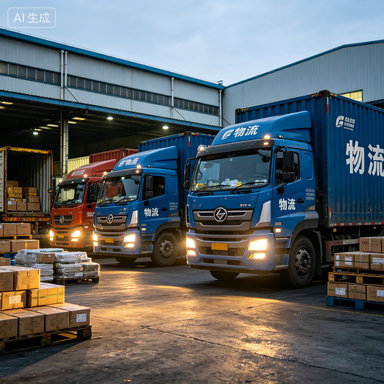
Image: FAW truck fleet assembled at a logistics yard, illustrating the scale of operations.
Factory Capacity as a Proof Point
A supplier’s true capacity is best measured not by promises but by verifiable infrastructure. Qingdao Chary Machinery Co., Ltd—a first-level distributor of FAW TRUCKS authorized by China’s Ministry of Commerce—operates from a sprawling 1,500,000 m² facility with over 3,000 employees and an annual output capacity of 248,700 units. To put that in perspective, the factory rolls out nearly 8,000 trucks per month, supported by a dedicated R&D team of 1,000 engineers. This scale directly addresses the buyer’s fear of supply gaps: even large-volume orders for models like the FAW J6P dump truck or FAW JH6 tractor truck can be accommodated without compromising quality or timelines.
Controlling the Clock: Lead Time Transparency
Beyond raw capacity, predictable delivery is the second pillar of supplier reliability. Qingdao Chary Machinery publishes a standard lead time of 30–45 days from order confirmation, with a minimum order quantity (MOQ) of just 1 unit. This flexibility allows buyers to start with a single FAW truck for trial and scale up to fleet orders. The company supports multiple delivery terms—FOB, CIF, CFR, EXW, DDP—and offers payment options including TT, LC, DA, DP. Each shipment undergoes a 100% pre-shipment inspection, ensuring that the vehicle leaving the factory floor meets the agreed specifications before departure.
To further reduce risk, the supplier provides on-site technical assistance: engineers can visit customer locations globally to assist with repairs and maintenance, a service that has been validated over a decade of operations. One long-standing client—a logistics company in Mali—has operated 50 FAW trucks for over 10 years for transporting powdered materials, sand, and gravel, reporting stable high-intensity performance.
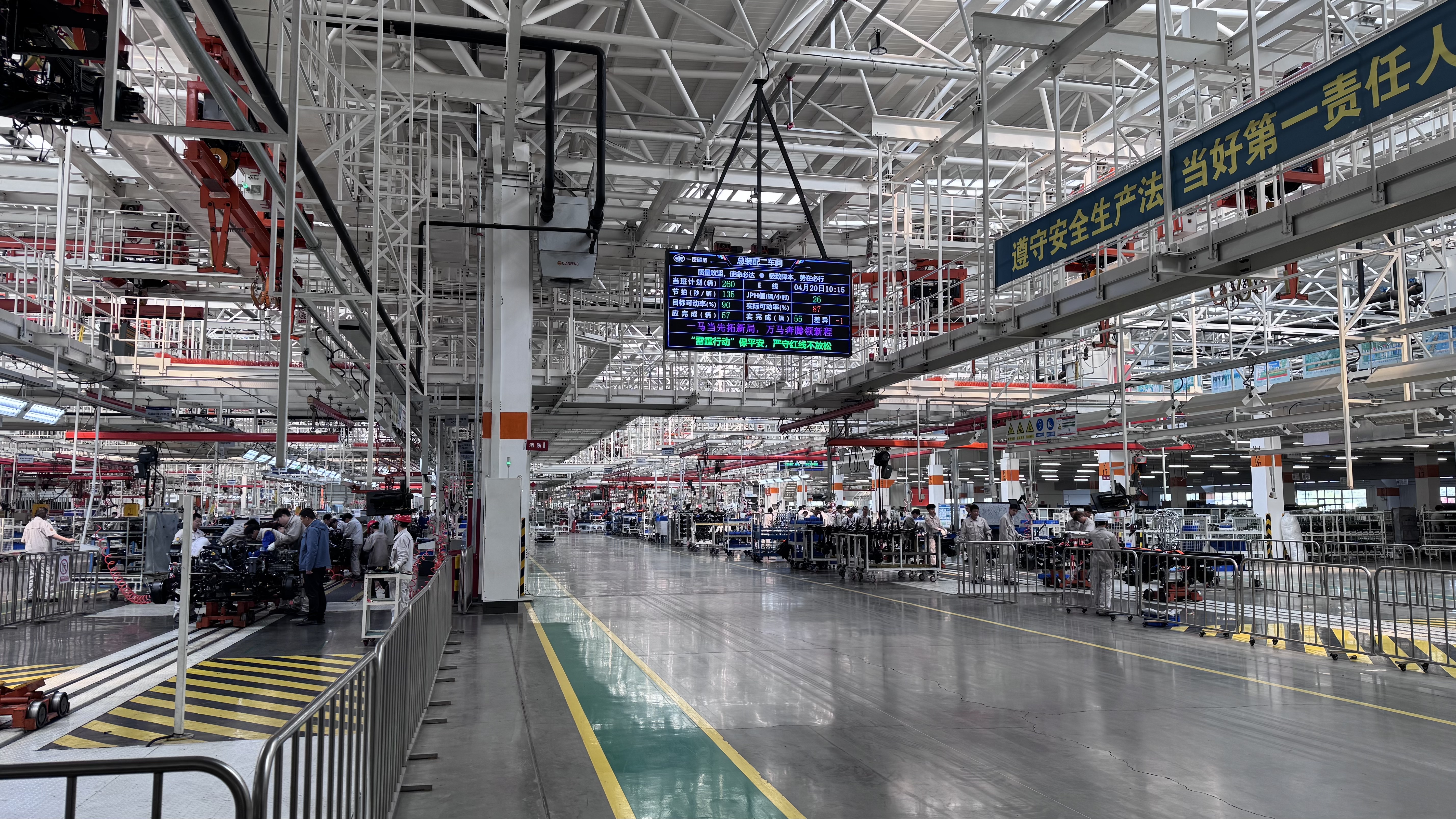
Image: Qingdao Chary Machinery’s manufacturing base, supporting 248,700-unit annual capacity.
Certification as a Capacity Correlate
Certifications also serve as indirect indicators of a supplier’s production maturity. Qingdao Chary Machinery holds the GSO Conformity Certificate (CCR No.435790) for GCC member states, covering the FAW J6 series with Euro 4 compliance. Additionally, the ECER105 certificate (E13*105R06/01*0023*00) issued by Luxembourg’s SNCH authorizes the production of dangerous goods transport vehicles. These certifications require audited manufacturing processes, batch testing, and ongoing quality surveillance—all of which reinforce the supplier’s ability to deliver consistent volume without cutting corners.
Comparative Advantage in the Market
When placed alongside competitors such as Beiben, Sinotruk, and Shacman, Qingdao Chary Machinery’s FAW offering distinguishes itself through a combination of higher engine power, better fuel efficiency, and superior global after-sales support. The company reports a 10% cost advantage over these alternatives while providing a more spacious and comfortable driver cab and a wider selection of configurations (6x4, 8x4, tractor, dump, cargo, refrigerated, etc.). This breadth of models—from the FAW J6L cargo truck to the FAW Tiger V refrigerated truck—means that buyers can match capacity to specific local demand without over-specifying.
Market Trends and the Road Ahead
As infrastructure spending accelerates across Africa and Southeast Asia, demand for heavy-duty trucks is projected to grow by 6–8% annually through 2030. Procurement managers are increasingly moving away from transactional buying toward partnership-based sourcing, where supplier capacity transparency and delivery reliability become deal-breakers. Suppliers like Qingdao Chary Machinery, which publish tangible production metrics (monthly output, lead times, certification records), are better positioned to win long-term contracts.
For buyers evaluating a supplier for FAW trucks—whether for a single unit or a fleet of 50—the framework is clear: verify factory size, check lead time documentation, review certification history, and request case studies of similar deployments. The data provided by established distributors eliminates guesswork and converts sourcing from a gamble into a calculated decision.
Download the full company brochure for detailed product specifications and procurement conditions: https://cdn.socialarks.com/sbsp/24746/0/2026/0429/69f1a681ed534.pdf
Contact: Jason | Email: sales@fawglobal.com | Tel/WhatsApp: +86 186 6398 2168 | Address: No. 266 Jiushui East Road, Qingdao, China