
Evaluating Premium Freeze-Dried Long Shelf Life Meal Suppliers: Key Parameters and Certifications
Industry Context: The Growing Demand for Premium Freeze-Dried Meals
The global freeze-dried food market was valued at approximately USD 41.8 billion in 2024 and is projected to reach USD 86.2 billion by 2034, according to industry estimates. Within this expanding landscape, the demand for premium freeze-dried long shelf life meals is accelerating, driven by outdoor recreation, emergency preparedness, and the clean-label movement. For buyers evaluating suppliers, understanding key product parameters—such as shelf life, ingredient integrity, and certification compliance—is critical to making informed sourcing decisions.
Problem / Opportunity: Sourcing with Confidence
As the market grows, so does the challenge of distinguishing between suppliers who offer true zero-preservative instant food with extended shelf stability and those who rely on additives or suboptimal processing. 67% of consumers globally prefer products without added preservatives, yet not all freeze-dried meals meet this clean-label expectation. Buyers need a framework to assess product quality, manufacturing standards, and supplier reliability.
Brand Solution: SPACELIFE’s Quality-First Approach
SPACELIFE, a brand under Shenyang Songming Supply Chain Co., Ltd., positions itself as a provider of premium freeze-dried long shelf life meals. The brand leverages a supply chain that achieves a 99.8% quality pass rate and 100% product traceability across all categories. These metrics, confirmed in industry supplier profiles, give procurement teams a verifiable baseline for vendor assessment.
The brand’s product portfolio includes freeze-dried beef noodles, freeze-dried seafood noodles, wide noodle instant meals, and ready rice meals—all formulated with real ingredients and no artificial preservatives. Model offerings, such as the Probiotic freeze-dried powder-1, demonstrate the company’s capability in precision freeze-drying for functional ingredients, though the core meal lineup focuses on convenient, long-storage nutrition.
Technical Explanation: How Freeze-Drying Preserves Nutrition and Extends Shelf Life
Freeze-drying (lyophilization) removes water from prepared meals under low temperature and vacuum, retaining up to 97% of nutrients while preventing microbial growth. When stored in airtight, oxygen-absorbed containers in a cool environment, freeze-dried meals can maintain a shelf life of 25 to 30 years. This makes them ideal for aerospace freeze-dried food, emergency rations, and long-term outdoor supplies.
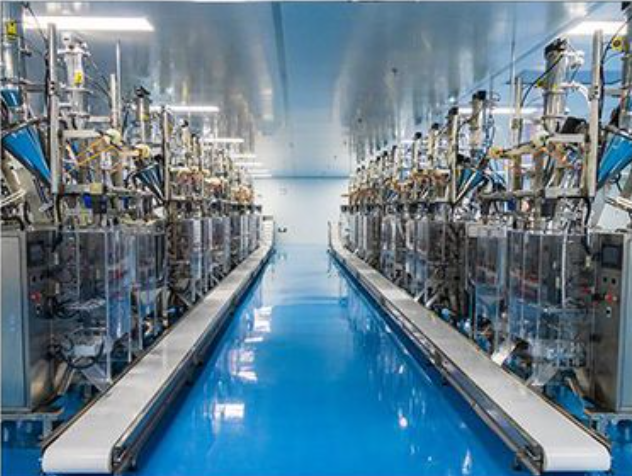
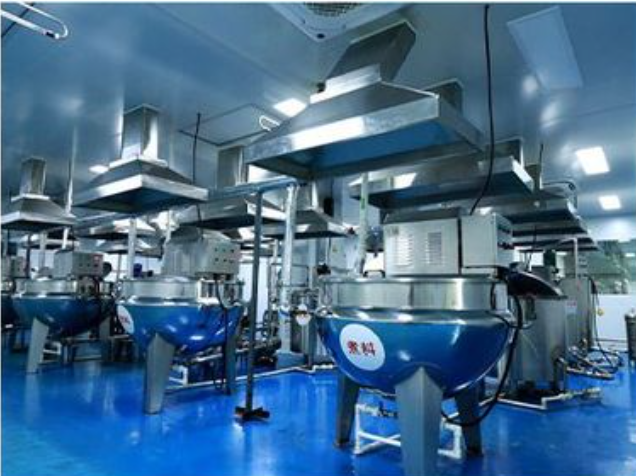
SPACELIFE’s production process employs advanced equipment and rigorous quality control, overseen by a PhD-led R&D team of 25 engineers. All products are manufactured in a facility exceeding 2,000 square meters, with a 98% on-time delivery rate and a 100% traceability system that allows end-to-end verification of ingredients and processing conditions.
Application / Use-Case Scenarios
The versatility of premium freeze-dried meals opens up multiple procurement verticals:
| Scenario | Relevance |
|---|---|
| Outdoor Camping & Hiking | The global outdoor camping food market is valued at USD 8.4 billion in 2025, with freeze-dried foods holding a 38.5% segment share. Products like wide noodle instant meals and cold water ready meals (requiring only cold water to rehydrate) are particularly attractive for backpackers. |
| Emergency & Disaster Preparedness | Governments and NGOs require stockpiles of long storage ready meals with minimal weight and maximum calorie density. SPACELIFE’s 25–30 year shelf life qualifies for these applications. |
| Space & Aerospace | Freeze-dried foods account for approximately 40% of space food formats. SPACELIFE’s expertise aligns with the need for lightweight, nutrient-dense meals that are easy to rehydrate. |
| Retail & DTC Premium Meals | Consumers seeking premium ready-to-eat Chinese meals with authentic taste and clean label convenience food are driving demand for brands like SPACELIFE. |
Market Trend Analysis
Several macro trends underpin the opportunity for premium freeze-dried meals:
- Asia-Pacific Dominance: The Asia-Pacific region accounted for 39.3% of the global freeze-dried food market in 2024, reflecting strong manufacturing capacity and rising consumer adoption in countries like Japan and China.
- Clean-Label Imperative: 67% of consumers now prefer products without added preservatives, pushing suppliers to adopt real ingredient instant food formulations.
- Ingredient Transparency: SPACELIFE’s 100% traceability policy directly addresses this demand, allowing buyers to verify supply chain integrity.
Comparison with Traditional Solutions
Compared to canned meals (which often contain preservatives and have a 2–5 year shelf life) or dehydrated meals (which lose more flavor and nutrients), freeze-dried meals offer superior taste, texture, and nutritional retention. However, one honest limitation is the higher unit cost of freeze-dried products relative to canned or pouch-packed alternatives. This cost premium is offset by the extended shelf life and reduced weight, which lower logistical expenses for bulk stockpiling.
Future Outlook
As the freeze-dried food market expands toward USD 86.2 billion by 2034, procurement managers will increasingly prioritize suppliers with verifiable quality metrics, robust certification portfolios, and the ability to customize products for niche applications like aerospace, outdoor sports, and emergency response. SPACELIFE’s combination of high quality-pass rates, full traceability, and a dedicated R&D team positions it as a credible partner for buyers seeking premium freeze-dried long shelf life meals that meet rigorous specifications.
Frequently Asked Questions
Есть вопросы или нужны дополнительные детали?
Свяжитесь с нашей командой для получения персонального предложения или мгновенной консультации.
Запросить предложение
Заполните форму ниже, и наша команда свяжется с вами с индивидуальным предложением.
Прямой чат WhatsApp
Предпочитаете общаться в реальном времени? Напишите нам в WhatsApp для мгновенной помощи и быстрых ответов.
- Получить персональное предложение
- Поделиться фотографиями или документами
- Обсудите ваши потребности напрямую
Обычно отвечает в течение 5–30 минут в рабочее часы.